
ARTHROSCOPY & SPORTS INJURY ASSOCIATES


OVERVIEW
What Is Ulnar Nerve Neuritis (Cubital Tunnel Syndrome)?
Ulnar Nerve Neuritis, or Cubital Tunnel Syndrome, is the condition, when the ulnar nerve is irritated or compressed at the location of its passing through the cubital tunnel on the inside of the elbow. The ulnar nerve is responsible for sensation in the little finger and the outer side of the ring finger and innervates certain muscles of the hand. Compression can lead to tingling, pain, weakness of the hand and interfere with daily activities.
Here are the things you should know about Ulnar Nerve Neuritis (Cubital Tunnel Syndrome):
- Is caused by compression or irritation of the ulnar nerve at the elbow
- Can be accompanied by numbness and tingling in the little finger and ring finger
- Can be accompanied by weakness of the hand
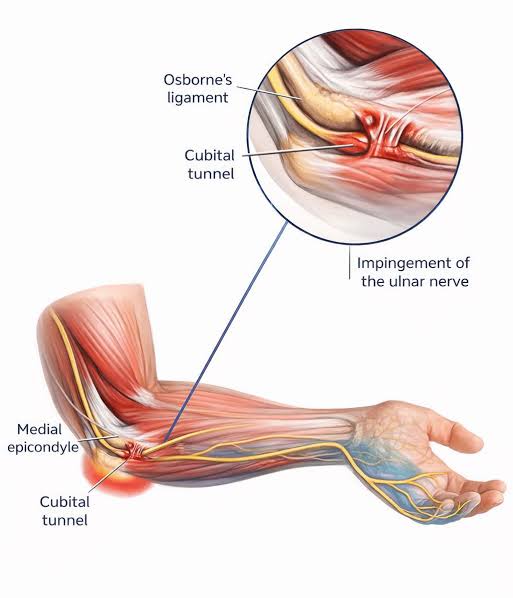
Ulnar Nerve Neuritis, or Cubital Tunnel Syndrome, is the condition, when the ulnar nerve is irritated or compressed at the location of its passing through the cubital tunnel on the inside of the elbow. The ulnar nerve is responsible for sensation in the little finger and the outer side of the ring finger and innervates certain muscles of the hand. Compression can lead to tingling, pain, weakness of the hand and interfere with daily activities.
Here are the things you should know about Ulnar Nerve Neuritis (Cubital Tunnel Syndrome):
- Is caused by compression or irritation of the ulnar nerve at the elbow
- Can be accompanied by numbness and tingling in the little finger and ring finger
- Can be accompanied by weakness of the hand
Overview
Reduced Finger Coordination
Patients can find difficulty in performing activities such as typing, putting on clothing, writing, or handling small items.
Muscle Weakness
In case of a prolonged nerve compression, muscle weakness in the area innervated by the ulnar nerve can appear.
Increased Symptomatology at Night Time
Patient can experience the increased symptoms of the disease at nighttime during the sleep with the bent elbow.
Muscle Wasting
In severe cases, the wasting of the hand muscles might appear because of the prolonged compression of the nerve.
Surgeons Available for Consultations

Dr. Karnav Panchal
M.B.B.S, M.S. (Orthopedics),
FAOS (South Korea)
Consultant Arthroscopist & Sports Injury Specialist Consultant Joint Replacement Surgeon

Dr. Aniket Gupta
M.B.B.S, M.S. (Orthopedics),
MRCS (Edinburgh)
Training & Qualifications Fellowship in MRCS (UK) Arthroscopy & Arthroplasty (Milan, Italy)
Consultant Physiotherapist

Dr. Aarsh Bhatt
B.P.T,M.P.T (Cardio-Respiratory Disorders) MIAP , HCPC (UK) , DHA (UAE)
Consultant Physiotherapist

Dr. Hetvi Dimothe
BPT , M.P.T (Rehabilitation) MIAP, HCPC (UK) , DHA (UAE)
Consultant Physiotherapist

Causes
What Are the Causes of Ulnar Nerve Neuritis (Cubital Tunnel Syndrome)?
Ulnar Nerve Neuritis occurs due to repeated compression, stretching or irritation of the ulnar nerve at the cubital tunnel. This can happen because of the prolonged elbow flexing, repetitive elbow movements, direct pressure to the elbow, old injury, or anatomical features that reduce the space where the ulnar nerve passes. In the course of time, prolonged compression of the nerve can aggravate symptoms and impair hand function.
Causes
What Are the Causes of Ulnar Nerve Neuritis (Cubital Tunnel Syndrome)?
Ulnar Nerve Neuritis occurs due to repeated compression, stretching or irritation of the ulnar nerve at the cubital tunnel. This can happen because of the prolonged elbow flexing, repetitive elbow movements, direct pressure to the elbow, old injury, or anatomical features that reduce the space where the ulnar nerve passes. In the course of time, prolonged compression of the nerve can aggravate symptoms and impair hand function.
Ulnar Nerve Neuritis (Cubital Tunnel Syndrome) can be caused by the following factors:
- Prolonged elbow flexing
- Repetitive elbow movements
- Repetitive leaning on the elbow
- Old elbow fractures or dislocations
- Bone spurs at the elbow or elbow arthritis
- Thickening of the soft tissues of the elbow pressing on the nerve
- Repetitive irritation or stretching of the ulnar nerve
Which Anatomical Structures Can Be Affected by Ulnar Nerve Neuritis (Cubital Tunnel Syndrome)?
Persistent compression can cause changes in the following structures responsible for the proper function of the elbow, the hand and the fingers.
- Ulnar nerve
- Cubital tunnel
- Elbow joint
- Forearm muscles
- Intrinsic muscles of the hand
- Ring finger
- Little finger
SYMPTOMS
What Are the Symptoms of Ulnar Nerve Neuritis (Cubital Tunnel Syndrome)?
Symptoms usually appear gradually, developing only during the activities that include elbow flexing in the early stages. With time, symptoms might become more frequent and eventually start impairing hand strength and coordination. Early diagnosis helps avoid the development of permanent nerve damage.

Numbness and Tingling
Patients typically experience the numbness or tingling in the little finger and the outer side of the ring finger during elbow flexing.
Elbow Pain
Patient can experience pain or discomfort in the inside area of the elbow, and sometimes this pain can radiate to the forearm.
Hand Weakness
The compression of the ulnar nerve might cause the reduction of hand strength and difficulties with performance of certain fine movements with hands.
Neglect of the above mentioned symptoms may result in permanent nerve damage, muscle wasting, reduced grip strength and loss of hand function.
Connect with our experts and get the right guidance for your condition.
Reduced Finger Coordination
Patients can find difficulty in performing activities such as typing, putting on clothing, writing, or handling small items.
Muscle Weakness
In case of a prolonged nerve compression, muscle weakness in the area innervated by the ulnar nerve can appear.
Increased Symptomatology at Night Time
Patient can experience the increased symptoms of the disease at nighttime during the sleep with the bent elbow.
Muscle Wasting
In severe cases, the wasting of the hand muscles might appear because of the prolonged compression of the nerve.
Connect with our experts and get the right guidance for your condition.
BOOK CONSULTATIONDIAGNOSIS
How do doctors diagnose Ulnar Nerve Neuritis (Cubital Tunnel Syndrome)?
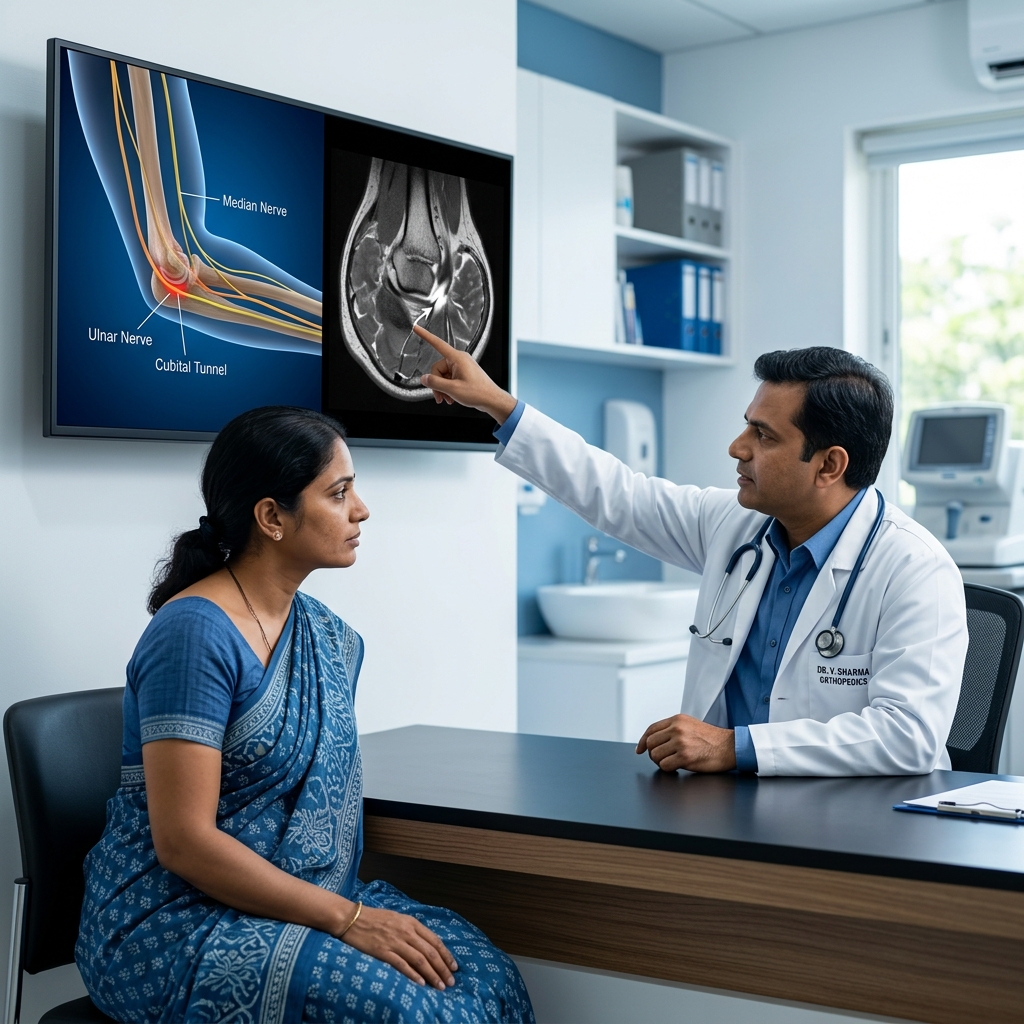
The doctor diagnoses Ulnar Nerve Neuritis (Cubital Tunnel Syndrome) on the basis of the analysis of the symptoms, medical history and physical examination. The assessment includes checking of the patient's sensation, muscle strength and finger coordination, and evaluation of the presence of signs of compression of the ulnar nerve at the elbow. Additional diagnostic tests can be done to confirm the diagnosis, assess the severity of the compression and exclude other diseases that affect the arm or the hand. At ALIGN ASIA, the comprehensive assessment allows to estimate the degree of the involvement of the nerve and develop the individual treatment plan.
DIAGNOSIS
How do doctors diagnose Ulnar Nerve Neuritis (Cubital Tunnel Syndrome)?
The doctor diagnoses Ulnar Nerve Neuritis (Cubital Tunnel Syndrome) on the basis of the analysis of the symptoms, medical history and physical examination. The assessment includes checking of the patient's sensation, muscle strength and finger coordination, and evaluation of the presence of signs of compression of the ulnar nerve at the elbow. Additional diagnostic tests can be done to confirm the diagnosis, assess the severity of the compression and exclude other diseases that affect the arm or the hand. At ALIGN ASIA, the comprehensive assessment allows to estimate the degree of the involvement of the nerve and develop the individual treatment plan.
Ulnar Nerve Neuritis (Cubital Tunnel Syndrome) can be diagnosed via the following ways:
- Physical examination evaluating sensations, muscle strength, finger coordination and signs of compression of the ulnar nerve
- Imaging and nerve studies assessing the severity and the cause of the nerve compression
- X-ray
- MRI
- Ultrasound
- Nerve Conduction Study (NCS)
- Electromyography (EMG)
TREATMENT
What is the Treatment for Ulnar Nerve Neuritis (Cubital Tunnel Syndrome)?
The treatment depends on the severity of the nerve compression, the duration of symptoms, and the degree of dysfunction of the nerve. Many patients with mild to moderate symptoms are able to improve via the conservative treatment, however, in case of the persistent nerve compression or progression of weakness, the surgery is needed. The early treatment of the disease helps relieve the symptoms, preserve the nerve function and restore the normal hand function.

Activity Modification
Elimination of the elbow flexing and repetitive elbow movements helps decrease the pressure on the ulnar nerve.
Pain Management
Pain relieving and anti-inflammatory medications can help to decrease the pain from nerve irritation.
Physiotherapy
The exercises help to improve the mobility of the nerve, strengthen the muscles and improve elbow function.
Nerve Rehabilitation
The nerve rehabilitation program can help to improve the nerve function, restore the hand strength and relieve the symptoms.
Surgical Treatment
The surgery might be indicated in case of the inadequate relief of the nerve compression with conservative treatment or presence of progressive nerve damage.
NON-SURGICAL CARE
How is Ulnar Nerve Neuritis (Cubital Tunnel Syndrome) treated without surgery?
Many patients with mild or moderate Cubital Tunnel Syndrome have good response to conservative treatment. Conservative treatment aims at the reduction of the pressure on the ulnar nerve, relief of the symptoms, improvement of nerve mobility and prevention of the nerve damage. The early treatment might help to avoid the necessity of the surgery.

NON-SURGICAL CARE
How is Ulnar Nerve Neuritis (Cubital Tunnel Syndrome) treated without surgery?
Many patients with mild or moderate Cubital Tunnel Syndrome have good response to conservative treatment. Conservative treatment aims at the reduction of the pressure on the ulnar nerve, relief of the symptoms, improvement of nerve mobility and prevention of the nerve damage. The early treatment might help to avoid the necessity of the surgery.
Conservative treatment methods include:
- Modification of the activities, avoiding the elbow flexing
- Night splinting for the prevention of elbow flexing during the sleep
- Physiotherapy programs for improvement of the nerve mobility, elbow flexibility and hand strength
- Nerve gliding exercises for improvement of the nerve mobility through the cubital tunnel
- Pain relieving and anti-inflammatory medications for relief of the symptoms
RISKS OF NO TREATMENT
When is surgery needed for Ulnar Nerve Neuritis (Cubital Tunnel Syndrome)?
Although many patients are able to improve their condition via conservative treatment, the surgery is needed in case of the persistent nerve compression or progressive nerve damage. The surgery helps to relieve the pressure on the ulnar nerve and prevents further damage.

RISKS OF NO TREATMENT
When is surgery needed for Ulnar Nerve Neuritis (Cubital Tunnel Syndrome)?
Although many patients are able to improve their condition via conservative treatment, the surgery is needed in case of the persistent nerve compression or progressive nerve damage. The surgery helps to relieve the pressure on the ulnar nerve and prevents further damage.
Surgery for Ulnar Nerve Neuritis (Cubital Tunnel Syndrome) is indicated in the following situations:
- Persistent numbness and tingling despite the adequate conservative treatment
- Progressive weakness or reduced grip strength
- Wasting of the muscles due to the prolonged compression of the ulnar nerve
- Severe nerve compression detected with the nerve conduction studies
SURGERY
What surgical options are available for Ulnar Nerve Neuritis (Cubital Tunnel Syndrome)?
There are various surgical techniques that can be used to relieve the pressure on the ulnar nerve, if conservative treatment is inadequate. The choice of the technique depends on the severity of nerve compression, the stability of the ulnar nerve, patient's anatomy and the degree of nerve damage. At ALIGN ASIA, treatment recommendations are individual and aim at maximal restoration of the function and preservation of nerve function.
The most common surgical procedures for Ulnar Nerve Neuritis (Cubital Tunnel Syndrome) include:
Cubital Tunnel Release (Ulnar Nerve Decompression)
Relief of the tissue, compressing the ulnar nerve, increases the space around the nerve and decreases its pressure.
Ulnar Nerve Transposition
Careful relocation of the ulnar nerve to the front of the elbow helps to prevent its repeated stretching or compression with elbow flexing.
Medial Epicondylectomy
Sometimes, removal of a small piece of the medial epicondyle bone allows relieving the pressure on the ulnar nerve and improving its mobility around the elbow.
SURGERY
What surgical options are available for Ulnar Nerve Neuritis (Cubital Tunnel Syndrome)?
There are various surgical techniques that can be used to relieve the pressure on the ulnar nerve, if conservative treatment is inadequate. The choice of the technique depends on the severity of nerve compression, the stability of the ulnar nerve, patient's anatomy and the degree of nerve damage. At ALIGN ASIA, treatment recommendations are individual and aim at maximal restoration of the function and preservation of nerve function.
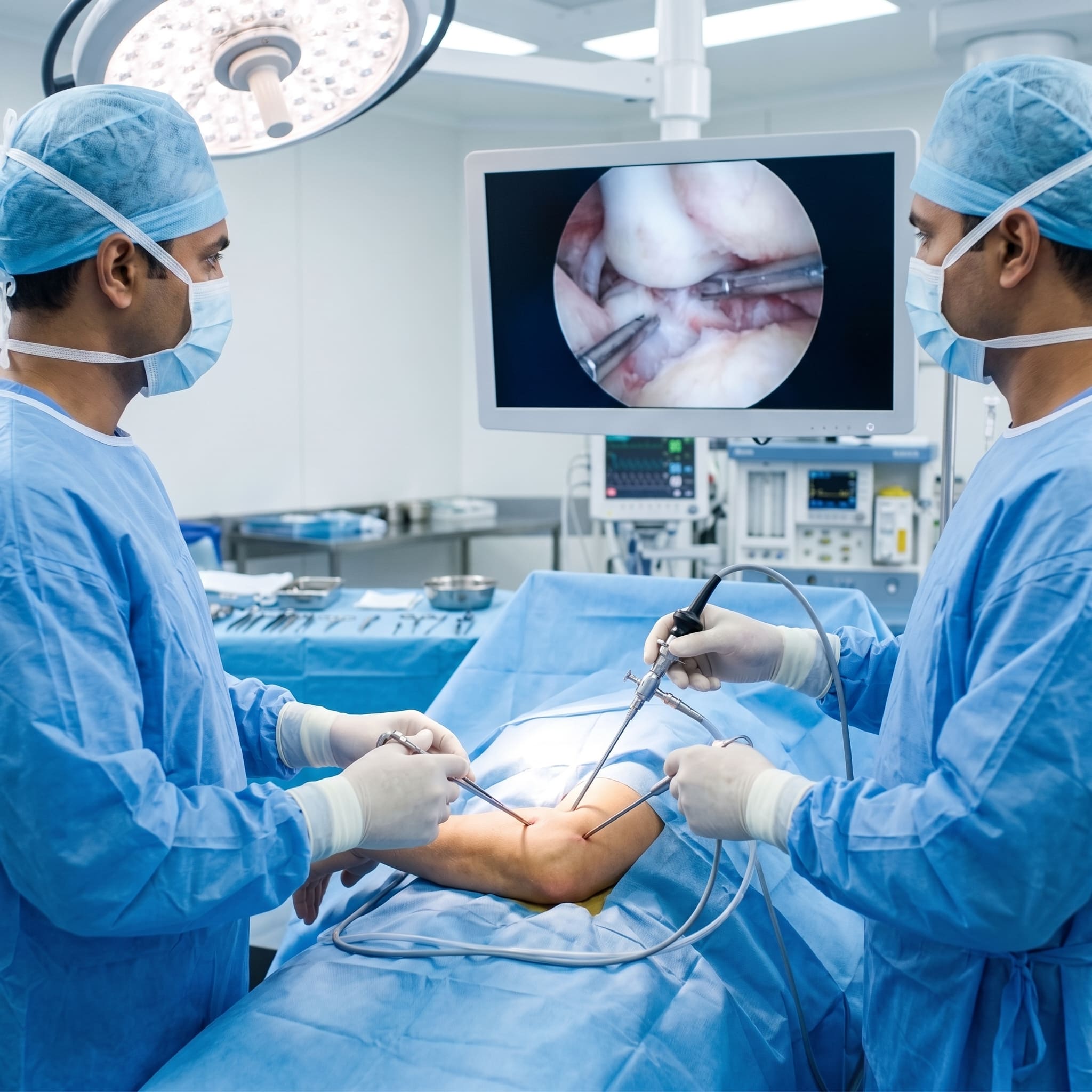
The most common surgical procedures for Ulnar Nerve Neuritis (Cubital Tunnel Syndrome) include:
Cubital Tunnel Release (Ulnar Nerve Decompression)
Relief of the tissue, compressing the ulnar nerve, increases the space around the nerve and decreases its pressure.
Ulnar Nerve Transposition
Careful relocation of the ulnar nerve to the front of the elbow helps to prevent its repeated stretching or compression with elbow flexing.
Medial Epicondylectomy
Sometimes, removal of a small piece of the medial epicondyle bone allows relieving the pressure on the ulnar nerve and improving its mobility around the elbow.
COMPLICATIONS
What are the Possible Complications of Ulnar Nerve Neuritis (Cubital Tunnel Syndrome)?
Despite the success of many treatments, complications might occur in case of neglect of the Ulnar Nerve Neuritis (Cubital Tunnel Syndrome). Early diagnosis, timely treatment and adherence to the rehabilitation program allows minimizing the risk of the development of complications. Follow up appointments help to control the recovery and optimize the outcomes.
Persistent Numbness and Tingling
Ongoing compression of the ulnar nerve may result in the persistent sensation of numbness or tingling in the ring finger and little finger.
Permanent Nerve Damage
Prolonged nerve compression might lead to the irreversible nerve injury.
Hand Weakness and Muscle Wasting
Untreated compression of the ulnar nerve might cause gradual weakening of the hand muscles, reduced grip strength and visible muscle wasting.
Reduced Hand Function
Difficulty in gripping, pinching, writing, typing and performing other fine motor functions might occur due to the insufficient recovery of nerve function.
Connect with our experts and get the right guidance for your condition.
RECOVERY & OUTCOMES
What is the Recovery Process after Treatment for Ulnar Nerve Neuritis (Cubital Tunnel Syndrome)?

RECOVERY & OUTCOMES
What is the Recovery Process after Treatment for Ulnar Nerve Neuritis (Cubital Tunnel Syndrome)?
The recovery process depends on the degree of nerve compression, duration of symptoms, and treatment used. The patients, who are not treated surgically, usually improve gradually with the help of rehabilitation. Surgical treatment requires the strict compliance with rehabilitation program aimed at restoring the nerve function, muscle strength and elbow mobility. Early rehabilitation and follow-up are critical for obtaining the best outcomes.
The recovery process after the treatment of Ulnar Nerve Neuritis (Cubital Tunnel Syndrome) includes the following steps:
- Gradual relief of the symptoms caused by nerve compression and postoperative discomfort
- Gradual restoration of elbow and nerve mobility
- Exercises for the strengthening of the hand, wrist, forearm and upper limb muscles
- Physiotherapy for the restoration of nerve function, muscle strength and coordination
- Gradual resumption of work, sports and daily activities based on the recovery process
AFTERCARE
Recovery & Aftercare for Ulnar Nerve Neuritis (Cubital Tunnel Syndrome)
AFTERCARE
Recovery & Aftercare for Ulnar Nerve Neuritis (Cubital Tunnel Syndrome)
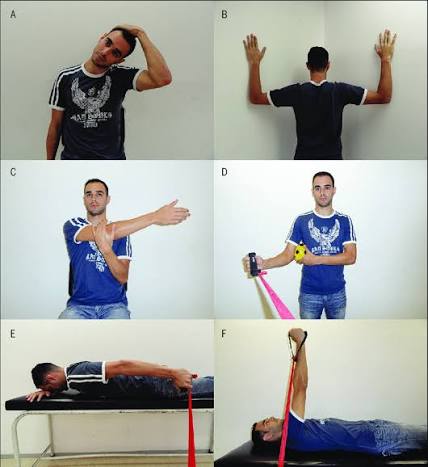
The successful recovery is possible thanks to the protection of the recovering nerve with compliance with the rehabilitation program. Performance of the recommended exercises, avoidance of the elbow bending and direct pressure on the elbow, and follow-up appointments help to maximize nerve recovery and minimize the risk of recurrence of symptoms. Rehabilitation is very important for full recovery of hand strength and function.
The following aftercare measures are recommended for successful recovery:
- Attendance of the physiotherapy sessions
- Performance of the prescribed nerve gliding and strengthening exercises regularly
- Avoidance of the prolonged elbow bending and direct pressure to the elbow during recovery
- Gradual return to work and daily activities avoiding the excessive strain
- Attendance of the scheduled follow-up appointments
FAQ'S
Do You Have Any Question?
Yes. Many patients with mild or moderate symptoms are able to improve with activity modification, night splinting, physiotherapy, nerve gliding exercises and rehabilitation program. Surgery is recommended in case of persistence of the symptoms and nerve damage.
Recovery period varies according to the degree of the nerve compression, treatment performed and individual healing. Your specialist will provide you with the individual rehabilitation program and estimate the recovery period.
Return to work and sport, or any other physically demanding activities depends on the improvement of the symptoms, hand strength, nerve recovery and successful rehabilitation. Your specialist will tell when it is safe for you to resume these activities.
Surgery for Cubital Tunnel Syndrome is the proven orthopaedic procedure and is generally safe when performed by the skilled specialists and accompanied by the proper rehabilitation program.
Yes. Symptoms might come back due to the new compression of the ulnar nerve or due to activities with the repetitive strain on the elbow. Compliance with the rehabilitation program, activity modification and follow-up help to reduce the risk of recurrence of symptoms.