
ARTHROSCOPY & SPORTS INJURY ASSOCIATES

OVERVIEW
What is Knee Ligament Reconstruction Treatment?
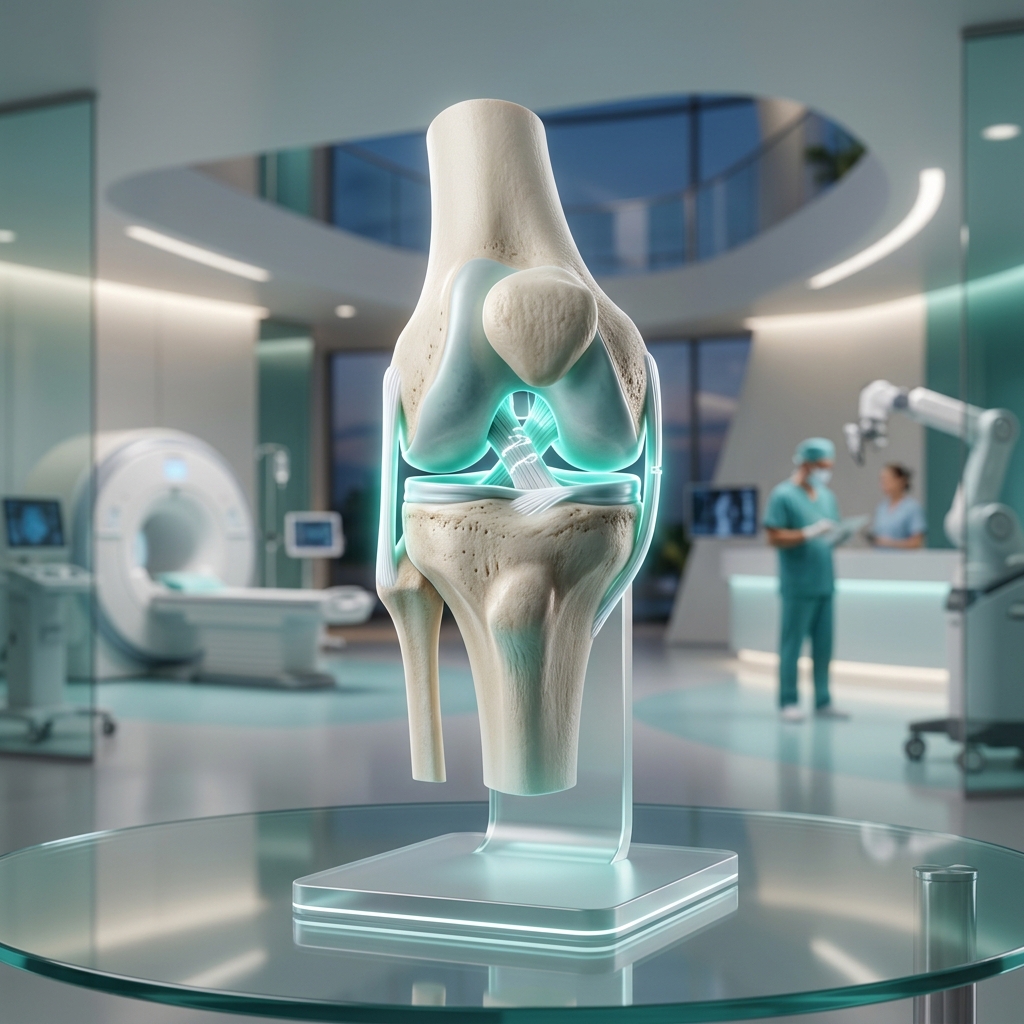
Knee Ligament reconstruction is a procedure for repairing and reconstructing injured ligaments that hold joints together. Ligament injuries usually occur in the knees, shoulders, ankles, or elbows and can lead to pain, weakness, and decreased mobility. In the surgical procedure, surgeons reconstruct the torn ligaments by using healthy grafts of tissues, which help in returning the joints back to their original condition.
Here are some key points to understand Ligament Reconstruction Treatment better:
- Ligaments connect bone structures to ensure joint stability and proper function.
- Treatment involves the transplantation of normal tissue to repair injured ligaments, providing joint stability.
- Early treatment can minimize the effects of joint instability and weakness.
- Appropriate rehabilitation is key for recovery and joint function.
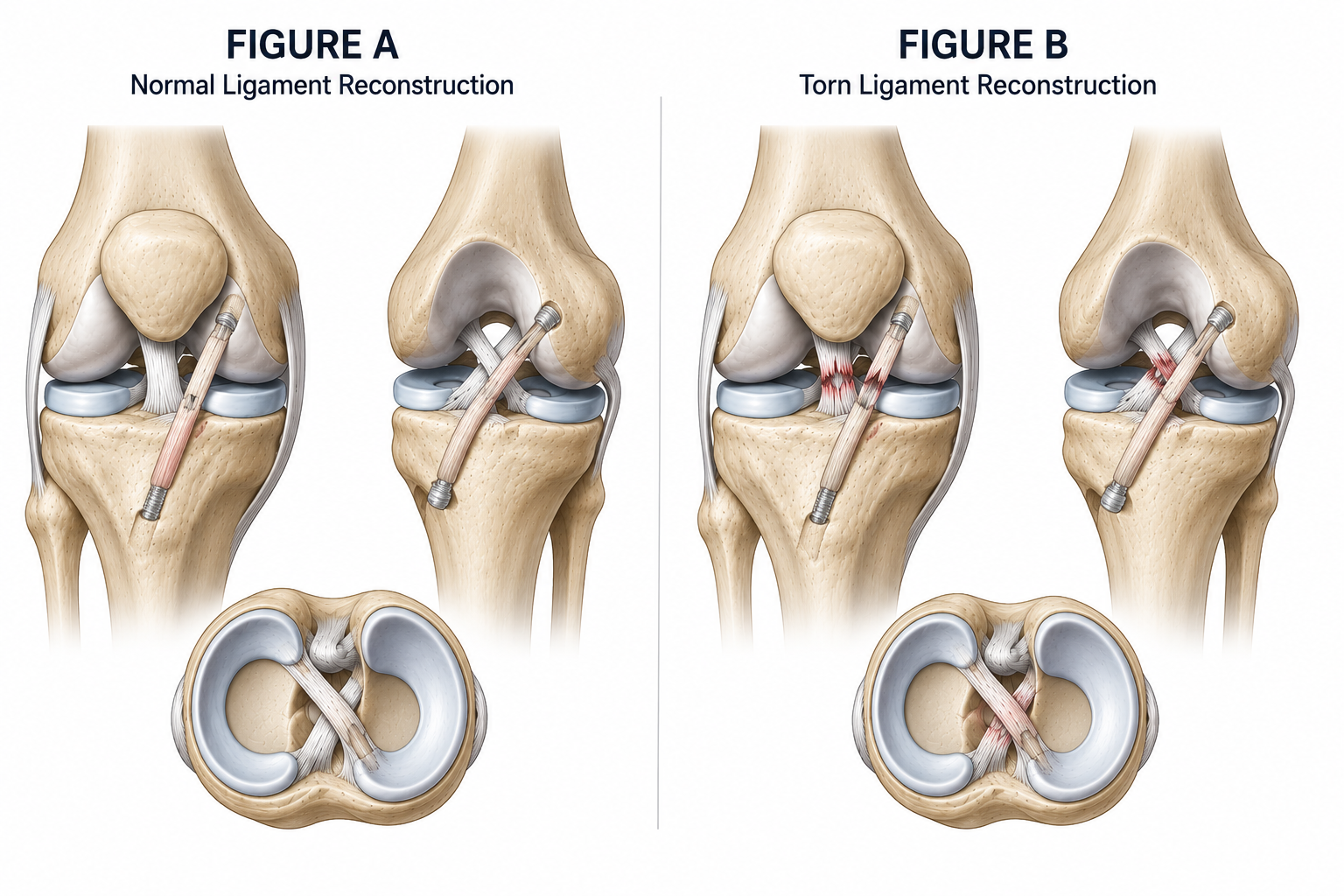
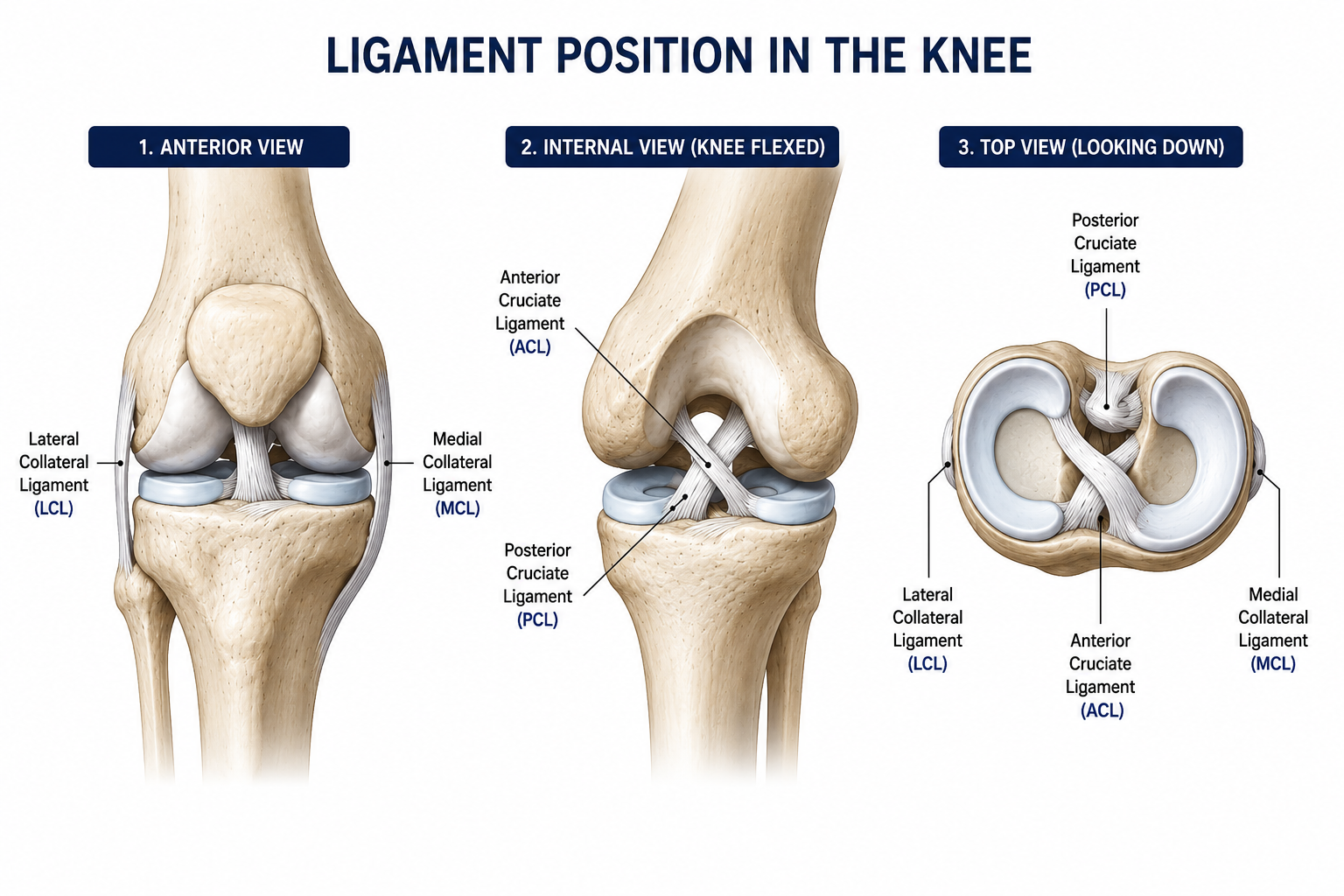
Knee Ligament reconstruction is a procedure for repairing and reconstructing injured ligaments that hold joints together. Ligament injuries usually occur in the knees, shoulders, ankles, or elbows and can lead to pain, weakness, and decreased mobility. In the surgical procedure, surgeons reconstruct the torn ligaments by using healthy grafts of tissues, which help in returning the joints back to their original condition.
Here are some key points to understand Ligament Reconstruction Treatment better:
- Ligaments connect bone structures to ensure joint stability and proper function.
- Treatment involves the transplantation of normal tissue to repair injured ligaments, providing joint stability.
- Early treatment can minimize the effects of joint instability and weakness.
- Appropriate rehabilitation is key for recovery and joint function.
Surgeons Available for Consultations

Dr. Karnav Panchal
M.B.B.S, M.S. (Orthopedics),
FAOS (South Korea)
Consultant Arthroscopist & Sports Injury Specialist Consultant Joint Replacement Surgeon

Dr. Aniket Gupta
M.B.B.S, M.S. (Orthopedics),
MRCS (Edinburgh)
Training & Qualifications Fellowship in MRCS (UK) Arthroscopy & Arthroplasty (Milan, Italy)
Consultant Physiotherapist

Dr. Aarsh Bhatt
B.P.T,M.P.T (Cardio-Respiratory Disorders) MIAP , HCPC (UK) , DHA (UAE)
Consultant Physiotherapist

Dr. Hetvi Dimothe
BPT , M.P.T (Rehabilitation) MIAP, HCPC (UK) , DHA (UAE)
Consultant Physiotherapist
Causes
What Causes Ligament Reconstruction Treatment?
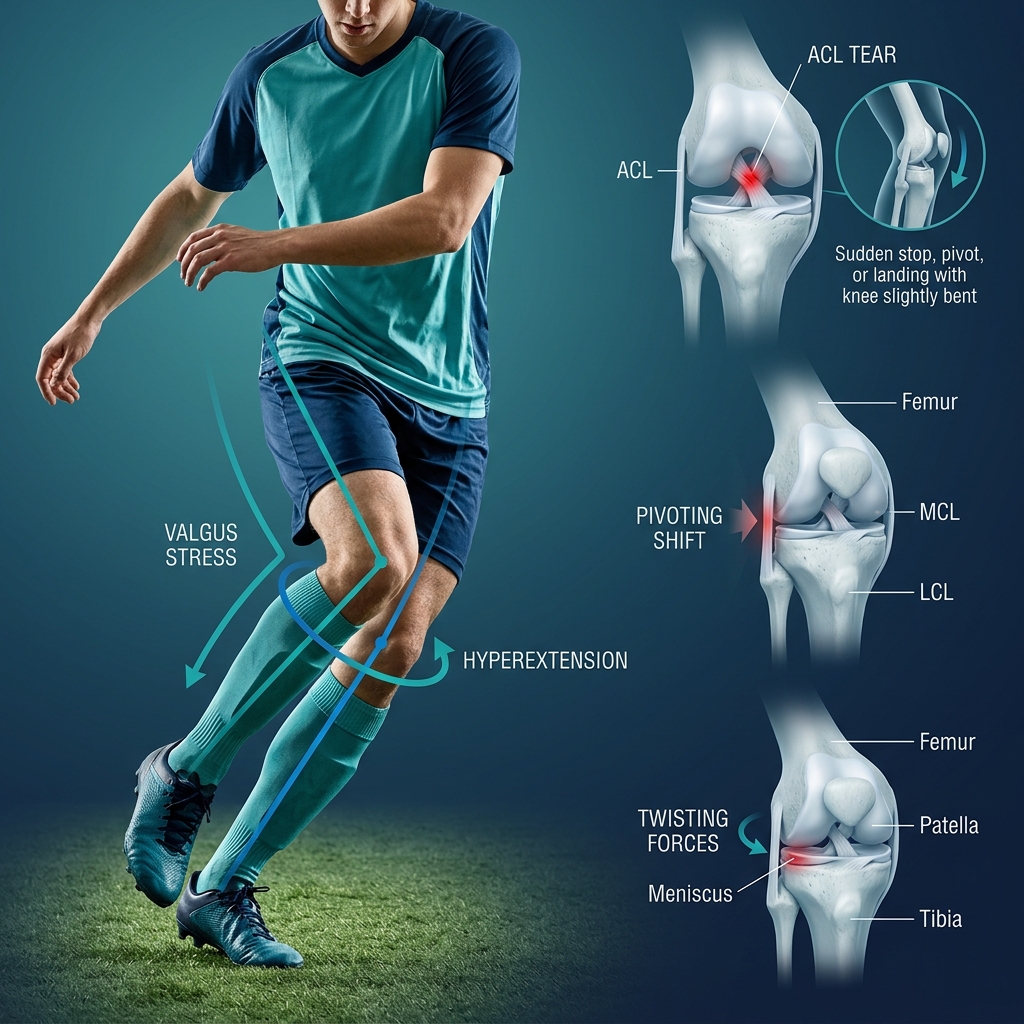
Reconstructive surgery of ligaments is generally performed when there is damage to the ligaments due to twisting, impact, physical activities, or extreme strain on the ligaments. In such instances, the patient suffers from instability and pain in the joints. They usually find it difficult to walk, bend, lift things, and perform everyday tasks. In some cases, surgery is performed to regain mobility and stability in the joint.
Causes
What Causes Ligament Reconstruction Treatment?
Reconstructive surgery of ligaments is generally performed when there is damage to the ligaments due to twisting, impact, physical activities, or extreme strain on the ligaments. In such instances, the patient suffers from instability and pain in the joints. They usually find it difficult to walk, bend, lift things, and perform everyday tasks. In some cases, surgery is performed to regain mobility and stability in the joint.
Ligament Reconstruction Treatment can occur due to the following activities:
- Injuries in sports are brought about by running, jumping, or sudden movements.
- Road traffic injuries impose excessive pressure or unusual twisting to joints.
- A fall while engaged in physical activities may lead to torn ligaments.
- Excessive joint strain through demanding jobs or strenuous exercise causes joint degeneration.
- Incorrect techniques for landing can cause sudden joint instability and ligament injuries.
What Other Structures Can Be Affected Along with a Ligament Injury?
Ligament injuries often occur alongside muscle injuries, cartilage tears, tendon damage, and other associated joint conditions. Inflammation, pain, and decreased range of motion may hinder the healing process and impair joint function. Failure to treat a ligament injury may cause additional stress on the bones and supportive structures, resulting in chronic pain and difficulty performing daily tasks.
- Surface damage to cartilage
- Muscle strains around the joint
- Tendon damage
- Joint capsule inflammation
- Bone stress
- Nerve irritation
SYMPTOMS
What Are the Symptoms of a Ligament Injury?
Symptoms of early ligament injury include swelling, pain, joint instability, and reduced flexibility. Ligament damage is common following participation in sporting activities or sudden twisting, falling or heavy physical activities.

Joint Instability
Damage to ligaments causes joint instability, which can result in painful joint movements.
Swelling
Inflammation in response to ligament damage results in swelling, stiffness, soreness, and discomfort in movement and daily activities.
Reduced Flexibility
Damage to ligaments leads to reduced joint bending and movement.
Connect with our experts and get the right guidance for your condition.
Sudden Sharp Pain
Torn ligaments cause sharp pain when moving and during physical activity.
Joint Instability
Ligament damage weakens joint stability and affects balance and movement during activities.
Clicking Sensation
An unusual clicking sensation when bending the joints or moving them is experienced by some individuals.
Difficulties Moving
Pain in the joint and joint instability make it difficult to walk, exercise, lift or engage in physical activities.
Connect with our experts and get the right guidance for your condition.
BOOK CONSULTATIONDIAGNOSIS
How Does a Doctor Diagnose a Ligament Injury?
DIAGNOSIS
How Does a Doctor Diagnose a Ligament Injury?
Symptoms, injury history, and joint examination are usually the first steps in the diagnosis process carried out by medical practitioners. The doctor will consider symptoms such as pain, swelling, joint movement, and joint stability when conducting the examination. However, imaging studies or scans might be required for the diagnosis of ligament damage, as well as its intensity. This allows early diagnosis of the condition and ensures that proper treatment is provided to the patient, which enhances their recovery and reduces future complications like joint instability or tissue injury.
Diagnosis of Ligament Reconstruction Treatment:
- Physical examination that focuses on joint movement, swelling, joint stability, and ligament integrity.
- Imaging studies that determine ligament ruptures and identify injuries to the nerves, tissues, and bones.
- MRI
- CT Scan
TREATMENT
What is the Treatment for Knee Ligament Reconstruction?
Management of ligament reconstruction depends on the severity of the condition, joint health, level of activity, and general well-being. Minor damage may be managed through physical therapy; however, major injuries will require surgical intervention and rehabilitation management.
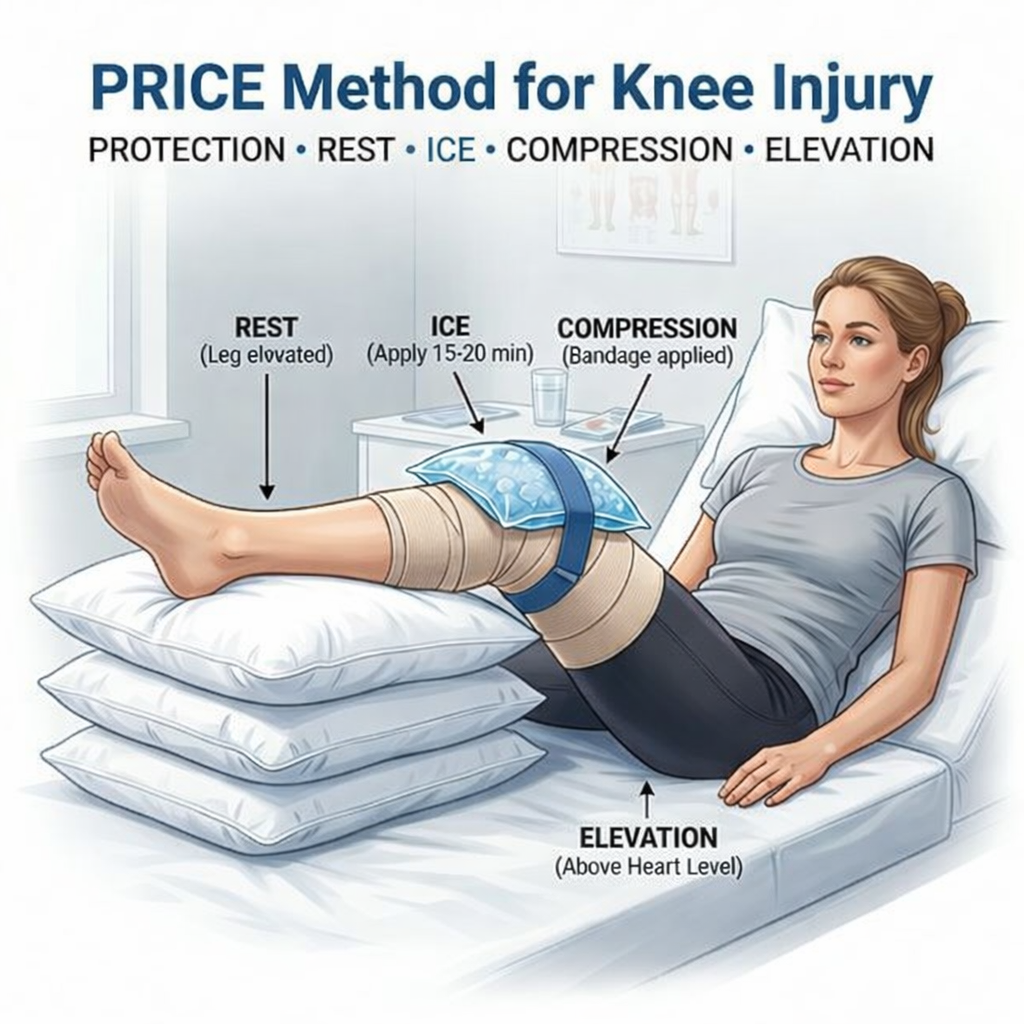
Early medical attention reduces risk of complications, facilitates fast recovery, and restores joint integrity. Generally, doctors use an organized approach to management including a stepwise rehabilitation process similar to "PRICE".
P
Protection
Eliminates the risk of additional stress to the joint
R
Rest
Speeds up the tissue repair process
I
Icing
Decreases swelling and pain
C
Compression
Decreases swelling
E
Elevation
Promotes faster circulation
NON-SURGICAL CARE
How Is a Ligament Injury Treated without Surgery?
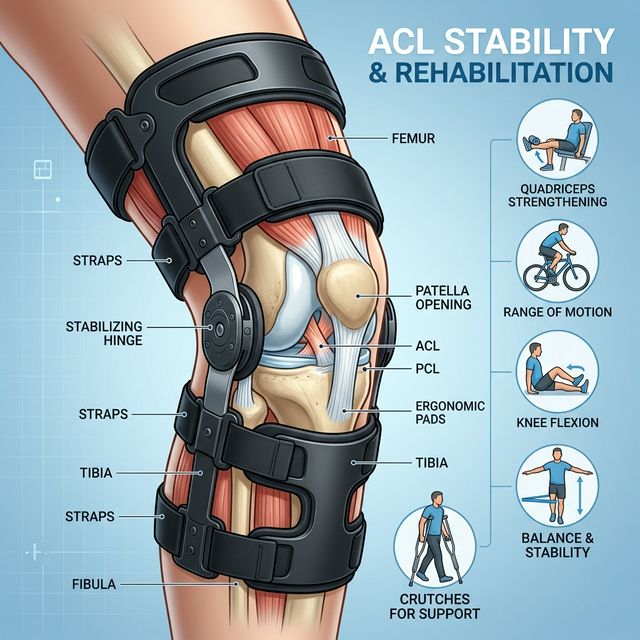
All ligaments do not require surgery to heal; most minor and partial injuries can be treated successfully without the aid of surgical procedures, especially when identified early enough. A number of people recover without surgery through proper rest, rehabilitation exercises, braces, pain medication, and a recovery program supervised by a doctor.
NON-SURGICAL CARE
How Is a Ligament Injury Treated without Surgery?
All ligaments do not require surgery to heal; most minor and partial injuries can be treated successfully without the aid of surgical procedures, especially when identified early enough. A number of people recover without surgery through proper rest, rehabilitation exercises, braces, pain medication, and a recovery program supervised by a doctor.
Some nonsurgical treatments for ligament injury include:
- The use of physical therapy exercise to improve muscle strength and mobility in joints while undergoing recovery.
- In some cases, the blood collected inside the knee may need to be removed using a needle.
- Adequate rest and modification of activities that may put additional strain on ligaments in the process of healing.
- Application of braces and compression wraps to provide extra joint stability and prevent further injury.
- The use of anti-inflammatory medication to alleviate inflammation and pain.
SURGERY
What is Ligament Reconstruction Surgery?
Injured ligaments that can no longer provide stability and mobility of the joint need to be reconstructed in the surgical operation to restore their functions, reduce pain, increase flexibility, and promote joint health. Most cases require the utilization of new tissue, taken from other parts of the body or even from a donor, to replace the torn ligaments and provide the necessary stability for the joint. Through correct therapy, the patient is able to perform normal tasks again without any discomfort after the operation.
The procedure of ligament reconstruction includes:
- Doctors first analyze the condition of the joint and plan an effective surgical reconstruction.
- The patient gets anesthesia before surgery; doctors make small incisions in the joint area.
- Doctors use two types of tissues – autograft and allograft.
- They remove damaged tissue from the ligaments and prepare the surrounding tissue for successful grafting.
- The surgeon grafts healthy tissue into the joint area effectively restoring its functioning.
- The doctor uses special instruments to secure the graft inside the joint.
- After the surgery, rehabilitation will help patients restore flexibility, movement and physical health.
SURGERY
What is Ligament Reconstruction Surgery?
Injured ligaments that can no longer provide stability and mobility of the joint need to be reconstructed in the surgical operation to restore their functions, reduce pain, increase flexibility, and promote joint health. Most cases require the utilization of new tissue, taken from other parts of the body or even from a donor, to replace the torn ligaments and provide the necessary stability for the joint. Through correct therapy, the patient is able to perform normal tasks again without any discomfort after the operation.
The procedure of ligament reconstruction includes:
- Doctors first analyze the condition of the joint and plan an effective surgical reconstruction.
- The patient gets anesthesia before surgery; doctors make small incisions in the joint area.
- Doctors use two types of tissues – autograft and allograft.
- They remove damaged tissue from the ligaments and prepare the surrounding tissue for successful grafting.
- The surgeon grafts healthy tissue into the joint area effectively restoring its functioning.
- The doctor uses special instruments to secure the graft inside the joint.
- After the surgery, rehabilitation will help patients restore flexibility, movement and physical health.
COMPLICATIONS
What are the Possible Complications of Ligament Reconstruction or Its Treatment?
The surgical procedure is usually successful but there may be complications that arise when one recovers or undergoes physical rehabilitation. Most complications are easily addressed through medical attention and undergoing physical therapy regularly. The complications mentioned above are necessary knowledge for patients to ensure that their recovery process is smooth.
Joint Stiffness
If there is a stiff joint, it may restrict the amount of movement in the affected area after a certain period of time.
Swelling and Pain
There are instances when people have swelling and pain due to their reconstructed joint even during their recovery period.
Reinjury of Graft
There are cases where too much strain on the body can injure the grafted ligaments that are still undergoing recovery.
Infection
The possibility of infection occurs and needs immediate attention.
Connect with our experts and get the right guidance for your condition.
RECOVERY & OUTCOMES
What is the Recovery Process after Ligament Reconstruction Treatment?
RECOVERY & OUTCOMES
What is the Recovery Process after Ligament Reconstruction Treatment?
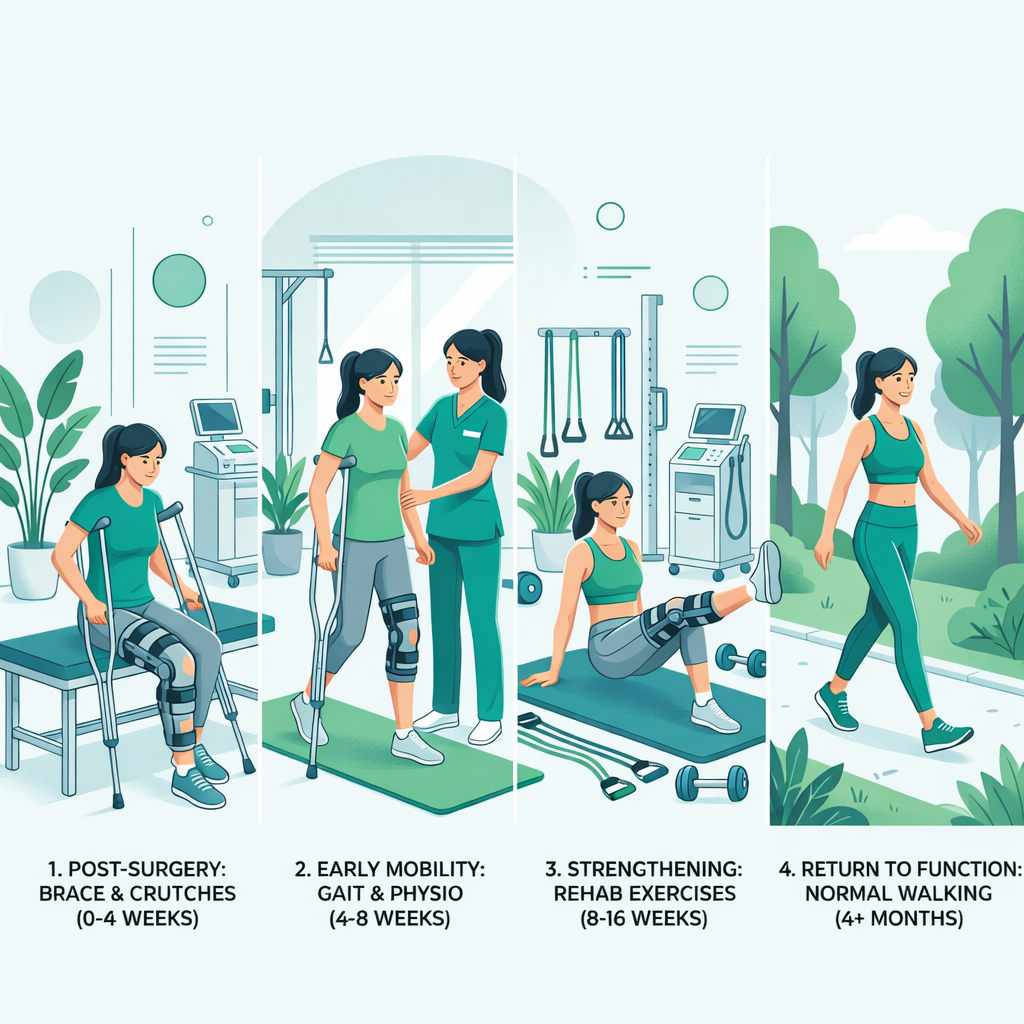
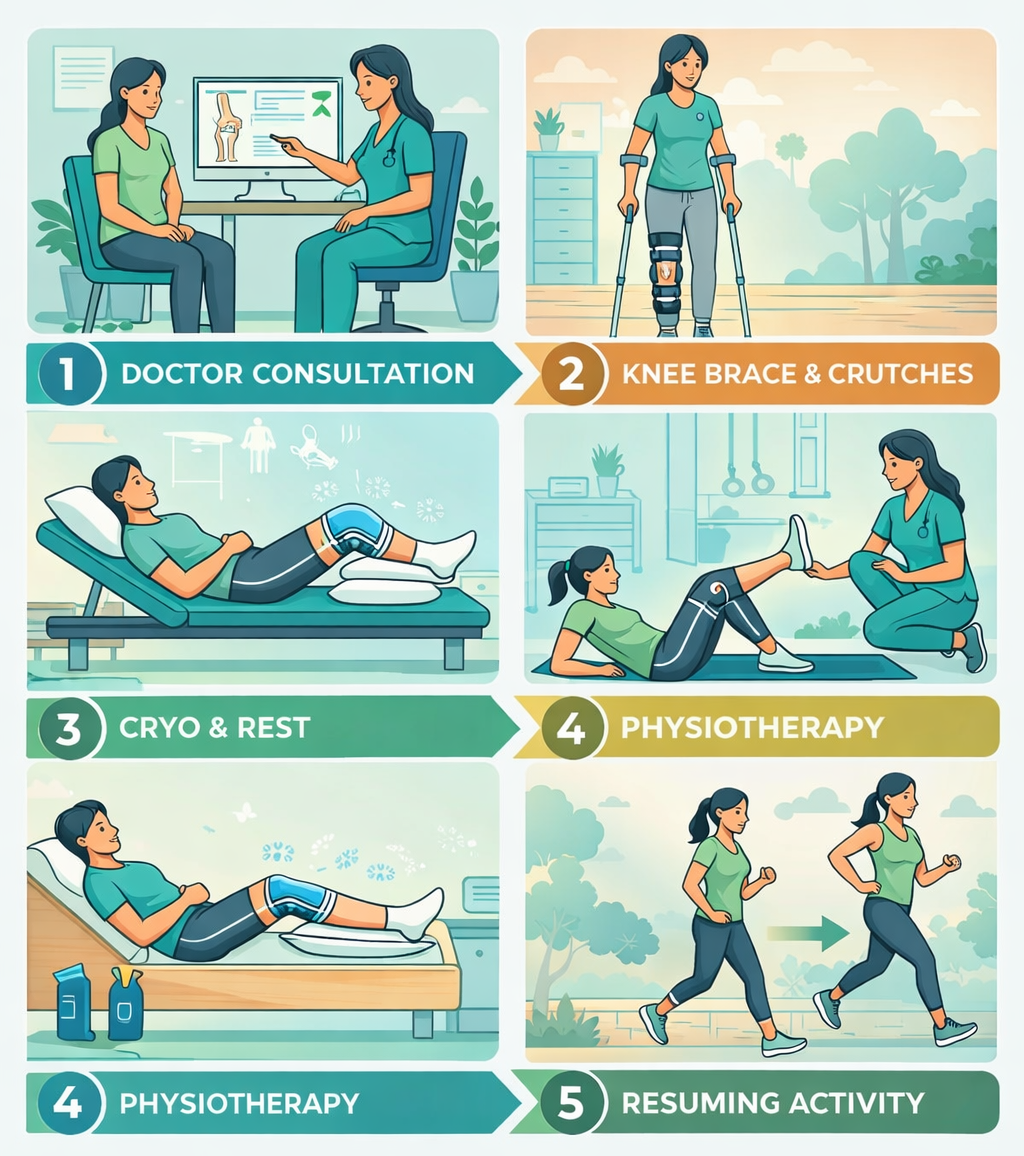
Recovery from ligament reconstruction usually requires patience, appropriate care, periodic checkups by physicians, and physiotherapy. Patients need to be very careful about following all recommendations during their recovery period in order to recover strength, range of motion, and stability of joints. The rate of recovery depends on the severity of the injury and type of treatment. Physiotherapy, physical activity under control, and other supportive methods will help patients avoid complications and achieve good results.
Some stages of recovery from ligament reconstruction include the following:
- Resting and joint protection in the beginning stages
- Improving range of motion through simple exercises
- Building the muscles around the joint using physiotherapy
- Follow-up appointments to track progress in healing
- Going back to normal activities slowly
AFTERCARE
Recovery & Aftercare for Ligament Reconstruction Treatment
AFTERCARE
Recovery & Aftercare for Ligament Reconstruction Treatment
Aftercare that is done correctly after having ligament reconstruction surgery can contribute significantly to smooth healing, stabilization, and recovery. It will be essential for patients to adhere strictly to the recommendations made during the rehabilitation process in order to prevent complications and gradually restore mobility without any discomfort. By regularly undergoing physiotherapy sessions and visiting their physicians, patients can effectively build strength in the muscles near the injured joint.
Steps that should be taken after treatment include the following:
- Following all the postoperative instructions strictly
- Supporting the joint using braces
- Attending physiotherapy sessions regularly
- Gradually increasing physical activities over time
- Keeping all the scheduled follow-ups
FAQ'S
Do You Have Any Question Please?
Recovery period varies based on the severity of the injury, choice of treatment, adherence to rehabilitation, and how well your body reacts post-treatment and recovery.
Ligament reconstruction surgery is usually considered safe with the help of experienced surgeons, effective rehabilitation, and proper follow-ups.
If the ligament injury leads to considerable instability, persistent pain, or no improvement due to conservative management techniques, surgery could become necessary.
Patients are able to walk once again thanks to physiotherapy and recovery guidance in the first phases of ligament reconstruction.
Physiotherapy is significant in regaining joint mobility, strengthening muscles, and minimizing stiffness.