ARTHROSCOPY & SPORTS INJURY ASSOCIATES

OVERVIEW
What is Joint Preservation?
Joint Preservation treatment involves a variety of methods used to preserve the natural shoulder joint and to postpone or avoid shoulder replacement surgery. This approach helps to maintain long-term shoulder health through early diagnosis and appropriate joint protection and rehabilitation. People who have early joint degeneration or cartilage damage are usually advised to undergo joint preservation therapy to improve shoulder performance.
Key advantages of Joint Preservation Treatment:
- Preserves natural shoulder joint function and mobility
- Helps to postpone or avoid shoulder replacement surgery when possible
- Ensures long-term shoulder health through early treatment
Joint Preservation treatment involves a variety of methods used to preserve the natural shoulder joint and to postpone or avoid shoulder replacement surgery. This approach helps to maintain long-term shoulder health through early diagnosis and appropriate joint protection and rehabilitation. People who have early joint degeneration or cartilage damage are usually advised to undergo joint preservation therapy to improve shoulder performance.
Key advantages of Joint Preservation Treatment:
- Preserves natural shoulder joint function and mobility
- Helps to postpone or avoid shoulder replacement surgery when possible
- Ensures long-term shoulder health through early treatment
Surgeons Available for Consultations

Dr. Karnav Panchal
M.B.B.S, M.S. (Orthopedics),
FAOS (South Korea)
Consultant Arthroscopist & Sports Injury Specialist Consultant Joint Replacement Surgeon

Dr. Aniket Gupta
M.B.B.S, M.S. (Orthopedics),
MRCS (Edinburgh)
Training & Qualifications Fellowship in MRCS (UK) Arthroscopy & Arthroplasty (Milan, Italy)
Consultant Physiotherapist

Dr. Aarsh Bhatt
B.P.T,M.P.T (Cardio-Respiratory Disorders) MIAP , HCPC (UK) , DHA (UAE)
Consultant Physiotherapist

Dr. Hetvi Dimothe
BPT , M.P.T (Rehabilitation) MIAP, HCPC (UK) , DHA (UAE)
Consultant Physiotherapist
Causes
What Causes Shoulder Joint Degeneration?
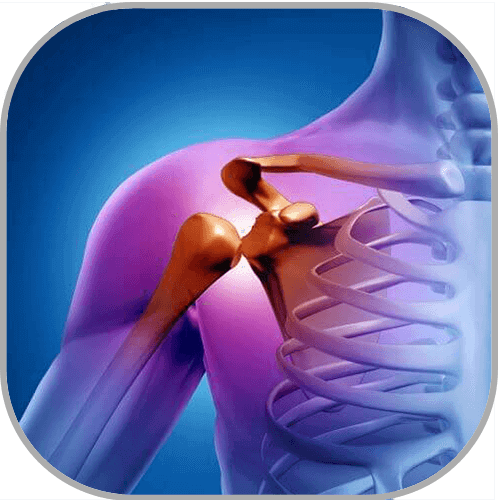
Shoulder degeneration involves the wearing out or dysfunction of various structures inside the shoulder. Aging is one of the most common factors, but injury, cartilage wear and tear, repetitive strain and some diseases are other contributing factors. With shoulder degeneration progressing, the joint loses ability to cope with the forces acting on it, which causes pain, stiffness, weakness and poor shoulder function.
Causes
What Causes Shoulder Joint Degeneration?
Shoulder degeneration involves the wearing out or dysfunction of various structures inside the shoulder. Aging is one of the most common factors, but injury, cartilage wear and tear, repetitive strain and some diseases are other contributing factors. With shoulder degeneration progressing, the joint loses ability to cope with the forces acting on it, which causes pain, stiffness, weakness and poor shoulder function.
Factors contributing to Shoulder Joint Degeneration:
- Age-related changes in cartilage and joints
- Prior injuries leading to persistent shoulder damage
- Repetitive shoulder movements increasing the strain
- Cartilage deterioration resulting in poor movement
- Certain chronic shoulder conditions
What other structures may be affected?
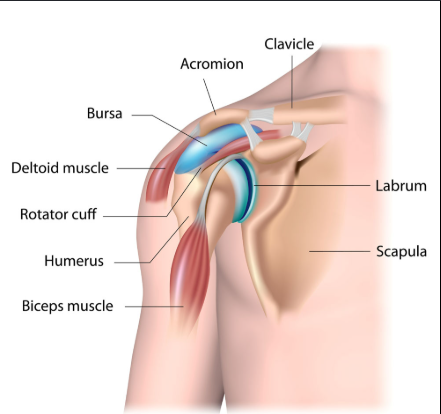
Along with the joint, shoulder degeneration may influence adjacent structures. Shoulder joint functions as an integrated structure, so shoulder degeneration may lead to damaging adjacent structures, depending on the severity of the problem. Cartilage, tendons, ligaments and muscle tissues may become weakened and irritated, causing pain, stiffness and poor shoulder performance.
- Articular cartilage surfaces
- Rotator cuff tendons
- Shoulder joint capsule
- Shoulder ligaments
- Surrounding shoulder muscles
- Glenoid joint surfaces
SYMPTOMS
What are the Symptoms of Shoulder Joint Degeneration?
Symptoms develop gradually and may progress over time. Common complaints include pain, stiffness, weakness and difficulties in carrying out routine activities.

Persistent Shoulder Pain
Pain may occur with shoulder movement, lifting, overhead activities or after performing certain actions with the shoulder.
Reduced Shoulder Mobility
Gradual decrease in mobility is possible.
Shoulder Weakness
Degeneration of the shoulder structures results in decreased shoulder strength, making lifting difficult.
Neglect of the symptoms may result in further reduction in mobility and increase in pain.
Connect with our experts and get the right guidance for your condition.
Joint Stiffness
Stiffness may appear during shoulder movement.
Clicking Sensations
One may experience clicking or grinding sensations.
Difficulty Carrying Out Activities
Routine activities become more difficult to perform.
Decreased Shoulder Performance
Poor performance of the shoulder joint during activities.
Connect with our experts and get the right guidance for your condition.
BOOK CONSULTATIONDIAGNOSIS
How Do Doctors Diagnose Shoulder Joint Degeneration?
During the first visit, doctors assess the presence of symptoms, the patient's medical history and the impact of shoulder problems on everyday life. The physical examination includes mobility, strength, stability testing and the area where pain occurs. Imaging tests help to determine the state of the cartilage and degeneration. The comprehensive examination at ALIGN ASIA allows assessing the severity of shoulder degeneration and developing treatment plan.

DIAGNOSIS
How Do Doctors Diagnose Shoulder Joint Degeneration?
During the first visit, doctors assess the presence of symptoms, the patient's medical history and the impact of shoulder problems on everyday life. The physical examination includes mobility, strength, stability testing and the area where pain occurs. Imaging tests help to determine the state of the cartilage and degeneration. The comprehensive examination at ALIGN ASIA allows assessing the severity of shoulder degeneration and developing treatment plan.
Diagnostic tools:
- Physical examination of mobility, strength, stability and function of the shoulder joint
- Imaging tests to assess the state of the cartilage and degeneration
- X-ray
- MRI
TREATMENT
What is the Treatment for Shoulder Joint Degeneration?
Treatments depend on the degree of degeneration, the presence of symptoms, the patient's activity level and overall condition of the joint.
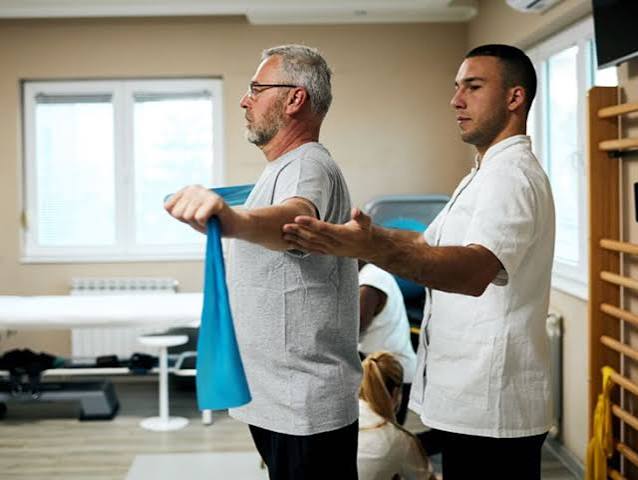
The early intervention allows protecting the shoulder joint, increasing its mobility and slowing down the symptoms. Rehabilitation, joint protection and preservation are used in the comprehensive treatment aimed to ensure shoulder function and joint health in the long term.
Pain Management
reduce pain and inflammation
Activity Modification
protect the joint
Physiotherapy
restore mobility and increase strength
Joint Protection
improve joint function
Preservation
maintain natural joint health
How is Shoulder Joint Degeneration Treated Without Surgery?
Many people manage to improve their condition without surgery. The goal of non-surgical treatment is to decrease pain, maintain mobility, build strength and protect the shoulder joint from further degeneration. Using physiotherapy, lifestyle changes, medications and rehabilitation program, you will be able to carry out daily activities and ensure your long-term health, postponing more complex treatment.
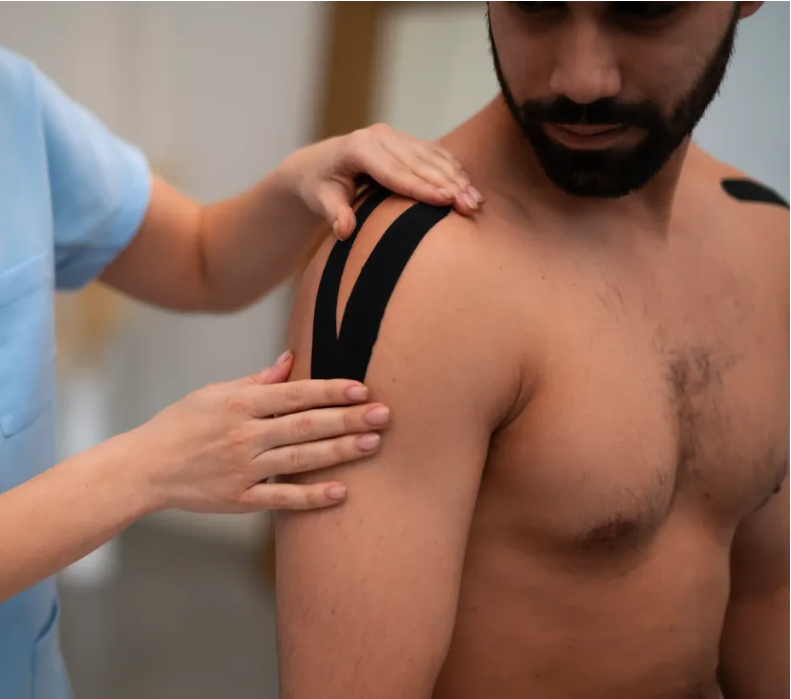
How is Shoulder Joint Degeneration Treated Without Surgery?
Many people manage to improve their condition without surgery. The goal of non-surgical treatment is to decrease pain, maintain mobility, build strength and protect the shoulder joint from further degeneration. Using physiotherapy, lifestyle changes, medications and rehabilitation program, you will be able to carry out daily activities and ensure your long-term health, postponing more complex treatment.
Options for non-surgical treatment:
- Physiotherapy programs to improve mobility, strength and function, reducing stress on the joint
- Activity modification to protect the shoulder joint
- Anti-inflammatory medications to relieve pain and facilitate rehabilitation
- Structured exercise program to improve flexibility, stability and performance
When is Joint Preservation Treatment Needed?
Degeneration of shoulder joint should not be ignored, as it may negatively affect mobility and quality of life. While many patients respond well to conservative treatment, some may require preservation-focused treatment due to persistent symptoms or progressive degeneration. Early evaluation will help to choose the optimal options before degeneration limits treatment options.
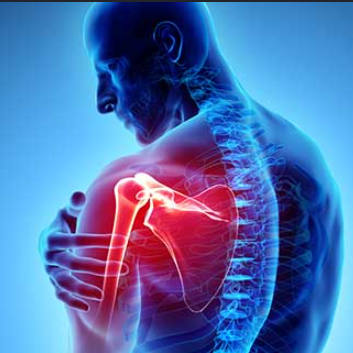
When is Joint Preservation Treatment Needed?
Degeneration of shoulder joint should not be ignored, as it may negatively affect mobility and quality of life. While many patients respond well to conservative treatment, some may require preservation-focused treatment due to persistent symptoms or progressive degeneration. Early evaluation will help to choose the optimal options before degeneration limits treatment options.
Timely treatment may help to preserve shoulder joint function, to improve mobility and decrease the risk of further problems.
- Degeneration may steadily decrease mobility and function of the joint
- Persistent shoulder pain may disrupt normal life and sleep
- Degeneration may influence shoulder strength and quality of movement
- Neglecting the problem may limit the preservation options
Preservation treatment may be required if symptoms persist despite the conservative treatment or degeneration progresses.
What Joint Preservation Treatments are Available?
Joint preservation aims to preserve the health of the natural shoulder joint, to improve its function and to reduce symptoms. The best treatment for each case depends on the severity of degeneration, symptoms and patient's goals. These treatments are used to protect the joint, improve mobility, decrease pain and ensure shoulder function and health while avoiding the shoulder replacement.
Treatments available:
- Physiotherapy to improve mobility, strength and shoulder function
- Arthroscopic procedures for specific conditions and tissue damage
- Cartilage preservation techniques for healthy joint surfaces
- Biological treatments in case of indication
- Correction procedures to improve joint mechanics
- Comprehensive rehabilitation for successful outcomes and preservation
What Joint Preservation Treatments are Available?
Joint preservation aims to preserve the health of the natural shoulder joint, to improve its function and to reduce symptoms. The best treatment for each case depends on the severity of degeneration, symptoms and patient's goals. These treatments are used to protect the joint, improve mobility, decrease pain and ensure shoulder function and health while avoiding the shoulder replacement.
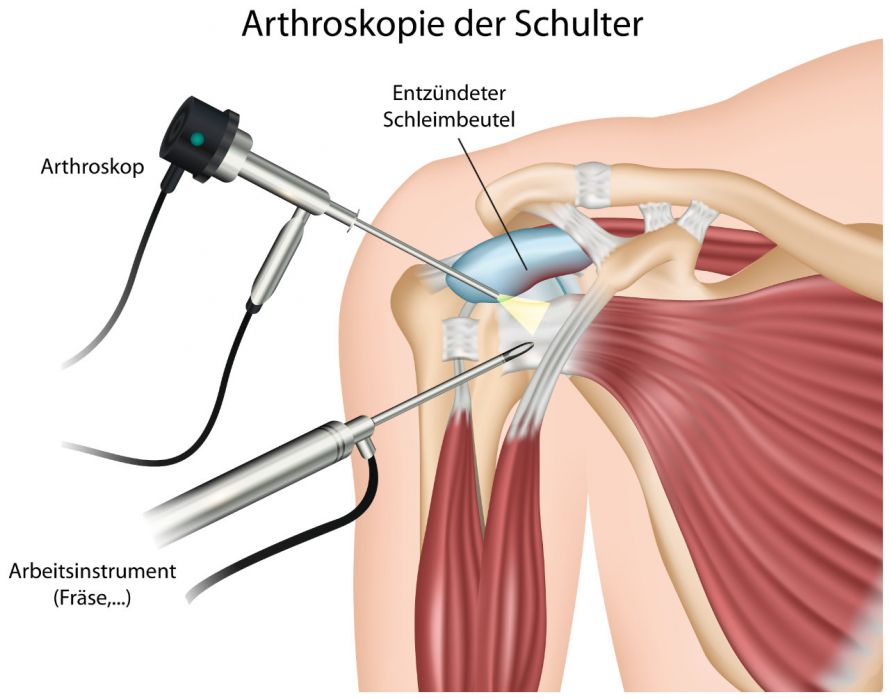
Treatments available:
- Physiotherapy to improve mobility, strength and shoulder function
- Arthroscopic procedures for specific conditions and tissue damage
- Cartilage preservation techniques for healthy joint surfaces
- Biological treatments in case of indication
- Correction procedures to improve joint mechanics
- Comprehensive rehabilitation for successful outcomes and preservation
What are the Possible Complications of Shoulder Joint Degeneration or Its Treatment?
Complications are rare, but may occur due to the progression of degeneration or during treatment. Most of them can be managed timely and effectively, if proper treatment is received. Timely treatment, regular follow-ups, compliance with rehabilitation program will allow decreasing the risks and ensuring the function and positive outcomes.
Progressive degeneration
more mobility and function loss
Persistent shoulder pain
affects the quality of life and sleep
Decreased shoulder mobility
limited mobility
Muscle weakness
reduced strength and stability
Connect with our experts and get the right guidance for your condition.
RECOVERY & OUTCOMES
What is the Recovery Process after Joint Preservation Treatment?
RECOVERY & OUTCOMES
What is the Recovery Process after Joint Preservation Treatment?
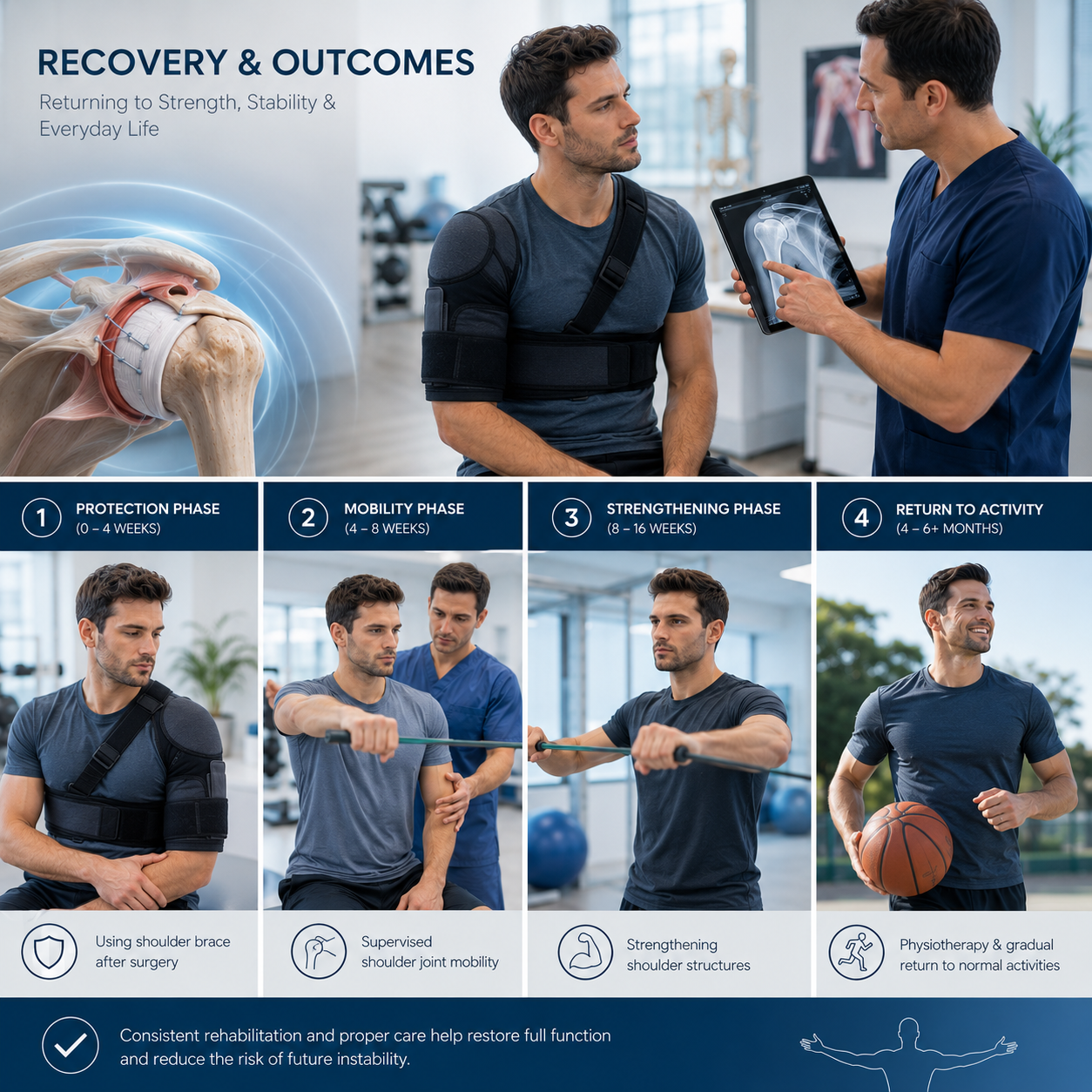
Recovery process is different depending on the type of treatment, severity of degeneration and individual healing. Rehabilitation is crucial for the restoration of mobility, strength and health of the shoulder joint. The recovery process aims to protect the joint, to reduce symptoms, to improve the function and to help the person to resume the daily activities.
Typical stages of recovery:
- Management of symptoms and protection of the shoulder
- Mobility exercises to restore mobility
- Strengthening of the surrounding muscles
AFTERCARE
Recovery & Aftercare for Joint Preservation Treatment
AFTERCARE
Recovery & Aftercare for Joint Preservation Treatment
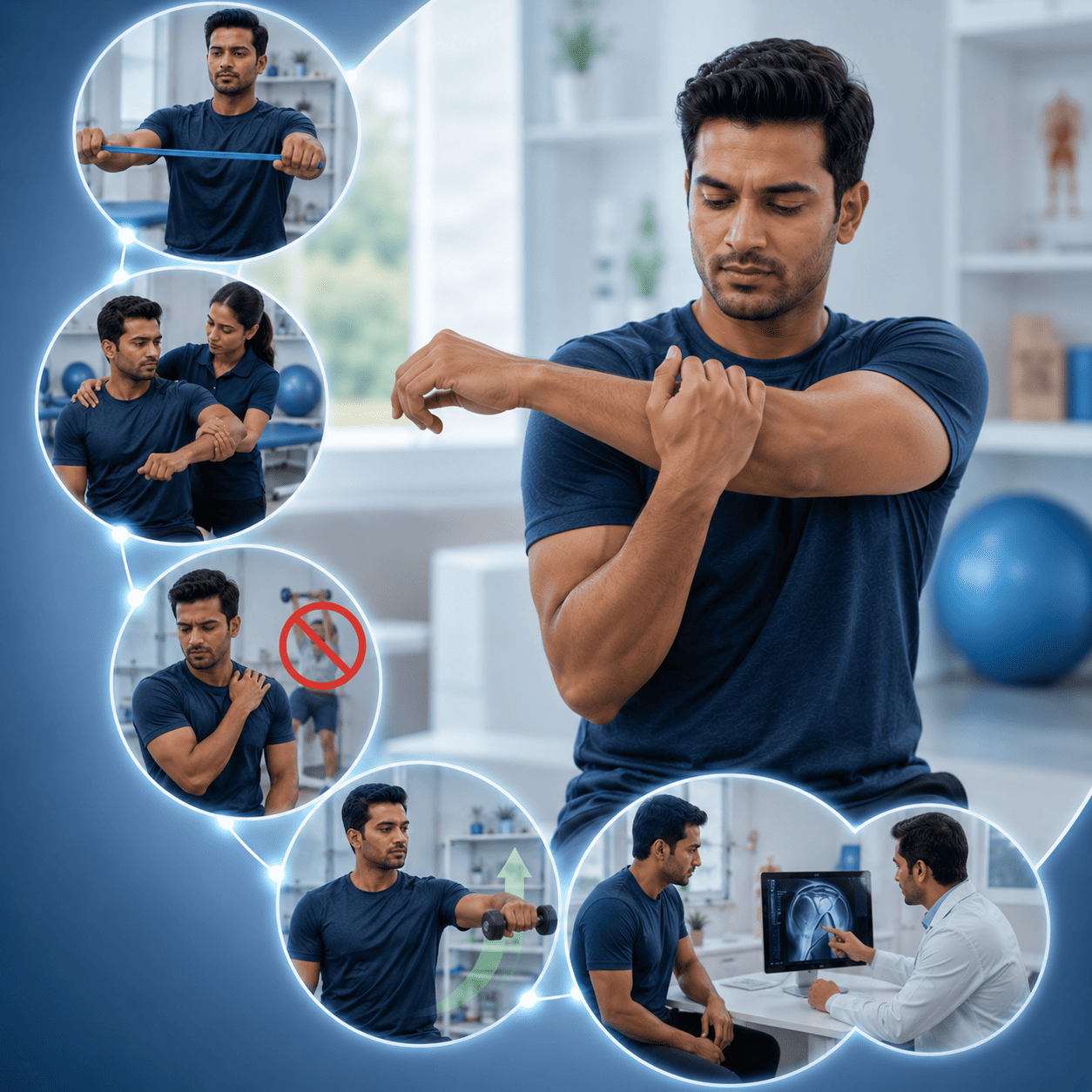
Proper aftercare plays a vital role for long-term outcome. Regular rehabilitation maintains shoulder mobility, builds the strength, protects the joint and prevents further degeneration. Adherence to the medical recommendations helps the healing process and safe return to usual activities.
Steps to be taken after the treatment:
- Consistency in rehabilitation
- Regular physiotherapy sessions
- Avoid movements that put a strain on the shoulders
- Gradually increase activity under guidance
FAQ'S
Do You Have Any Question?
Yes, joint preservation may help to postpone or avoid shoulder replacement surgery.
People with early or moderate degeneration of the shoulder joint.
No, there are many cases, when people manage to improve their condition using physiotherapy, medications and other non-surgical treatment.
Duration of recovery depends on the type of treatment, symptoms and the progress in rehabilitation.
Regular monitoring and rehabilitation help to slow down degeneration process.