
ARTHROSCOPY & SPORTS INJURY ASSOCIATES

OVERVIEW
What is Osteochondral Autograft Transfer?
This type of surgery refers to an operation performed to repair defects in cartilage and adjacent bone tissue inside a joint. As a result, the healthy bone and cartilage are transplanted from one joint to another non-weight bearing joint area. Such surgery is usually required by patients with cartilage injury, painful joints, swelling, and joint stiffness resulting in difficulties with moving freely. The treatment will help to enhance the quality of joint surfaces and ensure future mobility.
Here are some key points to understand Osteochondral Autograft Transfer better:
- Autologous osteochondral graft transfer provides an efficient repair for injured cartilage and bone tissue in patients’ joints.
- Cartilage tissue from healthy regions of a joint is harvested and transplanted to damaged areas of a joint precisely.
- It is essential because the method assists in increasing joint mobility considerably.
- Correct rehabilitation contributes greatly to recovery and joint restoration after surgery.
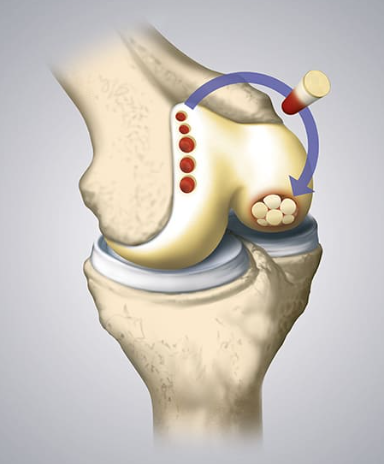
This type of surgery refers to an operation performed to repair defects in cartilage and adjacent bone tissue inside a joint. As a result, the healthy bone and cartilage are transplanted from one joint to another non-weight bearing joint area. Such surgery is usually required by patients with cartilage injury, painful joints, swelling, and joint stiffness resulting in difficulties with moving freely. The treatment will help to enhance the quality of joint surfaces and ensure future mobility.
Here are some key points to understand Osteochondral Autograft Transfer better:
- Autologous osteochondral graft transfer provides an efficient repair for injured cartilage and bone tissue in patients’ joints.
- Cartilage tissue from healthy regions of a joint is harvested and transplanted to damaged areas of a joint precisely.
- It is essential because the method assists in increasing joint mobility considerably.
- Correct rehabilitation contributes greatly to recovery and joint restoration after surgery.
Surgeons Available for Consultations
Dr. Karnav Panchal
M.B.B.S, M.S. (Orthopedics),
FAOS (South Korea)
Consultant Arthroscopist & Sports Injury Specialist Consultant Joint Replacement Surgeon

Dr. Aniket Gupta
M.B.B.S, M.S. (Orthopedics),
MRCS (Edinburgh)
Training & Qualifications Fellowship in MRCS (UK) Arthroscopy & Arthroplasty (Milan, Italy)
Consultant Physiotherapist

Dr. Aarsh Bhatt
B.P.T,M.P.T (Cardio-Respiratory Disorders) MIAP , HCPC (UK) , DHA (UAE)
Consultant Physiotherapist

Dr. Hetvi Dimothe
BPT , M.P.T (Rehabilitation) MIAP, HCPC (UK) , DHA (UAE)
Consultant Physiotherapist
Causes
What Causes Osteochondral Autograft Transfer?
This procedure is often suggested when there is damage to cartilage tissue as well as to the underlying bone caused by an injury or due to too much stress on joints. Sports injuries, repetitive physical stress, sudden trauma, joint instability, and wear on the joint cartilage can cause pain, swelling, and limitations in movements.
Causes
What Causes Osteochondral Autograft Transfer?
This procedure is often suggested when there is damage to cartilage tissue as well as to the underlying bone caused by an injury or due to too much stress on joints. Sports injuries, repetitive physical stress, sudden trauma, joint instability, and wear on the joint cartilage can cause pain, swelling, and limitations in movements.
Osteochondral Autograft Transfer can occur due to the following activities:
- Sports injuries that result in joint cartilage damage
- Repetitive physical stress while moving
- Sudden traumas to the joint
- Excessive strain on joints while engaging in sports
What Other Structures Can Be Affected Along with Osteochondral Autograft Transfer?
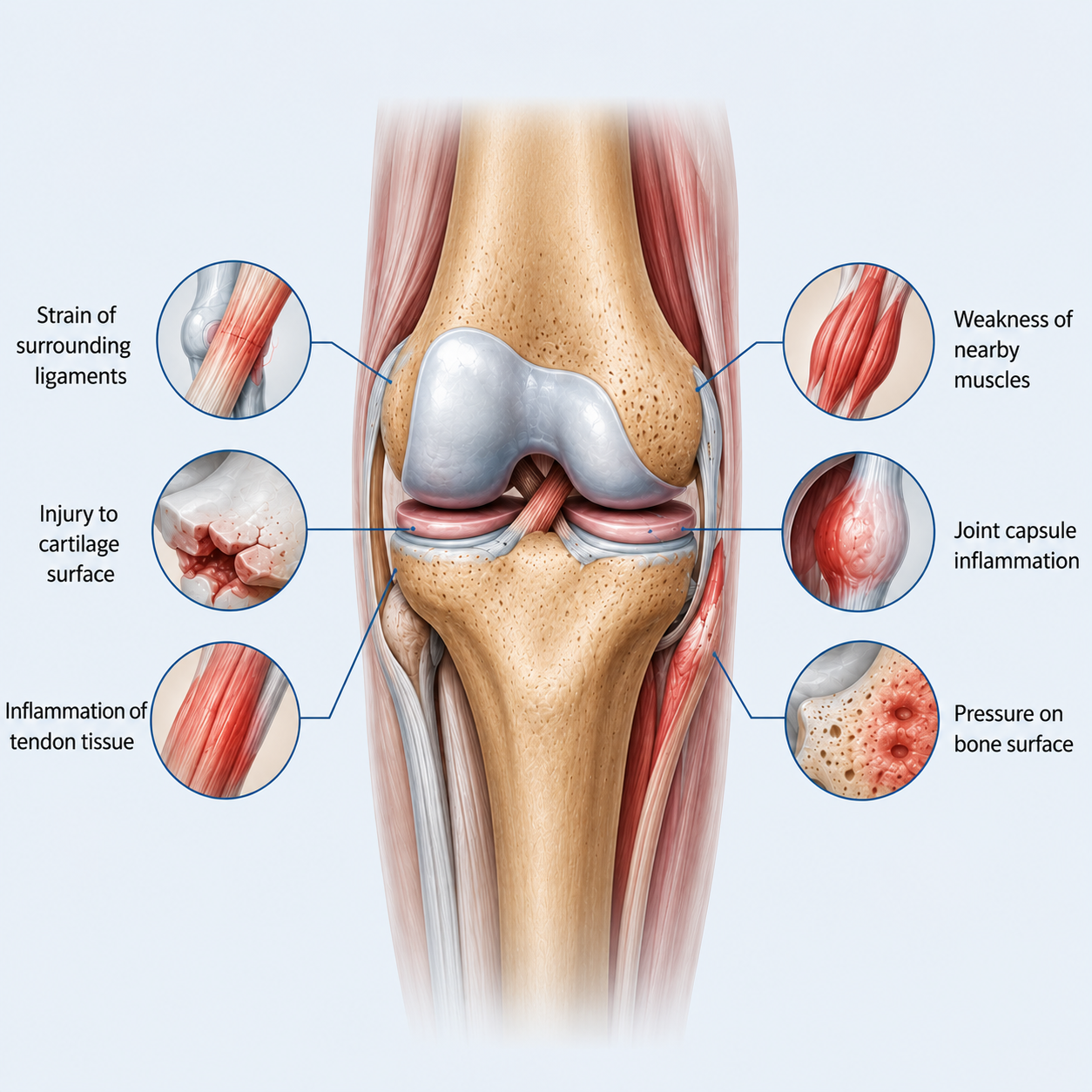
Other than cartilage and bone surface injuries, there is a risk of joint instability due to overloading or excessive pressure on the surrounding joints. There could be strain, inflammation, and weakening of ligaments, tendons, muscles, and other soft tissues surrounding the joint area, resulting in discomfort during any physical activity.
- Strain of surrounding ligaments
- Injury to cartilage surface
- Inflammation of tendon tissue
- Weakness of nearby muscles
- Joint capsule inflammation
- Pressure on bone surface
SYMPTOMS
What are the Symptoms of Osteochondral Autograft Transfer?
Common symptoms of early osteochondral autograft transfer include joint pain, joint swelling, joint stiffness, and difficulties with joint mobility while walking, bending, moving, and staying active or standing for extended periods.

Persistent Joint Pain
Damaged cartilage and bones surfaces may be responsible for joint pain during walking, bending, exercise, and performing other activities.
Joint Stiffness
Joints may become stiff, resulting in decreased joint flexibility and joint pain during regular activities.
Limited Joint Mobility
Joint stiffness and discomfort may gradually restrict mobility by limiting the ability to walk, bend, exercise, and move comfortably.
Swollen Joint
An inflamed joint will swell up and become tender when used during activities.
Neglecting symptoms can worsen joint cartilage damage and lead to further restriction of mobility and pain that may require surgical intervention.
Connect with our experts and get the right guidance for your condition.
Joint Weakness
Joints may lose strength due to discomfort and lead to discomfort during activity.
Joint Grinding
Joint grinding may occur when moving or bending joints while performing activities.
Joint Movement Issues
Walking, climbing, and other forms of activity may become difficult because of pain and stiffness.
Connect with our experts and get the right guidance for your condition.
BOOK CONSULTATIONDIAGNOSIS
How Does the Doctor Diagnose Osteochondral Autograft Transfer?
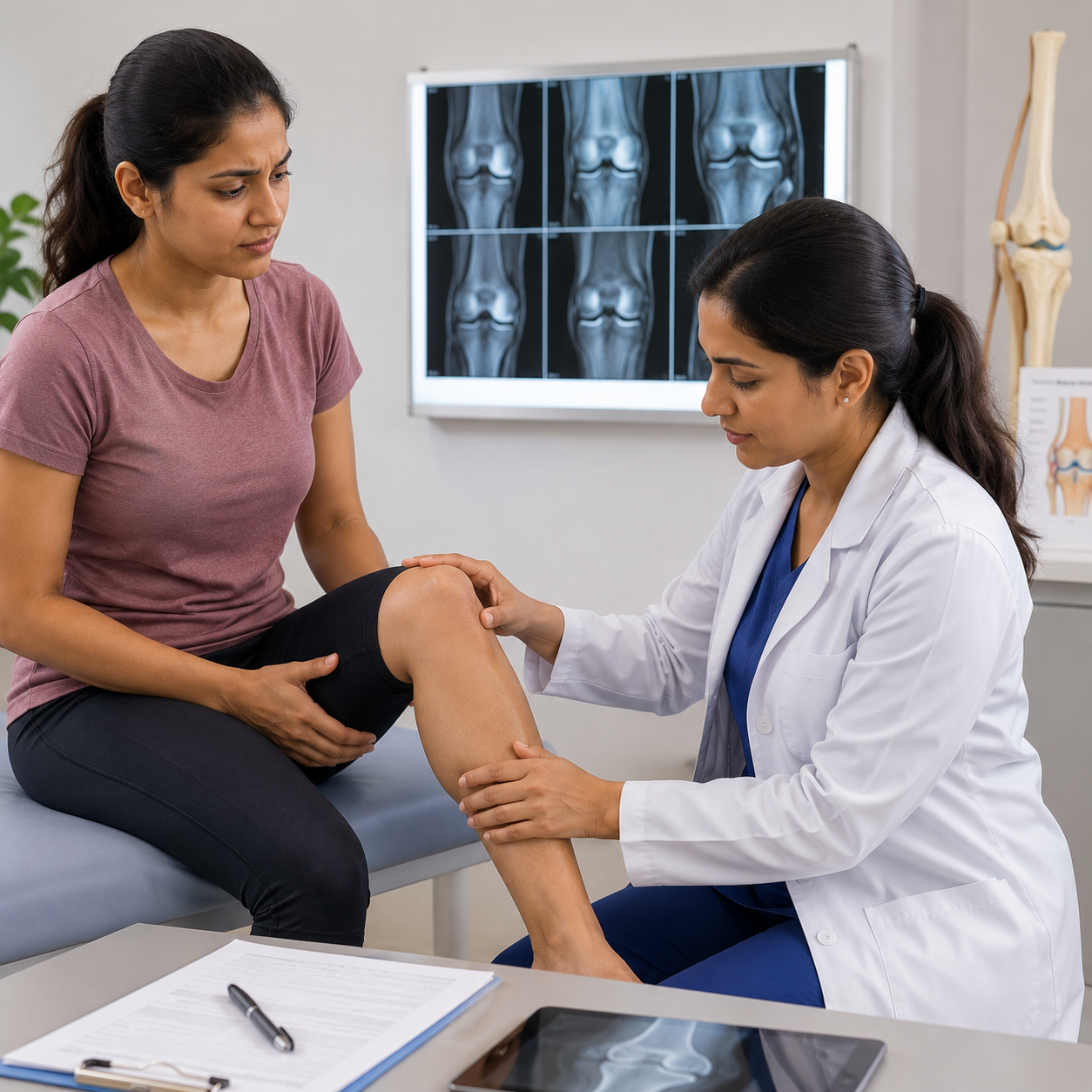
Diagnosis of any condition generally begins with discussion regarding symptoms experienced, a thorough analysis of the patient's health history and careful physical examination of the joint concerned. Physical examination involves evaluation of pain, inflammation, stiffness, restricted motion, and instability. Diagnostic testing is often required to ascertain bone and cartilage injuries as well as to determine the need for osteochondral autograft transfer surgery. Early detection of this condition allows early administration of appropriate treatment and helps improve prognosis, reduce joint instability, as well as prevent future difficulties with movement during athletic and everyday activities.
DIAGNOSIS
How Does the Doctor Diagnose Osteochondral Autograft Transfer?
Diagnosis of any condition generally begins with discussion regarding symptoms experienced, a thorough analysis of the patient's health history and careful physical examination of the joint concerned. Physical examination involves evaluation of pain, inflammation, stiffness, restricted motion, and instability. Diagnostic testing is often required to ascertain bone and cartilage injuries as well as to determine the need for osteochondral autograft transfer surgery. Early detection of this condition allows early administration of appropriate treatment and helps improve prognosis, reduce joint instability, as well as prevent future difficulties with movement during athletic and everyday activities.
The following diagnostic procedures can be used to diagnose Osteochondral Autograft Transfer Surgery:
- Detailed physical examination focuses on the motion and flexibility of the joint, presence of inflammation, and stability of the joint itself.
- Imaging tests will confirm cartilage injuries and detect complications in surrounding tissues.
- MRI
- X-ray
TREATMENT
What is the Treatment for Osteochondral Autograft Transfers?
The course of treatment using osteochondral autograft transfer relies on the severity of cartilage damage, joint stability, activity level, and general physical fitness. Mild conditions can be treated using therapy sessions and drug treatments while serious cases of cartilage injury require surgical intervention and rehabilitation following the process.
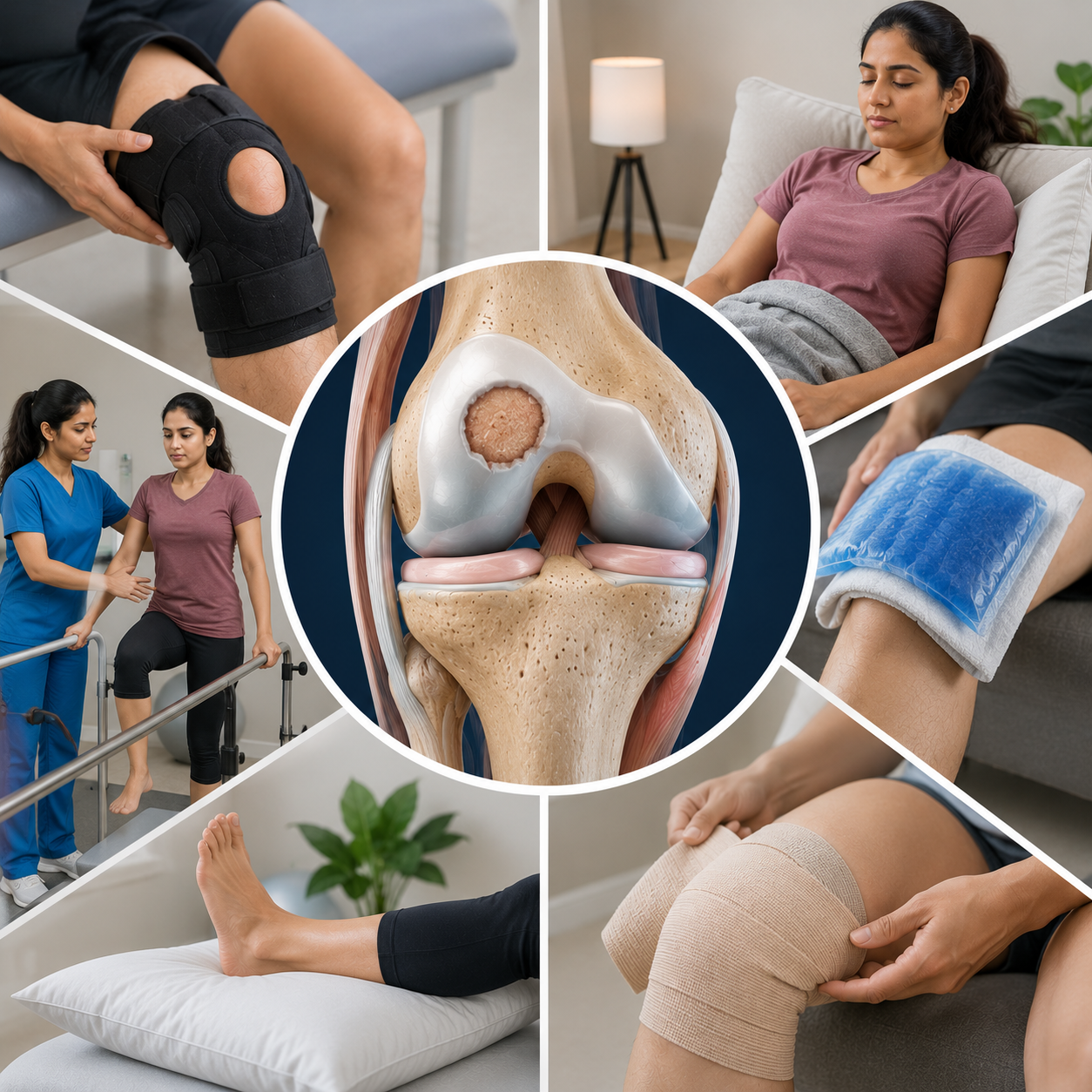
Timely medical attention minimizes complications associated with the condition, joint stabilization, and mobility. Medical professionals often follow a structured approach to addressing joint problems, with a basic technique known as PRICE used for rehabilitating and recovering after undergoing the surgery.
P
Protection
Minimizes additional joint stress
R
Rest
Facilitates painless healing of tissues
I
Ice Therapy
Prevents swelling and pain
C
Compression
Controls joint inflammation
E
Elevation
Enhances blood circulation in recovery
NON-SURGICAL CARE
How is Osteochondral Autograft Transfers Treated Without Surgery?
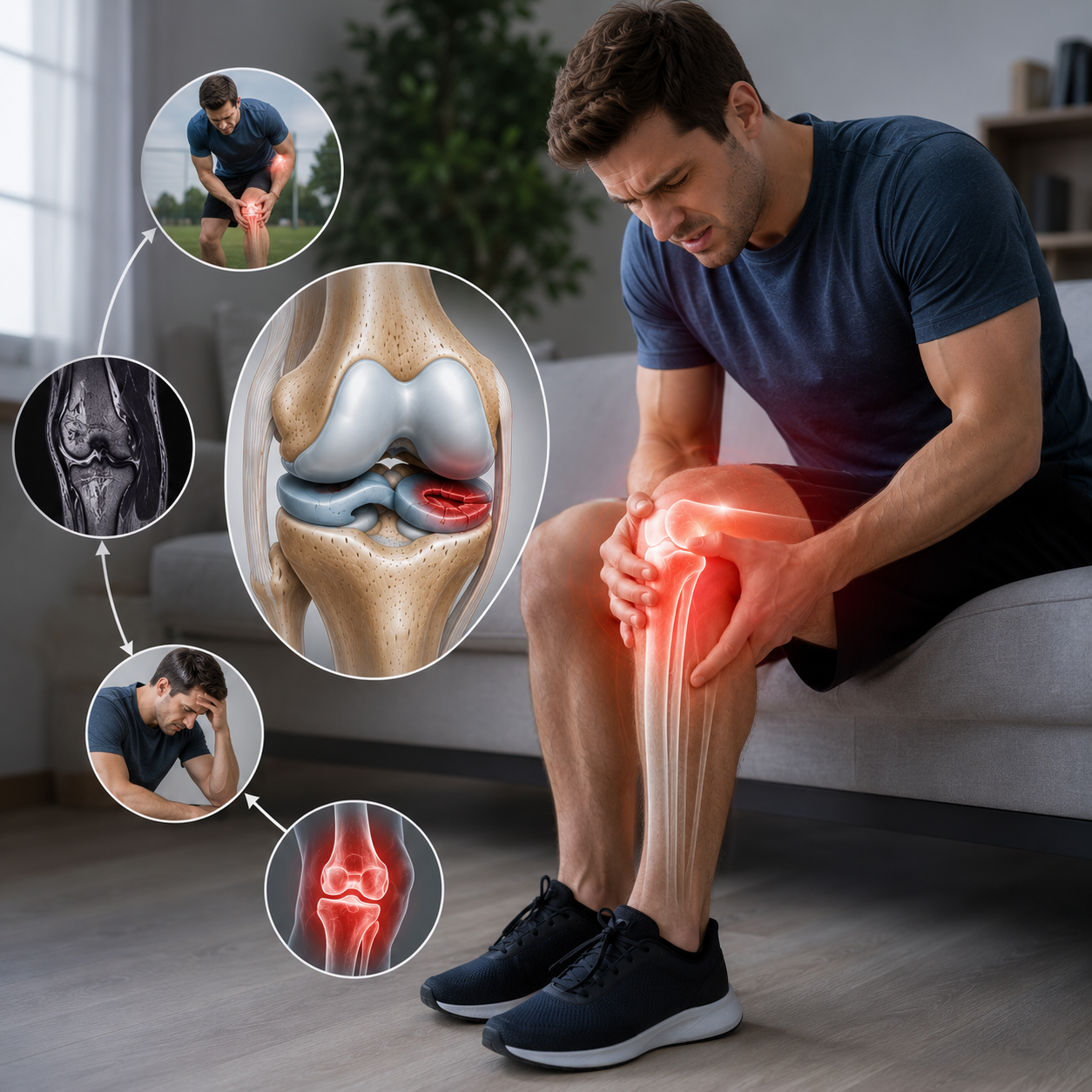
However, not all cases that require an osteochondral autograft transfer will need surgery, particularly when the patient has minor damage to the cartilage or early signs of joint problems. Many of the individuals who experience this condition often heal with adequate rest, physiotherapy exercises, braces, medications for pain relief, and rehabilitation treatment. Non-surgical interventions are focused on reducing joint pain, stabilizing the joint, improving mobility, and helping patients recover without surgical procedures.
NON-SURGICAL CARE
How is Osteochondral Autograft Transfers Treated Without Surgery?
However, not all cases that require an osteochondral autograft transfer will need surgery, particularly when the patient has minor damage to the cartilage or early signs of joint problems. Many of the individuals who experience this condition often heal with adequate rest, physiotherapy exercises, braces, medications for pain relief, and rehabilitation treatment. Non-surgical interventions are focused on reducing joint pain, stabilizing the joint, improving mobility, and helping patients recover without surgical procedures.
Non-surgical methods include:
- These exercises are designed to build strength around the injury area, increase mobility, and ensure that your joints are capable of moving freely.
- Rest and switching between different activities relieve stress on the affected cartilage, promoting healing.
- Orthopedic braces can ensure that your injured joints remain stable while doing different exercises, including walking.
- Some anti-inflammatory drugs can help alleviate inflammation, manage pain, and promote mobility.
RISKS OF NO TREATMENT
When Does Osteochondral Autograft Transfer Require Surgery?
RISKS OF NO TREATMENT
When Does Osteochondral Autograft Transfer Require Surgery?
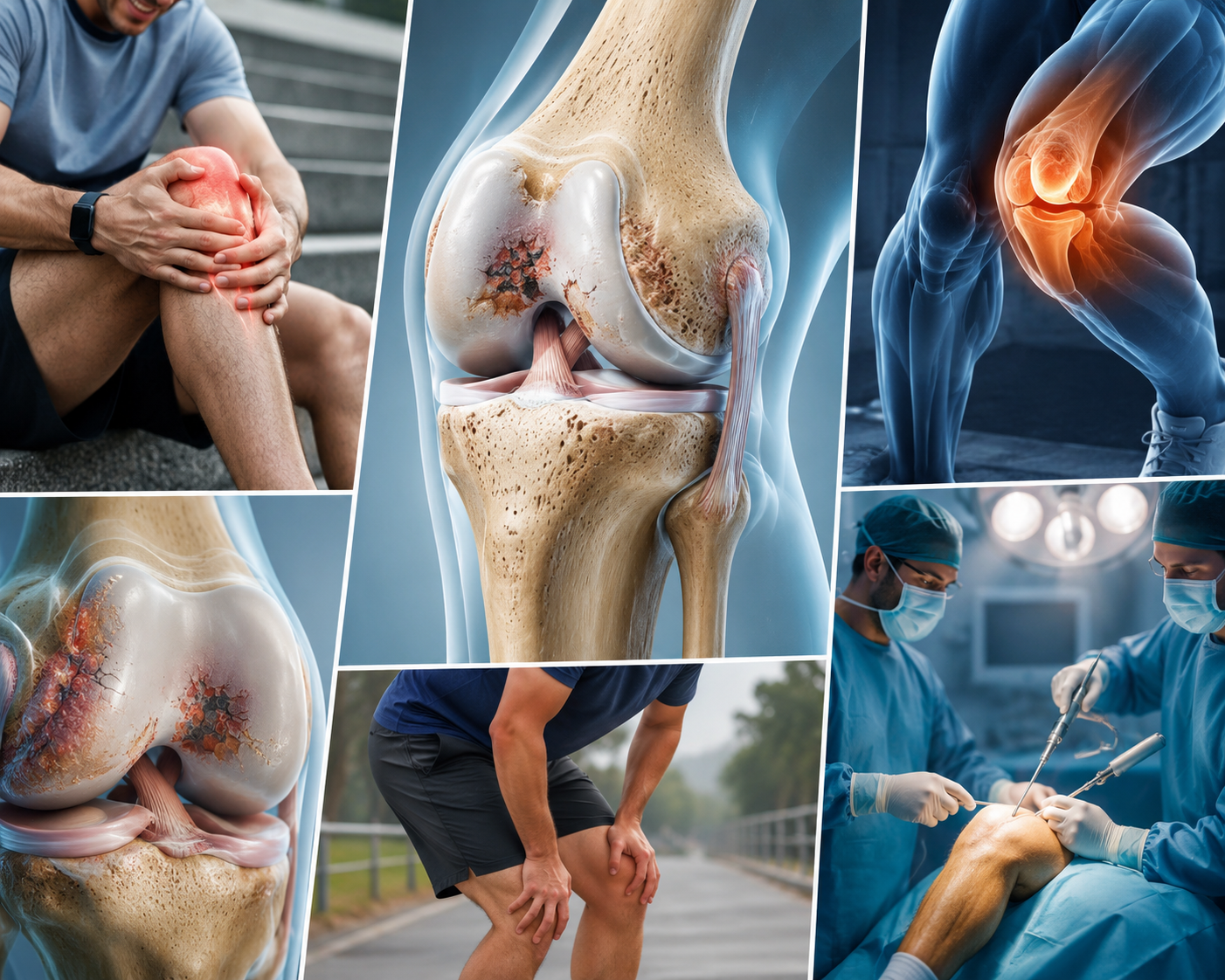
Neglecting cartilage injury will lead to an increase in joint pain, joint stiffness, joint swelling, and joint movement limitation in activities of daily living. Untreated, it will also extend the injury and cause instability of the affected joint, making it painful and less functional. Early examination by a physician assists in determining whether conservative treatment alone would suffice or surgical treatment would become necessary later.
Prompt treatment is crucial for preventing complications, faster rehabilitation, as well as joint stability preservation and movement ease.
- The lack of treatment may cause joint instability.
- It can result in additional cartilage injury.
- Pain will restrict your mobility.
- Severe cartilage damage often requires surgery.
SURGERY
What is Osteochondral Autograft Transfer Surgery?
This surgical procedure is performed to address damage to the cartilage and the underlying bones, ensure that the joint is stable, and facilitate smooth movement during activity. The surgical procedure is aimed at reducing joint pain and ensuring that the joint remains functional throughout life even when patients have cartilage damage making their movements difficult. Healthy cartilage and bone tissues are removed from one area of the patient’s joint and transferred to the damaged parts. When patients recover and receive rehabilitation procedures and physiotherapy, they gradually restore their range of motion, strength, and function.
The procedure for performing Osteochondral Autograft Transfer surgery involves the following:
- The surgeons first analyze the level of the cartilage damage and plan the surgery accordingly.
- General or local anesthesia is administered before the surgeons make incisions around the joint being repaired.
- There are two main procedures involving single and multiple plug.
- Some specialized instruments allow surgeons to check the cartilage for injuries during the minimal invasive procedure.
- The healthy bone and cartilage tissues are transplanted to promote healing.
- Throughout the whole process, surgeons protect the ligaments, tendons, and surrounding cartilage.
- The recovery process begins right after the surgery, gradually improving mobility, flexibility, and muscle strength.
SURGERY
What is Osteochondral Autograft Transfer Surgery?
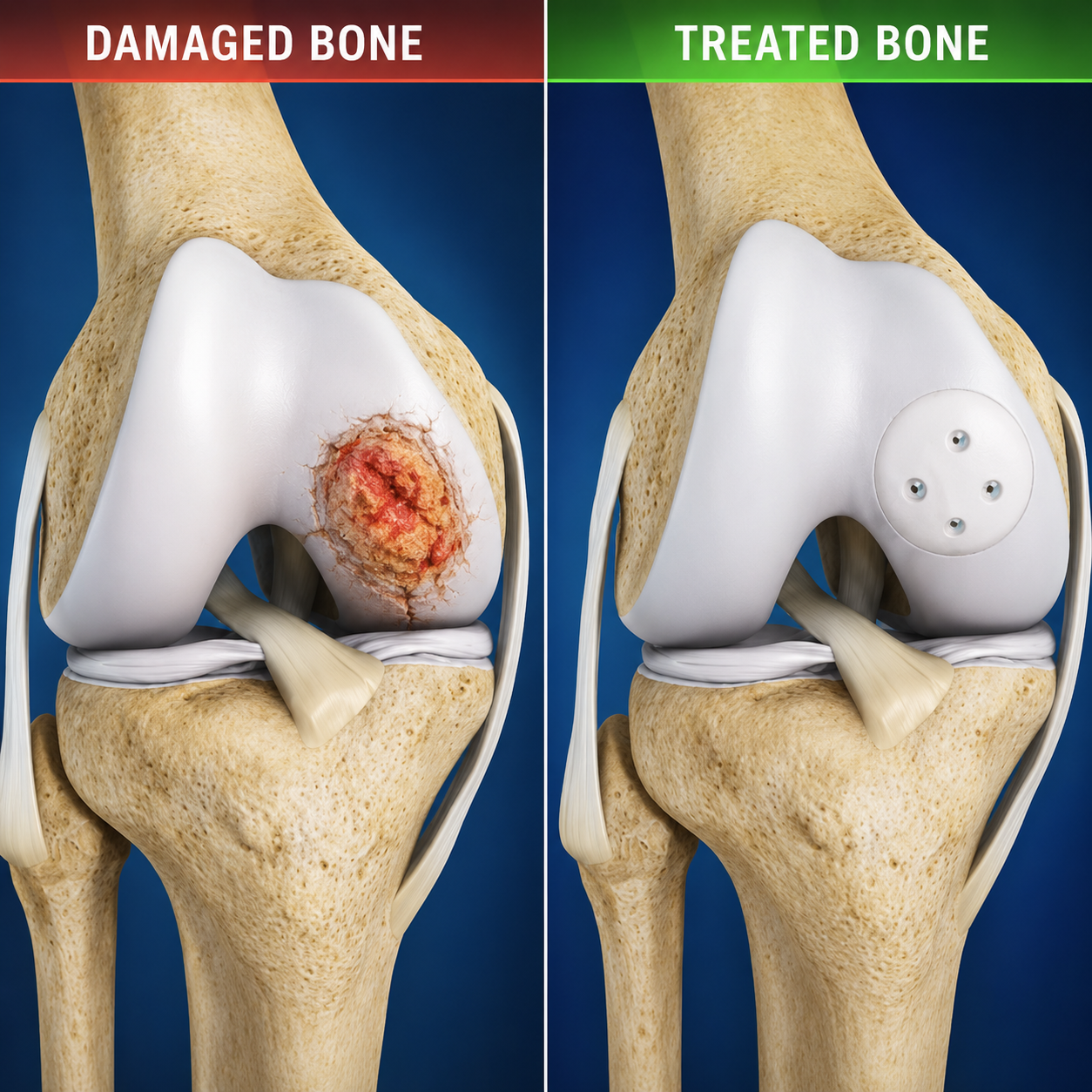
This surgical procedure is performed to address damage to the cartilage and the underlying bones, ensure that the joint is stable, and facilitate smooth movement during activity. The surgical procedure is aimed at reducing joint pain and ensuring that the joint remains functional throughout life even when patients have cartilage damage making their movements difficult. Healthy cartilage and bone tissues are removed from one area of the patient’s joint and transferred to the damaged parts. When patients recover and receive rehabilitation procedures and physiotherapy, they gradually restore their range of motion, strength, and function.
The procedure for performing Osteochondral Autograft Transfer surgery involves the following:
- The surgeons first analyze the level of the cartilage damage and plan the surgery accordingly.
- General or local anesthesia is administered before the surgeons make incisions around the joint being repaired.
- There are two main procedures involving single and multiple plug.
- Some specialized instruments allow surgeons to check the cartilage for injuries during the minimal invasive procedure.
- The healthy bone and cartilage tissues are transplanted to promote healing.
- Throughout the whole process, surgeons protect the ligaments, tendons, and surrounding cartilage.
- The recovery process begins right after the surgery, gradually improving mobility, flexibility, and muscle strength.
COMPLICATIONS
What are the Possible Complications of Osteochondral Autograft Transfers or Its Treatment?
Despite the safety and efficiency of osteochondral autograft transfer procedure, there are several complications that may arise during recovery and rehabilitation. Almost all the complications can be prevented or treated with appropriate medical care and regular follow-up visits. Awareness about potential complications allows patients to recognize signs of possible complications and ensure smooth recovery, improved joint stability, and mobility.
Chronic Joint Pain
The patient may continue to experience joint pain while moving despite undergoing treatment and rehabilitation procedures.
Joint Stiffness
The movement becomes more difficult due to joint stiffness and reduced flexibility.
Inflammation and Swelling
Continuous inflammation of the joint may lead to swelling and painful sensations in daily activity.
Delayed Cartilage Healing
Delays in the healing process reduce joint stability and recovery from the procedure.
Connect with our experts and get the right guidance for your condition.
RECOVERY & OUTCOMES
What is the Recovery Process after Osteochondral Autograft Transfers Treatment?
RECOVERY & OUTCOMES
What is the Recovery Process after Osteochondral Autograft Transfers Treatment?
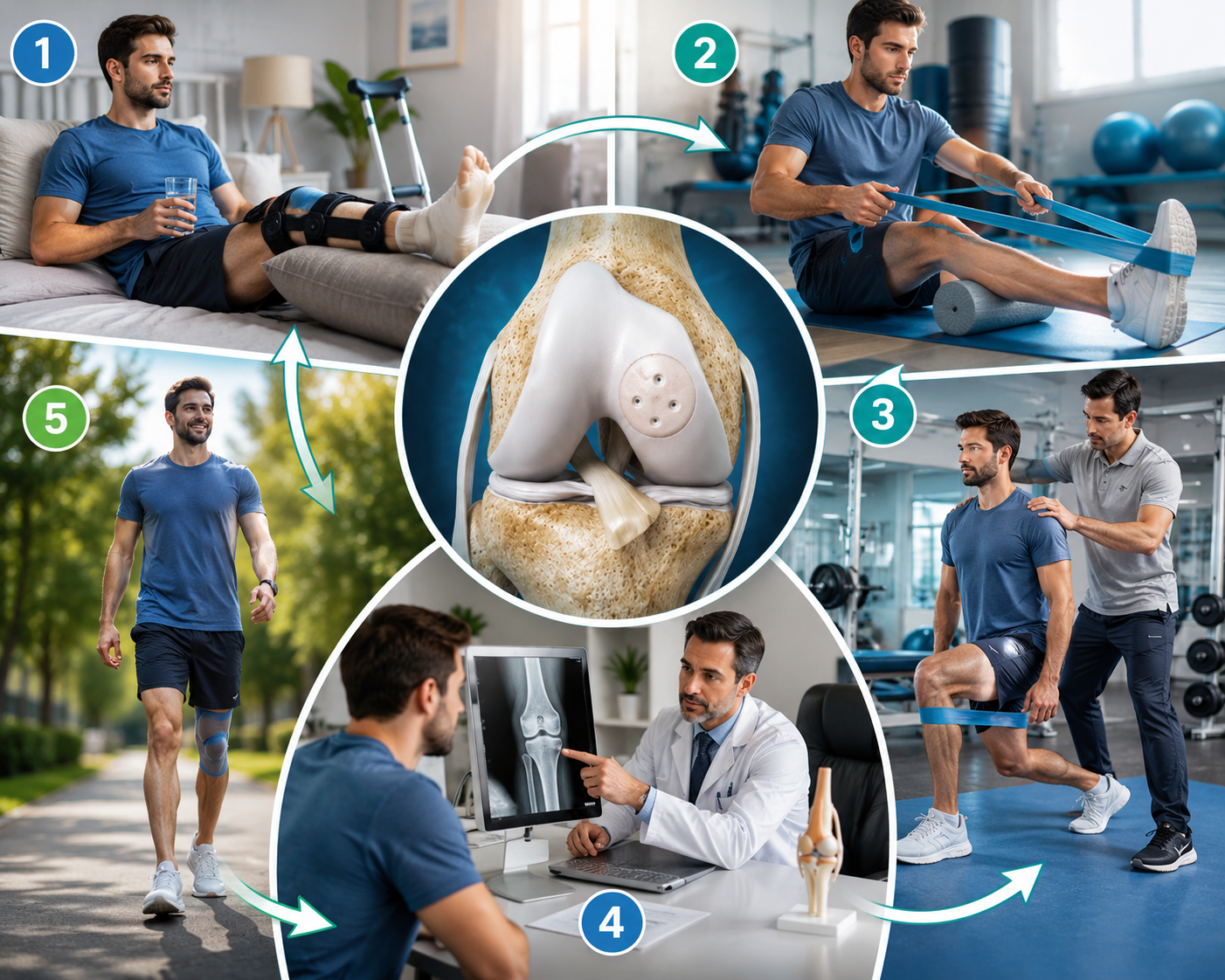
Recovery following Osteochondral Autograft Transfers typically requires careful attention to health, medical consultations, and physical therapy sessions. The patient must adhere to recommendations for joint recovery that will allow him to gradually strengthen it, make it flexible, and enable convenient joint movement. Recovery will depend on the severity of cartilage damage and on the treatment method used. Physical therapy, limited activity, and proper recovery management help minimize complications and enhance joint mobility, stability, and functionality.
The recovery procedure following Osteochondral Autograft Transfers involves the following stages:
- Initial resting and joint protection
- Gradual enhancement of movements through exercises
- Joint muscle strengthening through physical therapy sessions
- Periodical medical consultations
- Gradual resuming of daily activities
AFTERCARE
Recovery & Aftercare for Osteochondral Autograft Transfers
AFTERCARE
Recovery & Aftercare for Osteochondral Autograft Transfers
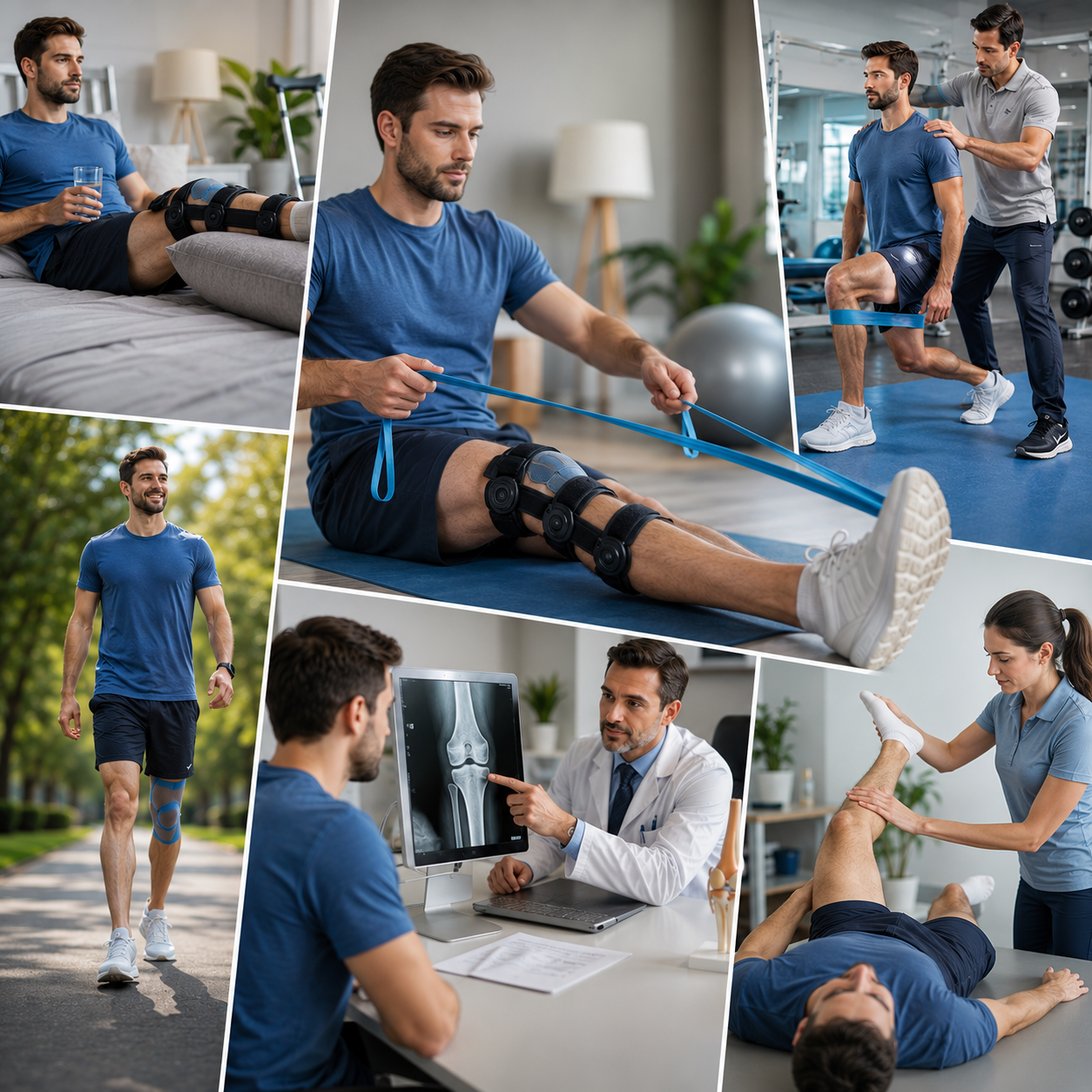
After-care following osteochondral autografts will help ensure proper healing, stabilization, and recovery of the bone and joint. It is important that patients comply with their post-recovery recommendations to minimize any complications and slowly resume their normal mobility without difficulty. Through constant physical therapy sessions, medical visits, and physical activity, the body can be strengthened as well as increased flexibility. By having a constant recovery plan, patients reduce their risk of re-injuring themselves while getting back to their daily routines, exercise, and mobility.
Recommendations for recovery success:
- Adhere to doctor-recommended recovery advice
- Use stabilizing braces as necessary
- Attend physical therapy sessions
- Increase mobility without overexertion
- Continue medical check-ups
FAQ'S
Do You Have Any Question About Osteochondral Autograft Transfers Treatment?
The healing period for the procedure varies depending on the severity of the cartilage injury, the effectiveness of rehabilitation exercises, treatment used, and your healing process.
The safety of the procedure is based on the level of supervision by the medical practitioner and rehabilitation assistance and follow-up.
This is advisable when cartilage damage results in pain and instability despite undergoing other treatment approaches.
Physiotherapy ensures that the muscles near the injured area get stronger to enhance movement and provide stability to joints.
Cartilage treatment reduces damage and enhances movement to avoid complications in the future.