ARTHROSCOPY & SPORTS INJURY ASSOCIATES

OVERVIEW
Brief Introduction
Shoulder arthroscopy is a minimally invasive surgical procedure used to diagnose and treat various shoulder joint problems using a small camera (arthroscope) and specialized instruments.
Overview – Shoulder Arthroscopy Treatment
Through tiny incisions, the surgeon can repair damaged tissues such as rotator cuff tears, labral injuries, and inflamed tissues. This advanced approach reduces pain, minimizes scarring, and promotes faster recovery compared to open surgery.
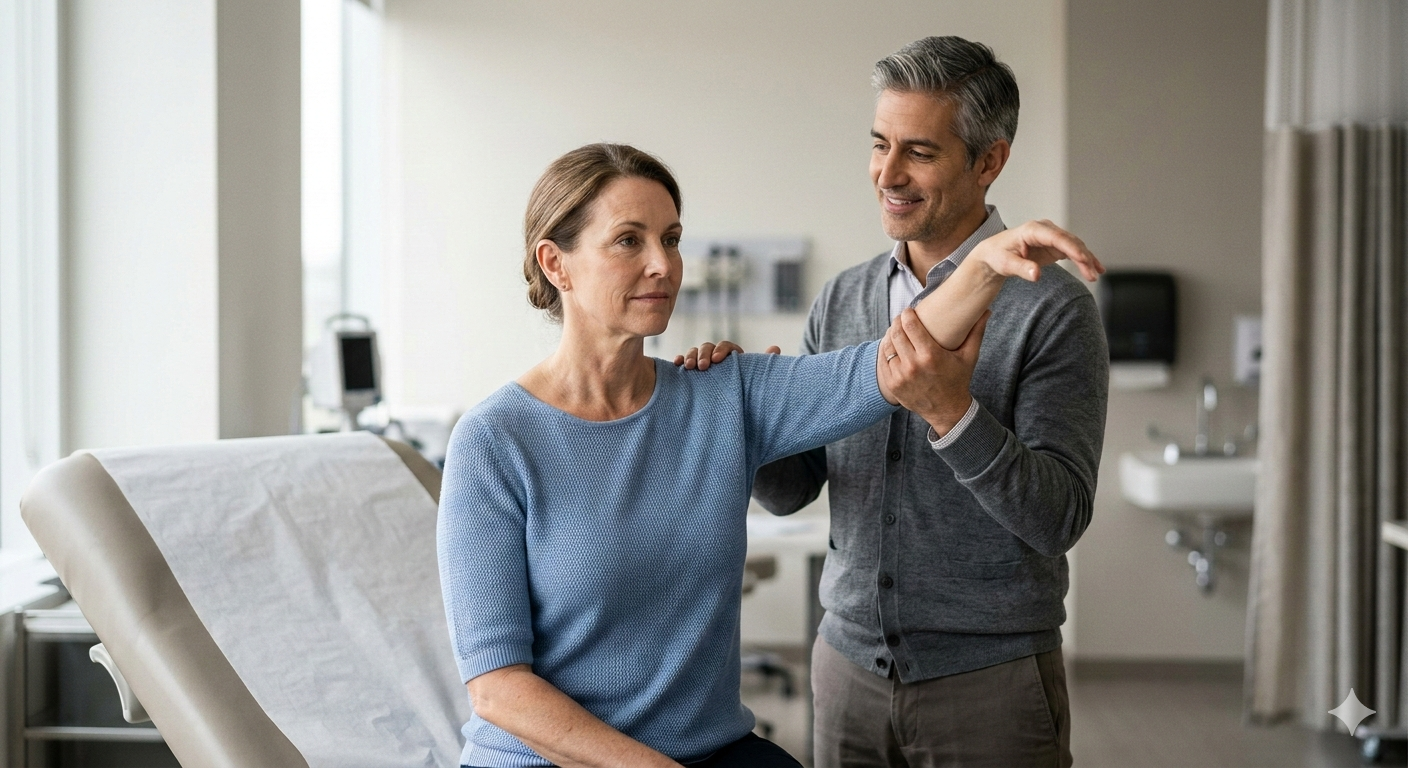

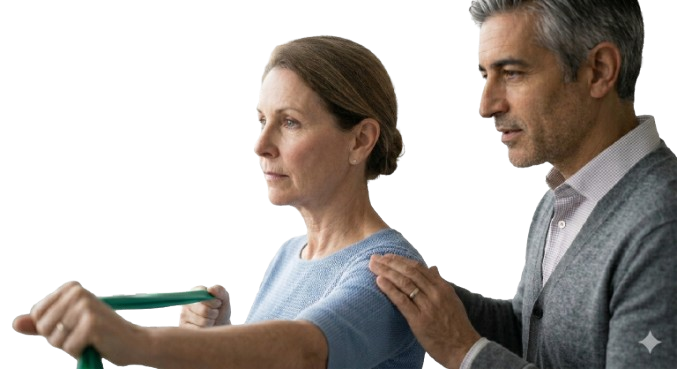
Shoulder arthroscopy is a minimally invasive surgical procedure used to diagnose and treat various shoulder joint problems using a small camera (arthroscope) and specialized instruments.
Overview – Shoulder Arthroscopy Treatment
Through tiny incisions, the surgeon can repair damaged tissues such as rotator cuff tears, labral injuries, and inflamed tissues. This advanced approach reduces pain, minimizes scarring, and promotes faster recovery compared to open surgery.
Overview
Rotator Cuff Tears
Tears in shoulder tendons causing pain, weakness, and difficulty lifting or rotating the arm.
Shoulder Impingement
Compression of shoulder tendons causing pain during overhead movements and daily activities.
Labral Tears
Damage to the cartilage rim of the shoulder socket leading to instability and pain.
Recurrent Shoulder Dislocation
Repeated slipping or dislocation of the shoulder joint due to ligament or labral injury.
Frozen Shoulder
Stiffness and restricted movement due to inflammation and tightening of the shoulder capsule.
Loose Bodies in Shoulder
Small bone or cartilage fragments causing locking, pain, and limited movement.
Surgeons Available for Consultations
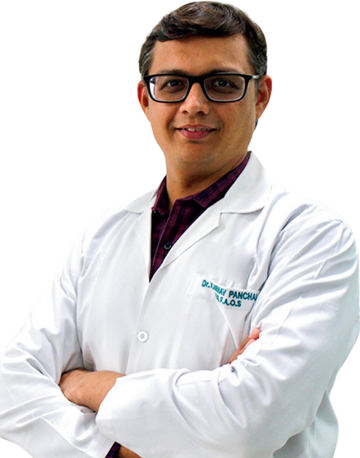
Dr. Karnav Panchal
M.B.B.S, M.S. (Orthopedics),
FAOS (South Korea)
Consultant Arthroscopist & Sports Injury Specialist Consultant Joint Replacement Surgeon

Dr. Aniket Gupta
M.B.B.S, M.S. (Orthopedics),
MRCS (Edinburgh)
Training & Qualifications Fellowship in MRCS (UK) Arthroscopy & Arthroplasty (Milan, Italy)
Consultant Physiotherapist
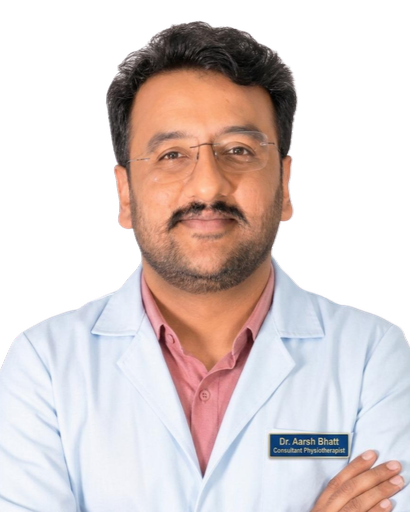
Dr. Aarsh Bhatt
B.P.T,M.P.T (Cardio-Respiratory Disorders) MIAP , HCPC (UK) , DHA (UAE)
Consultant Physiotherapist
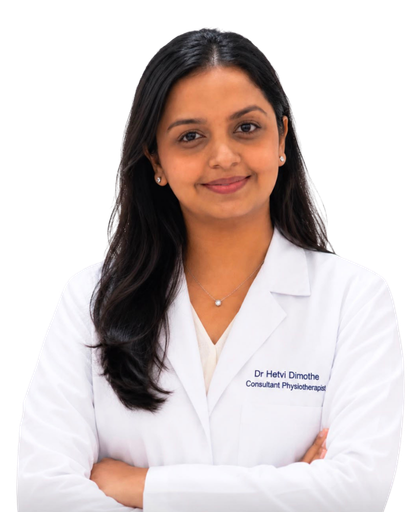
Dr. Hetvi Dimothe
BPT , M.P.T (Rehabilitation) MIAP, HCPC (UK) , DHA (UAE)
Consultant Physiotherapist
PROCEDURE & BENEFITS
Procedure Overview & Benefits
Shoulder arthroscopy uses a high-definition camera and precision instruments to accurately diagnose and treat shoulder joint conditions with minimal tissue disruption.

Minimally Invasive
Small incisions reduce pain, scarring, and recovery time.
High Precision
HD camera allows accurate diagnosis and targeted treatment.
Day-Care Surgery
Most patients return home the same day.
Minimally Invasive
Small incisions reduce pain, scarring, and overall recovery time.
High Precision
HD camera enables accurate diagnosis and targeted surgical treatment.
Day-Care Surgery
Most patients safely return home the same day after surgery.
Faster Rehabilitation
Early mobility and physiotherapy enable faster return to daily activities.
RECOVERY & OUTCOMES
Recovery & Expected Outcomes
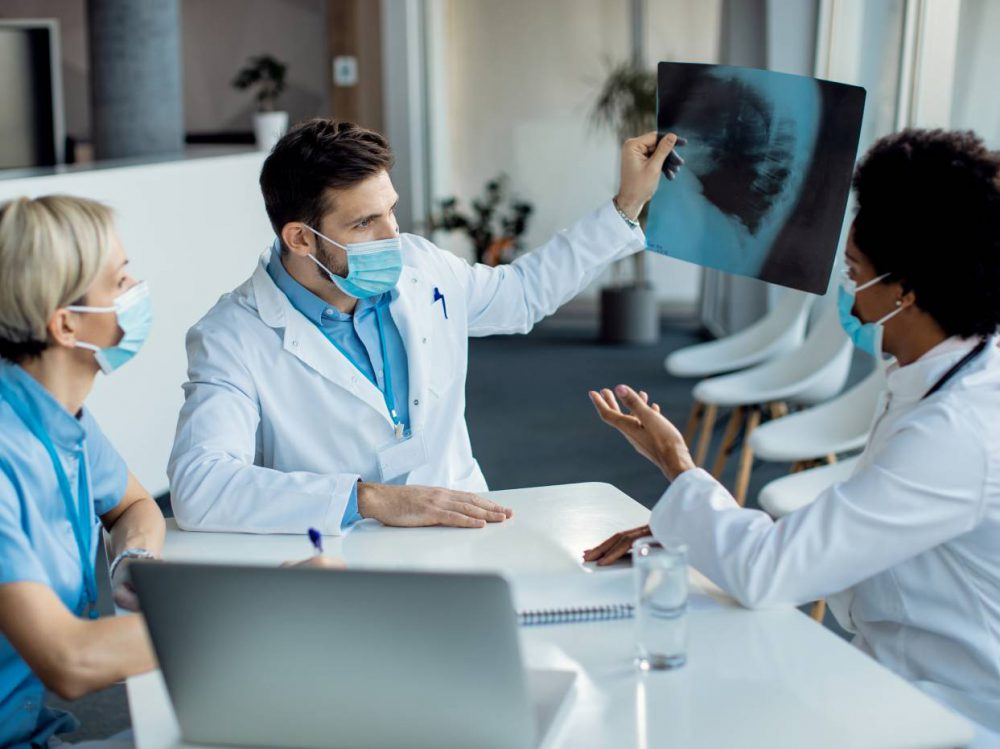
Recovery after shoulder arthroscopy focuses on pain control, restoring range of motion, and strengthening the shoulder for safe return to daily activities and sports.
- Reduced pain and inflammation
- Improved shoulder mobility and strength
- Sling support for initial few days
- Return to desk work within 1–2 weeks
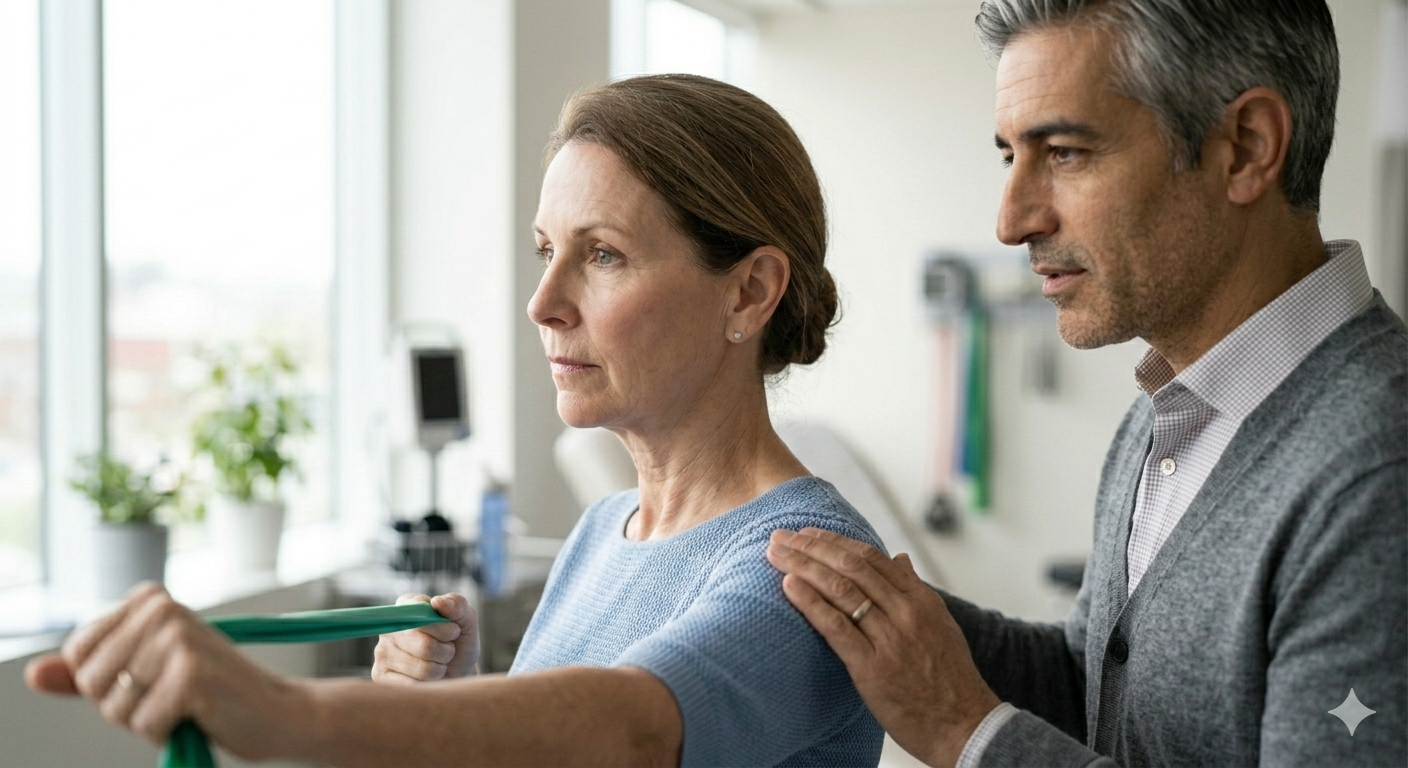
- Structured physiotherapy for optimal recovery
FAQ'S
Do You Have Any Question Please?
The procedure is performed under anesthesia and postoperative discomfort is usually mild to moderate and manageable with medication.
Recovery depends on the condition treated. Most patients resume light activities within 1–2 weeks, while full recovery may take 6–12 weeks.
Yes, a sling may be recommended for a short period to protect the shoulder during initial healing.
Physiotherapy is essential to restore strength, flexibility, and joint stability after surgery.
Return to sports depends on healing progress but typically occurs within 3–4 months under medical supervision.