ARTHROSCOPY & SPORTS INJURY ASSOCIATES


OVERVIEW
What is Impingement Syndrome?
Impingement syndrome is associated with compression of the shoulder tendons and tissues during movement. Compression of the tissues leads to their irritation and inflammation resulting in pain upon raising the arm. Impingement syndrome symptoms become worse over time affecting the function of the shoulder joint. Proper treatment can eliminate symptoms, improve range of movement, enhance the performance of the shoulder joint and ensure its long-term health.
Here are the main facts about impingement syndrome:
- It develops due to the compression of shoulder tendons
- It causes pain when raising the arm
- It decreases shoulder strength, mobility, and function
- Timely treatment prevents worsening of symptoms and tissue damage

Impingement syndrome is associated with compression of the shoulder tendons and tissues during movement. Compression of the tissues leads to their irritation and inflammation resulting in pain upon raising the arm. Impingement syndrome symptoms become worse over time affecting the function of the shoulder joint. Proper treatment can eliminate symptoms, improve range of movement, enhance the performance of the shoulder joint and ensure its long-term health.
Here are the main facts about impingement syndrome:
- It develops due to the compression of shoulder tendons
- It causes pain when raising the arm
- It decreases shoulder strength, mobility, and function
- Timely treatment prevents worsening of symptoms and tissue damage
Surgeons Available for Consultations

Dr. Karnav Panchal
M.B.B.S, M.S. (Orthopedics),
FAOS (South Korea)
Consultant Arthroscopist & Sports Injury Specialist Consultant Joint Replacement Surgeon

Dr. Aniket Gupta
M.B.B.S, M.S. (Orthopedics),
MRCS (Edinburgh)
Training & Qualifications Fellowship in MRCS (UK) Arthroscopy & Arthroplasty (Milan, Italy)
Consultant Physiotherapist

Dr. Aarsh Bhatt
B.P.T,M.P.T (Cardio-Respiratory Disorders) MIAP , HCPC (UK) , DHA (UAE)
Consultant Physiotherapist

Dr. Hetvi Dimothe
BPT , M.P.T (Rehabilitation) MIAP, HCPC (UK) , DHA (UAE)
Consultant Physiotherapist

Causes
What Causes Shoulder Impingement Syndrome?
Shoulder impingement syndrome is characterized by narrowing of the space within the shoulder joint causing compression of the shoulder tendons. Repetitive overhead activities, sports, incorrect mechanics of the shoulder joint, and age-related changes can increase the risk of developing the condition. Over time, repeated compression leads to irritation and inflammation of the tissues. Untreated, it can lead to progression of symptoms and deterioration of the shoulder joint performance.
Causes
What Causes Shoulder Impingement Syndrome?
Shoulder impingement syndrome is characterized by narrowing of the space within the shoulder joint causing compression of the shoulder tendons. Repetitive overhead activities, sports, incorrect mechanics of the shoulder joint, and age-related changes can increase the risk of developing the condition. Over time, repeated compression leads to irritation and inflammation of the tissues. Untreated, it can lead to progression of symptoms and deterioration of the shoulder joint performance.
Shoulder Impingement Syndrome Causes Include:
• Repetitive overhead activities leading to shoulder tendons compression
• Sports movements leading to shoulder compression and irritation
• Incorrect mechanics of the shoulder joint
• Age-related changes causing the space narrowing within the shoulder joint
• Bone spurs causing the compression of the tendons
What Else Can Be Affected Besides Shoulder Impingement Syndrome?
When shoulder impingement syndrome is present, other structures located nearby can be irritated or damaged due to the compression and inflammation. As many structures are involved in shoulder joint movement, repeated shoulder impingement leads to irritation of adjacent tendons, bursae, and supporting structures. This increases pain, weakness, limits movement and affects activities without proper treatment.
- Rotator cuff tendons
- Subacromial bursa
- Shoulder joint capsule
- Supporting shoulder ligaments
- Adjacent muscles
- Soft tissues
What are the Symptoms of Shoulder Impingement Syndrome?
Symptoms of shoulder impingement usually develop gradually and are aggravated with lifting and overhead activities. Many patients report pain, weakness, and limited shoulder joint movement.

Pain with Movement
Pain usually occurs when raising the arm or performing overhead activities.
Decreased Shoulder Strength
Due to the inflammation of the tendons, lifting and carrying objects becomes difficult.
Limited Shoulder Joint Mobility
Joint movements may become limited and cause discomfort.
Untreated, symptoms may result in increased inflammation, irritation of the tissues, reduced shoulder joint function, and development of serious complications.
Connect with our experts and get the right guidance for your condition.
Discomfort During Overhead Movements
Overhead activities may be painful.
Worsening Symptoms at Night
Symptoms can become worse during the night while lying on the shoulder.
Shoulder Weakness
Patients may experience decreased stability during movements.
Limitations of Activities
Daily activities become difficult and uncomfortable.
Connect with our experts and get the right guidance for your condition.
BOOK CONSULTATIONDIAGNOSIS
How Do Doctors Diagnose Shoulder Impingement Syndrome?
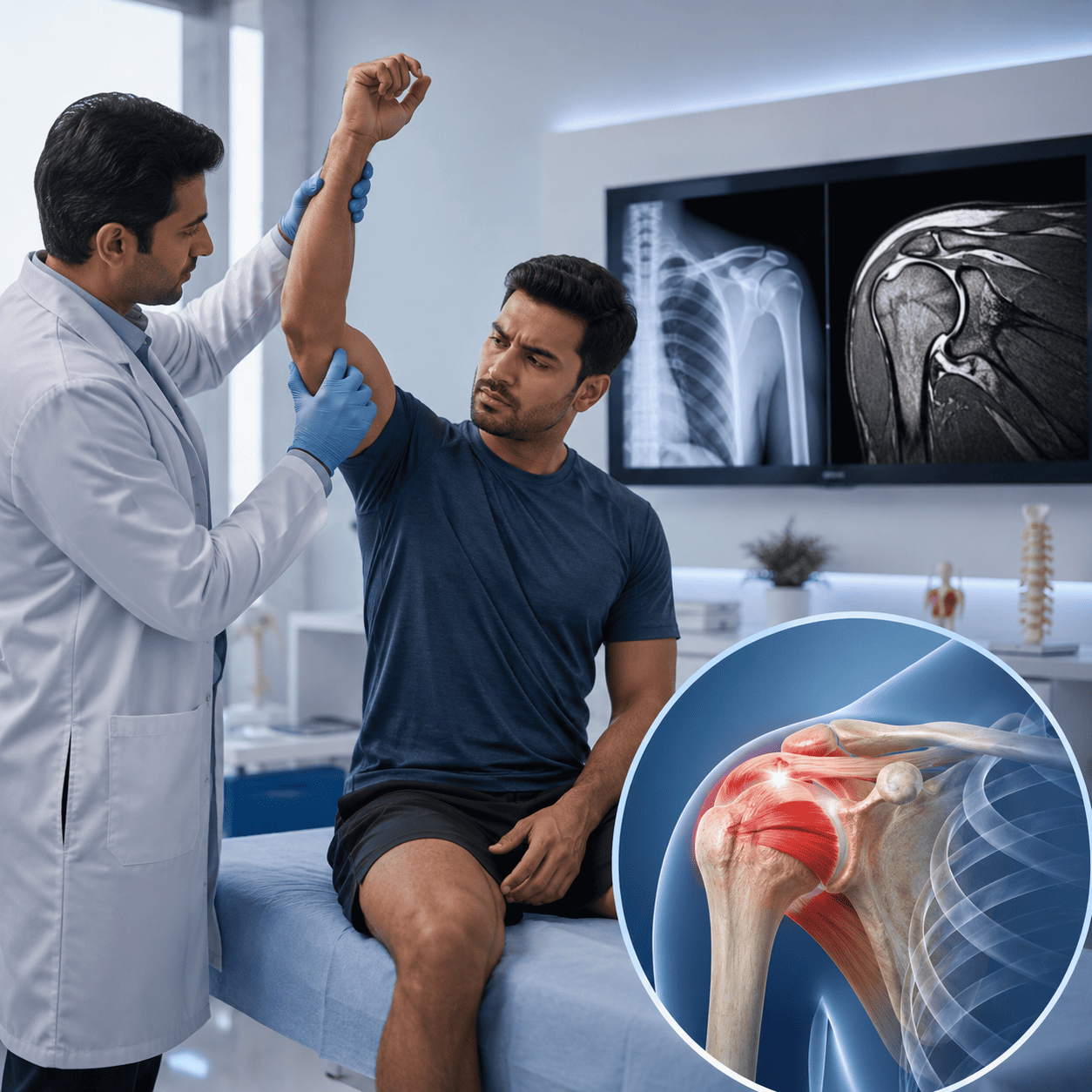
Doctors ask patients about their symptoms, medical history and effects on daily activities. Then a physical examination is performed to assess the shoulder joint movement, strength, flexibility and tender areas. Special tests are conducted to determine presence of irritation and impingement of the tendons. Imaging studies are usually used to confirm the diagnosis and assess coexisting conditions. At ALIGN ASIA, thorough evaluation will help to plan the appropriate treatment and recovery program.
DIAGNOSIS
How Do Doctors Diagnose Shoulder Impingement Syndrome?
Doctors ask patients about their symptoms, medical history and effects on daily activities. Then a physical examination is performed to assess the shoulder joint movement, strength, flexibility and tender areas. Special tests are conducted to determine presence of irritation and impingement of the tendons. Imaging studies are usually used to confirm the diagnosis and assess coexisting conditions. At ALIGN ASIA, thorough evaluation will help to plan the appropriate treatment and recovery program.
Methods of diagnosing shoulder impingement syndrome:
- Physical examination of the shoulder joint movements, strength, pain and function
- Imaging studies to evaluate tendon irritation and shoulder structures
- X-ray
- MRI
TREATMENT
What is the Treatment for Shoulder Impingement Syndrome?
Shoulder impingement syndrome treatment is customized depending on the severity of the symptoms, function of the shoulder joint, patient’s activity requirements, and the level of tendon irritation.

Prompt treatment allows to relieve the inflammation, increase mobility, and prevent progression of symptoms. Well-planned and structured treatment program ensures long-term shoulder joint function.
Pain Management
Alleviation of the pain and inflammation
Activity Modification
Reduction of aggravating movements
Physiotherapy
Improvement of mobility and strength
Shoulder Joint Rehabilitation
Restoration of normal movements
Evaluation for Advanced Treatment
Advanced treatment if required
NON-SURGICAL CARE
How is Shoulder Impingement Syndrome Treated Without Surgery?
The majority of patients with shoulder impingement syndrome can be treated without the need for surgery. Conservative treatment is aimed at alleviating the inflammation, improving the shoulder mechanics, restoring the movement and strengthening the supporting muscles. Physiotherapy, activity modifications, and pain management are the key components of the treatment. Timely treatment will help to alleviate the symptoms, improve shoulder joint performance and reduce the risk of tissue irritation and damage.

NON-SURGICAL CARE
How is Shoulder Impingement Syndrome Treated Without Surgery?
The majority of patients with shoulder impingement syndrome can be treated without the need for surgery. Conservative treatment is aimed at alleviating the inflammation, improving the shoulder mechanics, restoring the movement and strengthening the supporting muscles. Physiotherapy, activity modifications, and pain management are the key components of the treatment. Timely treatment will help to alleviate the symptoms, improve shoulder joint performance and reduce the risk of tissue irritation and damage.
Conservative treatments include:
- Physiotherapy programs to improve the movement of the shoulder joint and strengthen supporting muscles
- Modification of activities to reduce aggravating movements
- Anti-inflammatory medications to alleviate pain and facilitate rehabilitation
- Exercise programs to improve flexibility, stability and performance of the shoulder joint and to support the recovery
RISKS OF NO TREATMENT
When is Shoulder Impingement Surgery Needed?
Shoulder impingement must not be ignored. The persistent inflammation and irritation of the structures will impair the function of the shoulder joint. The majority of patients respond to conservative treatment; however, others may suffer from persistent pain and movement restrictions despite rehabilitation. Evaluation can help to timely choose the appropriate advanced treatment before development of complications.

RISKS OF NO TREATMENT
When is Shoulder Impingement Surgery Needed?
Shoulder impingement must not be ignored. The persistent inflammation and irritation of the structures will impair the function of the shoulder joint. The majority of patients respond to conservative treatment; however, others may suffer from persistent pain and movement restrictions despite rehabilitation. Evaluation can help to timely choose the appropriate advanced treatment before development of complications.
Timely treatment can help to alleviate the symptoms and increase the mobility of the shoulder joint.
- Persistent pain can limit the activities and affect sleep
- Inflammation can impair the function of the shoulder joint
- Decreased mobility can impair work and recreational activities
- Delayed treatment can prolong the period of recovery
Surgery may be required if the symptoms persist despite conservative treatment and rehabilitation.
SURGERY
What Surgical Options are Available for Shoulder Impingement Syndrome?
If conservative treatment is not sufficiently effective in alleviating symptoms of shoulder impingement syndrome, advanced procedures can correct the underlying causes of impingement. The choice of the procedure depends on the severity of the symptoms, shoulder anatomy and affected tissues. All these procedures are aimed at decreasing the compression, improving mobility, alleviating pain and supporting the shoulder joint function in order to restore the activities.
Possible surgical procedures:
- Arthroscopic decompression to create additional space within the shoulder joint
- Removal of inflamed tissues to decrease irritation and improve mobility
- Management of bone spurs causing compression
- Minimally invasive procedures to improve shoulder joint function and mobility
- Surgery is performed depending on the symptoms, imaging and treatment response
- Postoperative rehabilitation is important for successful recovery and long-term shoulder joint health
SURGERY
What Surgical Options are Available for Shoulder Impingement Syndrome?
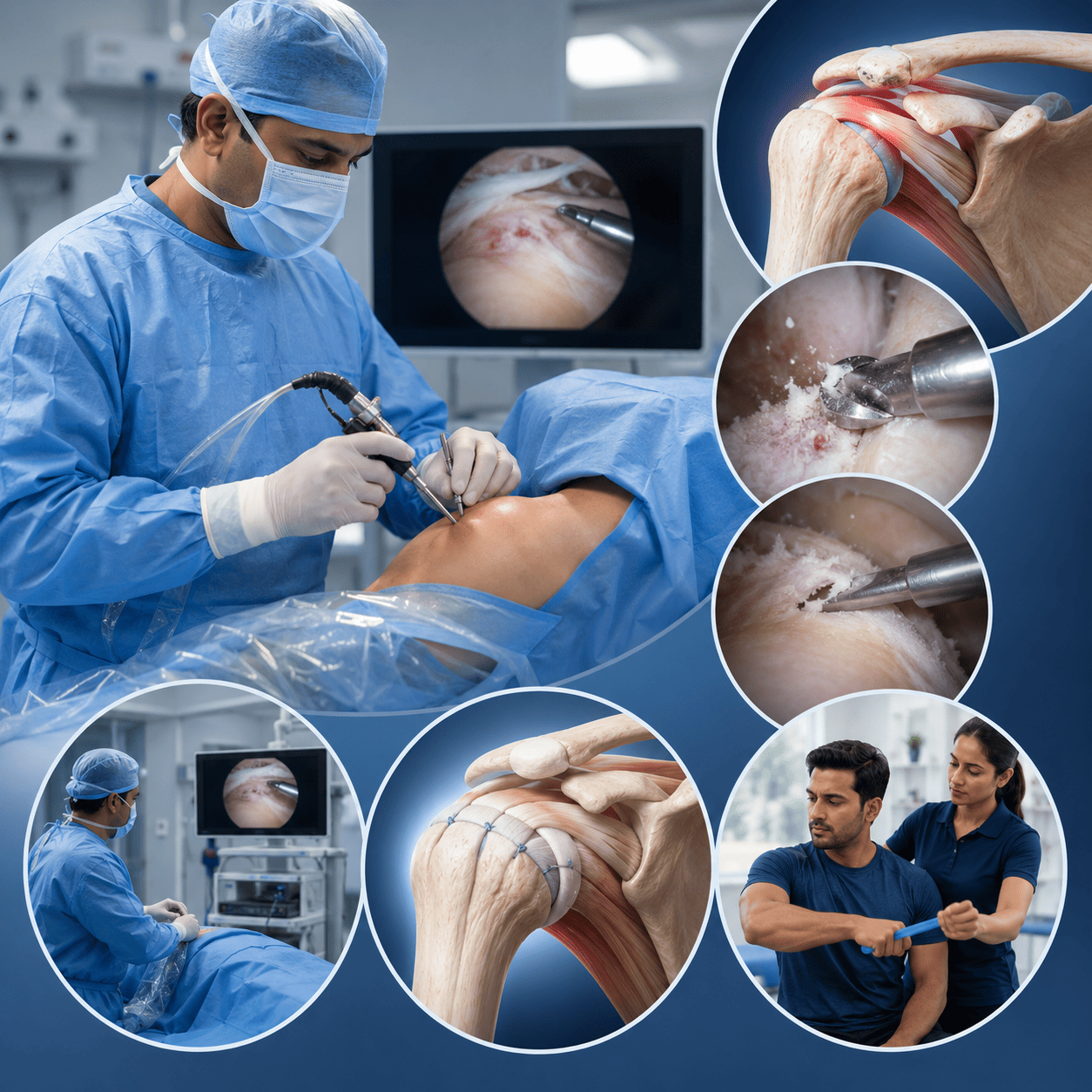
If conservative treatment is not sufficiently effective in alleviating symptoms of shoulder impingement syndrome, advanced procedures can correct the underlying causes of impingement. The choice of the procedure depends on the severity of the symptoms, shoulder anatomy and affected tissues. All these procedures are aimed at decreasing the compression, improving mobility, alleviating pain and supporting the shoulder joint function in order to restore the activities.
Possible surgical procedures:
- Arthroscopic decompression to create additional space within the shoulder joint
- Removal of inflamed tissues to decrease irritation and improve mobility
- Management of bone spurs causing compression
- Minimally invasive procedures to improve shoulder joint function and mobility
- Surgery is performed depending on the symptoms, imaging and treatment response
- Postoperative rehabilitation is important for successful recovery and long-term shoulder joint health
COMPLICATIONS
What are the Possible Complications of Shoulder Impingement Syndrome or Its Treatment?
Complications do not occur in all cases; however, they can develop if shoulder impingement is progressive or untreated. Fortunately, most of complications can be managed successfully if detected and treated appropriately. Regular follow-up, adherence to rehabilitation program and timely medical assistance can minimize the risks and ensure optimal shoulder joint movement and function.
Chronic Shoulder Pain
Persistent pain can impair sleep, daily activities and quality of life.
Damage to the Rotator Cuff
Prolonged shoulder impingement syndrome can increase the load on adjacent tendons.
Decreased Shoulder Joint Mobility
Prolonged inflammation can impair mobility and flexibility.
Muscle Weakness
Pain and decreased movement can impair muscle strength.
Connect with our experts and get the right guidance for your condition.
RECOVERY & OUTCOMES
What is the Recovery Process after Treatment for Shoulder Impingement Syndrome?

RECOVERY & OUTCOMES
What is the Recovery Process after Treatment for Shoulder Impingement Syndrome?
The recovery process depends on the severity of the symptoms, the performed treatment and individual healing process. Most of patients improve gradually using rehabilitation, physiotherapy, and exercises. Recovery is aimed at the reduction of the inflammation, restoration of the mobility, strengthening of the muscles and normalization of the shoulder joint function. Adherence to rehabilitation program will allow patients to gradually resume daily activities and prevent the development of new symptoms.
Typical stages of the recovery process:
- Pain control and protection of the shoulder joint
- Mobility exercises to restore the movement
- Strengthening of the supporting muscles
- Physiotherapy to improve flexibility and function of the shoulder joint
AFTERCARE
Recovery & Aftercare for Shoulder Impingement Syndrome Treatment

AFTERCARE
Recovery & Aftercare for Shoulder Impingement Syndrome Treatment
Appropriate aftercare plays the key role in achieving long-term results after treatment. Rehabilitation will help to maintain the mobility, strengthen the muscles, reduce the inflammation and normalize shoulder joint mechanics. Adherence to the medical recommendations during recovery period improves the outcomes, accelerates the healing process and helps to safely resume the normal activities avoiding future shoulder irritation. Steps of the aftercare:
- Perform the prescribed rehabilitation exercises regularly
- Attend physiotherapy sessions regularly
- Avoid repetitive overhead activities during the recovery period
- Gradually increase activities as recommended
- Perform follow-up examinations for monitoring the recovery and health of the shoulder joint
FAQ'S
Do You Have Any Question?
Yes, physiotherapy, activity modification, and conservative treatment can help.
Avoid repetitive overhead activities and those increasing shoulder pain.
It varies depending on the severity of the symptoms, treatment and rehabilitation.
Yes, physiotherapy helps to improve mobility and shoulder joint function.
Following rehabilitation recommendations and maintaining correct shoulder joint mechanics can prevent the recurrence of the condition.