ARTHROSCOPY & SPORTS INJURY ASSOCIATES

OVERVIEW
What is SLAP Repair?
It is a surgical procedure carried out to fix a SLAP tear, which is an injury to the upper part of the shoulder labrum where the long head of the biceps tendon attaches to the shoulder socket (glenoid). SLAP is an acronym for Superior Labrum Anterior to Posterior as this tear starts from the front and goes to the back of the upper part of the labrum. SLAP tears usually happen because of a fall, repetitive overhead activities, and sports injuries. During SLAP repair, the torn labrum is sutured to the glenoid with specialised suture anchors.
Key facts about SLAP Repair you should know:
- Restores shoulder stability and function
- Fixes a tear in the upper part of the shoulder labrum
- Usually recommended to those who suffer from a SLAP tear and have symptoms
- Improves shoulder function during daily activities and sports
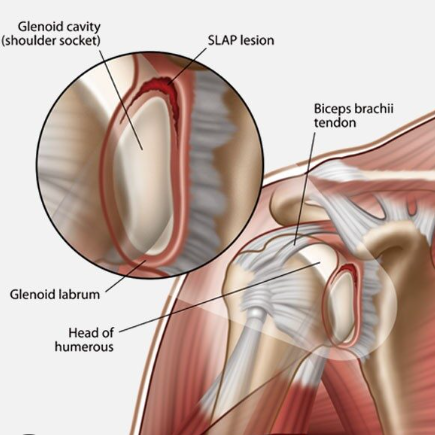
It is a surgical procedure carried out to fix a SLAP tear, which is an injury to the upper part of the shoulder labrum where the long head of the biceps tendon attaches to the shoulder socket (glenoid). SLAP is an acronym for Superior Labrum Anterior to Posterior as this tear starts from the front and goes to the back of the upper part of the labrum. SLAP tears usually happen because of a fall, repetitive overhead activities, and sports injuries. During SLAP repair, the torn labrum is sutured to the glenoid with specialised suture anchors.
Key facts about SLAP Repair you should know:
- Restores shoulder stability and function
- Fixes a tear in the upper part of the shoulder labrum
- Usually recommended to those who suffer from a SLAP tear and have symptoms
- Improves shoulder function during daily activities and sports
Surgeons Available for Consultations

Dr. Karnav Panchal
M.B.B.S, M.S. (Orthopedics),
FAOS (South Korea)
Consultant Arthroscopist & Sports Injury Specialist Consultant Joint Replacement Surgeon

Dr. Aniket Gupta
M.B.B.S, M.S. (Orthopedics),
MRCS (Edinburgh)
Training & Qualifications Fellowship in MRCS (UK) Arthroscopy & Arthroplasty (Milan, Italy)
Consultant Physiotherapist

Dr. Aarsh Bhatt
B.P.T,M.P.T (Cardio-Respiratory Disorders) MIAP , HCPC (UK) , DHA (UAE)
Consultant Physiotherapist

Dr. Hetvi Dimothe
BPT , M.P.T (Rehabilitation) MIAP, HCPC (UK) , DHA (UAE)
Consultant Physiotherapist
Causes
What causes a SLAP Tear?
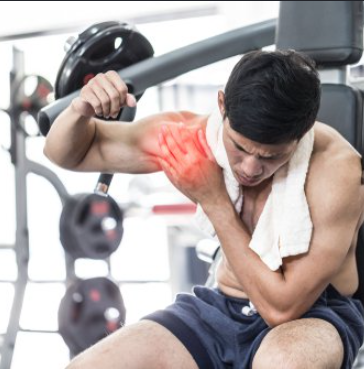
A SLAP tear happens due to a sudden or gradual injury to the superior part of the shoulder labrum, especially in the area where it attaches to the shoulder socket. This injury can be caused by various reasons.
Causes
What causes a SLAP Tear?
A SLAP tear happens due to a sudden or gradual injury to the superior part of the shoulder labrum, especially in the area where it attaches to the shoulder socket. This injury can be caused by various reasons.
SLAP tear can develop due to:
- Fall on outstretched hand
- Acute shoulder dislocation or injury
- Overhead sports like tennis, cricket, swimming, and volleyball
- Heavy lifting or repetitive overhead work
- Degeneration of the labrum due to age
What Other Structures Can be Affected in Addition to a SLAP Tear?
Sometimes, in addition to a SLAP tear, other structures of the shoulder joint can be injured. It is necessary to find out all the injured structures to choose the right way of treatment.
- Glenoid labrum
- Long head of the biceps tendon
- Shoulder capsule
- Glenohumeral ligaments
- Rotator cuff tendons
- Glenoid cartilage
SYMPTOMS
What are the Symptoms of a SLAP Tear?
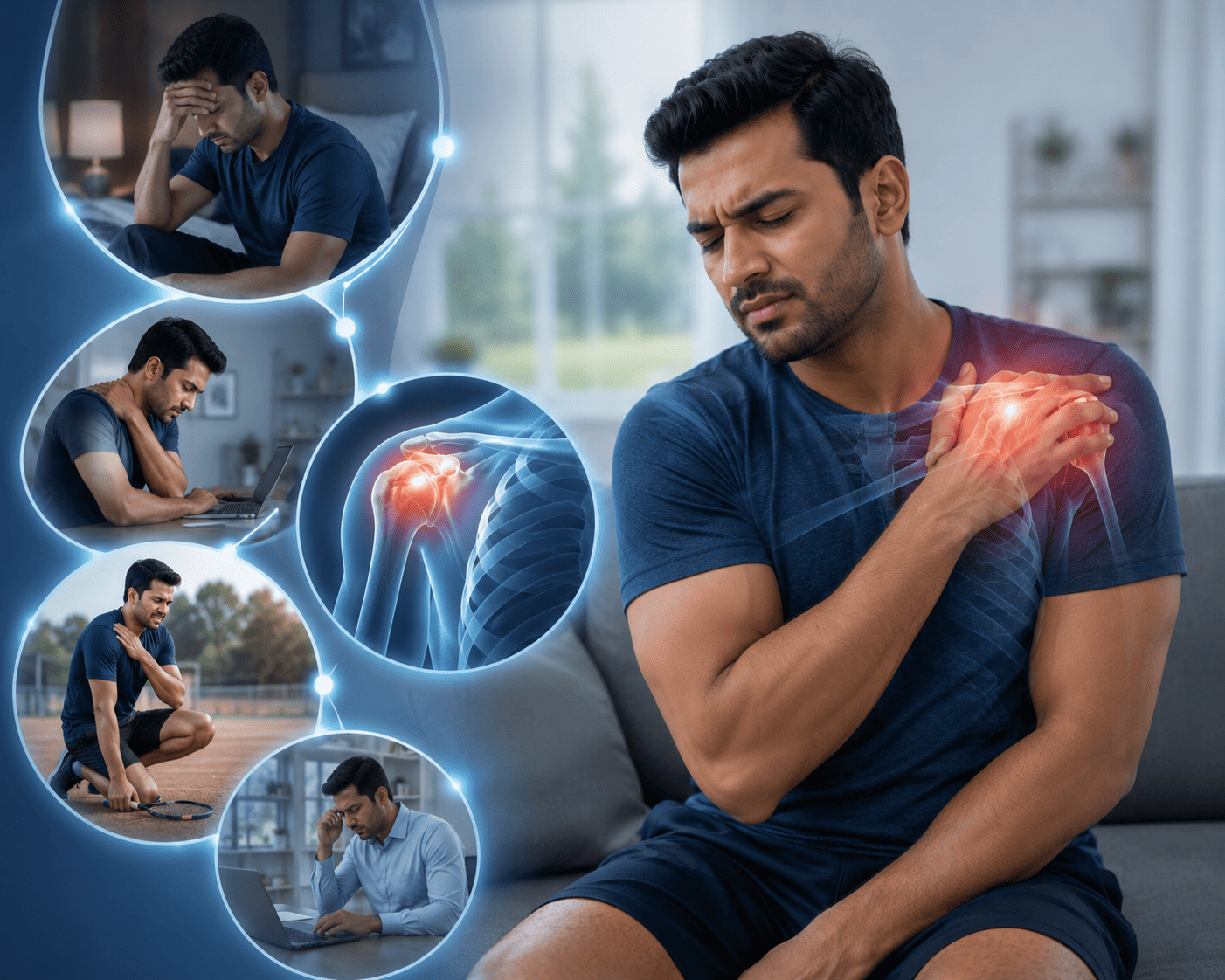
There are different symptoms of SLAP tear depending on its severity and the activity level of the patient. Some people have symptoms only during overhead activities, while some experience pain and reduced shoulder function all the time. Early diagnosis and treatment of SLAP tear will help you avoid pain and other problems in the future.

Shoulder Pain
Pain appears deep inside the shoulder and increases during overhead movements or any activities involving lifting of arms.
Clicking or Popping Sensation
Patient can feel clicking, catching, or popping inside the shoulder during movements.
Shoulder Weakness
Reduced shoulder strength makes activities like lifting, throwing, and pushing hard to perform.
Neglecting these symptoms can cause persistent shoulder pain, additional labral injury, loss of shoulder function, and difficulties in work, sports, and daily activities.
Connect with our experts and get the right guidance for your condition.
Limited Range of Motion
Pain and mechanical symptoms make shoulder movement uncomfortable.
Shoulder Instability
In some cases, patients complain about feeling their shoulder being loose or unstable during certain activities.
Difficult Performing Overhead Activities
Activities like throwing, serving, reaching over the head, and lifting objects become painful and difficult.
Reduced Sports Performance
Athlete may experience decreased power and accuracy of his throws during sports activity.
Connect with our experts and get the right guidance for your condition.
BOOK CONSULTATIONDIAGNOSIS
How Do Doctors Diagnose a SLAP Tear?
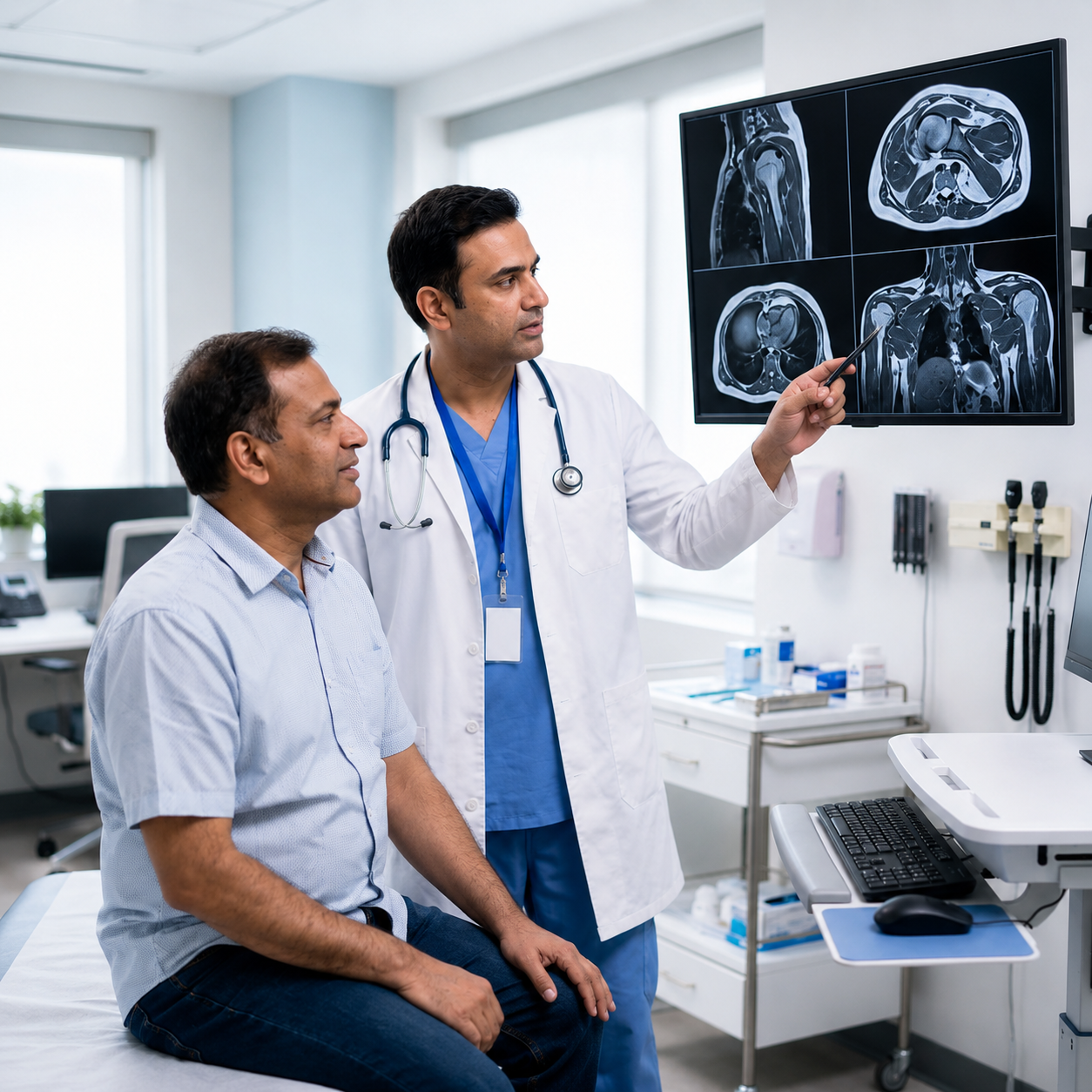
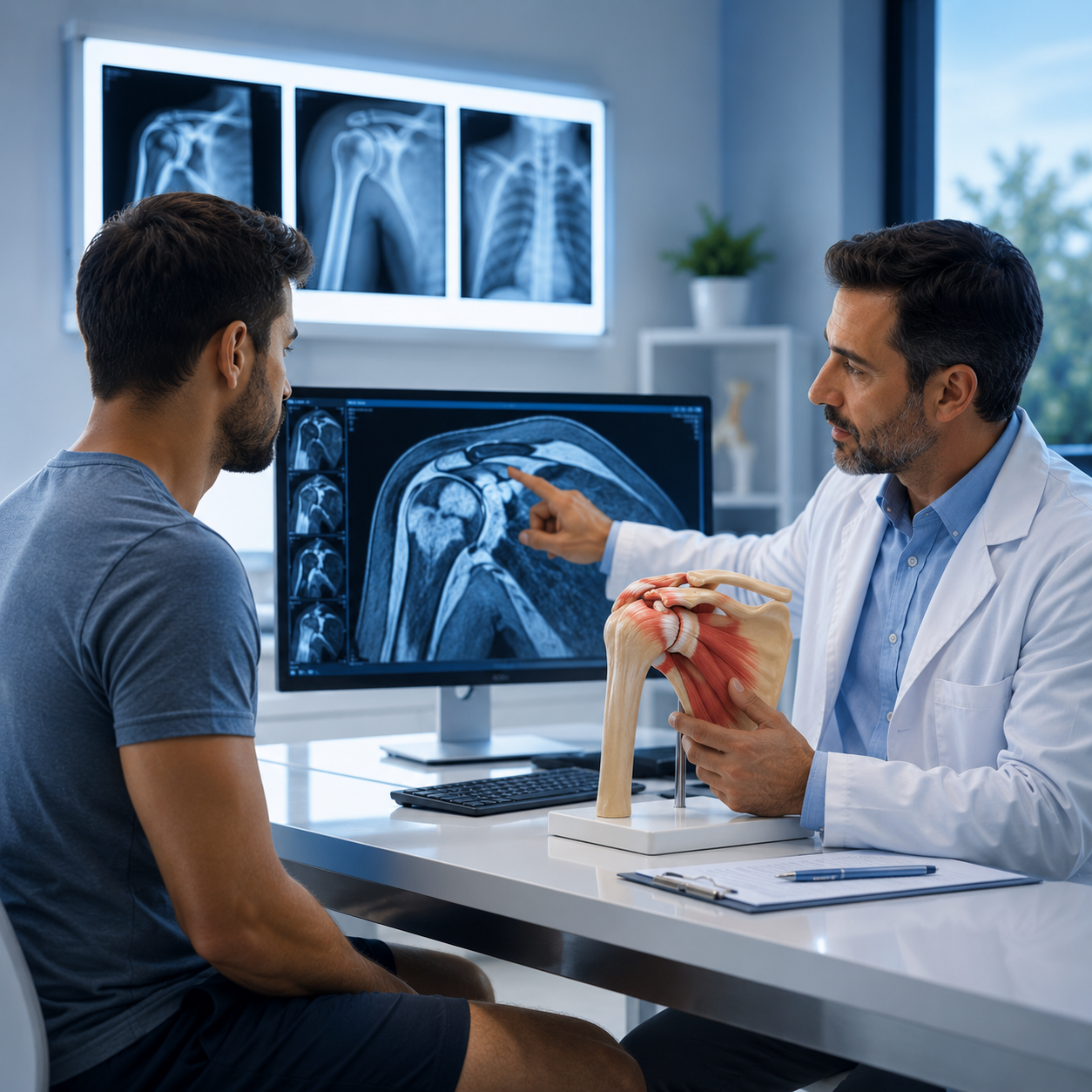
SLAP tear is diagnosed by examining the symptoms, learning how the shoulder injury occurred, and carrying out a thorough physical examination of the shoulder joint. Doctor will examine the shoulder joint's range of motion, shoulder strength, shoulder stability, and special clinical tests of superior labrum and biceps tendon. Sometimes, imaging studies are ordered to confirm the diagnosis, assess the severity of the labral tear, and detect associated shoulder injuries. In ALIGN ASIA clinic, a detailed examination helps doctors diagnose SLAP tear and choose the right treatment.
DIAGNOSIS
How Do Doctors Diagnose a SLAP Tear?
SLAP tear is diagnosed by examining the symptoms, learning how the shoulder injury occurred, and carrying out a thorough physical examination of the shoulder joint. Doctor will examine the shoulder joint's range of motion, shoulder strength, shoulder stability, and special clinical tests of superior labrum and biceps tendon. Sometimes, imaging studies are ordered to confirm the diagnosis, assess the severity of the labral tear, and detect associated shoulder injuries. In ALIGN ASIA clinic, a detailed examination helps doctors diagnose SLAP tear and choose the right treatment.
Diagnosis of a SLAP tear is done in the following way:
- Physical examination of shoulder joint, including testing its movement, strength, stability, and special clinical tests of labral injury
- Imaging studies of superior labrum and associated shoulder joints
- MRI or MR Arthrogram
- X-ray
- CT scan (in case of associated bone injury)
TREATMENT
What is the Treatment for a SLAP Tear?
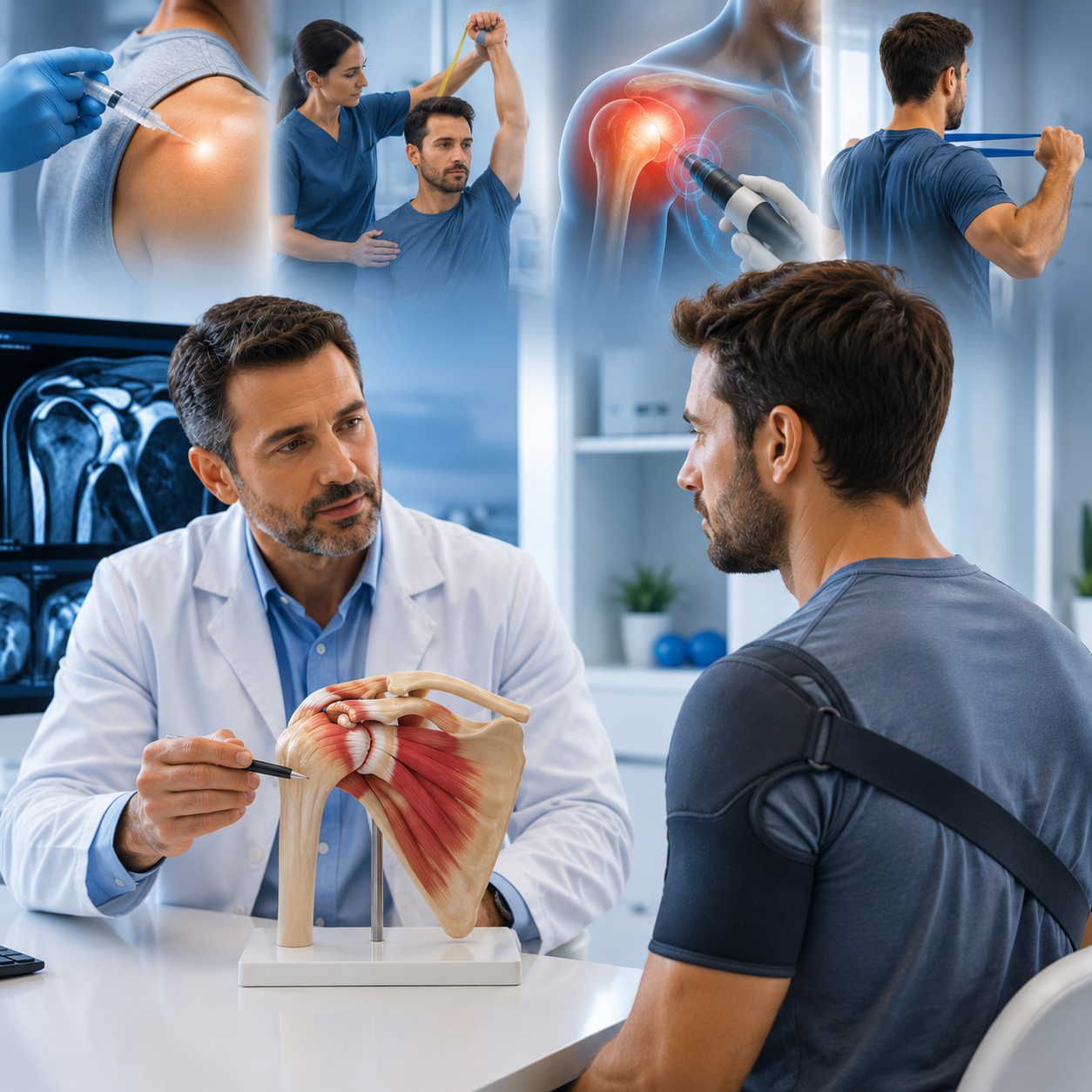
SLAP tear is treated depending on the severity of the tear, age of the patient, his activity level, occupation, and personal functional goals. Those patients who have mild symptoms usually improve with conservative treatment, while those who have persistent pain or significant functional limitations need surgery. Timely treatment will help to relieve pain, restore shoulder function, and prevent future shoulder problems.
Pain Management
Helps to reduce pain and inflammation, thus making rehabilitation possible.
Activity Modification
Avoiding repetitive overhead activities allows reducing the stress on the injured labrum during healing.
Physiotherapy
Treats the injury and strengthens shoulder muscles.
Shoulder Rehabilitation
A rehabilitation program helps to restore shoulder movement, stability, strength, and overall function.
SLAP Repair
Surgical repair of the injured labrum improves shoulder stability and relieves shoulder pain during daily activities and sports.
How is a SLAP Tear Treated Without Surgery?
A number of patients with mild and degenerative SLAP tears are able to treat their shoulder without surgery. Conservative treatment aims to reduce pain, restore shoulder mobility, strengthen shoulder muscles, and increase shoulder stability. A personalized rehabilitation program allows many patients to return to work, sports, and other physical activities.
How is a SLAP Tear Treated Without Surgery?
A number of patients with mild and degenerative SLAP tears are able to treat their shoulder without surgery. Conservative treatment aims to reduce pain, restore shoulder mobility, strengthen shoulder muscles, and increase shoulder stability. A personalized rehabilitation program allows many patients to return to work, sports, and other physical activities.
Non-surgical treatments of SLAP tear include:
- Physiotherapy programs to strengthen rotator cuff and shoulder stabilizing muscles.
- Activity modification to avoid repetitive overhead stresses of the shoulder joint.
- Pain relieving and anti-inflammatory medications during recovery period.
- Progressive rehabilitation exercises to restore shoulder movement, strength, and function.
RISKS OF NO TREATMENT
When is SLAP Repair Necessary?
Even though SLAP tears can be effectively treated conservatively, sometimes, there is a need for surgical treatment. SLAP Repair allows restoring shoulder stability, reducing pain, and returning to work, sports, and physical activities.
RISKS OF NO TREATMENT
When is SLAP Repair Necessary?
Even though SLAP tears can be effectively treated conservatively, sometimes, there is a need for surgical treatment. SLAP Repair allows restoring shoulder stability, reducing pain, and returning to work, sports, and physical activities.
SLAP Repair can be required in these cases:
- Persistent shoulder pain despite appropriate conservative treatment
- SLAP tear affects patient’s daily life or sports performance
- Recurrent mechanical symptoms like clicking, catching, or shoulder instability
- Active athletes or physically active patients
Timely surgical treatment will help to restore shoulder stability and function and prevent persistent shoulder pain.
SURGERY
What Happens During SLAP Repair Surgery?
SLAP Repair is a surgical procedure aimed at reattaching the torn superior labrum to the shoulder socket and restoring shoulder function. SLAP Repair is usually carried out with arthroscopic technique to see and repair the labrum more precisely. As a result, the procedure helps to increase shoulder stability and relieve pain during daily activities and sports. SLAP Repair at ALIGN ASIA clinic is always individual and depends on the type of SLAP tear and associated shoulder injuries.
SLAP Repair surgery is usually performed with the following procedures and techniques:
- Small incisions are made to access the shoulder joint with arthroscope.
- The superior labrum and surrounding structures are examined.
- The torn labrum is prepared and fixed to the glenoid with suture anchors.
- The repair is evaluated to check the stability and shoulder mechanics.
- The incisions are closed and a personalised rehabilitation program is started.
SURGERY
What Happens During SLAP Repair Surgery?
SLAP Repair is a surgical procedure aimed at reattaching the torn superior labrum to the shoulder socket and restoring shoulder function. SLAP Repair is usually carried out with arthroscopic technique to see and repair the labrum more precisely. As a result, the procedure helps to increase shoulder stability and relieve pain during daily activities and sports. SLAP Repair at ALIGN ASIA clinic is always individual and depends on the type of SLAP tear and associated shoulder injuries.
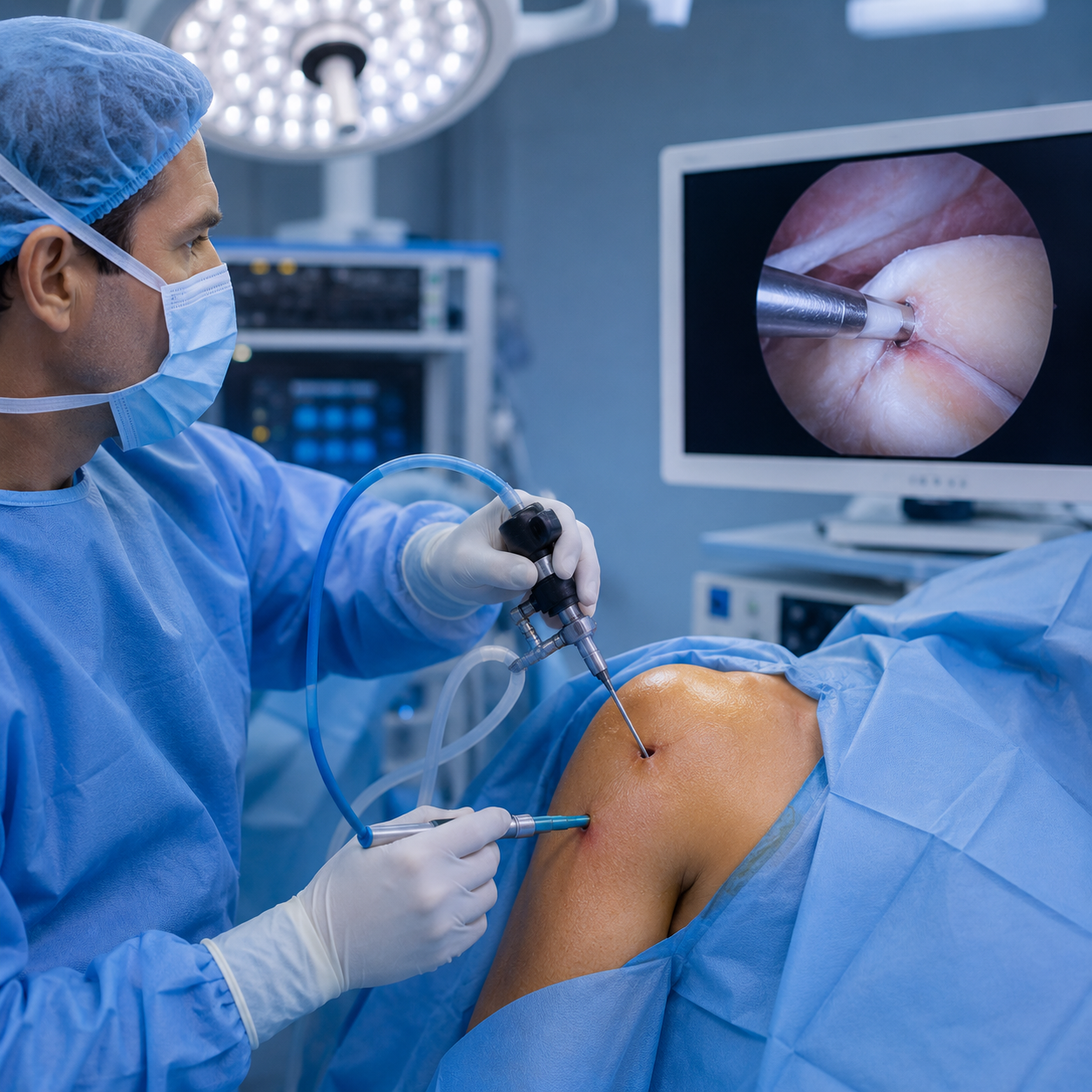
SLAP Repair surgery is usually performed with the following procedures and techniques:
- Small incisions are made to access the shoulder joint with arthroscope.
- The superior labrum and surrounding structures are examined.
- The torn labrum is prepared and fixed to the glenoid with suture anchors.
- The repair is evaluated to check the stability and shoulder mechanics.
- The incisions are closed and a personalised rehabilitation program is started.
COMPLICATIONS
What are the Possible Complications of SLAP Tear or Its Treatment?
Even though a number of patients with SLAP tear successfully recover with appropriate treatment, there are several possible complications. Proper diagnosis, timely treatment, and rehabilitation can help to avoid them. Follow-up appointments allow doctors to monitor recovery, assess shoulder function, and optimize the results of treatment.
Persistent Shoulder Pain
Pain may remain persistent because of insufficient labral healing or associated shoulder conditions.
Shoulder Stiffness
Shoulder stiffness can occur during recovery if rehabilitation is delayed or shoulder movement is limited for a long time.
Shoulder Weakness
Shoulder weakness persists until the shoulder becomes strong again.
Recurrent Shoulder Symptoms
Though it is quite rare, some patients may experience clicking, catching, or pain if their shoulder gets additional injury.
Connect with our experts and get the right guidance for your condition.
RECOVERY & OUTCOMES
What is the Recovery Process after SLAP Repair?
RECOVERY & OUTCOMES
What is the Recovery Process after SLAP Repair?
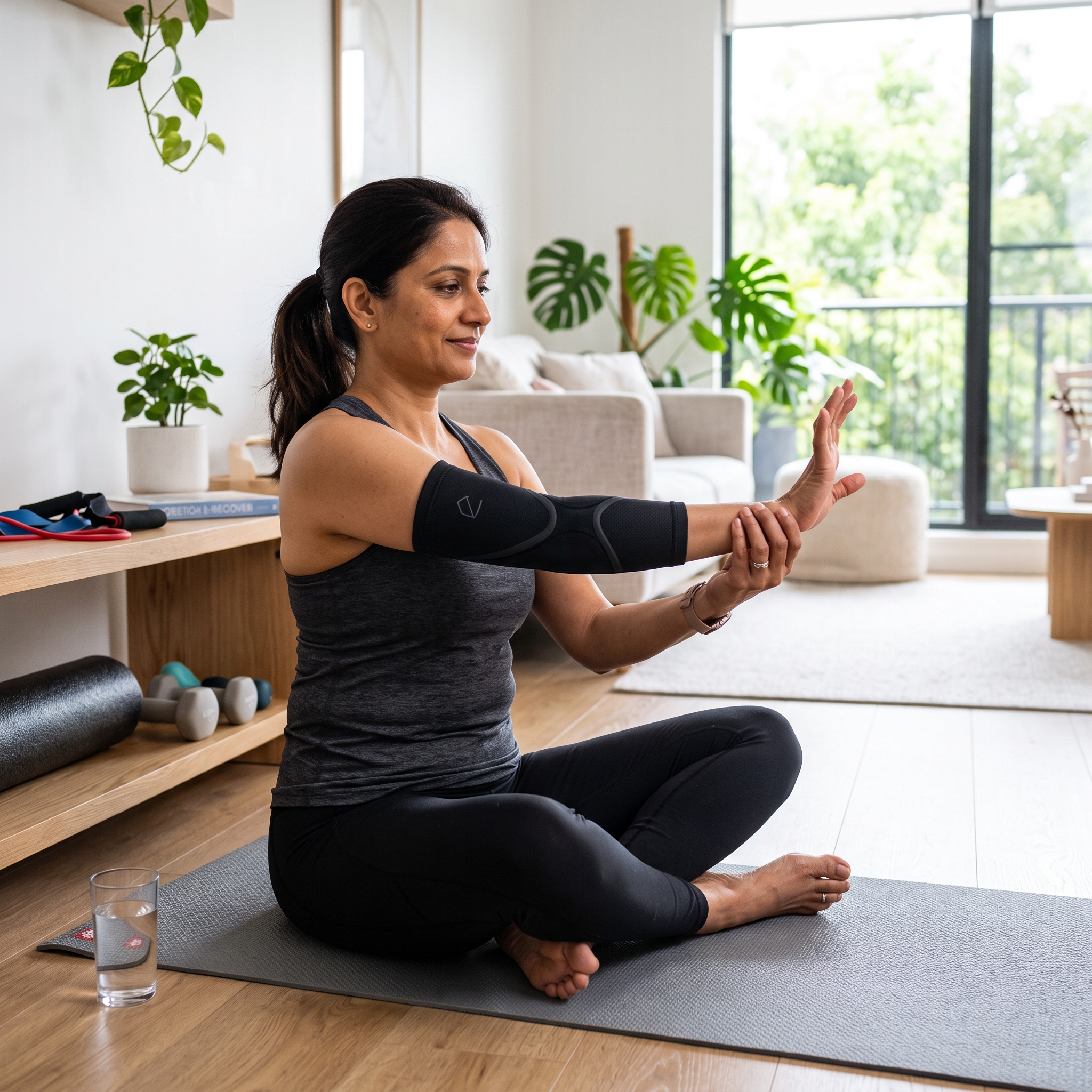
Recovery after SLAP Repair is a gradual process that involves the repair of the labrum and gradual restoration of shoulder movement, strength, and stability. Recovery time is variable and depends on the severity of the tear, associated shoulder injuries, and individual recovery rate. An effective rehabilitation program allows to return to work, sports, and other activities safely and minimize the risk of reinjury.
The recovery after SLAP Repair is usually done in several steps:
- Protection of the labrum with shoulder sling during the first stage of recovery
- Introduction of range of motion exercises gradually under the guidance of a specialist
- Shoulder, rotator cuff, and surrounding muscles strengthening
- Physiotherapy for restoration of shoulder stability and flexibility
- Gradual return to work and sports according to recovery progress
AFTERCARE
Recovery & Aftercare after SLAP Repair
AFTERCARE
Recovery & Aftercare after SLAP Repair
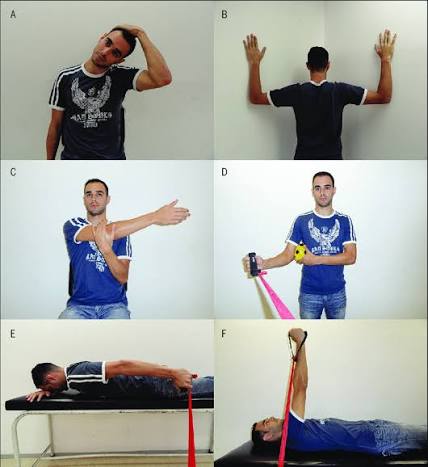
Recovery after SLAP Repair needs proper protection and participation in the structured rehabilitation program to restore shoulder stability, strength, relieve pain, and get the best possible results. Follow-up appointments will help your specialist to monitor your recovery and adjust your rehabilitation program accordingly.
Aftercare of SLAP Repair should include:
- Use of shoulder sling for the initial protection according to your doctor’s recommendations
- Regular physiotherapy visits to restore shoulder mobility, strength, and stability
- Consistent performance of the prescribed rehabilitation exercises
- Gradual return to your daily activities and avoiding heavy lifting or overhead sports until you are released
FAQ'S
Do You Have Any Question?
Yes. Some SLAP tears, especially those that are mild or degenerative, can heal without surgery with the help of physiotherapy, activity modification, and rehabilitation program. Surgery is usually required in cases of persistent symptoms or impaired shoulder function.
Recovery period is dependent on the severity of the injury, the type of surgery, and your recovery speed. Your specialist will prescribe the right rehabilitation program and recovery period.
Your return to sports or overhead activities depends on the shoulder healing, increased shoulder strength, and successful rehabilitation. Your surgeon will tell you when it is safe to do sports or heavy work.
SLAP Repair is a well-known shoulder procedure and is considered to be safe when it is performed by skilled shoulder specialists and rehabilitation program is applied.
Though SLAP Repair helps to restore shoulder stability and function, it can recur because of the new injury or premature return to strenuous activities. Proper adherence to the rehabilitation program and your surgeon’s recommendations can minimize this risk.