ARTHROSCOPY & SPORTS INJURY ASSOCIATES


OVERVIEW
What Is Elbow Arthritis?
Elbow arthritis is a condition in which the cartilage of the elbow joint surface wears out and becomes inflamed, causing pain, stiffness, swelling, and decreased range of motion. As the cartilage deteriorates, the joint surfaces start rubbing, leading to inflammation and inability to use your elbow normally. Arthritis may be caused by aging, past trauma to your joint, or inflammatory joint diseases. Proper diagnosis and treatment can help alleviate symptoms and protect your joint from further deterioration.
Here are some facts about Elbow Arthritis you should know:
- Develops when the cartilage in the elbow joint starts wearing out or getting damaged
- Causes pain, stiffness, swelling, inflammation, and limited mobility
- Is caused by aging, past trauma, or inflammatory joint diseases
- Can be treated to improve joint function and slow down disease progression
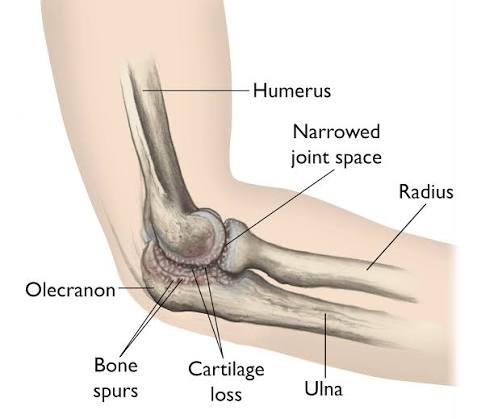
Elbow arthritis is a condition in which the cartilage of the elbow joint surface wears out and becomes inflamed, causing pain, stiffness, swelling, and decreased range of motion. As the cartilage deteriorates, the joint surfaces start rubbing, leading to inflammation and inability to use your elbow normally. Arthritis may be caused by aging, past trauma to your joint, or inflammatory joint diseases. Proper diagnosis and treatment can help alleviate symptoms and protect your joint from further deterioration.
Here are some facts about Elbow Arthritis you should know:
- Develops when the cartilage in the elbow joint starts wearing out or getting damaged
- Causes pain, stiffness, swelling, inflammation, and limited mobility
- Is caused by aging, past trauma, or inflammatory joint diseases
- Can be treated to improve joint function and slow down disease progression
Surgeons Available for Consultations
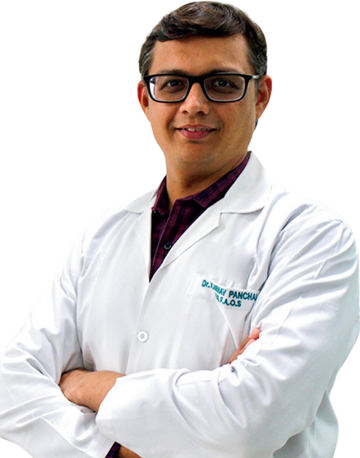
Dr. Karnav Panchal
M.B.B.S, M.S. (Orthopedics),
FAOS (South Korea)
Consultant Arthroscopist & Sports Injury Specialist Consultant Joint Replacement Surgeon

Dr. Aniket Gupta
M.B.B.S, M.S. (Orthopedics),
MRCS (Edinburgh)
Training & Qualifications Fellowship in MRCS (UK) Arthroscopy & Arthroplasty (Milan, Italy)
Consultant Physiotherapist

Dr. Aarsh Bhatt
B.P.T,M.P.T (Cardio-Respiratory Disorders) MIAP , HCPC (UK) , DHA (UAE)
Consultant Physiotherapist

Dr. Hetvi Dimothe
BPT , M.P.T (Rehabilitation) MIAP, HCPC (UK) , DHA (UAE)
Consultant Physiotherapist
Causes
What Causes Elbow Arthritis?
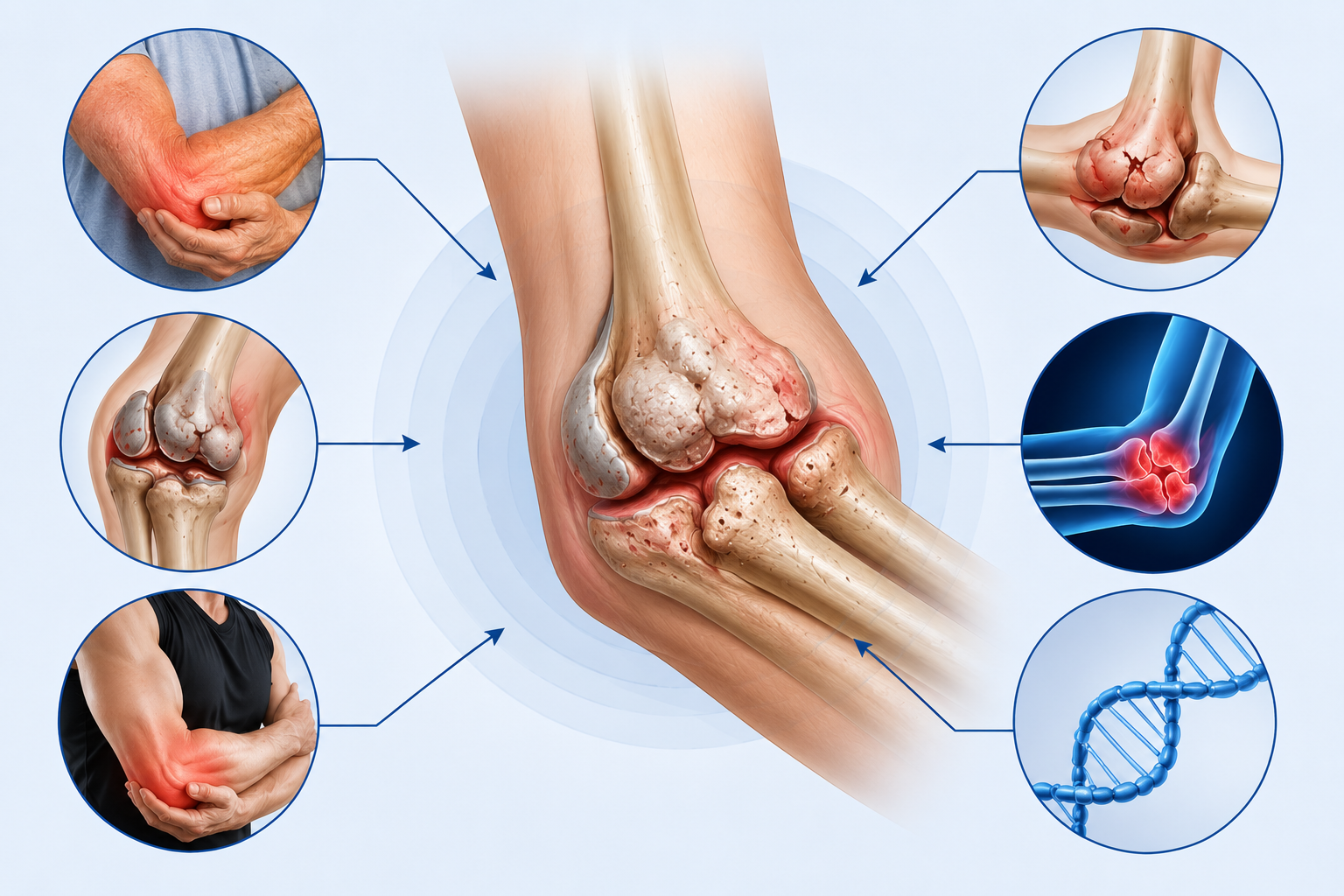
Elbow arthritis develops when the cartilage cushioning your elbow joint is being worn out. As a result, joint surfaces start rubbing each other, causing inflammation and pain, and decreasing joint function. This condition may occur as a consequence of aging process, prior elbow trauma, or inflammatory joint disease.
Causes
What Causes Elbow Arthritis?
Elbow arthritis develops when the cartilage cushioning your elbow joint is being worn out. As a result, joint surfaces start rubbing each other, causing inflammation and pain, and decreasing joint function. This condition may occur as a consequence of aging process, prior elbow trauma, or inflammatory joint disease.
The causes of Elbow Arthritis include the following:
- Age-related wear and tear of the cartilage in your joint
- History of elbow fractures or joint injuries
- Past repetitive strain on the elbow joint
- Rheumatoid arthritis and other types of inflammatory joint diseases
- Prior elbow instability or ligament injuries
Which Other Structures May Be Affected by Elbow Arthritis?
Along with the cartilage itself, Elbow Arthritis may affect many other structures contributing to the joint function and its movements.
- Articular cartilage
- Joint lining (synovium)
- Bone surfaces
- Joint capsule
- Surrounding ligaments
- Muscles and tendons near the joint
SYMPTOMS
What Are the Symptoms of Elbow Arthritis?
Elbow arthritis symptoms usually develop slowly and may get worse with progression of cartilage damage. Different types of arthritis and different extents of the damage cause various intensities of symptoms. Early diagnosis helps to begin treatment before joint damage gets worse.

Elbow Pain
Elbow arthritis usually causes pain, which becomes worse with movement, lifting, or other activities.
Joint Stiffness
The joint may become stiff, especially when you wake up or if it hasn't been moved for a while.
Swelling of the Joint
The inflammation may cause joint swelling and tenderness.
Disregard of these symptoms may lead to joint deterioration, worsening pain, limited elbow mobility, deformity, and impairment of your ability to perform daily activities.
Connect with our experts and get the right guidance for your condition.
Limited Range of Motion
You may find yourself unable to bend or straighten your elbow completely.
Grinding, Catching or Clicking Sensations
These symptoms may be experienced when you move your joint. Grinding and clicking sensation is often a sign of deterioration of the joint surfaces.
Weakness
Your arm may feel weak and painful when lifting something or doing other activities.
Difficulty With Daily Activities
Opening doors, lifting objects, grooming may become difficult because of joint dysfunction.
Connect with our experts and get the right guidance for your condition.
BOOK CONSULTATIONDIAGNOSIS
How Are Doctors Diagnosing Elbow Arthritis?
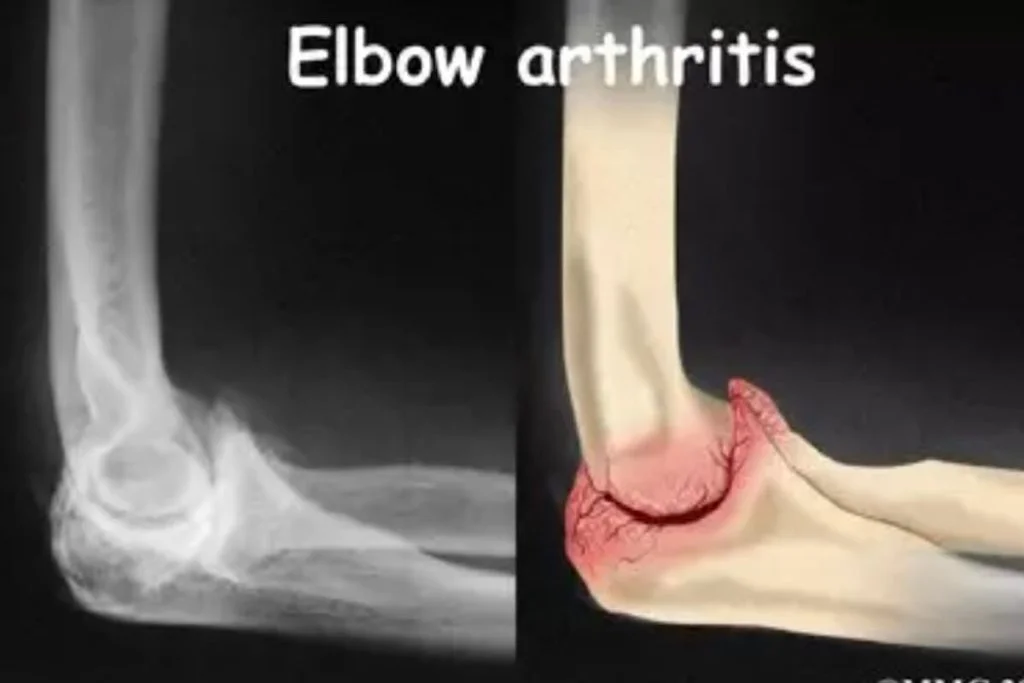
Diagnosis of elbow arthritis is made on the basis of the symptoms of the patient, his medical history, and a physical examination. Specialists evaluate pain, stiffness, swelling, mobility, and functionality of the joint to see how severe the disease is. To examine cartilage damage and joint changes doctors use imaging studies. At ALIGN ASIA we provide comprehensive examination of the patient to diagnose his condition.
DIAGNOSIS
How Are Doctors Diagnosing Elbow Arthritis?
Diagnosis of elbow arthritis is made on the basis of the symptoms of the patient, his medical history, and a physical examination. Specialists evaluate pain, stiffness, swelling, mobility, and functionality of the joint to see how severe the disease is. To examine cartilage damage and joint changes doctors use imaging studies. At ALIGN ASIA we provide comprehensive examination of the patient to diagnose his condition.
Elbow Arthritis is diagnosed with the following examinations:
- Physical examination assessing pain, swelling, joint mobility, stability, and overall function of the joint
- Imaging studies assessing cartilage damage and joint changes
- X-ray
- MRI
- CT scan (if the evaluation of bone changes is required)
- Blood tests may be prescribed if rheumatoid arthritis or other inflammatory joint diseases are suspected.
TREATMENT
What Is the Treatment for Elbow Arthritis?
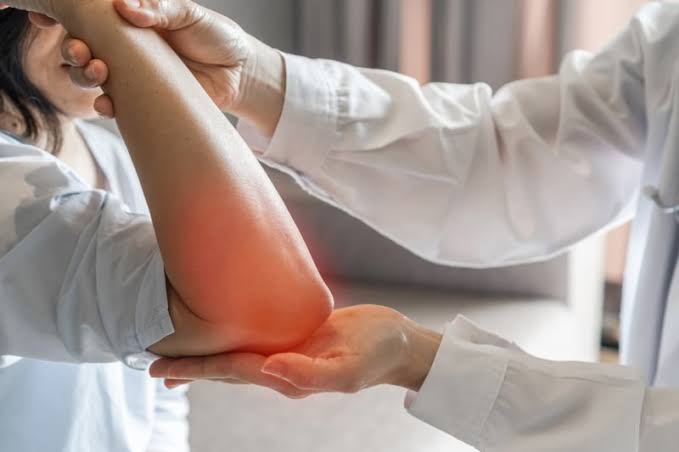
The treatment of elbow arthritis depends on the type of arthritis, severity of cartilage damage, level of pain, and patient's needs. Many patients respond well to conservative treatment of elbow arthritis. In case of severe arthritis causing continuous pain and joint damage surgery is required. Treatment at early stages helps to manage symptoms, keep your elbow moving and functioning, and improve your quality of life.
Pain Management
This treatment helps to relieve pain and inflammation and make your daily routine less painful.
Activity Modification
Limiting activities that put too much stress on the elbow joint reduces the symptoms and protects your joint.
Physiotherapy
It strengthens the surrounding muscles, increases joint mobility, and improves elbow functions.
Joint Rehabilitation
Elbow rehabilitation program restores the joint movement and optimizes joint function.
Surgical Treatment
Advanced surgical treatments are prescribed when the conservative therapy doesn't help.
NON-SURGICAL CARE
How Is Elbow Arthritis Treated Without Surgery?
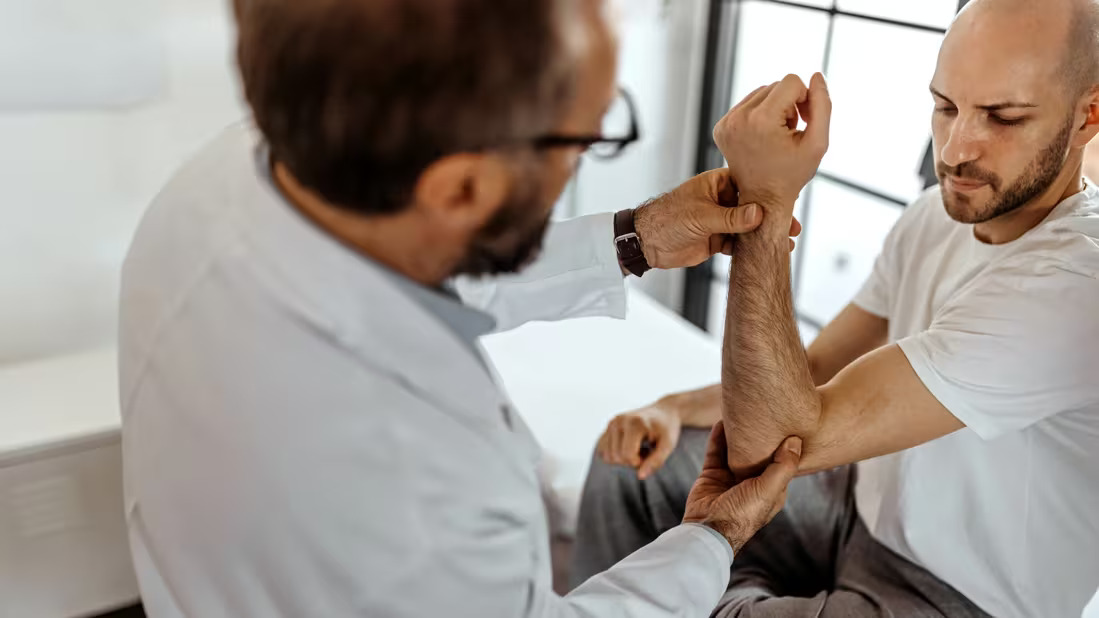
Many patients with mild to moderate elbow arthritis can manage their symptoms without surgery. Conservative treatment involves pain relief, maintenance of joint mobility, improvement of strength, and slowing down joint damage. Personalized rehabilitation treatment helps patients stay mobile and reduce pain.
NON-SURGICAL CARE
How Is Elbow Arthritis Treated Without Surgery?
Many patients with mild to moderate elbow arthritis can manage their symptoms without surgery. Conservative treatment involves pain relief, maintenance of joint mobility, improvement of strength, and slowing down joint damage. Personalized rehabilitation treatment helps patients stay mobile and reduce pain.
Non-surgical treatment options include:
- Physiotherapy programs improve joint mobility, muscle strength, and function of the joint.
- Activity modification helps to reduce the load on the affected joint.
- Pain-relieving and anti-inflammatory medications control symptoms.
- Healthy lifestyle and physiotherapy improve joint function and mobility in the long run.
RISKS OF NO TREATMENT
When Is Surgery Required for Elbow Arthritis?
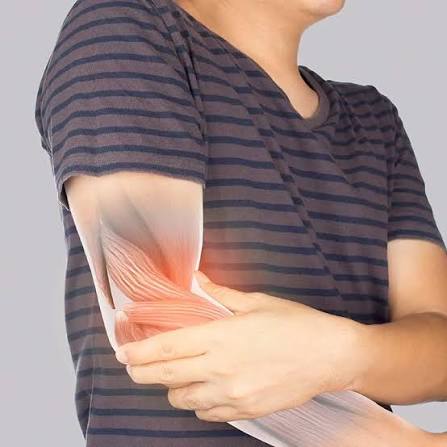
While many patients benefit from non-surgical treatments, some cases of arthritis require surgical treatment. Surgery is considered if elbow joint arthritis is causing pain, dysfunction or severely affecting the quality of life, regardless of the efforts taken to relieve symptoms. Persistent pain, stiffness, and joint damage are the factors indicating need for surgical treatment of arthritis.
RISKS OF NO TREATMENT
When Is Surgery Required for Elbow Arthritis?
While many patients benefit from non-surgical treatments, some cases of arthritis require surgical treatment. Surgery is considered if elbow joint arthritis is causing pain, dysfunction or severely affecting the quality of life, regardless of the efforts taken to relieve symptoms. Persistent pain, stiffness, and joint damage are the factors indicating need for surgical treatment of arthritis.
Surgery for Elbow Arthritis may be recommended in the following cases:
- Persistent pain despite non-surgical treatment
- Loss of elbow joint movement interfering with daily activities
- Cartilage damage causing severe joint deterioration
- Progressing arthritis limiting your joint function and quality of life
Early surgical intervention aims to relieve pain, restore joint movement, and function, and allows to resume your regular activities.
SURGERY
Which Surgical Options Are Available for Elbow Arthritis?
There are various surgical procedures that may be used for the treatment of elbow arthritis. Treatment methods depend on the extent of cartilage damage, patient's age, activity level, and the state of the joint. Goal of surgery is either to restore joint function and relieve pain or replace the joint in case of extensive damage. At ALIGN ASIA we use personalized approach to choose the best surgical treatment option for our patients.
Commonly used surgical treatment options for Elbow Arthritis include the following:
Arthroscopic Debridement
It is a minimally invasive procedure to remove the debris from your elbow joint. Loose cartilage, inflammatory tissue, and bone spurs are removed to relieve pain and improve joint mobility.
Osteophyte Removal
The bony spurs causing joint dysfunction and pain in your elbow are surgically removed.
Interposition Arthroplasty
This is a joint-preserving procedure, in which soft tissues are inserted between joint surfaces. It relieves pain and improves function of the joint in certain patients.
Total Elbow Replacement
It is a procedure, in which the damaged joint is replaced with the artificial joint. It is used for severe arthritis causing pain, extensive joint damage, and loss of function.
SURGERY
Which Surgical Options Are Available for Elbow Arthritis?
There are various surgical procedures that may be used for the treatment of elbow arthritis. Treatment methods depend on the extent of cartilage damage, patient's age, activity level, and the state of the joint. Goal of surgery is either to restore joint function and relieve pain or replace the joint in case of extensive damage. At ALIGN ASIA we use personalized approach to choose the best surgical treatment option for our patients.
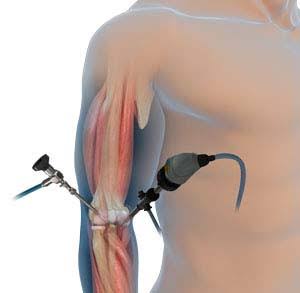
Commonly used surgical treatment options for Elbow Arthritis include the following:
Arthroscopic Debridement
It is a minimally invasive procedure to remove the debris from your elbow joint. Loose cartilage, inflammatory tissue, and bone spurs are removed to relieve pain and improve joint mobility.
Osteophyte Removal
The bony spurs causing joint dysfunction and pain in your elbow are surgically removed.
Interposition Arthroplasty
This is a joint-preserving procedure, in which soft tissues are inserted between joint surfaces. It relieves pain and improves function of the joint in certain patients.
Total Elbow Replacement
It is a procedure, in which the damaged joint is replaced with the artificial joint. It is used for severe arthritis causing pain, extensive joint damage, and loss of function.
COMPLICATIONS
What Are the Potential Complications of Elbow Arthritis?
Although many patients are successfully managing their elbow arthritis with proper treatment, it may worsen over time in case of neglect or progressive joint damage. Timely diagnosis, treatment, and adherence to personalized treatment plan helps to minimize the risks of complications. Follow-up visits allow specialists to monitor the progression of the disease, preserve joint function and adjust the treatment accordingly.
Progressive Joint Deterioration
Continued wear of cartilage results in worsening joint damage, increasing pain, and dysfunction.
Pain
Chronic inflammation and joint deterioration cause continuous elbow pain.
Elbow Joint Stiffness
The joint becomes more and more stiff with progressing arthritis.
Elbow Joint Dysfunction
The joint becomes painful, stiff, and deteriorated resulting in limited function.
Connect with our experts and get the right guidance for your condition.
RECOVERY & OUTCOMES
What Is the Recovery Process After Elbow Arthritis Treatment?
RECOVERY & OUTCOMES
What Is the Recovery Process After Elbow Arthritis Treatment?
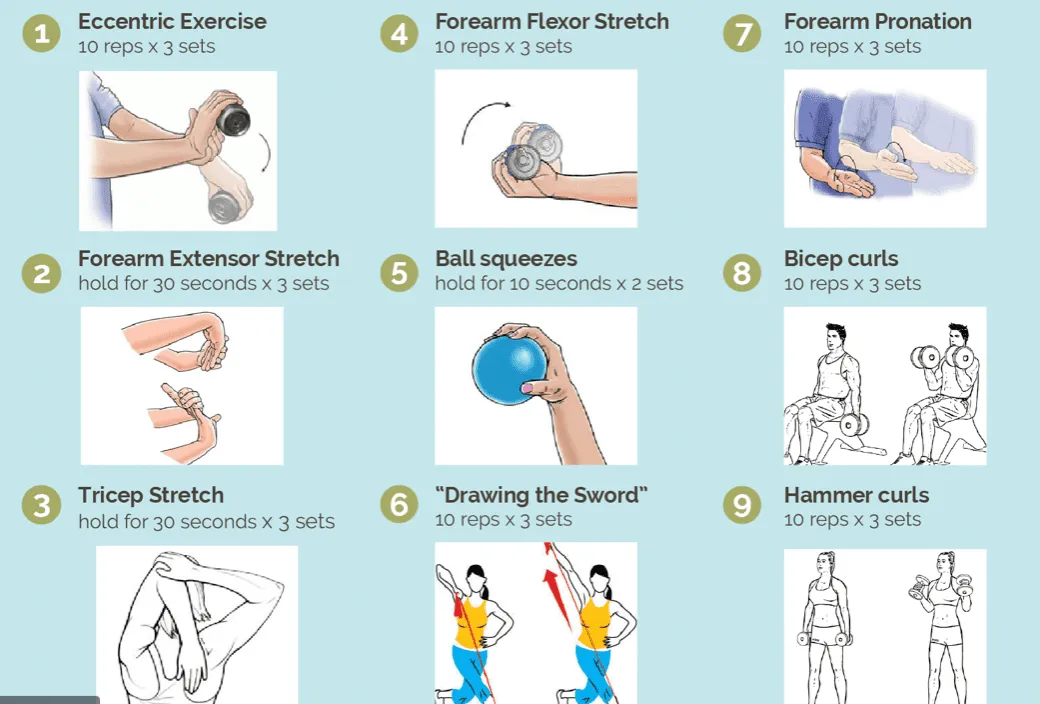
Elbow arthritis recovery after treatment depends on severity of your condition and type of treatment applied. Patients receiving non-surgical treatment will recover gradually with the help of rehabilitation, while those who undergo surgery will require personalized rehabilitation program for recovery. Proper physiotherapy helps patients to return to normal activities and to achieve the best possible results.
The recovery process after Elbow Arthritis treatment includes the following steps:
- Pain management and inflammation control
- Range of motion exercises to increase joint flexibility
- Exercises to strengthen the elbow, forearm, and surrounding muscles
- Physiotherapy to restore joint function and mobility
- Gradual return to work, recreation, and normal daily activities
AFTERCARE
Recovery & Aftercare for Elbow Arthritis
AFTERCARE
Recovery & Aftercare for Elbow Arthritis
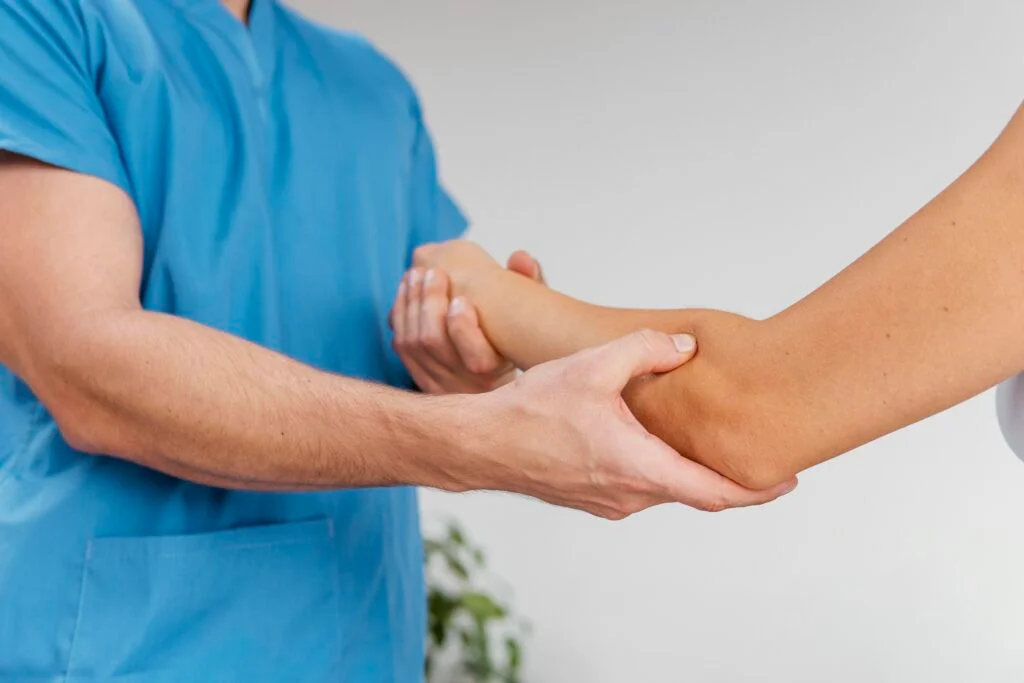
Management of elbow arthritis in the long term requires maintenance of joint mobility, alleviation of symptoms, and preservation of joint function. Adherence to the prescribed physiotherapy, rehabilitation, and healthy lifestyle may help you to reduce pain, increase mobility, and to stop the joint deterioration. Follow-up visits allow your specialist to monitor your condition and to adjust the treatment.
The following aftercare measures will promote recovery and joint health in the long term:
- Regular physiotherapy sessions to strengthen the joint, increase flexibility, and restore joint function.
- Regular practice of home exercises for maintenance of joint mobility.
- Activity modification to reduce the strain on your elbow.
- Healthy lifestyle and adherence to treatment regimen for joint protection and function preservation.
- Follow-up visits to monitor symptoms, joint function, and treatment progress.
FAQ'S
Do You Have Any Question?
Yes. Patients with elbow arthritis of mild to moderate severity can get rid of symptoms through physiotherapy, modifying physical activity, taking medication, and undergoing rehabilitation treatment.
Arthritis is a condition that usually lasts long enough. Even though the damage to the cartilage tissue is irreparable, it is possible to manage the symptoms, treat the joint and stop further deterioration of arthritis.
If you have persistent pain, significant stiffness, extensive damage to the cartilage, and impaired function of the elbow joint despite treatment without surgery.
The time of recovery depends on the surgery you underwent, the degree of arthritis and your body’s ability to heal. Your orthopedic will develop a personal program of rehabilitation.
Many patients can continue their normal daily activities with appropriate treatment, rehabilitation, and activity modification. Your specialist will advise which activities are safe and how to protect your elbow while maintaining an active lifestyle.