ARTHROSCOPY & SPORTS INJURY ASSOCIATES

OVERVIEW
What Is Tennis Elbow?
Tennis Elbow, scientifically referred to as Lateral Epicondylitis, is a condition characterized by irritation or degeneration of the tendons of the muscles that join the elbow with the lateral epicondyle. It is caused by repetitive stress or overuse of the tendons of the forearm muscles responsible for gripping, lifting, and wrist extension. It is often linked with playing racquet sports like tennis or badminton; however, it mostly affects manual laborers, tradesmen, office workers, or other individuals that perform repetitive movements.
Here are some facts about Tennis Elbow you should know about:
- Injury to the tendons that attach to the outside of the elbow
- Develops due to repetitive gripping, lifting, or wrist extension activities
- May cause pain, tenderness, and impaired grip strength
- Early treatment can speed up the healing process

Tennis Elbow, scientifically referred to as Lateral Epicondylitis, is a condition characterized by irritation or degeneration of the tendons of the muscles that join the elbow with the lateral epicondyle. It is caused by repetitive stress or overuse of the tendons of the forearm muscles responsible for gripping, lifting, and wrist extension. It is often linked with playing racquet sports like tennis or badminton; however, it mostly affects manual laborers, tradesmen, office workers, or other individuals that perform repetitive movements.
Here are some facts about Tennis Elbow you should know about:
- Injury to the tendons that attach to the outside of the elbow
- Develops due to repetitive gripping, lifting, or wrist extension activities
- May cause pain, tenderness, and impaired grip strength
- Early treatment can speed up the healing process
Surgeons Available for Consultations

Dr. Karnav Panchal
M.B.B.S, M.S. (Orthopedics),
FAOS (South Korea)
Consultant Arthroscopist & Sports Injury Specialist Consultant Joint Replacement Surgeon

Dr. Aniket Gupta
M.B.B.S, M.S. (Orthopedics),
MRCS (Edinburgh)
Training & Qualifications Fellowship in MRCS (UK) Arthroscopy & Arthroplasty (Milan, Italy)
Consultant Physiotherapist

Dr. Aarsh Bhatt
B.P.T,M.P.T (Cardio-Respiratory Disorders) MIAP , HCPC (UK) , DHA (UAE)
Consultant Physiotherapist

Dr. Hetvi Dimothe
BPT , M.P.T (Rehabilitation) MIAP, HCPC (UK) , DHA (UAE)
Consultant Physiotherapist
Causes
What Causes Tennis Elbow?
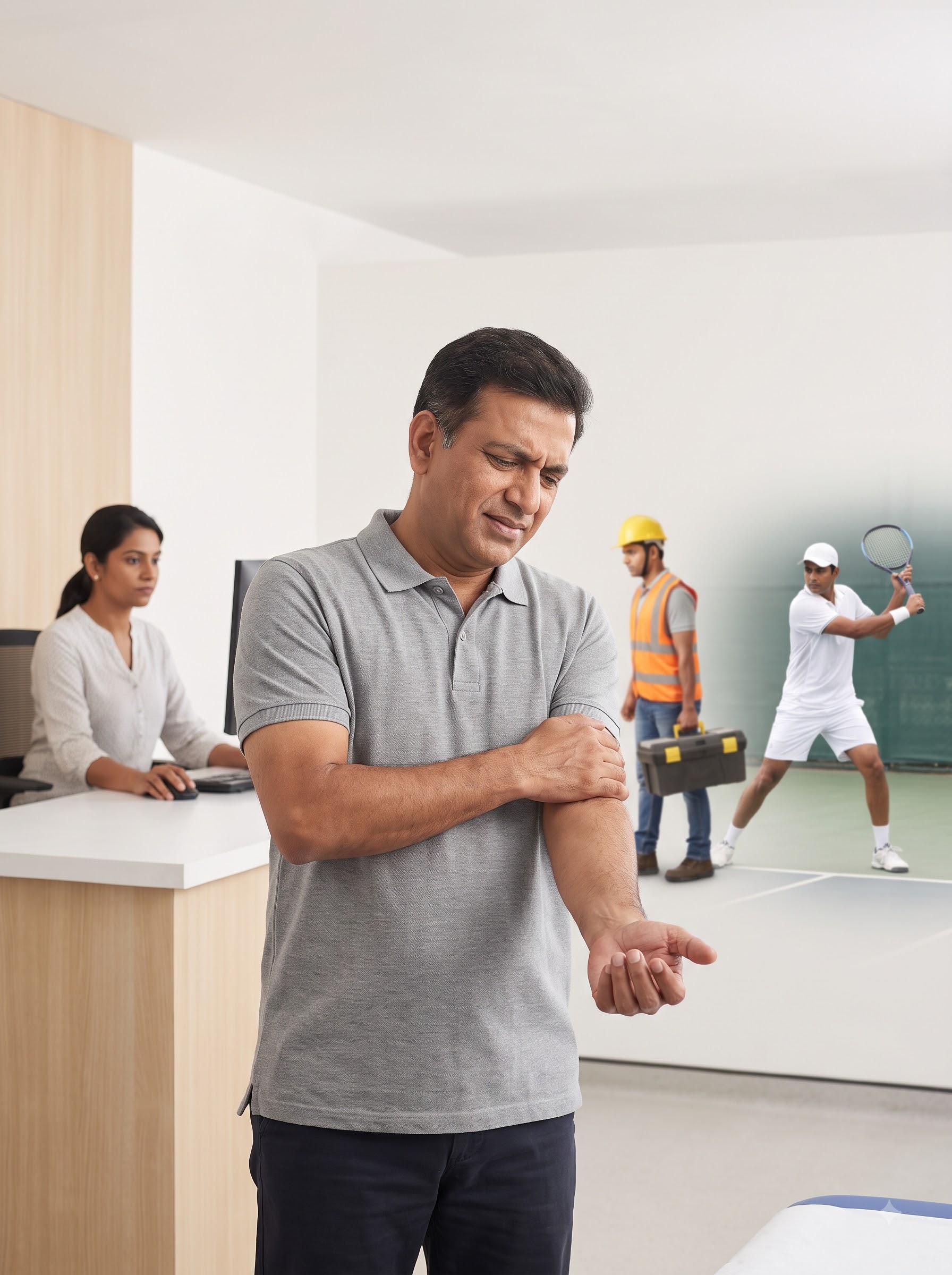
Tennis Elbow occurs when repetitive stress leads to excessive strain on the tendons that attach to the lateral epicondyle. Due to repeated loading, micro-traumas of the tendon occur that may progress to degeneration if there is no adequate healing process. This condition is often developed gradually due to repetitive activities, although it may also occur suddenly after physical overload of the forearm.
Causes
What Causes Tennis Elbow?
Tennis Elbow occurs when repetitive stress leads to excessive strain on the tendons that attach to the lateral epicondyle. Due to repeated loading, micro-traumas of the tendon occur that may progress to degeneration if there is no adequate healing process. This condition is often developed gradually due to repetitive activities, although it may also occur suddenly after physical overload of the forearm.
Tennis Elbow can be caused by:
- Gripping or lifting
- Repetitive wrist extension and forearm movements
- Playing racquet sports like tennis or badminton
- Manual labor involving repetitive movements
- Poor technique or excessive training when engaging in sport
What Else May Be Impacted by Tennis Elbow?
Even though the initial injury happens to the extensor tendons, prolonged symptoms or severe overuse may affect other anatomical structures that assist in elbow movement and its stability.
- Extensor tendon complex
- Forearm muscles
- Lateral collateral ligament complex
- Radial nerve
- Joint capsule
- Soft tissues
SYMPTOMS
What Are the Symptoms of Tennis Elbow?
The symptoms usually develop gradually and become more prominent during repetitive forearm movements. The intensity of the symptoms is different for every individual, depending on the degree of the tendon damage and the level of activity of the patient. Early treatment helps to ease the pain, restore the tendon's function, and prevent further tendon degeneration.

Outer Elbow Pain
Pain in the elbow area is usually felt in the lateral epicondyle and gets worse during gripping, lifting, and wrist extension movements.
Tenderness in the Lateral Part of the Elbow
The tenderness in the region may appear while pressing or touching the area.
Reduced Grip Strength
Weakness in the forearm muscles may decrease grip strength.
These symptoms may lead to chronic tendon degeneration and pain, weak grip strength, and reduced elbow function in the future.
Connect with our experts and get the right guidance for your condition.
Wrist Extension Pain
Pain in the elbow may be intensified by the wrist extension or carrying objects with the palm facing down.
Stiffness
Stiffness of the elbow may appear after rest and repetitive activities.
Pain Spread to the Forearm
Some patients may experience pain in the lateral part of the elbow spreading to the forearm.
Problems With Every Day Activities
Lifting objects, twisting jars, shaking hands, typing, or using tools may become painful and difficult.
Connect with our experts and get the right guidance for your condition.
BOOK CONSULTATIONDIAGNOSIS
How Do Doctors Diagnose Tennis Elbow?
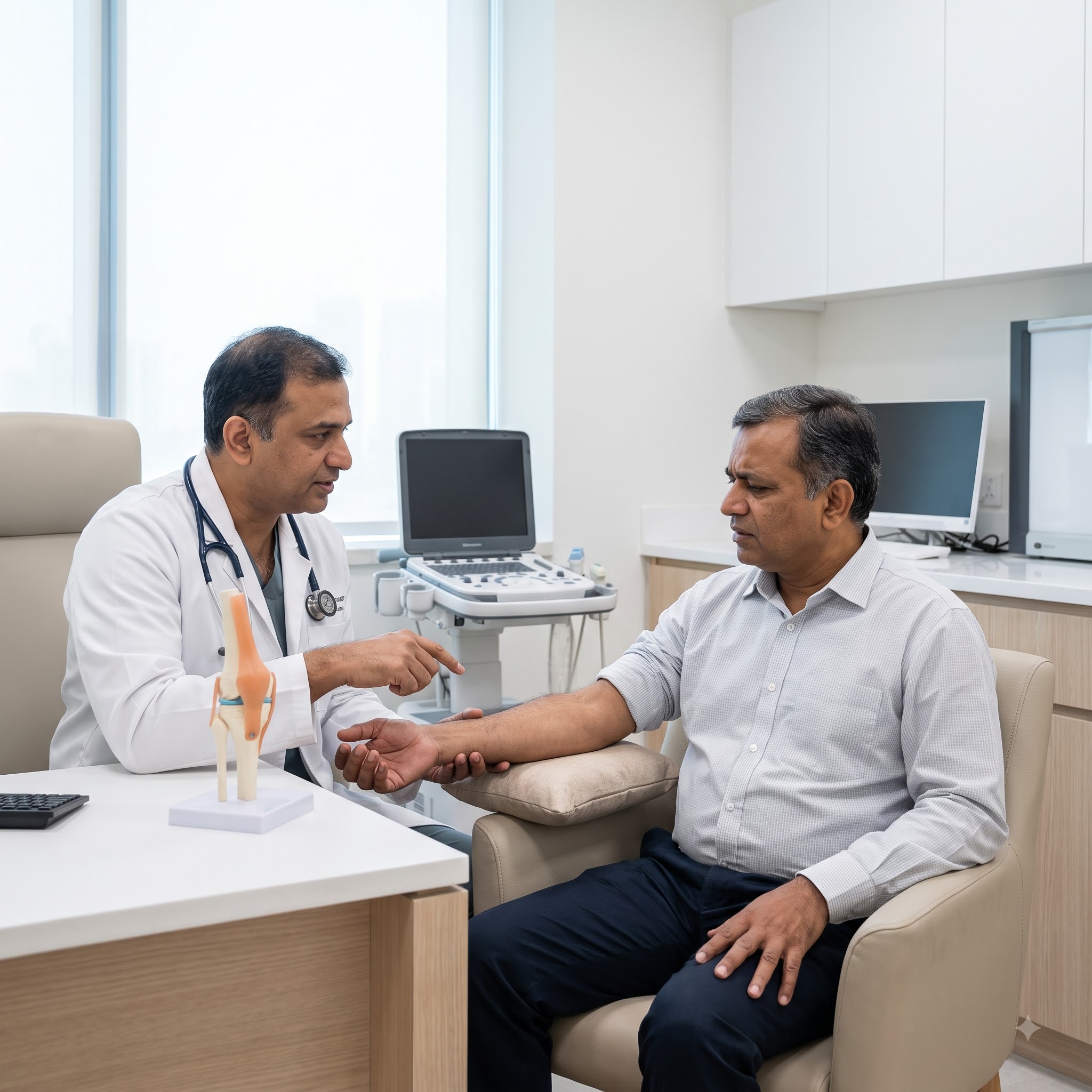
The physicians diagnose Tennis Elbow based on the description of the symptoms and physical examination. They assess tenderness in the region of the lateral epicondyle, pain during resistance of wrist extension, grip strength, and overall elbow function. The imaging examinations are recommended to confirm tendon injury, exclude other pathologies or associated injuries in case of persistent symptoms. At ALIGN ASIA, a thorough examination helps to diagnose the disease and create an individualized treatment plan.
DIAGNOSIS
How Do Doctors Diagnose Tennis Elbow?
The physicians diagnose Tennis Elbow based on the description of the symptoms and physical examination. They assess tenderness in the region of the lateral epicondyle, pain during resistance of wrist extension, grip strength, and overall elbow function. The imaging examinations are recommended to confirm tendon injury, exclude other pathologies or associated injuries in case of persistent symptoms. At ALIGN ASIA, a thorough examination helps to diagnose the disease and create an individualized treatment plan.
Tennis Elbow can be diagnosed with the following methods:
- Physical examination of pain, tenderness, grip strength, range of motion, and elbow function
- Imaging examinations of tendon injury and other conditions
- Ultrasound
- MRI
- X-rays (in case of other suspected bone or joint conditions)
TREATMENT
What Is the Treatment for Tennis Elbow?
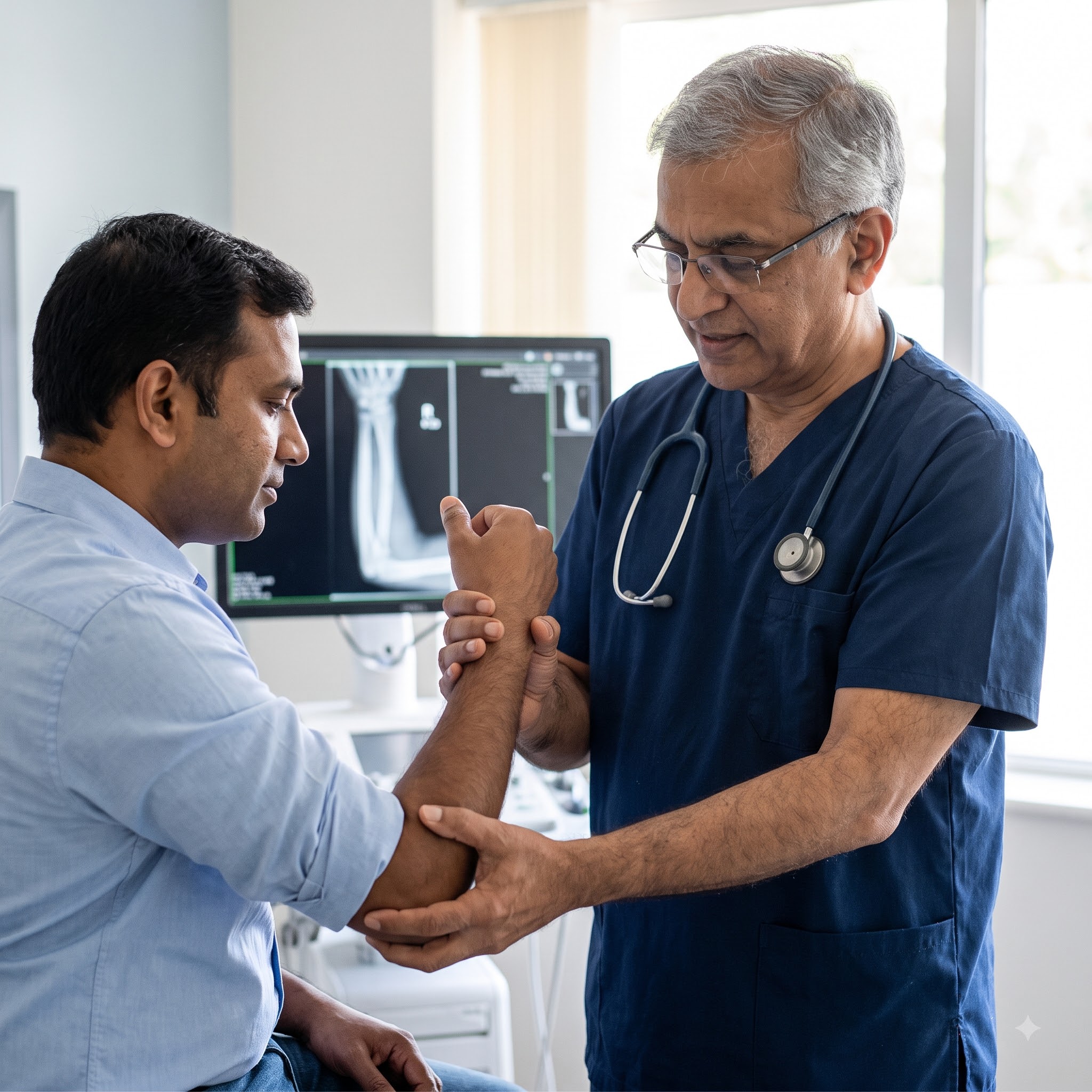
Treatment usually depends on the degree of the tendon damage, duration of the symptoms, activity of the patient, and his/her goals. Most patients respond well to conservative treatment, although sometimes surgery may be necessary. Early treatment helps to relieve pain, promote healing, improve tendon strength, and prevent chronic elbow dysfunction.
Pain Management
Helps to reduce pain and inflammation and makes everyday activities comfortable.
Activity Modification
Reduces repetitive gripping, lifting, and wrist extension to allow the tendon to heal.
Physiotherapy
Improves flexibility and strengthens the muscles of the forearm.
Tendon Rehabilitation
Promotes recovery of the normal functions with specific rehabilitation.
Surgery
Required in cases where symptoms are persistent despite non-surgical treatment.
NON-SURGICAL CARE
How is Tennis Elbow Treated Without Surgery?
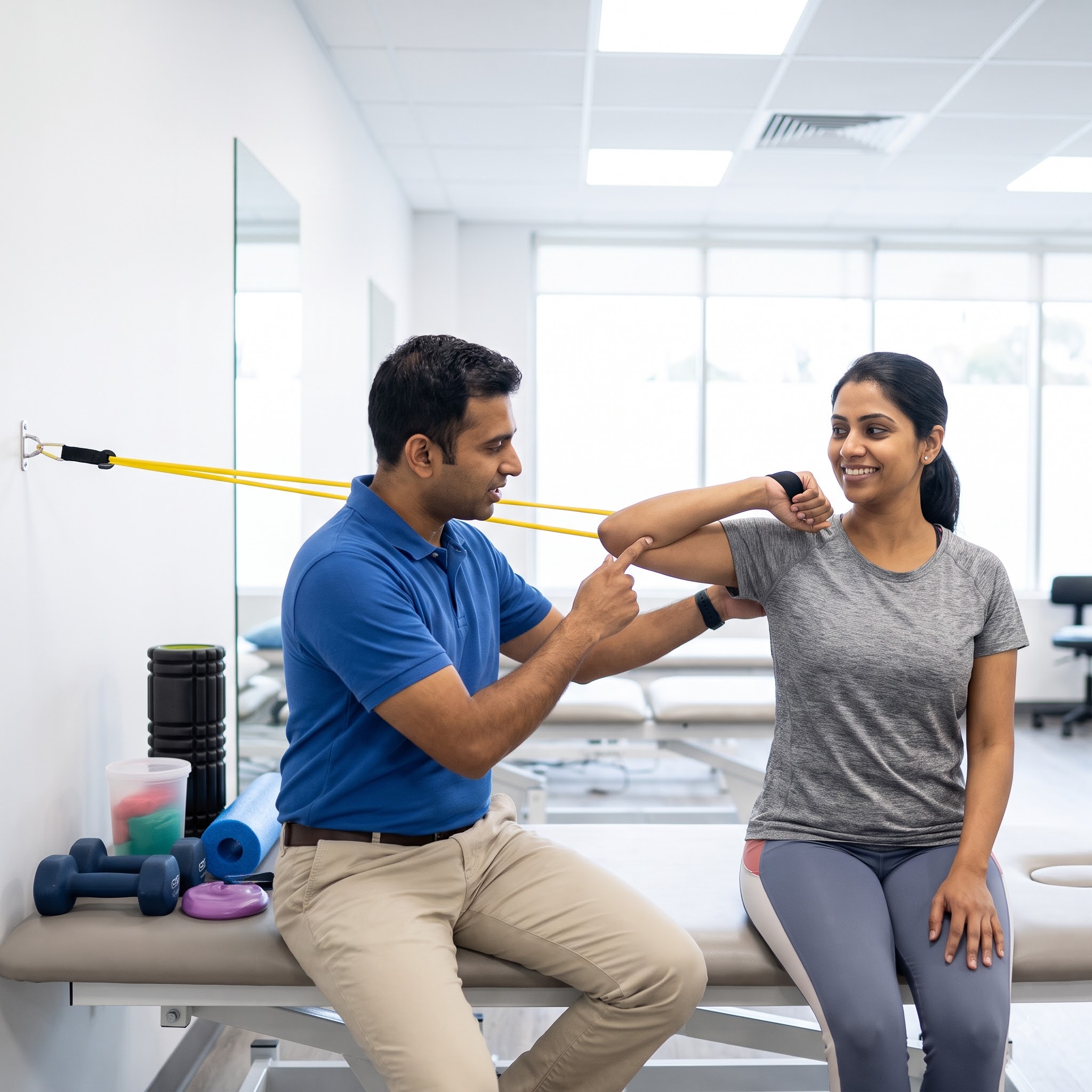
Fortunately, most patients with Tennis Elbow recover without surgery. Non-surgical treatment is aimed at unloading of the tendon, reducing pain, improving flexibility, strengthening muscles, and restoring tendon functions. An individualized rehabilitation program may help to minimize the possibility of recurrence of symptoms.
NON-SURGICAL CARE
How is Tennis Elbow Treated Without Surgery?
Fortunately, most patients with Tennis Elbow recover without surgery. Non-surgical treatment is aimed at unloading of the tendon, reducing pain, improving flexibility, strengthening muscles, and restoring tendon functions. An individualized rehabilitation program may help to minimize the possibility of recurrence of symptoms.
Non-surgical treatment methods include:
- Physiotherapy programs that aim at tendon strengthening and flexibility improvement
- Activity modification that helps to unload the injured tendon
- Anti-inflammatory and pain-relieving medications
- Stretching and strengthening exercises
RISKS OF NO TREATMENT
When Is Surgery Required for Tennis Elbow?
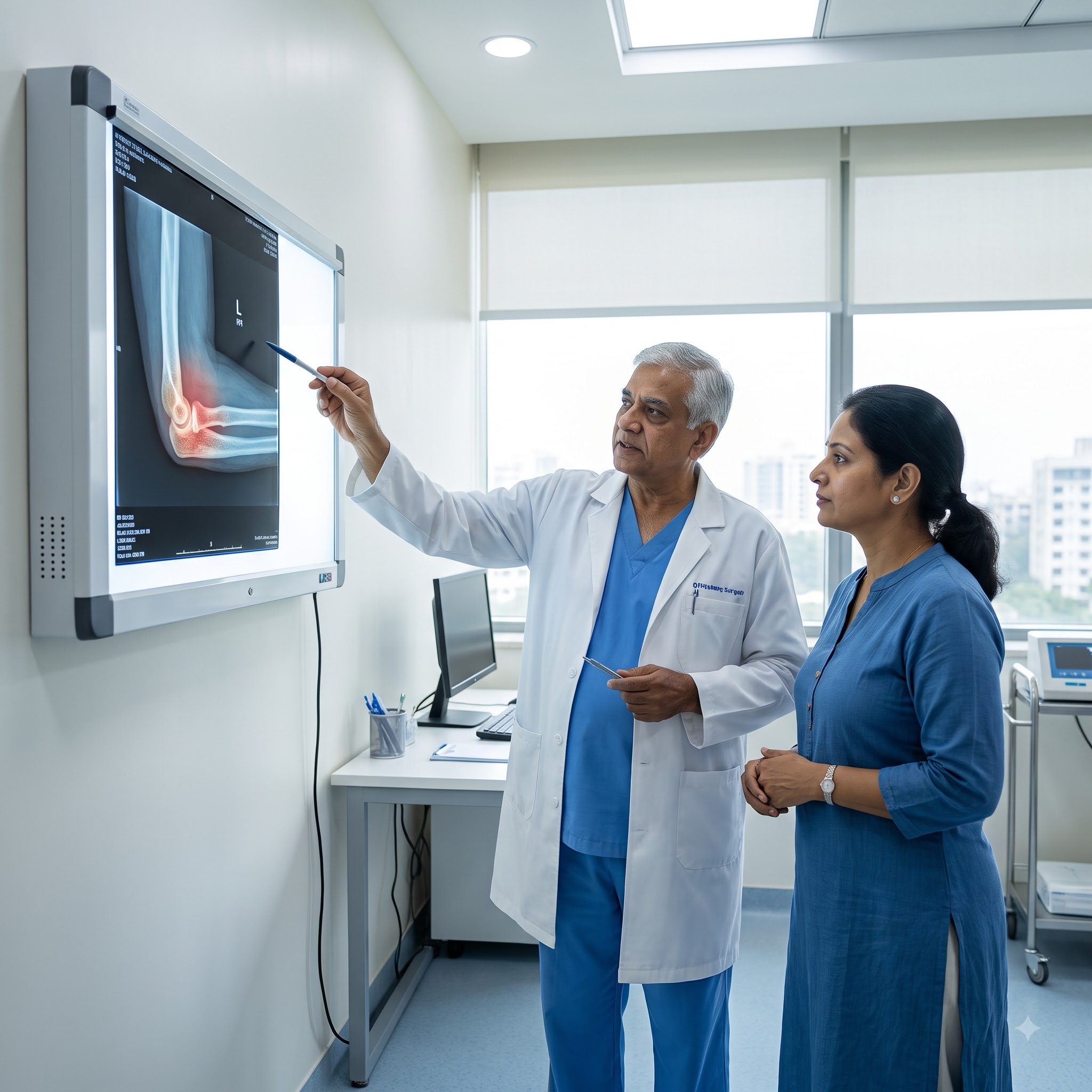
Although the majority of patients recover without surgical intervention, sometimes surgery may be required in case of persisting symptoms despite comprehensive rehabilitation. In case of chronic tendon degeneration and inability to function normally, sport or work, surgery may be considered as the next step. The main purpose of the surgical treatment is to remove the damaged tendon and restore the healthy tendon's function.
RISKS OF NO TREATMENT
When Is Surgery Required for Tennis Elbow?
Although the majority of patients recover without surgical intervention, sometimes surgery may be required in case of persisting symptoms despite comprehensive rehabilitation. In case of chronic tendon degeneration and inability to function normally, sport or work, surgery may be considered as the next step. The main purpose of the surgical treatment is to remove the damaged tendon and restore the healthy tendon's function.
Surgery is usually required in the following situations:
- Persisting pain despite non-surgical treatment
- Degeneration of the tendon that interferes with the functionality
- Persisting symptoms affecting daily activities, work or sport
- Failure to recover after the non-surgical treatment
SURGERY
What Surgical Options Are Available for Tennis Elbow?
There are several surgical interventions available for patients with Tennis Elbow, whose symptoms do not improve after non-surgical treatment. The type of the procedure depends on the degree of the damage, duration of the disease, activity of the patient, and his/her functional goals. At ALIGN ASIA, the treatment plan is created individually for every patient to achieve the best possible results.
The most common surgical treatment options are:
Open Tendon Debridement and Repair
This procedure involves removal of the damaged tissue of the tendon and restoration of the tendon.
Tendon Release and Repair
The damaged tendon is gently released to reduce its tension and is subsequently repaired or reattached.
Arthroscopic Treatment
Minimally invasive procedure that allows treating the tendon pathology and associated elbow conditions.
SURGERY
What Surgical Options Are Available for Tennis Elbow?
There are several surgical interventions available for patients with Tennis Elbow, whose symptoms do not improve after non-surgical treatment. The type of the procedure depends on the degree of the damage, duration of the disease, activity of the patient, and his/her functional goals. At ALIGN ASIA, the treatment plan is created individually for every patient to achieve the best possible results.
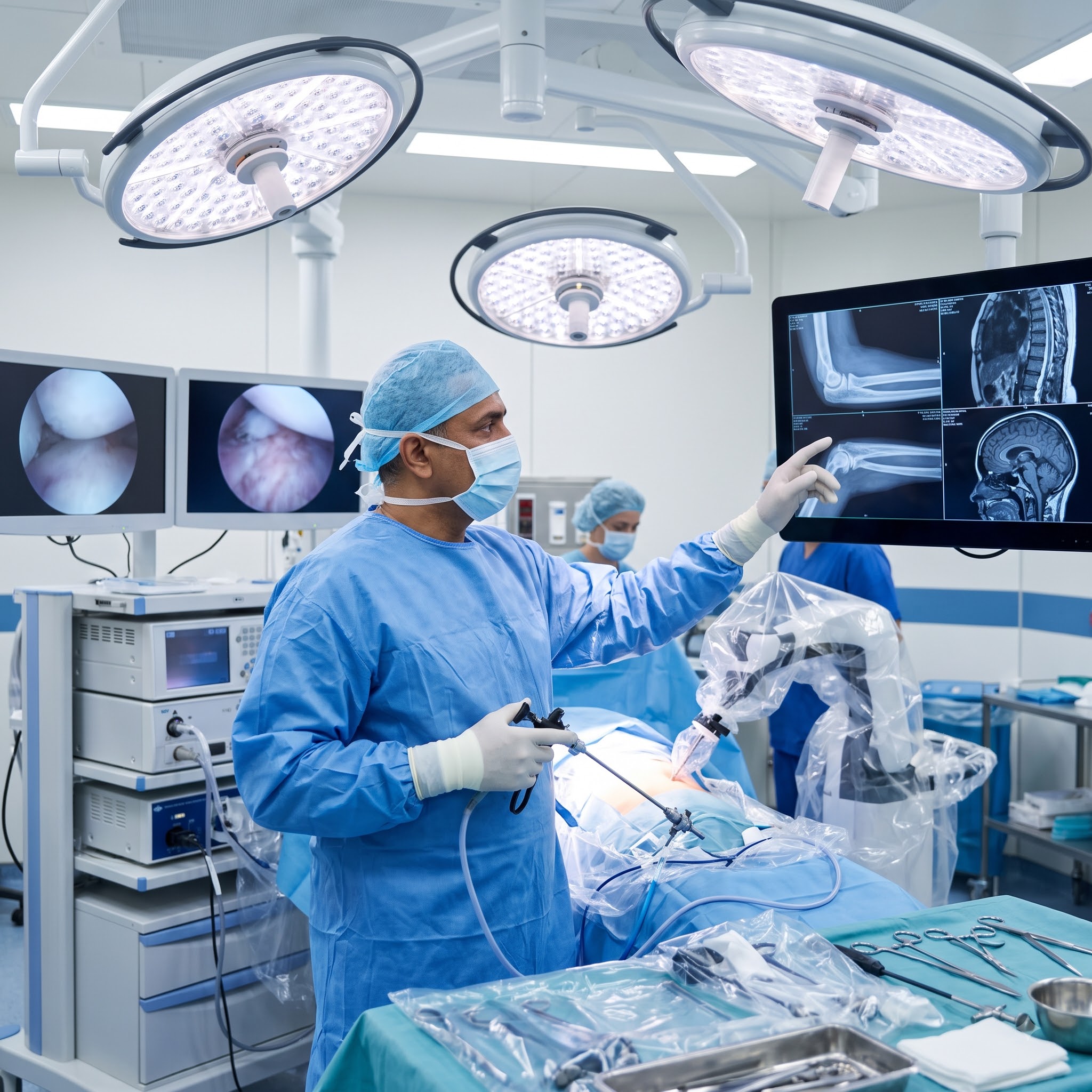
The most common surgical treatment options are:
Open Tendon Debridement and Repair
This procedure involves removal of the damaged tissue of the tendon and restoration of the tendon.
Tendon Release and Repair
The damaged tendon is gently released to reduce its tension and is subsequently repaired or reattached.
Arthroscopic Treatment
Minimally invasive procedure that allows treating the tendon pathology and associated elbow conditions.
COMPLICATIONS
What Are the Possible Complications of Tennis Elbow?
Even though most patients recover with proper treatment, the complication may happen if the disease is not treated or progresses over time. Early diagnosis and treatment as well as adherence to the rehabilitation program help to minimize the risk. Periodic visits to the specialists help to monitor the healing process and optimize elbow functions.
Chronic Elbow Pain
Prolonged tendon degeneration may lead to continuous pain that limits sport or daily activities.
Reduced Grip Strength
Weakness of the forearm muscles may limit gripping, lifting, or carrying objects.
Elbow Stiffness
Pain and reduced activity of the elbow may limit its flexibility and range of motion.
Tendon Degeneration
If the condition remains untreated or recurs, tendon degeneration may occur which makes recovery more complicated.
Connect with our experts and get the right guidance for your condition.
RECOVERY & OUTCOMES
What Is the Recovery Process after Tennis Elbow Treatment?

RECOVERY & OUTCOMES
What Is the Recovery Process after Tennis Elbow Treatment?
Recovery after treatment of Tennis Elbow depends on the severity of the condition and type of the treatment. Patients that did not undergo surgery will recover gradually due to the rehabilitation, while the surgery requires the rehabilitation program to restore tendon functions and strength. A personalized rehabilitation program will help to safely return to work, sports, and normal activities.
The recovery process after treatment of Tennis Elbow usually involves:
- Pain relief and inflammation reduction
- Stretching exercises to restore flexibility
- Strengthening exercises of the forearm, wrist, and elbow muscles
- Physiotherapy that helps to heal the tendon and improve the upper limb functions
- Return to work, sports, and repetitive activities based on recovery
AFTERCARE
Recovery & Aftercare for Tennis Elbow

AFTERCARE
Recovery & Aftercare for Tennis Elbow
Successful recovery depends on the protection of the healing tendon and gradual restoration of strength and function. Adherence to the rehabilitation program and absence of excessive strain during the recovery period will help to alleviate the symptoms, prevent recurrence, and achieve good results. Periodic visits to the specialists will help to monitor your healing and adapt treatment according to your progress.
The following aftercare measures are recommended for the recovery:
- Attend physiotherapy sessions regularly to improve flexibility, strength, and elbow function.
- Perform prescribed stretching and strengthening exercises consistently at home.
- Return to gripping, lifting, sports, and occupational activities as advised by your specialists.
- Avoid repetitive movements or excessive loading until the tendon will be healed.
- Attend scheduled follow-up appointments to monitor the recovery and prevent recurrence.
FAQ'S
Do You Have Any Question?
Yes. The majority of patients are effectively treated without the need for surgical intervention, which includes physiotherapy, modification of physical activities, pain relief and rehabilitation programmes.
Recovery period from tennis elbow varies from patient to patient, depending on the injury severity, treatment chosen and the healing process. Your specialist will determine the time needed for recovery.
Return to sports and manual labor is dependent on pain elimination, regained strength of muscles and completing the rehabilitation programme. Your specialist will tell you when you can safely perform these actions.
Surgery is one of the established orthopedic operations and is considered to be rather safe, as it is performed by highly skilled specialists and involves rehabilitation.
Yes. It is possible to experience Tennis Elbow again if you do not change your physical activities and complete the rehabilitation programme.