ARTHROSCOPY & SPORTS INJURY ASSOCIATES

OVERVIEW
What is Knee Osteotomy Treatment?
A knee osteotomy treatment is an operation that aims at improving the alignment of the knee joint by reducing pressure on joint areas that have been damaged. Knee osteotomy entails the modification of bone structure near the knee joint to help balance the weight load on it as one moves. Knee osteotomy treatment is usually indicated for people who suffer from uneven joint degeneration, arthritis, and joint misalignment.
Here are some key points to understand Knee Osteotomy Treatment better:
- Osteotomy of the knee is effective in aligning joints and alleviating pressure on the damaged knee joints.
- The process ensures equal distribution of body weight when walking and moving.
- The treatment is usually recommended for people with arthritis, knee pain, or movement problems due to joint misalignment.
- Rehabilitation makes the patient more physically active and stable after the surgery.
A knee osteotomy treatment is an operation that aims at improving the alignment of the knee joint by reducing pressure on joint areas that have been damaged. Knee osteotomy entails the modification of bone structure near the knee joint to help balance the weight load on it as one moves. Knee osteotomy treatment is usually indicated for people who suffer from uneven joint degeneration, arthritis, and joint misalignment.
Here are some key points to understand Knee Osteotomy Treatment better:
- Osteotomy of the knee is effective in aligning joints and alleviating pressure on the damaged knee joints.
- The process ensures equal distribution of body weight when walking and moving.
- The treatment is usually recommended for people with arthritis, knee pain, or movement problems due to joint misalignment.
- Rehabilitation makes the patient more physically active and stable after the surgery.
Surgeons Available for Consultations

Dr. Karnav Panchal
M.B.B.S, M.S. (Orthopedics),
FAOS (South Korea)
Consultant Arthroscopist & Sports Injury Specialist Consultant Joint Replacement Surgeon

Dr. Aniket Gupta
M.B.B.S, M.S. (Orthopedics),
MRCS (Edinburgh)
Training & Qualifications Fellowship in MRCS (UK) Arthroscopy & Arthroplasty (Milan, Italy)
Consultant Physiotherapist

Dr. Aarsh Bhatt
B.P.T,M.P.T (Cardio-Respiratory Disorders) MIAP , HCPC (UK) , DHA (UAE)
Consultant Physiotherapist

Dr. Hetvi Dimothe
BPT , M.P.T (Rehabilitation) MIAP, HCPC (UK) , DHA (UAE)
Consultant Physiotherapist
Causes
What Causes Knee Osteotomy?
Osteotomy on the knee is generally advised when there is a problem with joint stress that causes wear on the knee on one side. Arthritis, past injuries, faulty knee joint alignment, cartilage wear, and excess stress due to physical activity can all cause joint problems leading to pain and difficulty moving.
Causes
What Causes Knee Osteotomy?
Osteotomy on the knee is generally advised when there is a problem with joint stress that causes wear on the knee on one side. Arthritis, past injuries, faulty knee joint alignment, cartilage wear, and excess stress due to physical activity can all cause joint problems leading to pain and difficulty moving.
Knee Osteotomy may be required due to the following conditions and activities:
- Uneven knee joints leading to increased joint pressure
- Arthritis leading to deterioration of knee cartilage
- Injuries previously incurred on the knee joints
- Strain placed on the knee joints when moving
- Worn down knee cartilage
What Other Structures Can Be Affected Along with Knee Osteotomy Treatment?
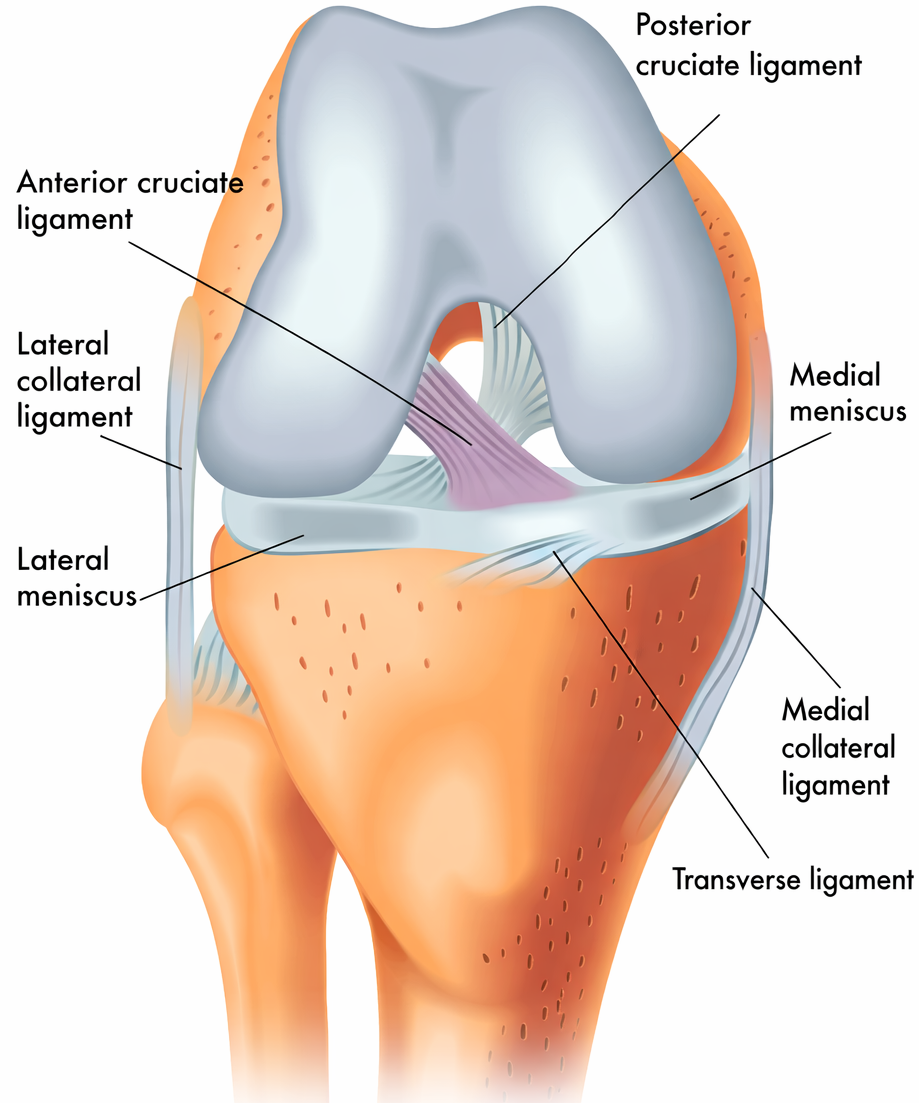
In addition to the knee joints that suffer damage due to uneven pressures and instability of the joints, surrounding structures might be damaged too. Cartilage tissues, ligaments, tendons, muscles, and even bones might become strained, inflamed, or weak, making physical actions more uncomfortable and difficult for patients.
- Surrounding ligaments strains
- Cartilage surface damages
- Tendon tissue irritation
- Weakness of surrounding muscles
- Joint capsules swellings
- Surrounding bone stresses
SYMPTOMS
What are the Symptoms of Knee Osteotomy?
Symptoms in early knee osteotomy involve pain, swelling, stiffness, and difficulties moving, particularly during walking, standing, ascending stairs, performing physical activities, or any repetitive motion involving weight-bearing movements on a consistent basis.

Continuous Knee Pain
An uneven distribution of joint pressures is likely to result in continuous knee pain during walking, standing, stair climbing, or participating in other physical activities easily.
Joint Stiffness
Degenerative changes within the knees may lead to joint stiffness, preventing individuals from freely performing various physical activities.
Reduced Joint Movement
Joint stiffness and instability may eventually limit joint movement capabilities while walking, performing exercises, or engaging in other physical tasks.
Neglecting knee osteotomy symptoms may contribute to joint instability and increased cartilage damage, ultimately requiring surgery for regaining knee movement.
Connect with our experts and get the right guidance for your condition.
Swelling Around the Joints
Individuals may notice the presence of swelling and soreness in their knee joints during movement activities on a frequent basis.
Weakness in the Knees
Joint stiffness is likely to cause joint weakness, making movement uncomfortable.
Grinding Sensation in the Joints
A few patients report a grinding sensation in their affected knees while bending or moving them on a consistent basis.
Difficulty Moving
Pain and stiffness can affect walking, ascending stairs, or performing physical exercises.
Connect with our experts and get the right guidance for your condition.
BOOK CONSULTATIONDIAGNOSIS
How Does the Doctor Diagnose Knee Osteotomy?
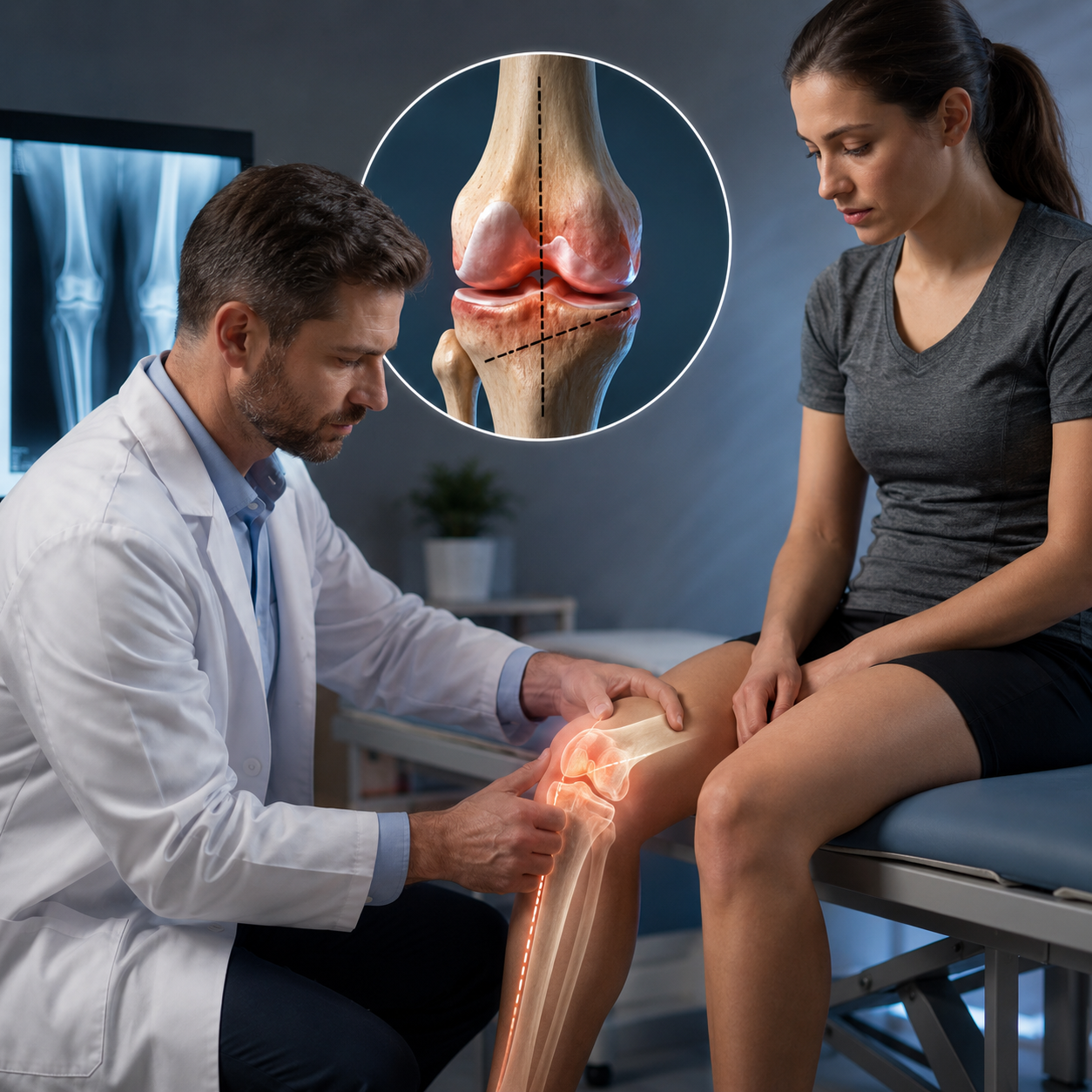
Diagnosis generally starts with discussing the patient's symptoms, studying the patient's health records, and conducting a thorough examination of the patient's knee joint. Doctors look out for such signs as joint pain, joint swelling, joint stiffness, abnormal joint alignment, and restricted joint movements in the physical examinations conducted on the knees. If they find any of these symptoms in patients, further tests will be needed to confirm damage in the joint and find out whether knee osteotomy is necessary.
DIAGNOSIS
How Does the Doctor Diagnose Knee Osteotomy?
Diagnosis generally starts with discussing the patient's symptoms, studying the patient's health records, and conducting a thorough examination of the patient's knee joint. Doctors look out for such signs as joint pain, joint swelling, joint stiffness, abnormal joint alignment, and restricted joint movements in the physical examinations conducted on the knees. If they find any of these symptoms in patients, further tests will be needed to confirm damage in the joint and find out whether knee osteotomy is necessary.
Knee Osteotomy Diagnosis includes the following:
- A physical exam to examine joint alignment, joint swelling, and movement range.
- Imaging test to diagnose joint damage and associated tissue problems.
- MRI
- X-ray
TREATMENT
What is the Treatment for Knee Osteotomy?
Knee osteotomy is influenced by the extent of joint damage, alignment of the knee joint, ability to move, and the general state of the body. In mild conditions, patients are treated using therapy and medication. Patients with severe joint injuries are normally operated on. Early treatment can help prevent complications, restore stability in the knees, and enable one to walk comfortably again.
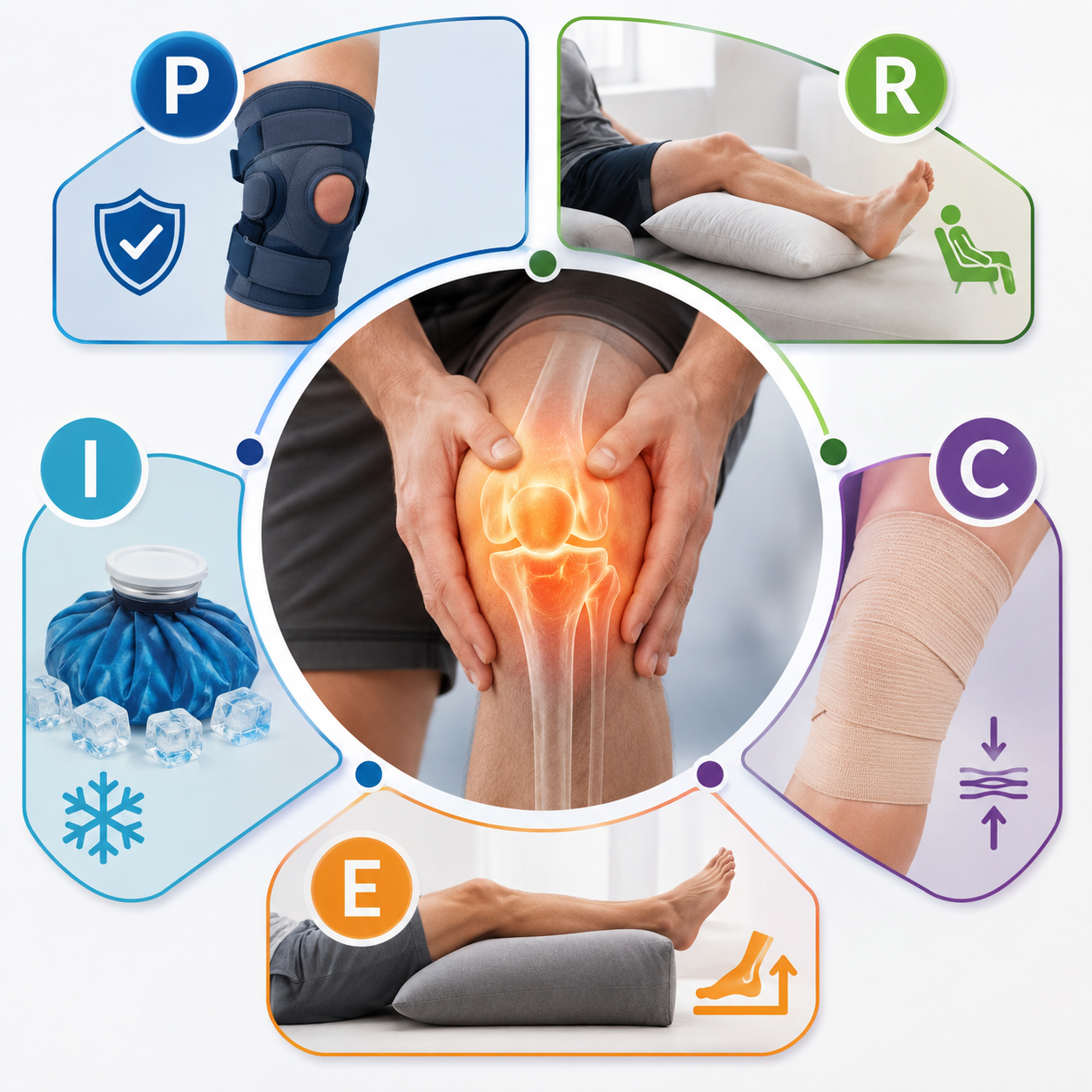
Doctors use a systematic method to treat knee injuries, such as the PRICE approach.
P
Protection
Prevents further knee stress
R
Rest
Promotes comfortable tissue repair
I
Ice Therapy
Minimizes swelling and pain
C
Compression
Allows controlling knee joint inflammation
E
Elevation
Enhances blood flow during recovery
NON-SURGICAL CARE
How is Knee Osteotomy Treated Without Surgery?
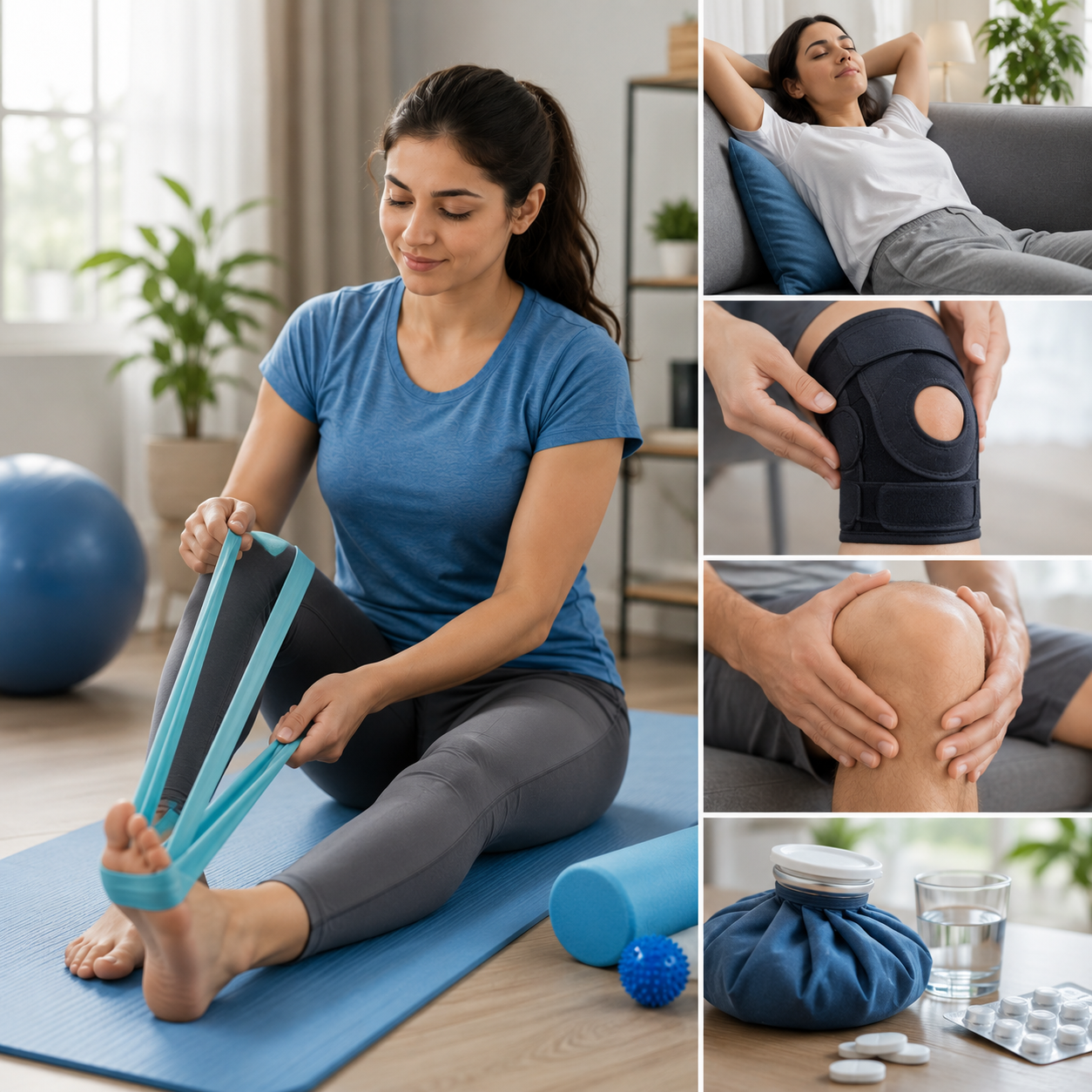
Not all knee osteotomy cases require surgery, especially mild alignment problems or early-stage joint conditions diagnosed promptly. Many patients manage symptoms successfully through proper rest, physiotherapy, supportive braces, pain-relief medications, and guided rehabilitation programs. Non-surgical treatment focuses on reducing pain, improving knee stability, restoring comfortable movement, and supporting long-term joint function without invasive procedures or extended hospital recovery periods.
NON-SURGICAL CARE
How is Knee Osteotomy Treated Without Surgery?
Not all knee osteotomy cases require surgery, especially mild alignment problems or early-stage joint conditions diagnosed promptly. Many patients manage symptoms successfully through proper rest, physiotherapy, supportive braces, pain-relief medications, and guided rehabilitation programs. Non-surgical treatment focuses on reducing pain, improving knee stability, restoring comfortable movement, and supporting long-term joint function without invasive procedures or extended hospital recovery periods.
Non-surgical methods include:
- Physiotherapy exercises help strengthen surrounding muscles, improve flexibility, and restore comfortable knee movement during gradual recovery periods.
- Rest and activity modification reduce excessive pressure on affected joints, supporting natural healing and improved physical comfort.
- Supportive knee braces help stabilize joints and prevent additional strain during walking, exercise, and physical activity routines.
- Anti-inflammatory medications may reduce swelling, relieve discomfort, and improve overall mobility throughout rehabilitation and recovery periods.
When Does Knee Osteotomy Require Surgery?
When Does Knee Osteotomy Require Surgery?
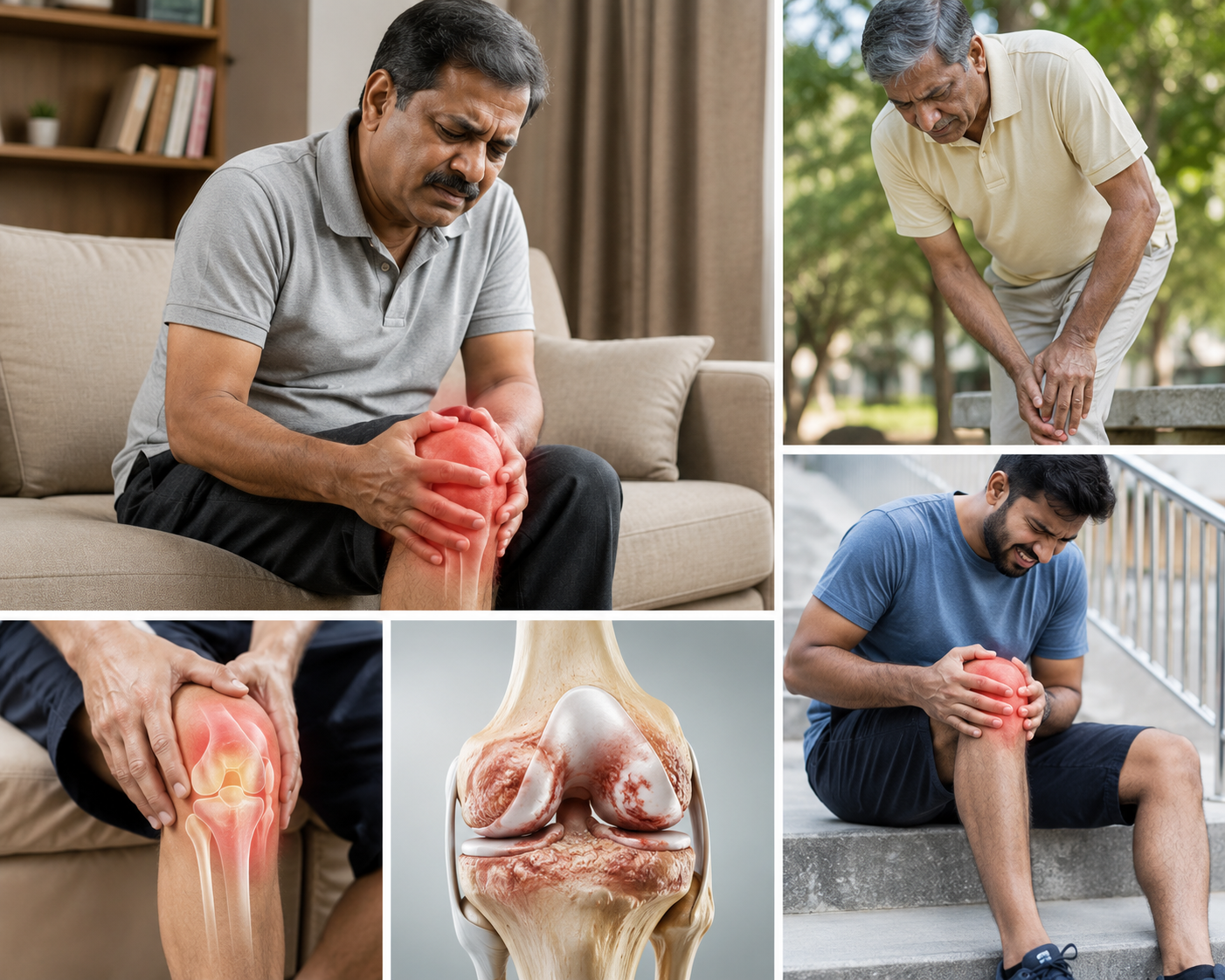
Neglecting knee misalignment issues may make it worse and could cause problems with joint pain, stiffness, swelling, and difficulty moving around in everyday situations. Neglecting joint damage may lead to the development of other conditions such as damage to the joint cartilage and knee instability over time.
Early intervention is helpful to prevent future problems, aid recovery, and protect against further joint damage that could occur as a result.
- Joint damage may cause knee instability in the future
- Neglecting problems may cause more severe cartilage damage
- Persistent joint pain may restrict physical activity
- Severe joint damage may require surgery
SURGERY
What is Knee Osteotomy Surgery?
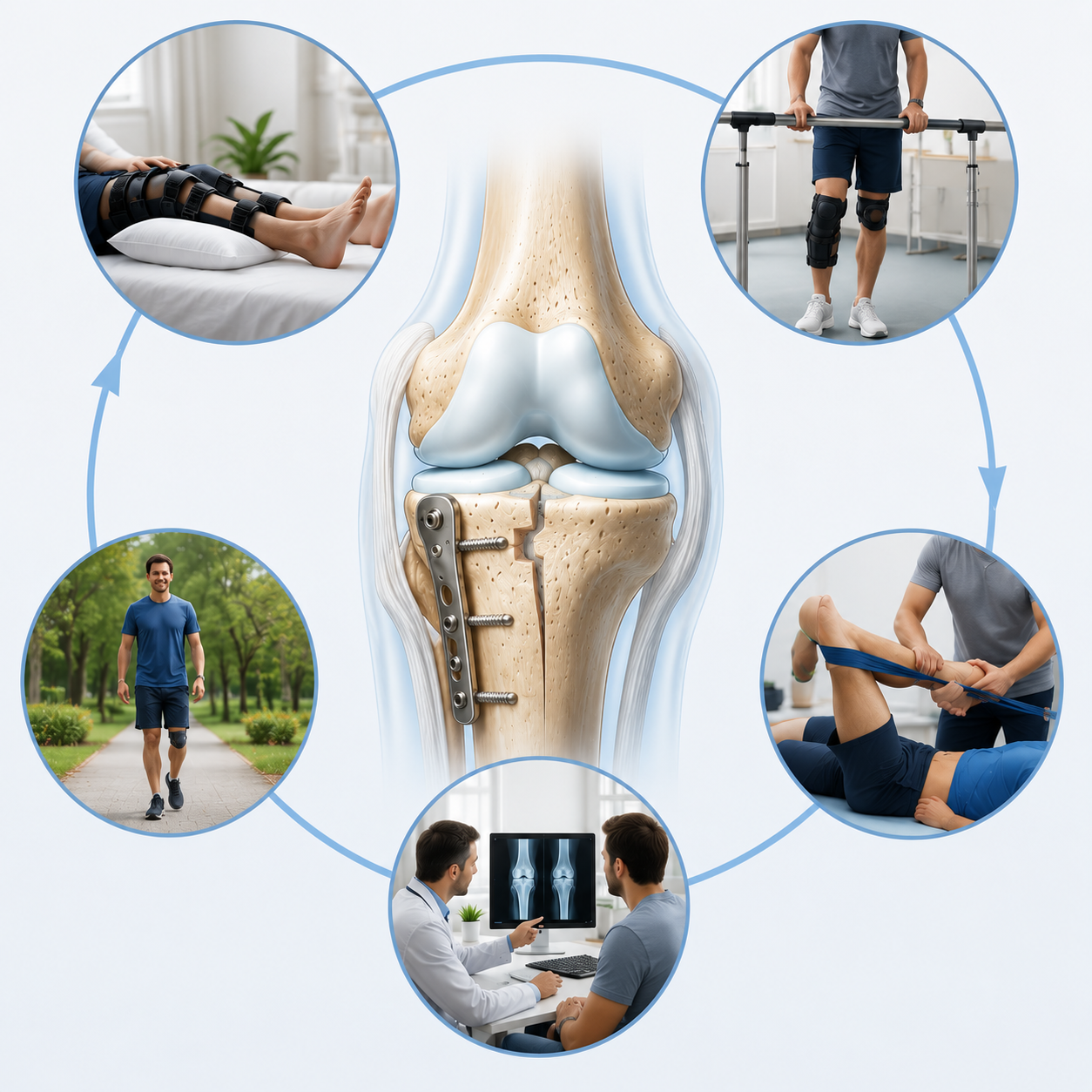
The knee osteotomy procedure involves altering bone structure around the knee in order to make the weight distribution even in the joint. It entails realigning the knee bones to ensure that the knee is properly aligned and that no excessive pressure is placed on the affected joints. When there is an uneven distribution of weight on one side of the knee, it causes knee pain and instability. Knee osteotomy aims at alleviating pain and improving knee joint function through proper rehabilitation and physiotherapy procedures.
Knee Osteotomy procedure is performed using the following steps and techniques:
- The physician first checks on the knee alignment and plans the best treatment option beforehand.
- Anesthesia is first administered before performing safe surgical cuts in the problem joint area of the knee.
- Two forms of corrective surgeries used: opening and closing wedge procedures.
- Surgical realignment of knee bones is done carefully to restore proper alignment.
- Fixation aids aid in stabilizing the bones during healing.
- Physicians assess for proper alignment of the bones before completing the procedure.
- Rehabilitation is done following surgery for proper mobility and recovery.
SURGERY
What is Knee Osteotomy Surgery?
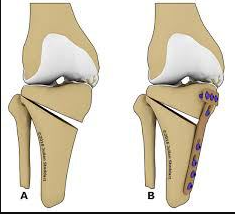
The knee osteotomy procedure involves altering bone structure around the knee in order to make the weight distribution even in the joint. It entails realigning the knee bones to ensure that the knee is properly aligned and that no excessive pressure is placed on the affected joints. When there is an uneven distribution of weight on one side of the knee, it causes knee pain and instability. Knee osteotomy aims at alleviating pain and improving knee joint function through proper rehabilitation and physiotherapy procedures.
Knee Osteotomy procedure is performed using the following steps and techniques:
- The physician first checks on the knee alignment and plans the best treatment option beforehand.
- Anesthesia is first administered before performing safe surgical cuts in the problem joint area of the knee.
- Two forms of corrective surgeries used: opening and closing wedge procedures.
- Surgical realignment of knee bones is done carefully to restore proper alignment.
- Fixation aids aid in stabilizing the bones during healing.
- Physicians assess for proper alignment of the bones before completing the procedure.
- Rehabilitation is done following surgery for proper mobility and recovery.
COMPLICATIONS
What are the Possible Complications of Knee Osteotomy or Its Treatment?
Though knee osteotomy surgeries are usually very safe, there are complications that may arise during the recovery process. However, these can be managed effectively when one works with an experienced surgeon who will monitor their progress regularly and give appropriate physiotherapy. Being aware of such possible complications enables patients to detect signs at an early stage and avoid complications.
Pain in the Knee Joint
In certain cases, patients may experience continuous pain in the knee joint even after treatment and rehabilitation therapy sessions over an extended period.
Joints That Are Stiff
Difficulty in joint movement owing to stiffness in the knee joints can impede normal daily functioning.
Inflammation and Swelling
In some cases, there might be inflammation in the area surrounding the affected joint that causes swelling and movement problems.
Bone Healing Issues
Issues with bone healing sometimes lead to knee instability after osteotomy surgery.
Connect with our experts and get the right guidance for your condition.
RECOVERY & OUTCOMES
Recovery & Aftercare for Knee Osteotomy Treatment
RECOVERY & OUTCOMES
Recovery & Aftercare for Knee Osteotomy Treatment
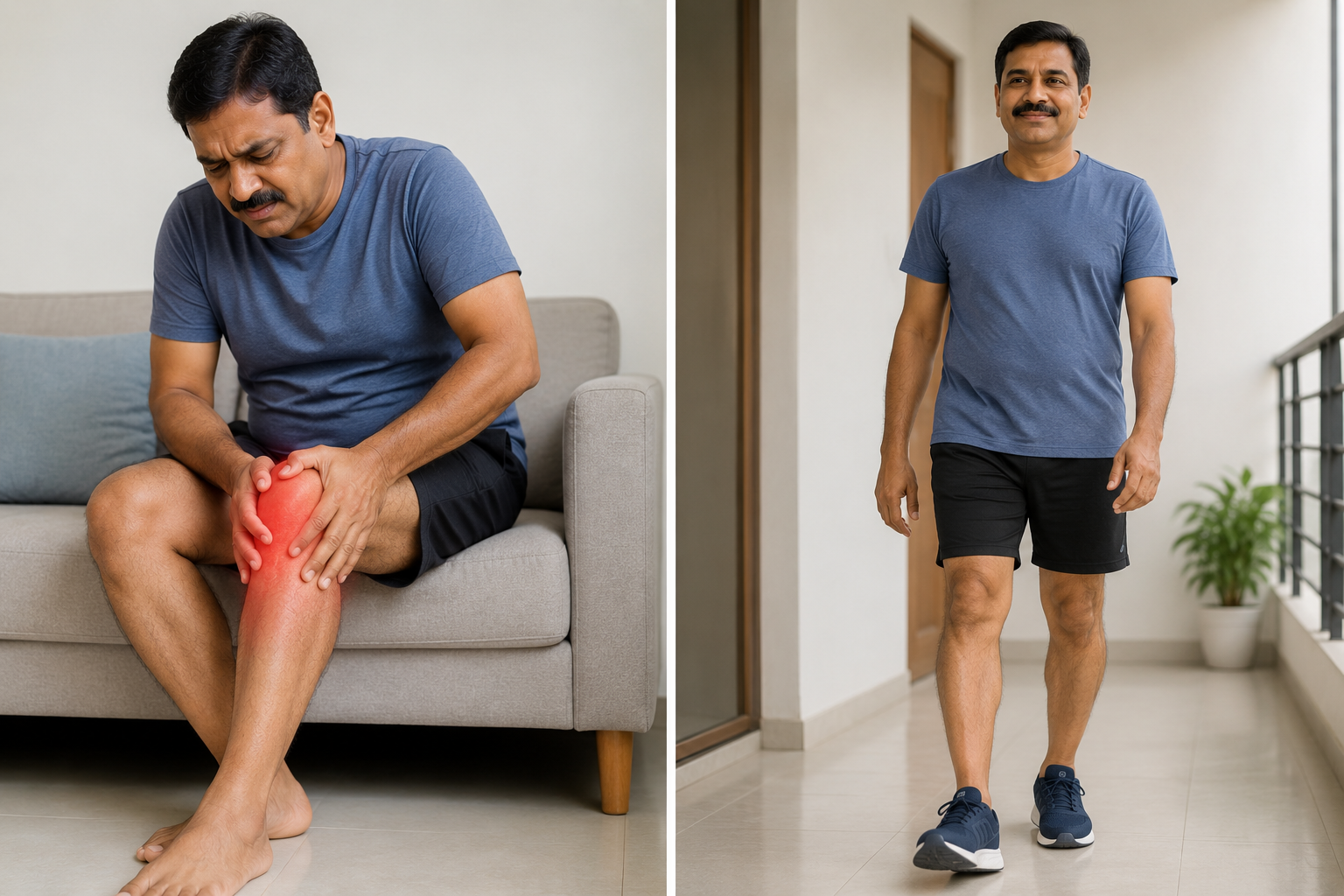
Recovery after knee osteotomy therapy takes some time and should involve correct patient conduct, timely medical consultations, and physiotherapy. It is important for patients to strictly adhere to all rehabilitation advice in order to regain strength, mobility, and flexibility of their knees. The rate of recovery will depend on the extent of joint damage as well as on the kind of therapy used. Timely physiotherapy, physical activities, and other aspects of recovery assistance help avoid complications during recovery and enhance knee function.
The post-recovery stage after Knee Osteotomy Therapy is associated with such actions as:
- Rest and care for the knee
- Gradual improvement of mobility using exercises
- Muscle strengthening through physiotherapy
- Monitoring recovery process
- Gentle return to daily routine
AFTERCARE
Recovery & Aftercare for Knee Osteotomy Treatment
AFTERCARE
Recovery & Aftercare for Knee Osteotomy Treatment
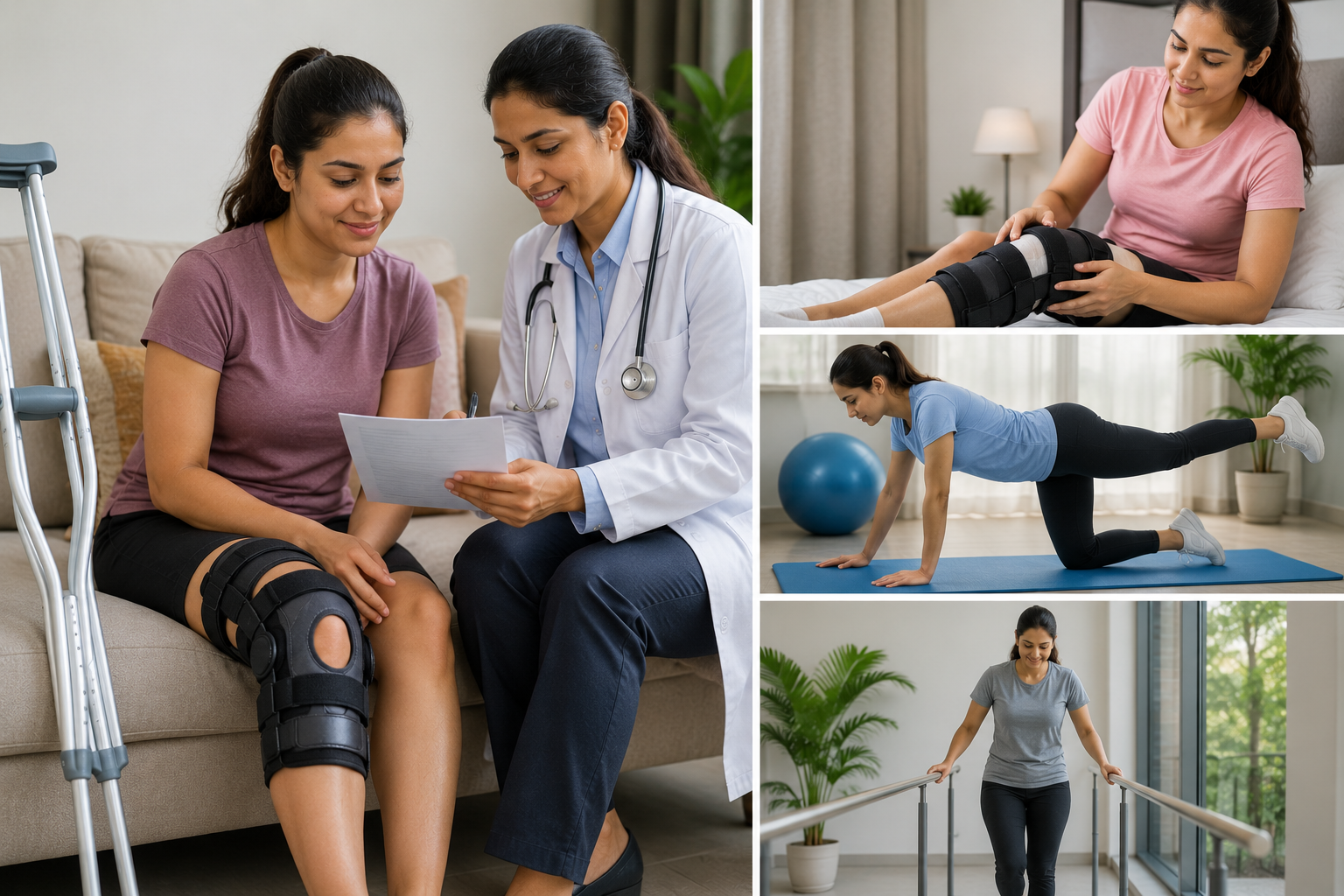
Recovery practices after knee osteotomy surgery play a vital role in ensuring that healing takes place seamlessly and that the recovery process is successful. It is imperative for patients undergoing such treatment to adhere to rehabilitation practices in order to ensure that there are no complications and that recovery takes place effectively. Physiotherapy, among other practices, ensures that the muscles surrounding the affected area become stronger and flexible through gradual increase in movement without strain.
These are some aftercare tips that one must adhere to for successful recovery:
- Adhere to doctor’s recommendations during recovery
- Use support braces during recovery
- Undertake physiotherapy rehabilitation consistently
- Gradually increase movements
FAQ'S
Do You Have Any Question About Knee Osteotomy Treatment?
The duration depends on the level of joint damage, the pace of rehabilitation, and the method chosen for treating the knee.
Knee osteotomy procedure is safe when done under close medical care and constant follow-ups and therapy.
Surgery will be recommended if you experience joint problems even after trying other methods of treatment.
Physiotherapy can assist in developing strong muscles around the joint, making movements easier and improving your stability.
Seeking treatment early ensures that minimal joint damage is done while promoting its stability.