
ARTHROSCOPY & SPORTS INJURY ASSOCIATES

OVERVIEW
What is ACL Reconstruction?
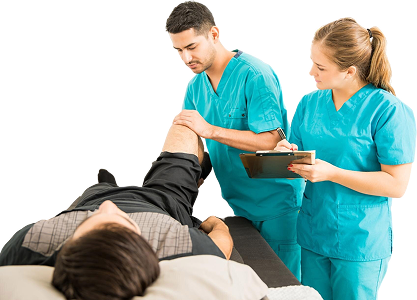
ACL reconstruction is a medical operation intended for reconstructing torn anterior cruciate ligament in the knee. ACL is responsible for providing knee joint stability and its proper functioning during walking, jogging, and sports exercises. Torn ligaments usually happen due to quick twists, falls, or blows from the sport. The main goal of the surgery is to graft new tissues to restore the injured ligament.
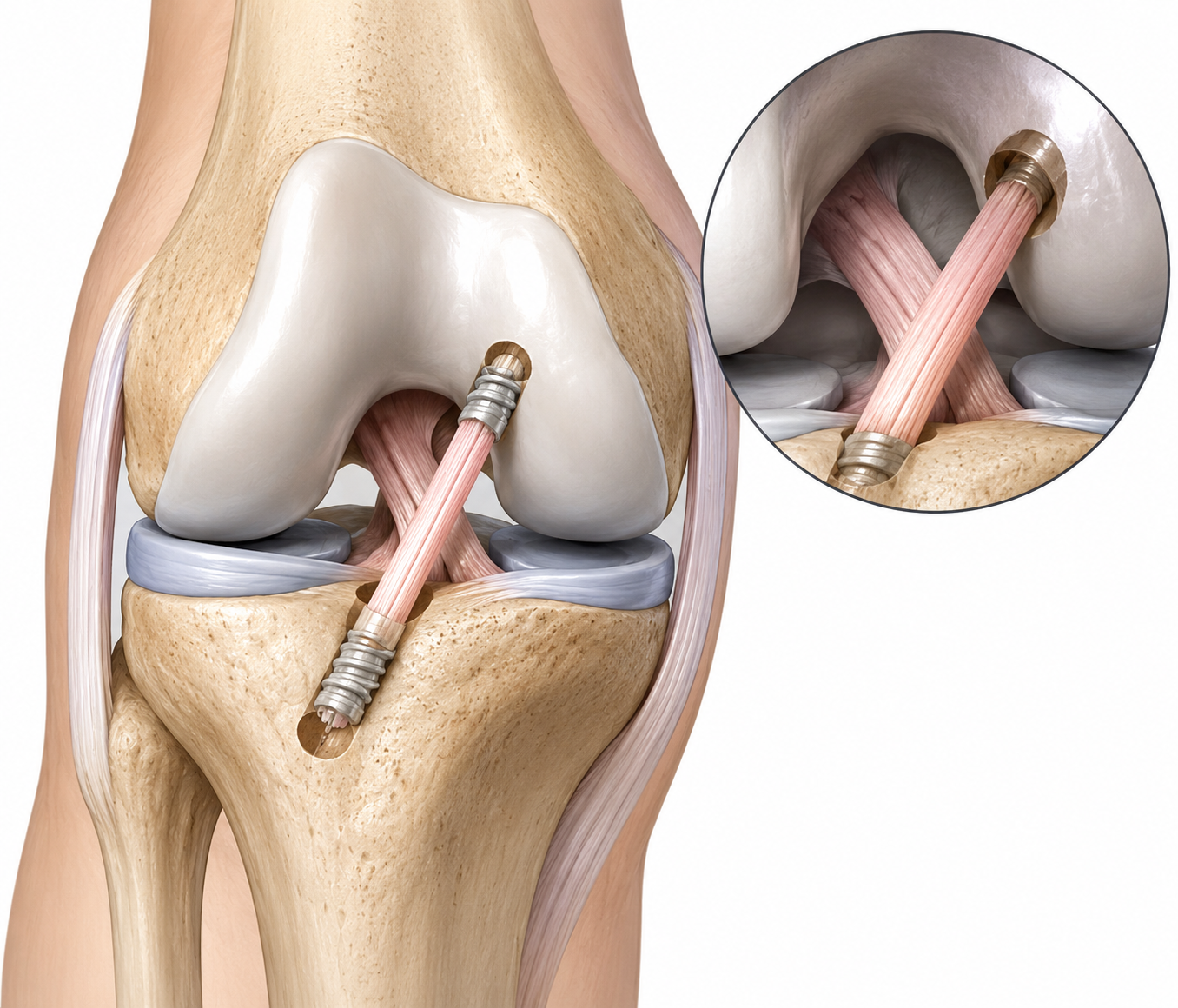
ACL reconstruction is a medical operation intended for reconstructing torn anterior cruciate ligament in the knee. ACL is responsible for providing knee joint stability and its proper functioning during walking, jogging, and sports exercises. Torn ligaments usually happen due to quick twists, falls, or blows from the sport. The main goal of the surgery is to graft new tissues to restore the injured ligament.
Surgeons Available for Consultations

Dr. Karnav Panchal
M.B.B.S, M.S. (Orthopedics),
FAOS (South Korea)
Consultant Arthroscopist & Sports Injury Specialist Consultant Joint Replacement Surgeon

Dr. Aniket Gupta
M.B.B.S, M.S. (Orthopedics),
MRCS (Edinburgh)
Training & Qualifications Fellowship in MRCS (UK) Arthroscopy & Arthroplasty (Milan, Italy)
Consultant Physiotherapist

Dr. Aarsh Bhatt
B.P.T,M.P.T (Cardio-Respiratory Disorders) MIAP , HCPC (UK) , DHA (UAE)
Consultant Physiotherapist

Dr. Hetvi Dimothe
BPT , M.P.T (Rehabilitation) MIAP, HCPC (UK) , DHA (UAE)
Consultant Physiotherapist
Causes
What Causes ACL Reconstruction?
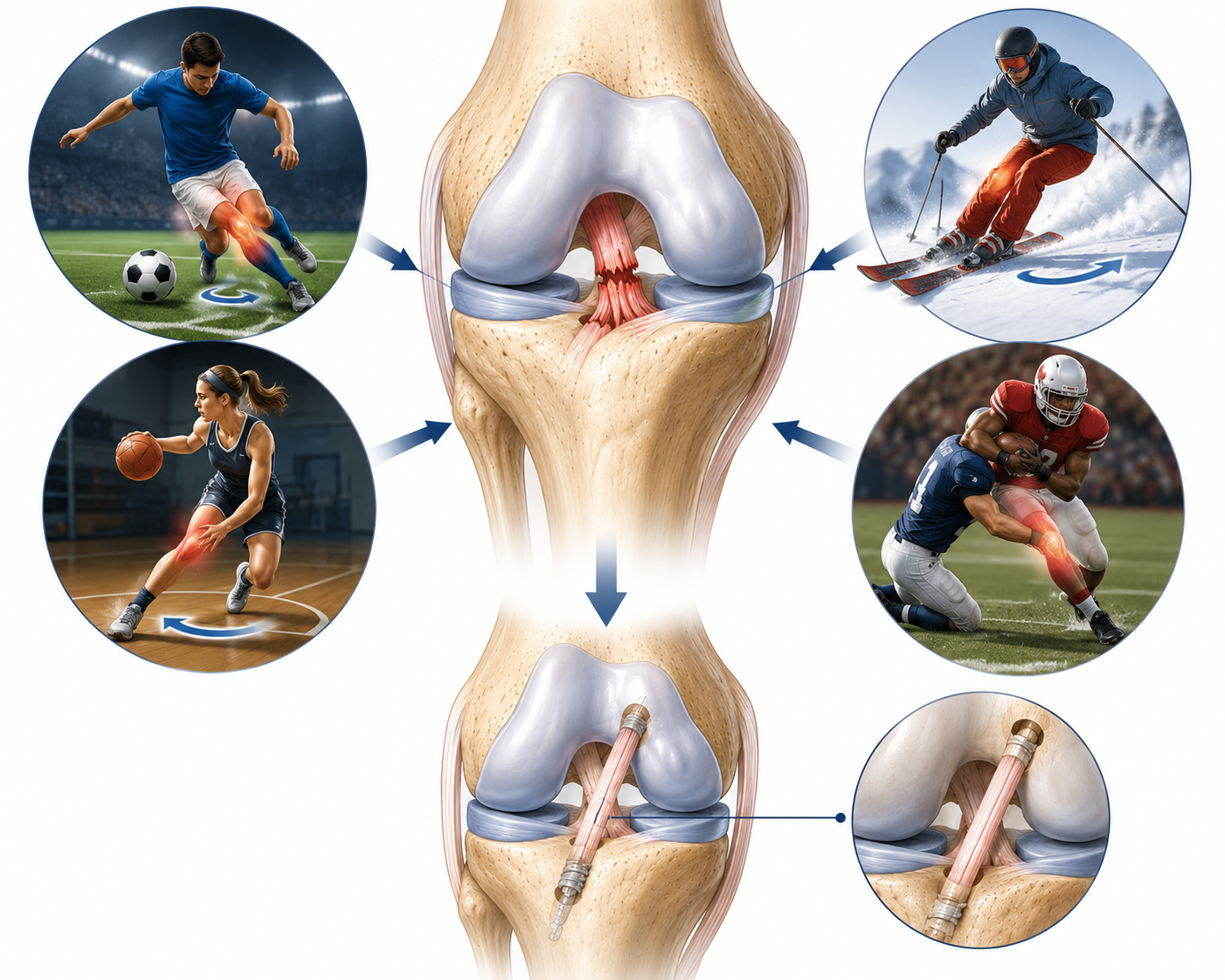
The ACL gets injured when excessive stress is placed on the knee joint due to abrupt twisting motions, contact from playing sports, or poor landing techniques. Directional changes, jumping activities, falling, or physical contact in sports activities frequently cause injury to the ACL. Severe injuries to the ACL might require surgery in the future.
Causes
What Causes ACL Reconstruction?
The ACL gets injured when excessive stress is placed on the knee joint due to abrupt twisting motions, contact from playing sports, or poor landing techniques. Directional changes, jumping activities, falling, or physical contact in sports activities frequently cause injury to the ACL. Severe injuries to the ACL might require surgery in the future.
ACL Reconstruction can occur due to the following activities:
- Sudden rotation when playing any sport
- Landing awkwardly after jumps
- Sudden change of direction while running
- Any direct impacts to the knees during contacts
- Any fall causing instability of the knees
What Other Structures Can Be Affected Along with ACL Reconstruction?
In addition to ACL injury, other parts of the knee can be damaged due to excessive stress or instability. The surrounding ligaments, cartilages, tendons, and meniscus may suffer from stretching, inflammation, or even tearing which will make movement uncomfortable and reduce the performance of your knee during physical activity.
- Damage to meniscus cartilage
- Strain on surrounding ligaments
- Irritation of tendon tissue
- Joint capsule inflammation
- Weakness of surrounding muscles
- Stress to bone surface
SYMPTOMS
What are the Symptoms of ACL Reconstruction?
Initial symptoms of ACL damage will generally include pain in the knee joint, joint swelling, knee instability, and difficulties in movement, particularly when walking, running, turning, participating in sports activities, or making fast directional movements.

Knee Instability
An ACL tear may result in knee instability and make it difficult and painful to walk, run, turn, or engage in physical activity.
Continuous Knee Pain
Damage to ACL tissue may cause constant knee pain during movement, weight bearing on the joint, and prolonged standing in normal activities.
Decreased Knee Mobility
As a result of swelling and damaged ligaments, knee mobility may be increasingly reduced.
Neglecting the ACL injuries will result in worsening the knee instability, cause damage to other parts of the joint, loss of mobility, and ultimately need for major surgery.
Connect with our experts and get the right guidance for your condition.
Knee Inflammation
Inflammation can cause swelling in the knee making the knee swollen and sensitive while performing routine movements.
Pop Sound
A popping sound is produced when there is an acute tear of the ACL while performing a knee rotation motion.
Weakened Knee
The tearing of the ACL can cause a sense of weakness in the knee.
Difficult Movements
The pain in addition to instability associated with the knee condition can affect normal body activities.
Connect with our experts and get the right guidance for your condition.
BOOK CONSULTATIONDIAGNOSIS
How Does the Doctor Diagnose an ACL Reconstruction?
The diagnostic process begins with discussion of the signs, history of injury, and physical examination of the knee joint. Pain, swelling, looseness, range of motion, and mobility are some of the key issues that a doctor will look for in such an examination. For confirmation of ACL injuries, and the extent to which they have occurred, some imaging and testing may be required. The promptness in diagnosis of the injuries ensures proper treatment and minimizes the risk of further complications.
DIAGNOSIS
How Does the Doctor Diagnose an ACL Reconstruction?
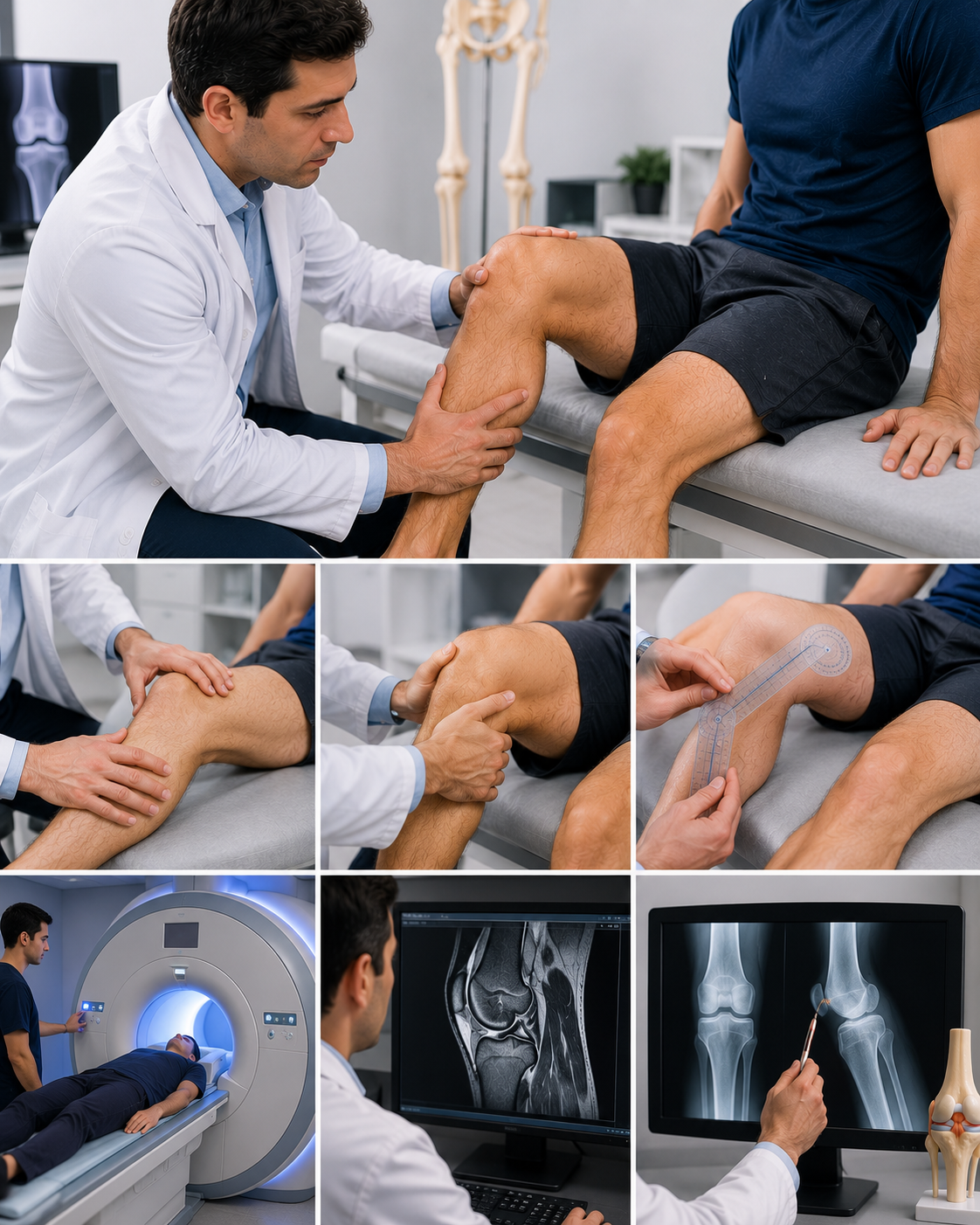
The diagnostic process begins with discussion of the signs, history of injury, and physical examination of the knee joint. Pain, swelling, looseness, range of motion, and mobility are some of the key issues that a doctor will look for in such an examination. For confirmation of ACL injuries, and the extent to which they have occurred, some imaging and testing may be required. The promptness in diagnosis of the injuries ensures proper treatment and minimizes the risk of further complications.
ACL Reconstruction can be diagnosed using the following methods:
- A physical exam checks knee stability, swelling, flexibility, and how the joint moves.
- Imaging tests help confirm ligament injuries and any nearby tissue problems.
- MRI
- X-ray
TREATMENT
What is the Treatment for ACL Reconstruction?
ACL reconstruction depends on how bad the injury is, how stable the knee is, how active the person is, and overall health. Mild injuries may get better with therapy and medicines, while severe tears usually need surgery and rehab.
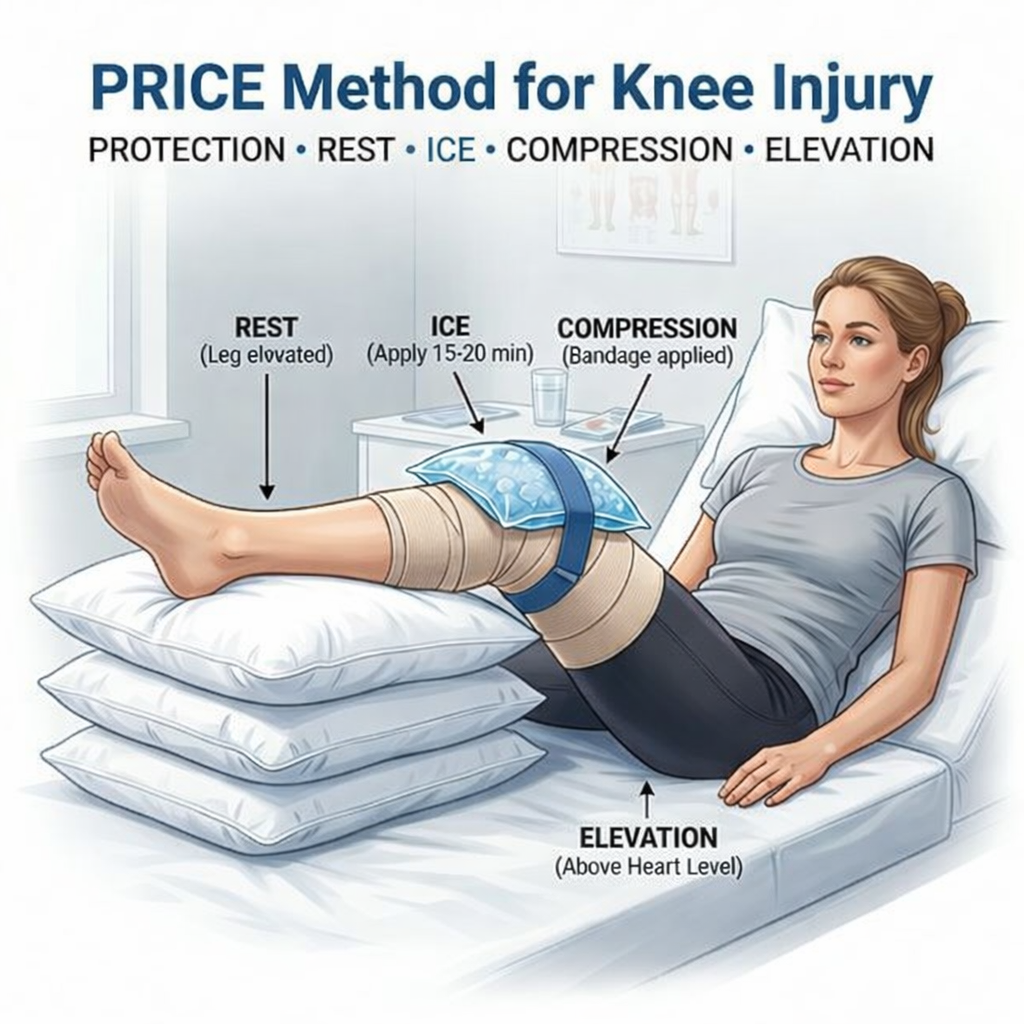
Getting medical help early can lower complications, improve knee stability, and make movement more comfortable. Doctors use a clear treatment plan, often with a step-by-step recovery method like PRICE to help with rehab and recovery.
P
Protection
Avoids any further stress to ligaments
R
Rest
Ensures pain-free healing of tissues
I
Ice Treatment
Provides relief from swelling and pain
C
Compression
Manages inflammation in the joint
E
Elevation
Enhances blood flow during recuperation
NON-SURGICAL CARE
How is ACL Reconstruction Treated Without Surgery?
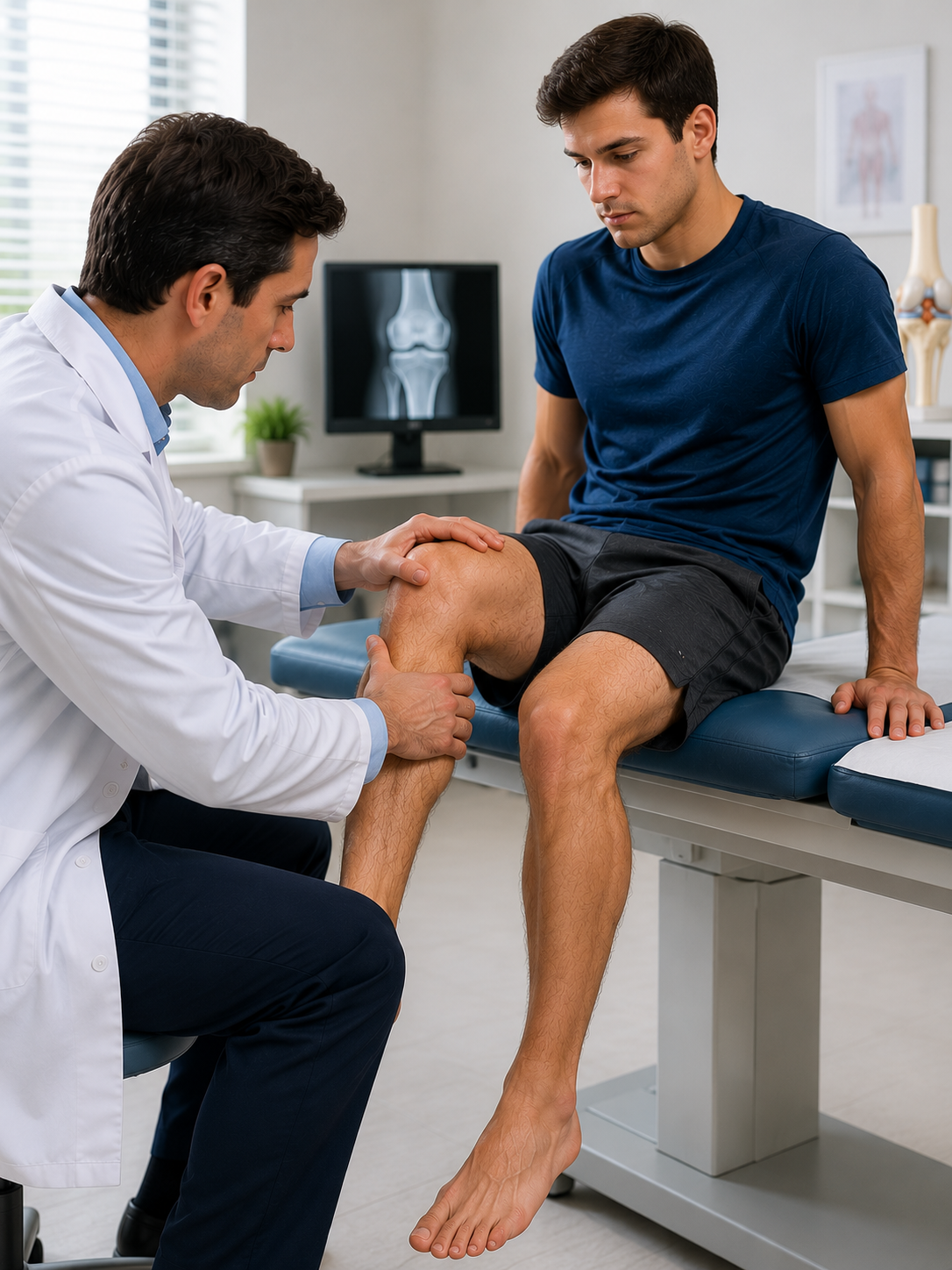
ACL injuries may not always need surgical intervention depending on whether the tear is a partial one or if there is mild instability and is caught early enough. Patients can heal well without undergoing surgery through rest, physical therapy, brace usage, use of pain medication and proper rehabilitation program.
NON-SURGICAL CARE
How is ACL Reconstruction Treated Without Surgery?
ACL injuries may not always need surgical intervention depending on whether the tear is a partial one or if there is mild instability and is caught early enough. Patients can heal well without undergoing surgery through rest, physical therapy, brace usage, use of pain medication and proper rehabilitation program.
Non-surgical methods include:
- Knee physiotherapy helps to build the muscles around the joint, enhance flexibility, and make sure that knee movement is comfortable once again.
- Rest and change in activity levels will take away excessive stress on damaged ligaments allowing for natural recovery.
- Knee braces are effective in stabilizing the joint and avoiding unnecessary strain when performing different activities.
- Anti-inflammatory drugs may be helpful in reducing swelling and relieving pain.
When Does ACL Reconstruction Require Surgery?
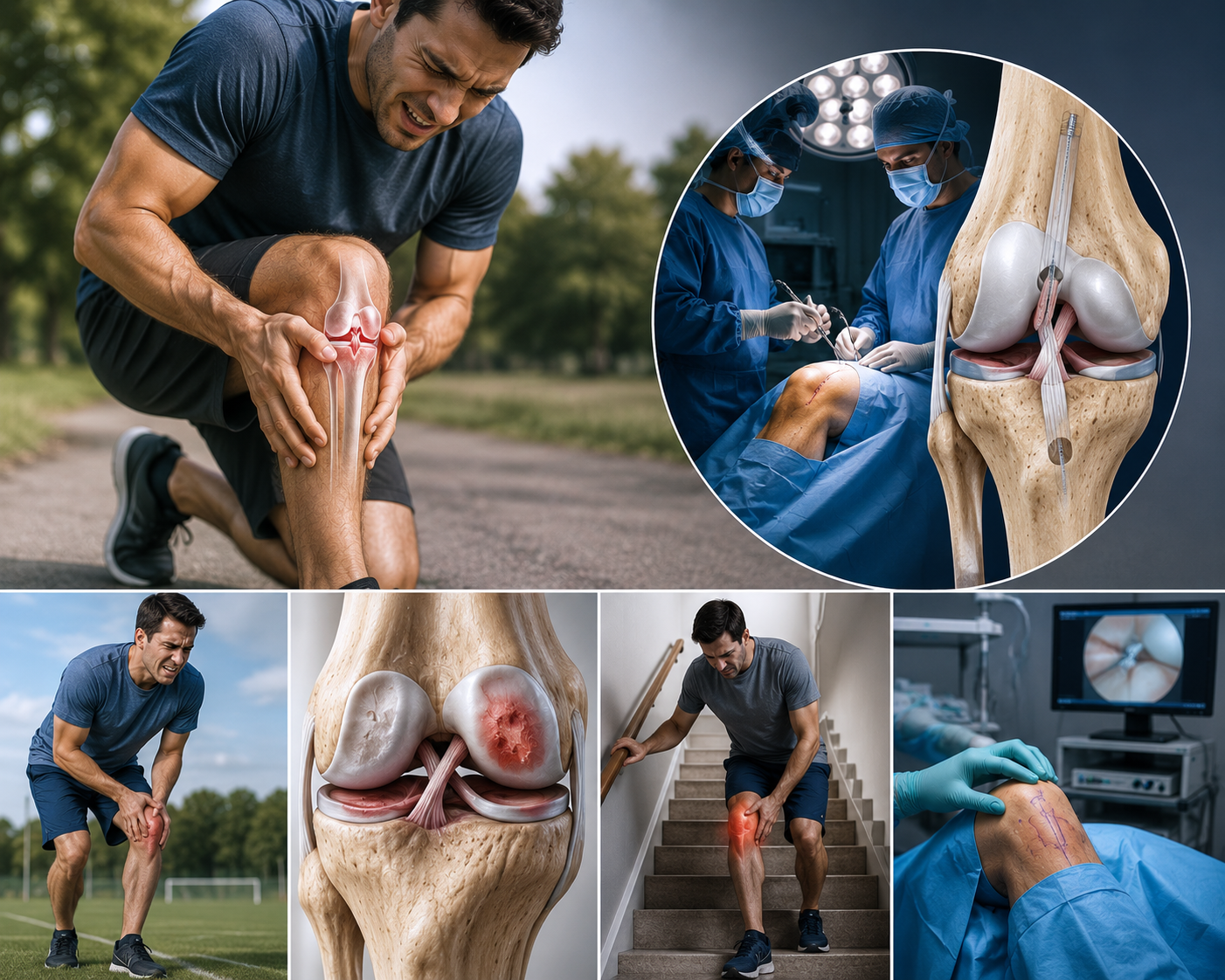
Neglecting ACL injuries may worsen the problem of knee instability, swelling, pain, and mobility during day-to-day functions. When left untreated, the ligament injury may gradually affect other structures of the knee joint, including cartilages, leading to more complications like pain and restricted function. Early evaluation will help determine whether conservative management would be sufficient or surgery will be required later on.
When Does ACL Reconstruction Require Surgery?
Neglecting ACL injuries may worsen the problem of knee instability, swelling, pain, and mobility during day-to-day functions. When left untreated, the ligament injury may gradually affect other structures of the knee joint, including cartilages, leading to more complications like pain and restricted function. Early evaluation will help determine whether conservative management would be sufficient or surgery will be required later on.
Early diagnosis will ensure that further problems are prevented, promote faster healing, and allow for knee stabilization and ease of mobility in the future.
- Untreated knee instability may progress
- The risks of cartilage injuries are increased
- Pain may restrict your activities
- Severe ligament injuries require surgery
SURGERY
What is ACL Reconstruction Surgery?
ACL reconstruction surgery helps to fix major ligament injuries that destabilize the knee joint and make it difficult to engage in physical activity. This operation is designed to alleviate pain, strengthen the knee joint, improve its mobility and functionality after an injury. Grafts of healthy tissues are used to repair the torn ACL and stabilize the knee joint.
If patients have appropriate rehabilitation and physiotherapy, they can gradually resume their sporting activity, physical exercises and other activities with improved joint comfort, range of motion and stability after recovery.
ACL reconstruction techniques and process:
- Doctors assess the extent of damage and choose the optimal surgical procedure.
- Patients are given anesthesia, and surgeons make several small incisions on the knee joint.
- They may use either autograft or allograft depending on the case.
- Minimally invasive arthroscopy surgery requires specialized equipment for the removal of the torn tissue.
- Tissue grafts are inserted into the knee joint to restore stability and joint functionality.
- Surgeons fix grafts with special instruments to improve ligament stability.
SURGERY
What is ACL Reconstruction Surgery?
ACL reconstruction surgery helps to fix major ligament injuries that destabilize the knee joint and make it difficult to engage in physical activity. This operation is designed to alleviate pain, strengthen the knee joint, improve its mobility and functionality after an injury. Grafts of healthy tissues are used to repair the torn ACL and stabilize the knee joint.
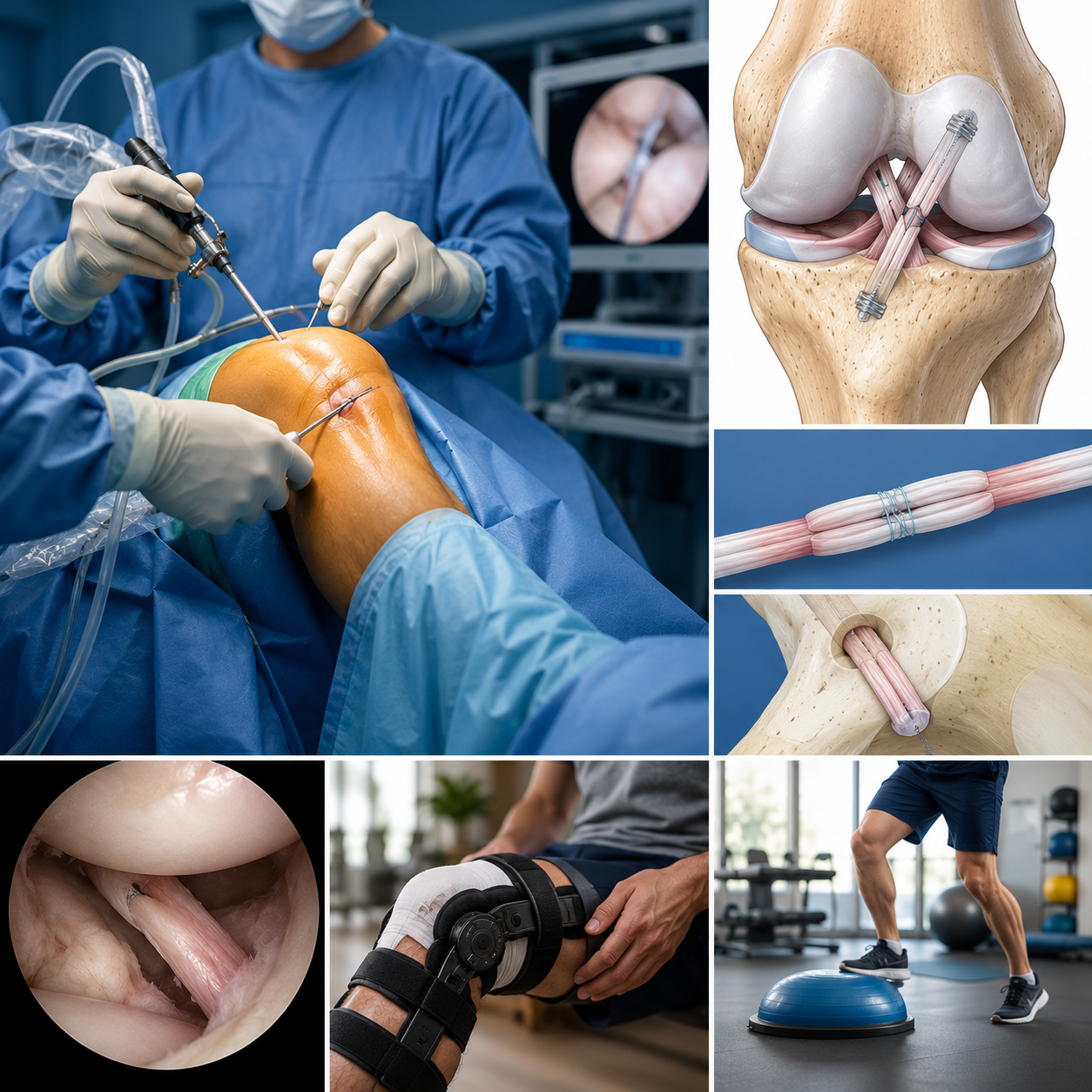
If patients have appropriate rehabilitation and physiotherapy, they can gradually resume their sporting activity, physical exercises and other activities with improved joint comfort, range of motion and stability after recovery.
ACL reconstruction techniques and process:
- Doctors assess the extent of damage and choose the optimal surgical procedure.
- Patients are given anesthesia, and surgeons make several small incisions on the knee joint.
- They may use either autograft or allograft depending on the case.
- Minimally invasive arthroscopy surgery requires specialized equipment for the removal of the torn tissue.
- Tissue grafts are inserted into the knee joint to restore stability and joint functionality.
- Surgeons fix grafts with special instruments to improve ligament stability.
COMPLICATIONS
What are the Possible Complications of ACL Reconstruction or Its Treatment?
Although ACL reconstruction procedure is considered relatively safe and effective, there may be several complications that may arise during recovery or rehabilitation. In most cases, the complications that may occur can easily be resolved with proper medical assistance, regular checkups, and physiotherapy. Awareness of the possible complications allows patients to identify any arising symptoms and stay on track for a successful recovery.
Persisting knee pain
There are cases where individuals may continue to experience knee pain while moving despite having undergone treatment and rehabilitation for an extended period of time.
Knee joint stiffness
Knee stiffness may gradually interfere with mobility and influence patients’ activities as they recover from the procedure.
Swelling and inflammation
Inflammation of the knee joint may result in swelling and tenderness and temporary difficulty performing activities of daily living.
Graft failure
Poor graft integration may lead to decreased knee joint stability, thus influencing post-surgical recovery.
Connect with our experts and get the right guidance for your condition.
RECOVERY & OUTCOMES
What is the Recovery Process after ACL Reconstruction Treatment?
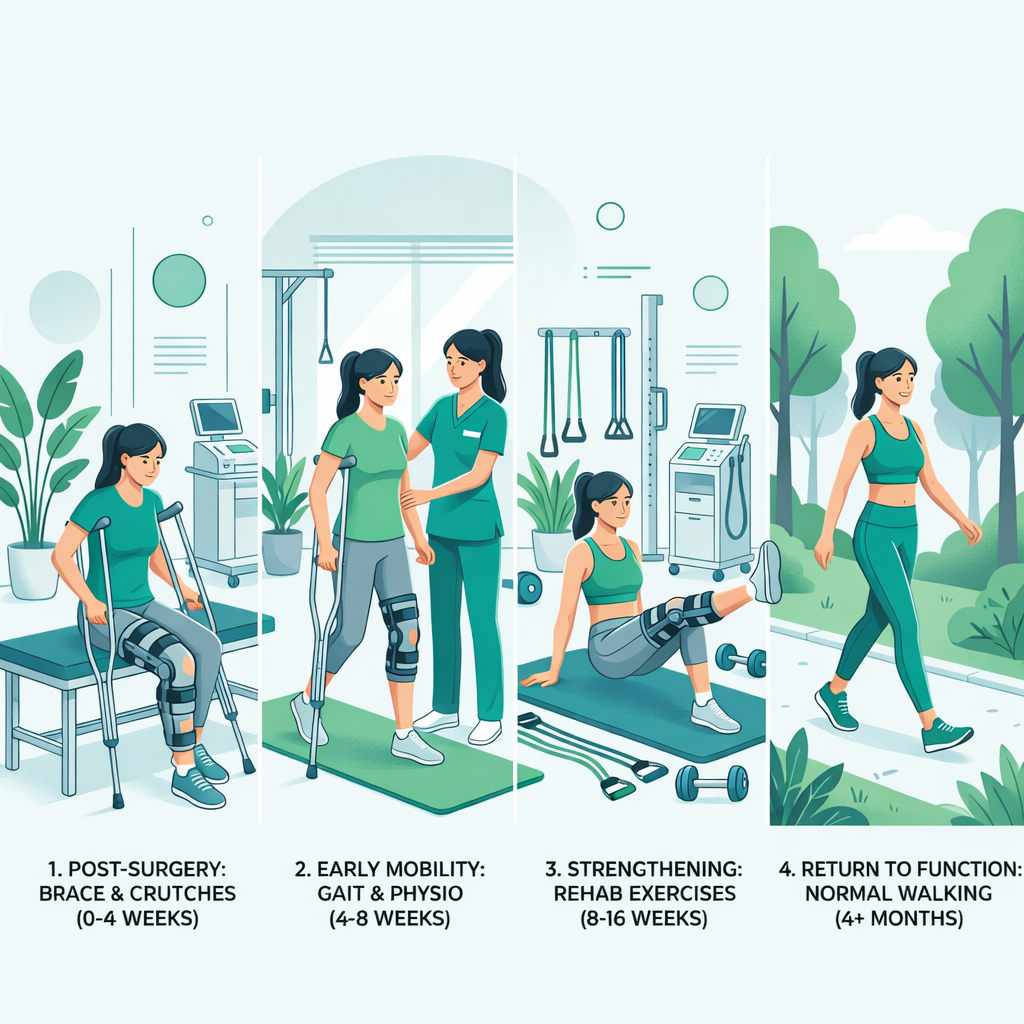
RECOVERY & OUTCOMES
What is the Recovery Process after ACL Reconstruction Treatment?
Post-surgery recovery from ACL reconstruction is always progressive. It calls for appropriate care, medical supervision, and physiotherapy among others. The patient should follow all rehabilitation guidelines to ensure that the knee joint regains its strength and normal movements gradually and safely. The recovery speed depends on how serious the injury was and the mode of treatment used. Physical therapy, activity restriction, and care are important in minimizing risks and enhancing mobility, stability, and knee function after treatment.
The recovery procedure after an ACL reconstruction normally entails the following phases:
- Initial rest and protection of the knee joint
- Gradual increase in mobility through exercise
- Muscle strengthening through physical therapy
- Monitoring of recovery through checkups
- Gradual resumption of normal activities
AFTERCARE
Recovery & Aftercare for ACL Reconstruction Treatment
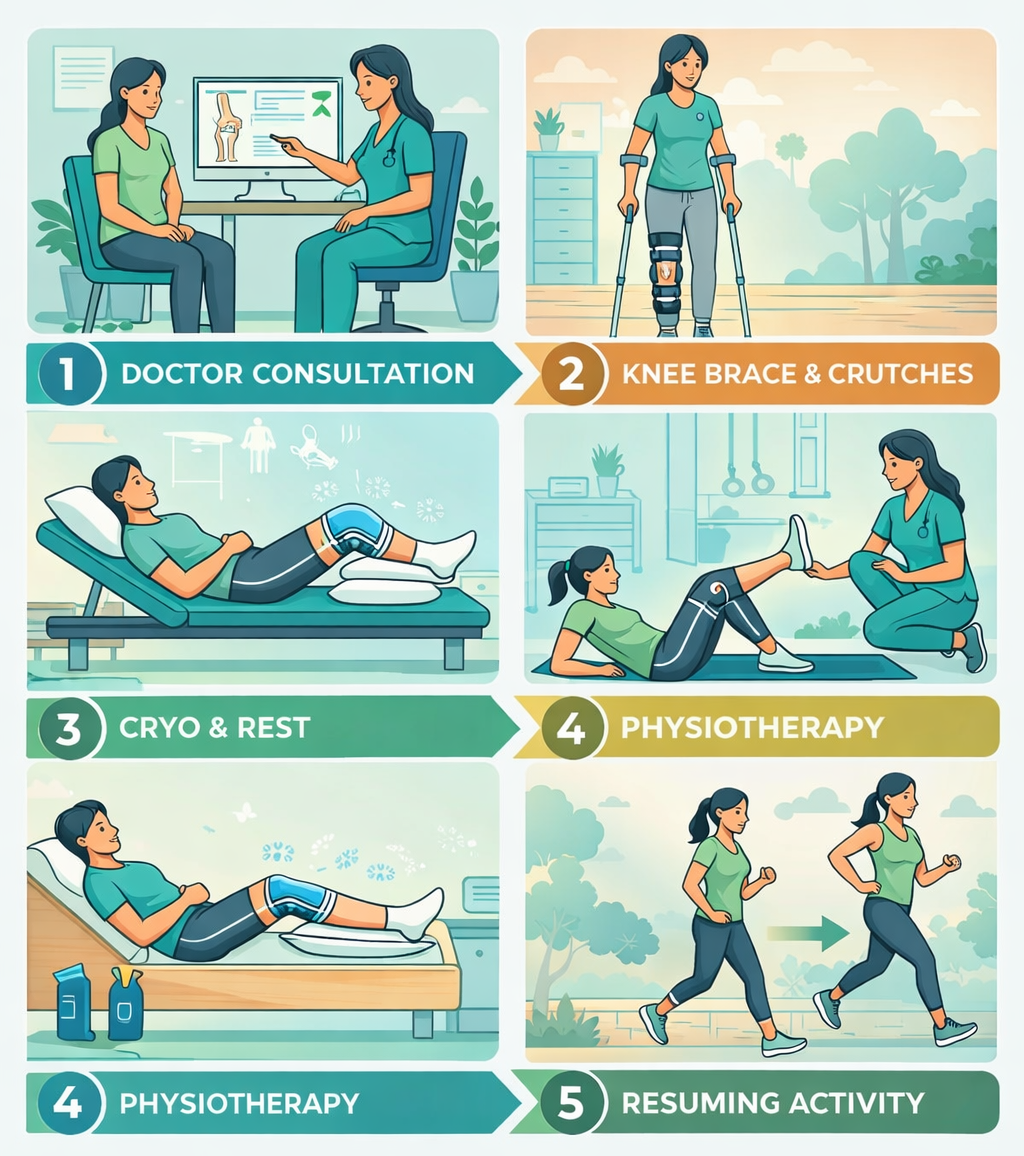
AFTERCARE
Recovery & Aftercare for ACL Reconstruction Treatment
Recovery after the surgery is essential to promote healing, provide stability to the knee joint, and ensure a speedy recovery process. The patients need to adhere to their rehabilitation exercises to prevent complications and facilitate gradual movement. Physical therapy, medical examinations, and gradual movement ensure that the neighboring muscles become strong and flexible to allow faster recovery.
The following can be done to enhance recovery:
- Adhere to the physician’s recovery plan
- Use stabilizing braces
- Participate in regular physical therapy sessions
- Gradually increase movement without putting extra pressure
- Undergo medical examinations regularly
FAQ'S
Do You Have Any Question Please?
The recovery period depends on the severity of the disease, the effectiveness of rehabilitation, and the chosen method of treatment, as well as individual post-surgery healing rates.
ACL reconstruction is safe if carried out under appropriate medical guidance, rehabilitation, and follow-up.
Severe ligament tears that lead to instability despite conservative treatment and rehabilitation can be indications for surgery.
With physiotherapy, one can enhance muscle strength and flexibility, stabilize joints, and allow safe knee function.
Timely ACL treatment will help to minimize joint injuries and complications.