ARTHROSCOPY & SPORTS INJURY ASSOCIATES

OVERVIEW
What Is Total Elbow Replacement?
Total Elbow Replacement is a surgical procedure that involves the replacement of damaged areas of the elbow joint with artificial components. In most cases, this procedure is performed to address the effects of advanced arthritis and severe joint damage, when pain, stiffness, and impaired functionality have a significant impact on a person’s daily activities.
The elbow joint is a complex hinge joint that allows for bending and rotating movements of the arm. If the joint surfaces are damaged or wear down because of arthritis, movements in the joint will become painful and limited. Total Elbow Replacement is aimed to replace these damaged joint surfaces with artificial ones.
Here are the important things to know about Total Elbow Replacement:
- Replacement of severely damaged joint surfaces with artificial components
- Aims to alleviate constant pain caused by advanced joint damage
- Restores normal movement in the elbow joint
- Generally recommended when the non-surgical treatment doesn’t provide the necessary relief
- Allows to get back to most daily activities with enhanced functionality
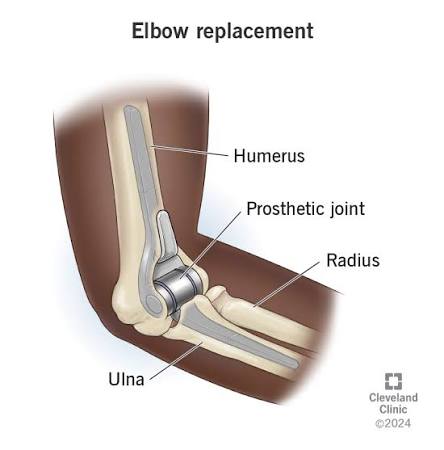
Total Elbow Replacement is a surgical procedure that involves the replacement of damaged areas of the elbow joint with artificial components. In most cases, this procedure is performed to address the effects of advanced arthritis and severe joint damage, when pain, stiffness, and impaired functionality have a significant impact on a person’s daily activities.
The elbow joint is a complex hinge joint that allows for bending and rotating movements of the arm. If the joint surfaces are damaged or wear down because of arthritis, movements in the joint will become painful and limited. Total Elbow Replacement is aimed to replace these damaged joint surfaces with artificial ones.
Here are the important things to know about Total Elbow Replacement:
- Replacement of severely damaged joint surfaces with artificial components
- Aims to alleviate constant pain caused by advanced joint damage
- Restores normal movement in the elbow joint
- Generally recommended when the non-surgical treatment doesn’t provide the necessary relief
- Allows to get back to most daily activities with enhanced functionality
Overview
Joint swelling and tenderness
Caused by the inflammation inside the joint
Joint clicking, grinding sensation
Due to the irregularities of the damaged joint surfaces
Joint weakness
Due to pain and limited movement in the elbow
Difficulty performing daily activities
Tasks, such as eating, dressing, grooming, lifting, carrying, reaching, become increasingly difficult
Surgeons Available for Consultations

Dr. Karnav Panchal
M.B.B.S, M.S. (Orthopedics),
FAOS (South Korea)
Consultant Arthroscopist & Sports Injury Specialist Consultant Joint Replacement Surgeon

Dr. Aniket Gupta
M.B.B.S, M.S. (Orthopedics),
MRCS (Edinburgh)
Training & Qualifications Fellowship in MRCS (UK) Arthroscopy & Arthroplasty (Milan, Italy)
Consultant Physiotherapist

Dr. Aarsh Bhatt
B.P.T,M.P.T (Cardio-Respiratory Disorders) MIAP , HCPC (UK) , DHA (UAE)
Consultant Physiotherapist

Dr. Hetvi Dimothe
BPT , M.P.T (Rehabilitation) MIAP, HCPC (UK) , DHA (UAE)
Consultant Physiotherapist
Causes
What Causes Severe Elbow Joint Damage?
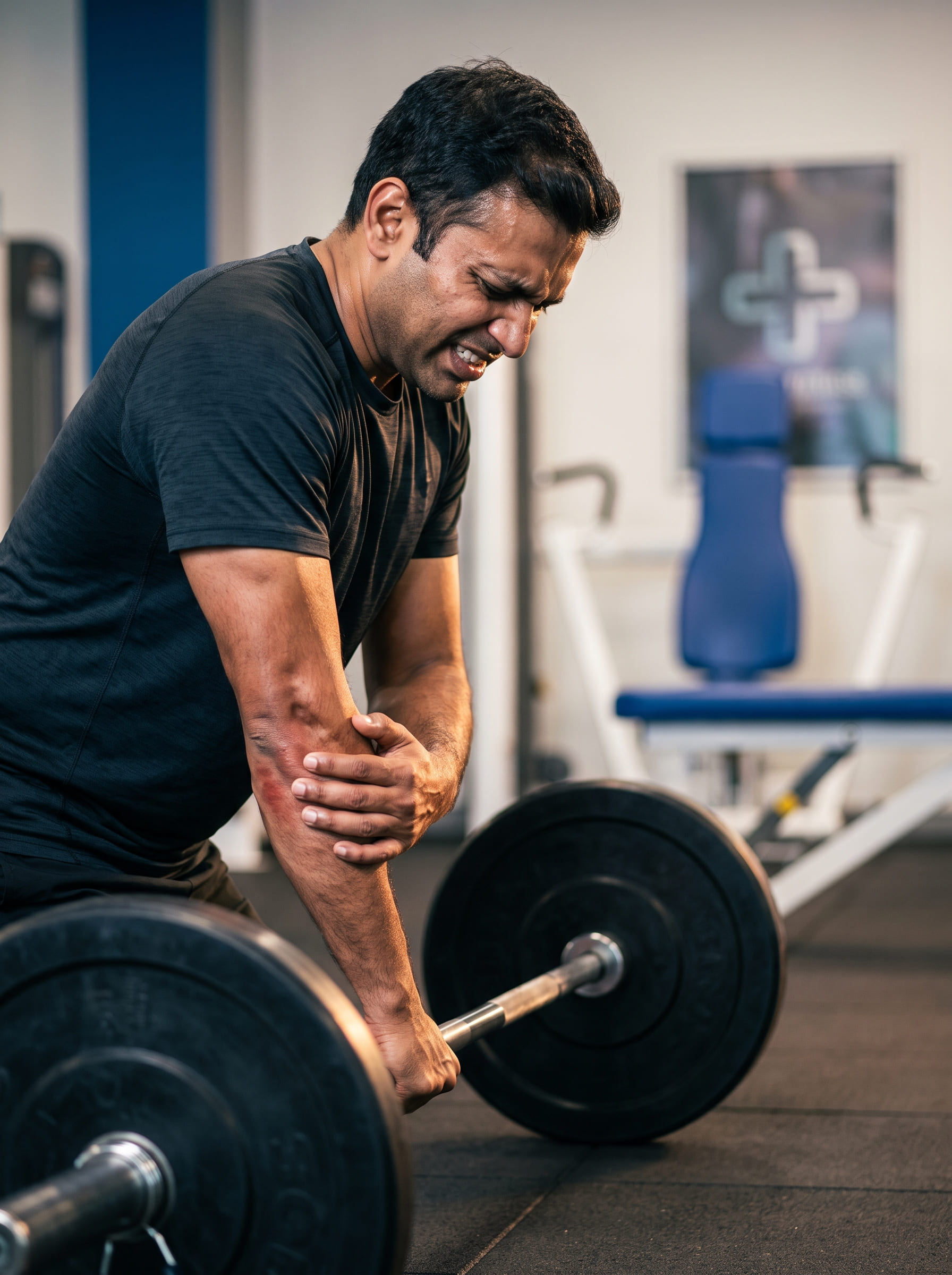
Advanced arthritis, elbow injury, elbow fractures, certain inflammatory processes, and long-term joint wear can lead to severe damage of elbow joint surfaces and tissues. Once the protective joint surfaces wear down, a person's movement will become painful and limited.
Causes
What Causes Severe Elbow Joint Damage?
Advanced arthritis, elbow injury, elbow fractures, certain inflammatory processes, and long-term joint wear can lead to severe damage of elbow joint surfaces and tissues. Once the protective joint surfaces wear down, a person's movement will become painful and limited.
Severe elbow joint damage may occur because of the following reasons:
- Osteoarthritis leading to advanced wear of the cartilage
- Rheumatoid arthritis that leads to elbow joint inflammation and damage
- Posttraumatic arthritis resulting from past elbow joint injuries
- Advanced joint fracture and damage of joint surfaces
- Inflammation of joint surfaces and surrounding structures
What Structures May Be Damaged in Severe Elbow Joint Disease?
Advanced elbow joint disease affects the structures responsible for the proper movement of the joint.
- Articular cartilage
- Bone surfaces
- Joint capsule
- Ligaments
- Muscles and tendons
- Synovial tissue
SYMPTOMS
What Are the Symptoms of Advanced Elbow Arthritis?
The symptoms usually become noticeable with progression of the disease. The severity of symptoms depends on the disease and degree of joint damage. In some cases, advanced arthritis interferes with work, personal and recreational activities, and daily activities.

Persistent elbow joint pain
May appear during movement or even at rest and interfere with daily activities
Severe joint stiffness
Will make bending and straightening the elbow joint more difficult
Limited joint movement
Will affect the ability to perform full-range movements
When these symptoms are present, joint replacement may be recommended to relieve pain and restore joint functionality.
Connect with our experts and get the right guidance for your condition.
Joint swelling and tenderness
Caused by the inflammation inside the joint
Joint clicking, grinding sensation
Due to the irregularities of the damaged joint surfaces
Joint weakness
Due to pain and limited movement in the elbow
Difficulty performing daily activities
Tasks, such as eating, dressing, grooming, lifting, carrying, reaching, become increasingly difficult
Connect with our experts and get the right guidance for your condition.
BOOK CONSULTATIONDIAGNOSIS
How Do Doctors Diagnose Advanced Elbow Arthritis?
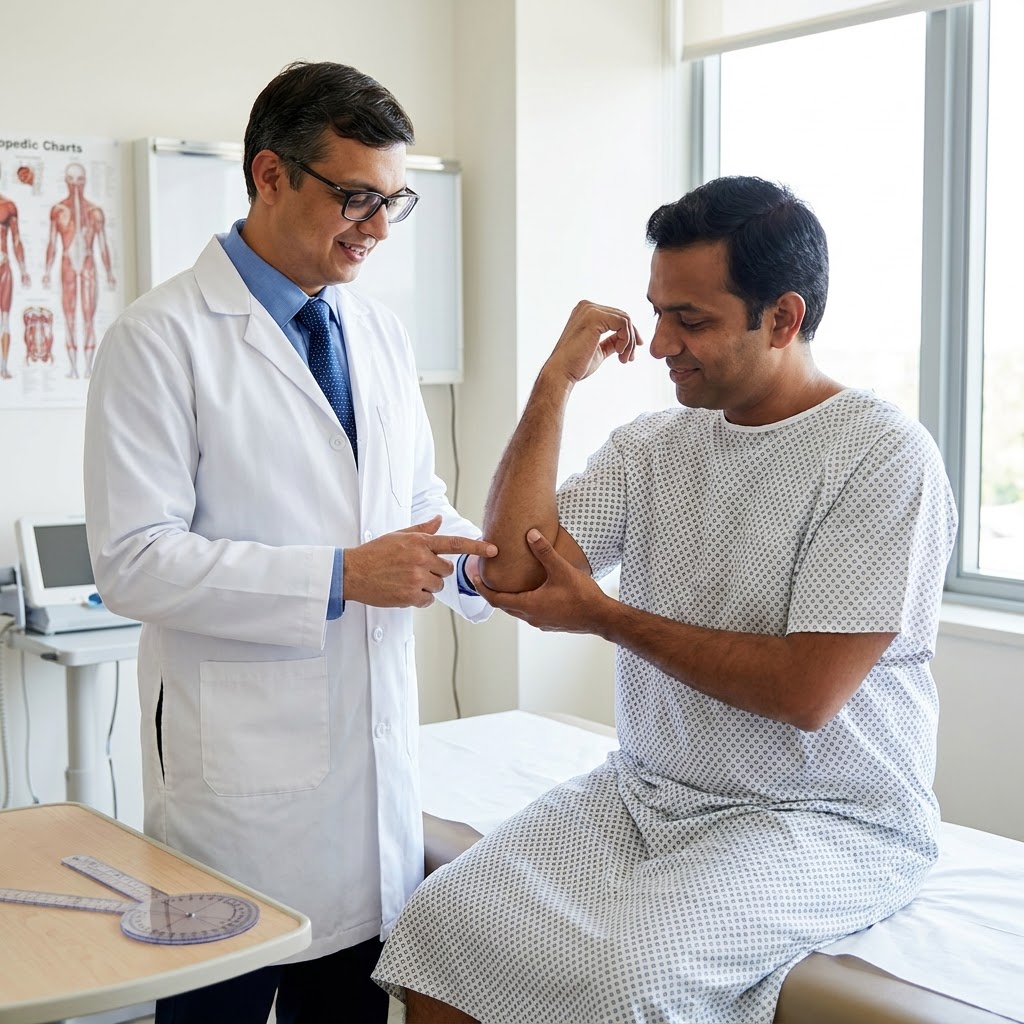
The doctors diagnose advanced elbow arthritis based on the patient's symptoms, medical history, injuries, past surgical procedures, and a detailed examination. In addition to the pain and joint movement analysis, imaging is used to detect joint degeneration and damage. At ALIGN ASIA, the doctors conduct a thorough assessment to estimate the degree of joint damage and consider the possibility of Total Elbow Replacement.
DIAGNOSIS
How Do Doctors Diagnose Advanced Elbow Arthritis?
The doctors diagnose advanced elbow arthritis based on the patient's symptoms, medical history, injuries, past surgical procedures, and a detailed examination. In addition to the pain and joint movement analysis, imaging is used to detect joint degeneration and damage. At ALIGN ASIA, the doctors conduct a thorough assessment to estimate the degree of joint damage and consider the possibility of Total Elbow Replacement.
Advanced elbow arthritis can be diagnosed with the following methods:
- Physical examination – pain, swelling, range of movement, joint stability, and joint functionality are evaluated
- Imaging – joint degeneration and damage are detected
- X-rays
- CT scan
- MRI – if detailed assessment of soft tissues and joint damage is needed
In case of inflammatory conditions, such as rheumatoid arthritis, blood tests may be recommended.
TREATMENT
What Is the Treatment for Advanced Elbow Arthritis?
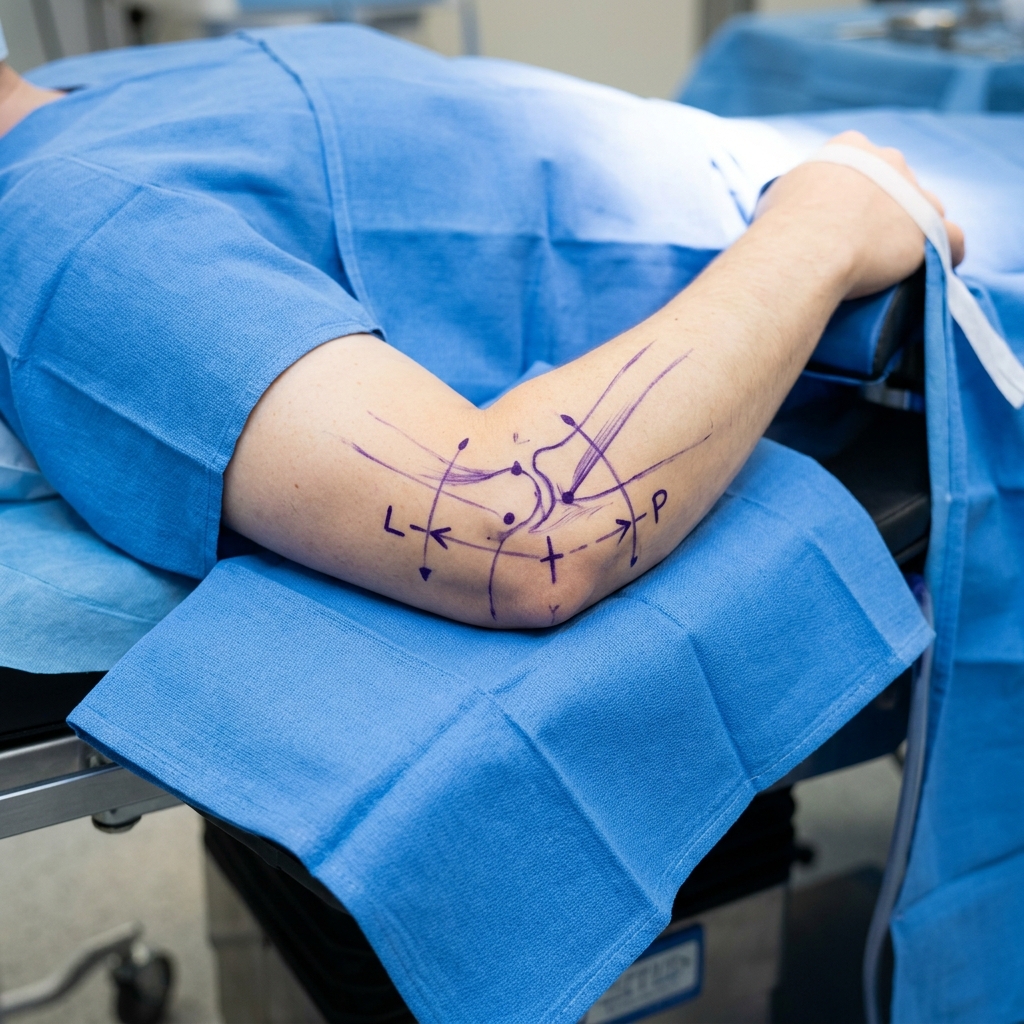
The treatment of elbow arthritis depends on the degree of joint damage, type of the disease, symptoms experienced by the patient, activity level and functional requirements. Patients with mild-to-moderate arthritis can manage their symptoms with non-surgical methods, but in cases of severe arthritis causing pain and functional impairment, joint replacement surgery is recommended. The main treatment goals are to alleviate pain and restore movement.
Pain management
This treatment helps to relieve pain and inflammation and make it possible for a patient to perform daily activities comfortably.
Activity modification
Avoiding certain activities that put strain on the elbow joint may help to relieve the symptoms and preserve the remaining joint surfaces.
Physiotherapy
It helps to maintain joint mobility, strengthens muscles, and improves joint functionality.
Joint rehabilitation
Rehabilitation program helps to maintain joint mobility and support it during daily activities.
Surgical treatment
Advanced joint damage that doesn't respond to the non-surgical treatment requires surgical treatment, including elbow joint replacement.
NON-SURGICAL CARE
What Are Non-Surgical Treatment Options for Advanced Elbow Arthritis?
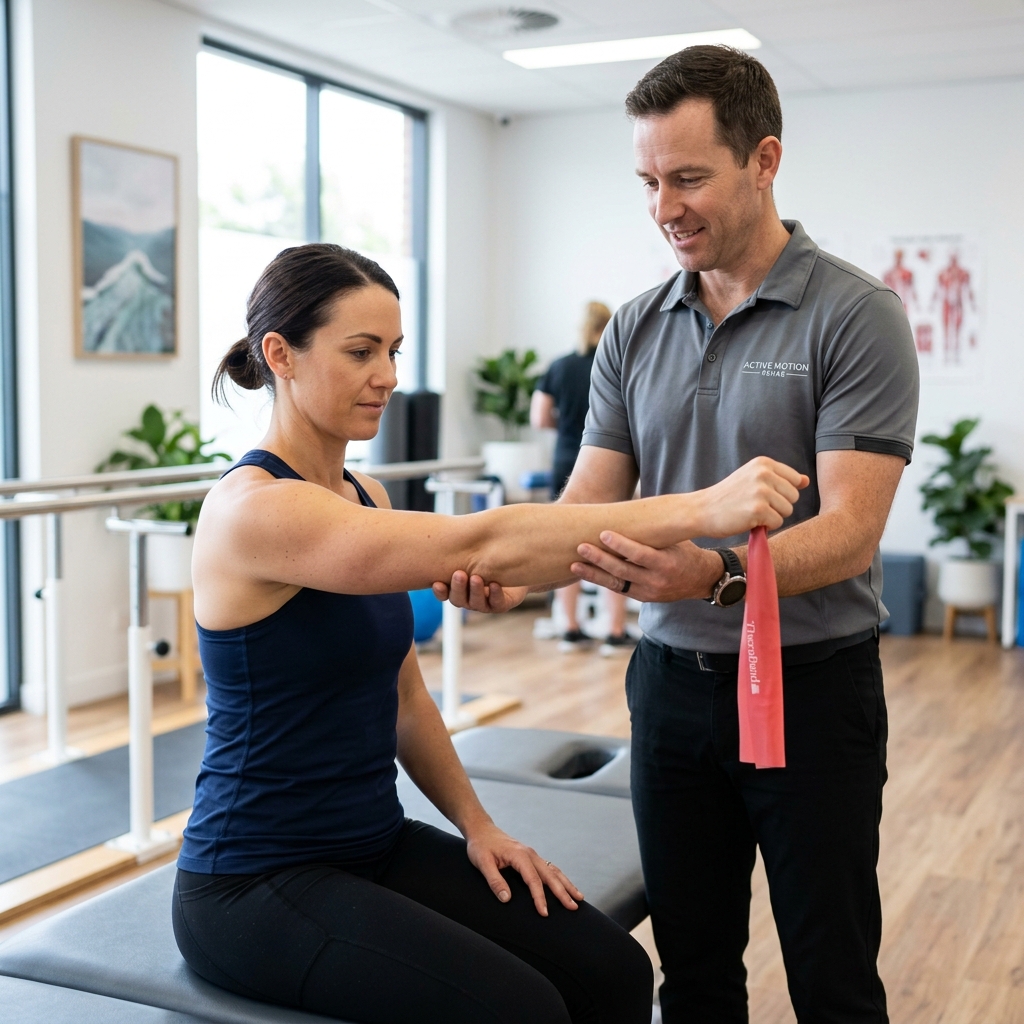
Non-surgical treatment may help to alleviate the symptoms of elbow arthritis in patients with mild or moderate elbow arthritis or who are not ready for surgery yet. The aim of the treatment is to relieve pain, maintain joint movement, strengthen the muscles and help patients to stay as active as possible.
NON-SURGICAL CARE
What Are Non-Surgical Treatment Options for Advanced Elbow Arthritis?
Non-surgical treatment may help to alleviate the symptoms of elbow arthritis in patients with mild or moderate elbow arthritis or who are not ready for surgery yet. The aim of the treatment is to relieve pain, maintain joint movement, strengthen the muscles and help patients to stay as active as possible.
Non-surgical treatment methods for elbow arthritis include:
- Physiotherapy program improves joint mobility, strength, and functionality.
- Activity modification relieves stress on the damaged joint.
- Medications help to relieve pain and inflammation.
- Exercises maintain joint movement and prevent joint movement loss.
- Injection therapy is recommended in some cases as a means of relieving persistent symptoms in individual cases.
RISKS OF NO TREATMENT
When Is Total Elbow Replacement Recommended?
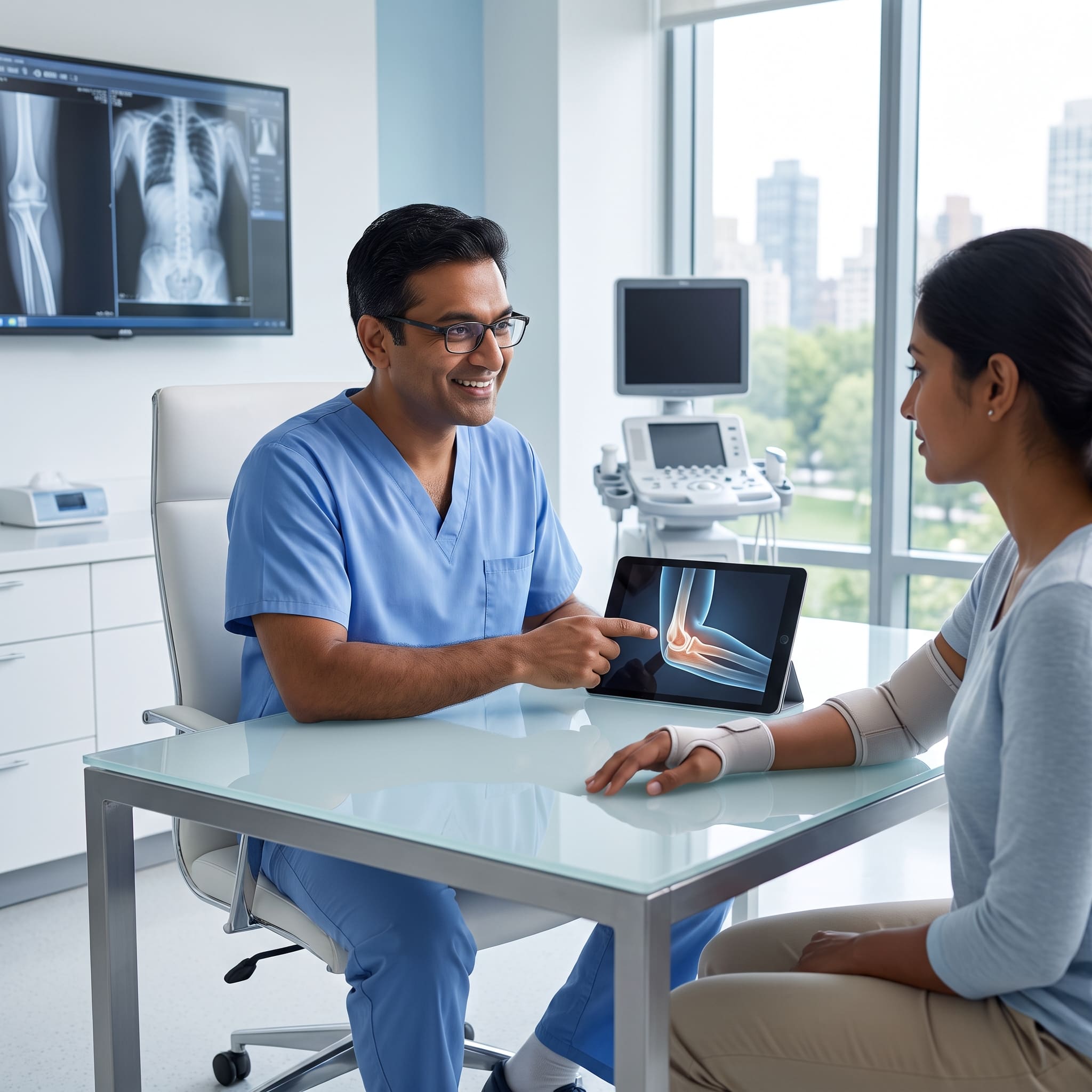
Total Elbow Replacement may be recommended in case of advanced arthritis and severe elbow joint damage that causes severe pain and functional impairment despite non-surgical treatment. Several factors influence the decision to recommend joint replacement surgery, including the degree of joint damage, the severity of symptoms, the degree of joint movement limitation, and patient's functional requirements.
RISKS OF NO TREATMENT
When Is Total Elbow Replacement Recommended?
Total Elbow Replacement may be recommended in case of advanced arthritis and severe elbow joint damage that causes severe pain and functional impairment despite non-surgical treatment. Several factors influence the decision to recommend joint replacement surgery, including the degree of joint damage, the severity of symptoms, the degree of joint movement limitation, and patient's functional requirements.
Elbow joint replacement is recommended in the following cases:
- Severe pain in the elbow joint despite the appropriate non-surgical treatment
- Advanced arthritis causing significant damage to the joint cartilage and surfaces
- Severe joint stiffness or movement limitation interfering with daily activities
- Advanced joint destruction in case of rheumatoid or posttraumatic arthritis
- Severe functional impairments that significantly affect quality of life
The aim of joint replacement is to alleviate the pain and restore joint functionality.
SURGERY
What Happens During Total Elbow Replacement Surgery?
During the Total Elbow Replacement surgery, damaged portions of the joint are removed and replaced with artificial components to recreate joint movement and reduce the pain. The type and size of the implant are chosen based on the patient's anatomy and joint damage. At ALIGN ASIA, the surgical approach is developed individually depending on the patient's disease, joint damage, functional requirements, and recovery goals.
Total Elbow Replacement surgery generally involves the following steps:
- Incision is made to gain access to the elbow joint
- Damaged areas of the humerus and ulna are prepared for the implants
- The appropriate artificial components are inserted into the joint to recreate joint structure and movement
- Components are fixed and the elbow joint is evaluated for proper stability, alignment, and movement
- Incision is closed and personalized rehabilitation program is started
SURGERY
What Happens During Total Elbow Replacement Surgery?
During the Total Elbow Replacement surgery, damaged portions of the joint are removed and replaced with artificial components to recreate joint movement and reduce the pain. The type and size of the implant are chosen based on the patient's anatomy and joint damage. At ALIGN ASIA, the surgical approach is developed individually depending on the patient's disease, joint damage, functional requirements, and recovery goals.
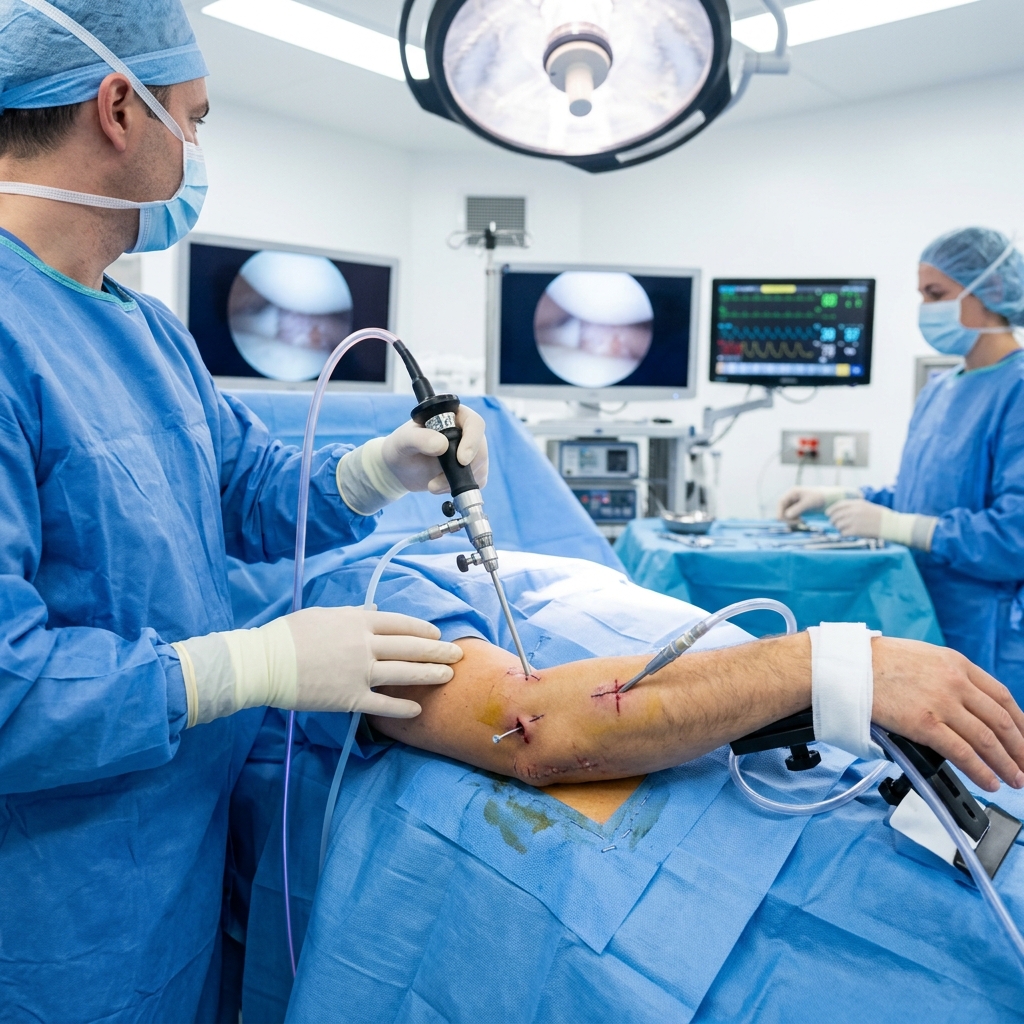
Total Elbow Replacement surgery generally involves the following steps:
- Incision is made to gain access to the elbow joint
- Damaged areas of the humerus and ulna are prepared for the implants
- The appropriate artificial components are inserted into the joint to recreate joint structure and movement
- Components are fixed and the elbow joint is evaluated for proper stability, alignment, and movement
- Incision is closed and personalized rehabilitation program is started
COMPLICATIONS
What Are the Possible Complications of Advanced Elbow Arthritis or Its Treatment?
Despite the success of treatment in most cases, complications may occur due to advanced joint damage or during the treatment itself. Early diagnosis, appropriate treatment, and compliance with postoperative recommendations help to minimize the risk of complications. Regular follow-up appointments allow the specialist to monitor joint functionality and recovery progress.

Persistent elbow joint pain
This complication may occur if advanced joint damage and related conditions persist.
Elbow joint stiffness
Limited joint movement may be observed after advanced arthritis or surgery.
Reduced arm functionality
Advanced arthritis may affect strength and movement.
Complications associated with the implanted components
Complications, such as implant loosening, wearing out, joint instability, or infection may be observed after Total Elbow Replacement and require further medical attention.
Connect with our experts and get the right guidance for your condition.
RECOVERY & OUTCOMES
What Is the Recovery Process after Total Elbow Replacement?

RECOVERY & OUTCOMES
What Is the Recovery Process after Total Elbow Replacement?
The recovery process after the surgery is aimed to protect the new joint and restore joint movement and functionality. The duration of recovery and rehabilitation process depends on the degree of joint damage, patient's health condition, and individual recovery process. Structured rehabilitation program helps to return to daily activities and restore joint functionality.
The recovery process after the Total Elbow Replacement usually involves the following steps:
- Protection of the elbow joint using a sling or brace as recommended by the surgical team
- Gentle range of movement exercises as a part of rehabilitation program
- Progressive strengthening of the arm, forearm, and surrounding muscles
- Physiotherapy to restore joint movement and functionality
- Gradual return to daily activities and work
AFTERCARE
Recovery & Aftercare after Total Elbow Replacement

AFTERCARE
Recovery & Aftercare after Total Elbow Replacement
Successful recovery requires protection of the joint and compliance with the prescribed rehabilitation program. Correct aftercare helps to restore joint movement, improve strength, relieve pain, and maintain joint functionality. Regular follow-up appointments help your specialist to monitor the joint and catch the potential issues early.
The following aftercare measures are recommended to ensure the proper recovery after Total Elbow Replacement:
- Use a brace or sling as instructed by your surgeon during the early recovery period.
- Attend physiotherapy sessions on a regular basis to restore joint mobility and strength.
- Do the prescribed exercises regularly while following the recommended movement and activity limitations.
- Avoid lifting weights, high-impact activities, and putting strain on the replacement joint without the permission from your surgeon.
- Attend the scheduled follow-up appointments to monitor joint functionality and recovery.
FAQ'S
Do You Have Any Question?
Total Elbow Replacement is recommended when advanced arthritis or severe joint damage causes persistent pain and loss of functionality despite non-surgical treatment.
The duration of recovery depends on the degree of joint damage, patient’s health and individual recovery process. Your specialist will prescribe personalized rehabilitation and recovery program.
You can gradually return to your daily activities depending on the progress of the recovery. Your healthcare specialist will inform you when it is possible.
Lifting heavy objects and performing high-impact activities may put additional strain on the replaced joint. Your surgeon will set the appropriate activity restrictions based on your particular case and the implanted component.
The lifespan of the elbow joint replacement varies between patients and depends on your activity level, the implant type, underlying disease and joint health. Regular follow-up helps to monitor the condition of the implant over time.
Total Elbow Replacement is a safe orthopedic surgery that can relieve pain and restore elbow joint functionality in appropriately selected patients. Like any surgery, there is a certain risk of complications.