
ARTHROSCOPY & SPORTS INJURY ASSOCIATES

OVERVIEW
What is ACL Revision Surgery?
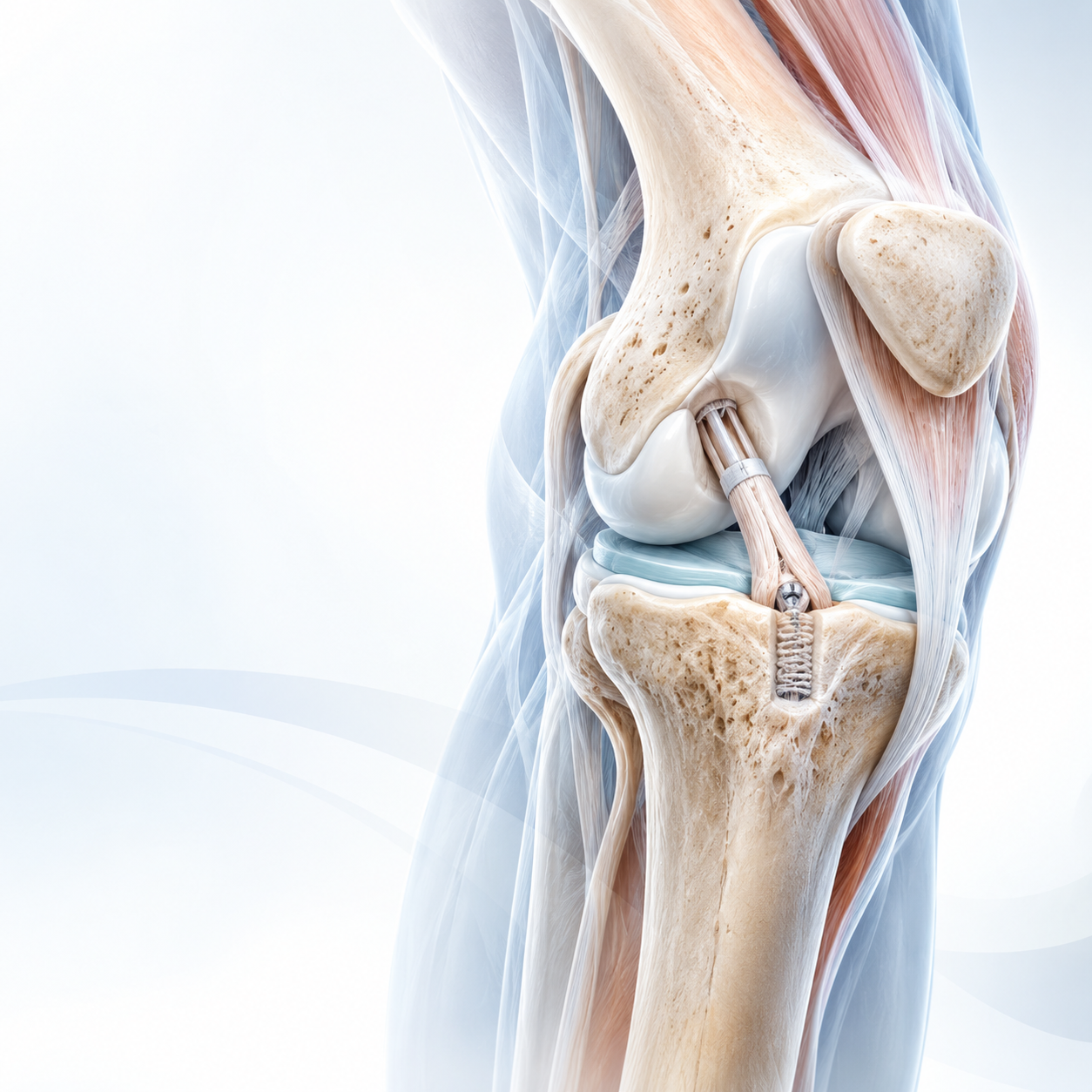
The treatment known as ACL revision surgery is used to address issues that arise following an anterior cruciate ligament restoration. It could be taken into consideration if the rebuilt ligament has failed, sustained damage, or the knee still feels unsteady when moving or engaging in physical activities.
Before proposing revision surgery, our physicians at Align ASIA Sports Care assess the state of the prior ACL graft, knee stability, surrounding structures, and general joint health. Appropriate treatment is guided by advanced imaging and a customized rehabilitation regimen.
Here are some key points to understand ACL Revision Surgery better:
- Handles ACL graft failureA previously rebuilt ACL that has failed or become injured can be treated with revision surgery.
- Restores stability in the kneeThe goal of the surgery is to decrease instances of the knee giving way and increase stability.
- Handles persistent instabilityAfter a prior ACL surgery, persistent instability can necessitate additional assessment and care.
- Encourages resuming activitiesPatients can progressively regain knee function and resume physical activity with the right surgery and therapy.
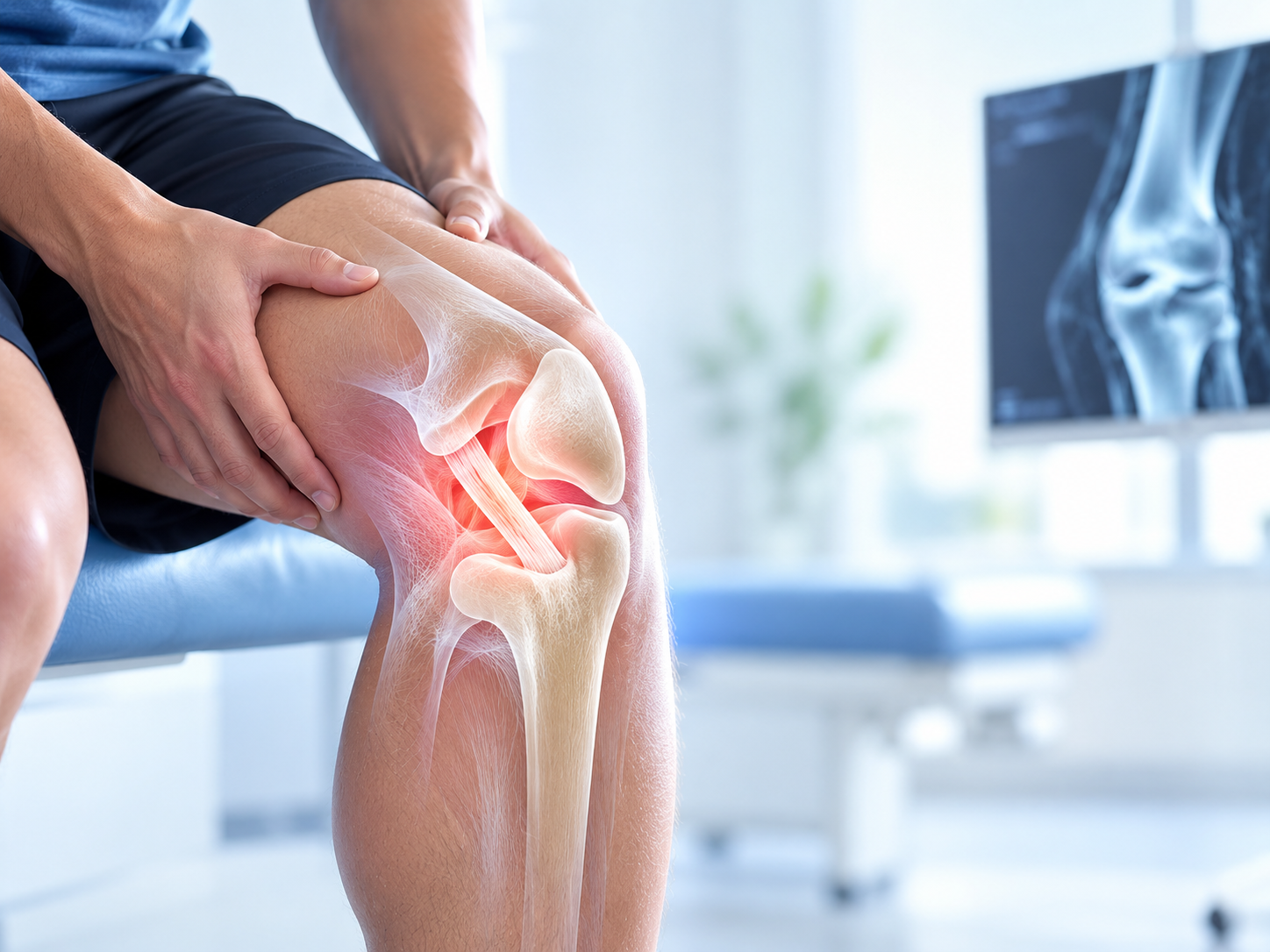
The treatment known as ACL revision surgery is used to address issues that arise following an anterior cruciate ligament restoration. It could be taken into consideration if the rebuilt ligament has failed, sustained damage, or the knee still feels unsteady when moving or engaging in physical activities.
Before proposing revision surgery, our physicians at Align ASIA Sports Care assess the state of the prior ACL graft, knee stability, surrounding structures, and general joint health. Appropriate treatment is guided by advanced imaging and a customized rehabilitation regimen.
Here are some key points to understand ACL Revision Surgery better:
- Handles ACL graft failureA previously rebuilt ACL that has failed or become injured can be treated with revision surgery.
- Restores stability in the kneeThe goal of the surgery is to decrease instances of the knee giving way and increase stability.
- Handles persistent instabilityAfter a prior ACL surgery, persistent instability can necessitate additional assessment and care.
- Encourages resuming activitiesPatients can progressively regain knee function and resume physical activity with the right surgery and therapy.
Surgeons Available for Consultations

Dr. Karnav Panchal
M.B.B.S, M.S. (Orthopedics),
FAOS (South Korea)
Consultant Arthroscopist & Sports Injury Specialist Consultant Joint Replacement Surgeon

Dr. Aniket Gupta
M.B.B.S, M.S. (Orthopedics),
MRCS (Edinburgh)
Training & Qualifications Fellowship in MRCS (UK) Arthroscopy & Arthroplasty (Milan, Italy)
Consultant Physiotherapist

Dr. Aarsh Bhatt
B.P.T,M.P.T (Cardio-Respiratory Disorders) MIAP , HCPC (UK) , DHA (UAE)
Consultant Physiotherapist

Dr. Hetvi Dimothe
BPT , M.P.T (Rehabilitation) MIAP, HCPC (UK) , DHA (UAE)
Consultant Physiotherapist
Causes
What Causes ACL Revision Surgery?
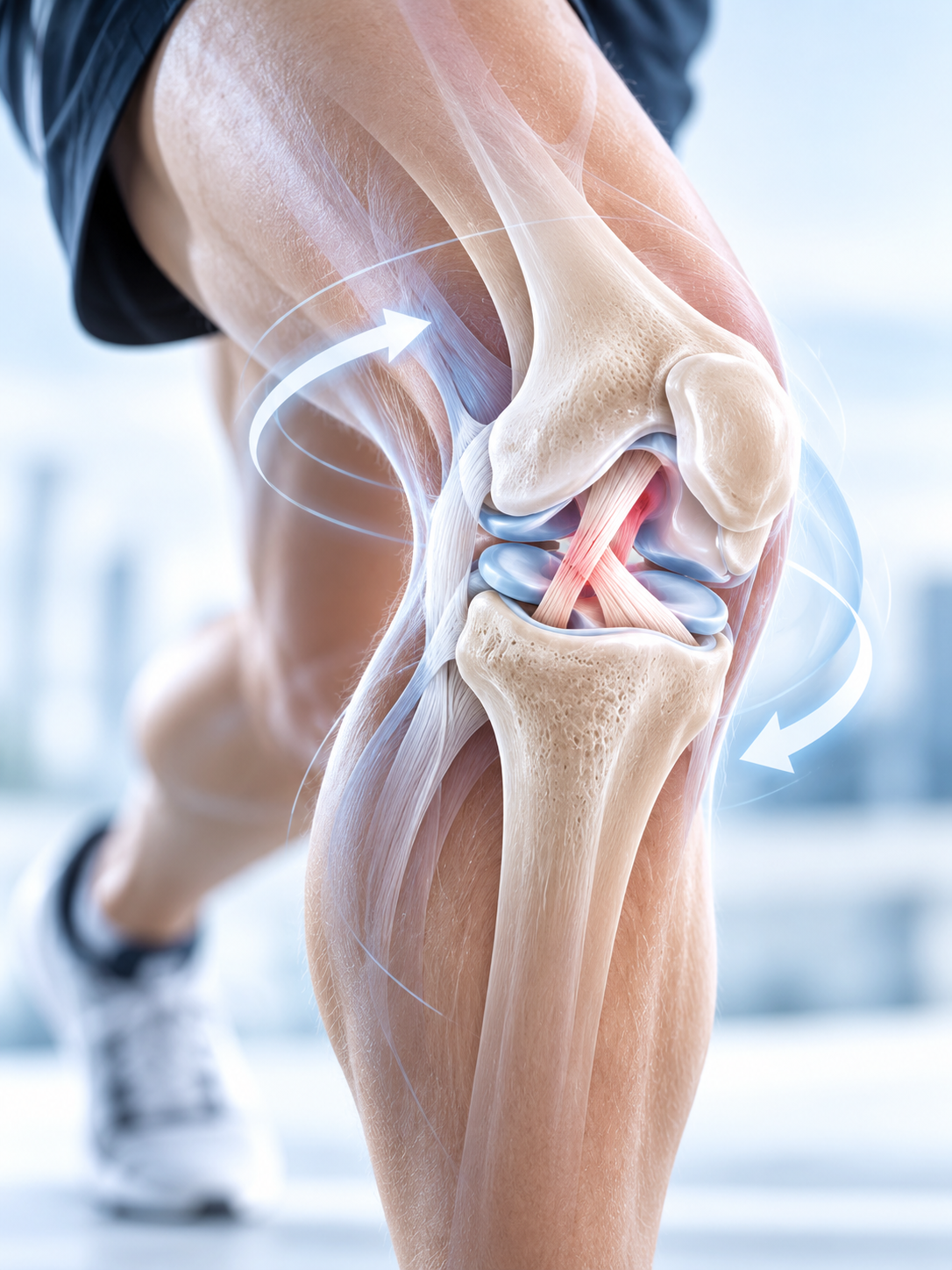
When a previously rebuilt ACL is unable to offer sufficient knee stability, ACL revision surgery may be necessary. Reinjury, poor healing, technical issues, recurrent stress from sports, or new knee injuries can all lead to graft failure. Pain, instability, swelling, and trouble engaging in physical activity can result from these issues.
ACL Revision Surgery can occur due to the following activities:
- Sports injuries causing ACL graft damage
- Repetitive stress during high-impact activities
- Sudden twisting or trauma to the knee
- Returning to sports before adequate recovery
What Other Structures Can Be Affected Along with ACL Revision Surgery?
Failure of an ACL transplant may coexist with damage to other knee structures. Frequent instability may put more strain on the meniscus, cartilage, ligaments, and surrounding tissues, which could impair knee mobility and joint function in general.
- Meniscus injury
- Cartilage damage
- Strain of surrounding ligaments
- Inflammation of joint tissues
- Weakness of supporting muscles
- Changes in knee joint stability
SYMPTOMS
What are the Symptoms of ACL Revision Surgery?
Knee stability, mobility, and physical activity may be impacted by issues that arise after ACL surgery. The state of the graft and the existence of other injuries can affect the symptoms. Early evaluation can assist determine the root cause of recurring instability and direct the right course of action.

Instability of the Knee
When walking, changing directions, or engaging in sports, the knee may feel unstable or give way.
Chronic Knee Pain
After exercise, pain may persist or develop as a result of graft failure or related knee injury.
Connect with our experts and get the right guidance for your condition.
Persistent Swelling
Following physical exertion, inflammation or further damage to the joint may produce swelling.
Diminished Knee Motion
It may be challenging to fully bend or straighten the knee because to pain, edema, or stiffness.
Challenges in Sports
Running, jumping, twisting, and other athletic motions can all be impacted by instability.
Weakness in the Knee
Decreased muscle strength might impact confidence, stability, and balance when engaging in physical activity.
Connect with our experts and get the right guidance for your condition.
BOOK CONSULTATIONDIAGNOSIS
How Does the Doctor Diagnose ACL Revision Surgery?
A thorough review of symptoms, prior ACL surgery, injuries, physical activity, and recovery history is the first step in the diagnosis process. The knee will be examined by your specialist to determine its strength, mobility, stability, and functional limits. To assess the meniscus, cartilage, bone tunnels, prior graft, and other knee structures, imaging studies could be advised. Determining the cause of graft failure and whether revision surgery is necessary requires a thorough evaluation.
DIAGNOSIS
How Does the Doctor Diagnose ACL Revision Surgery?
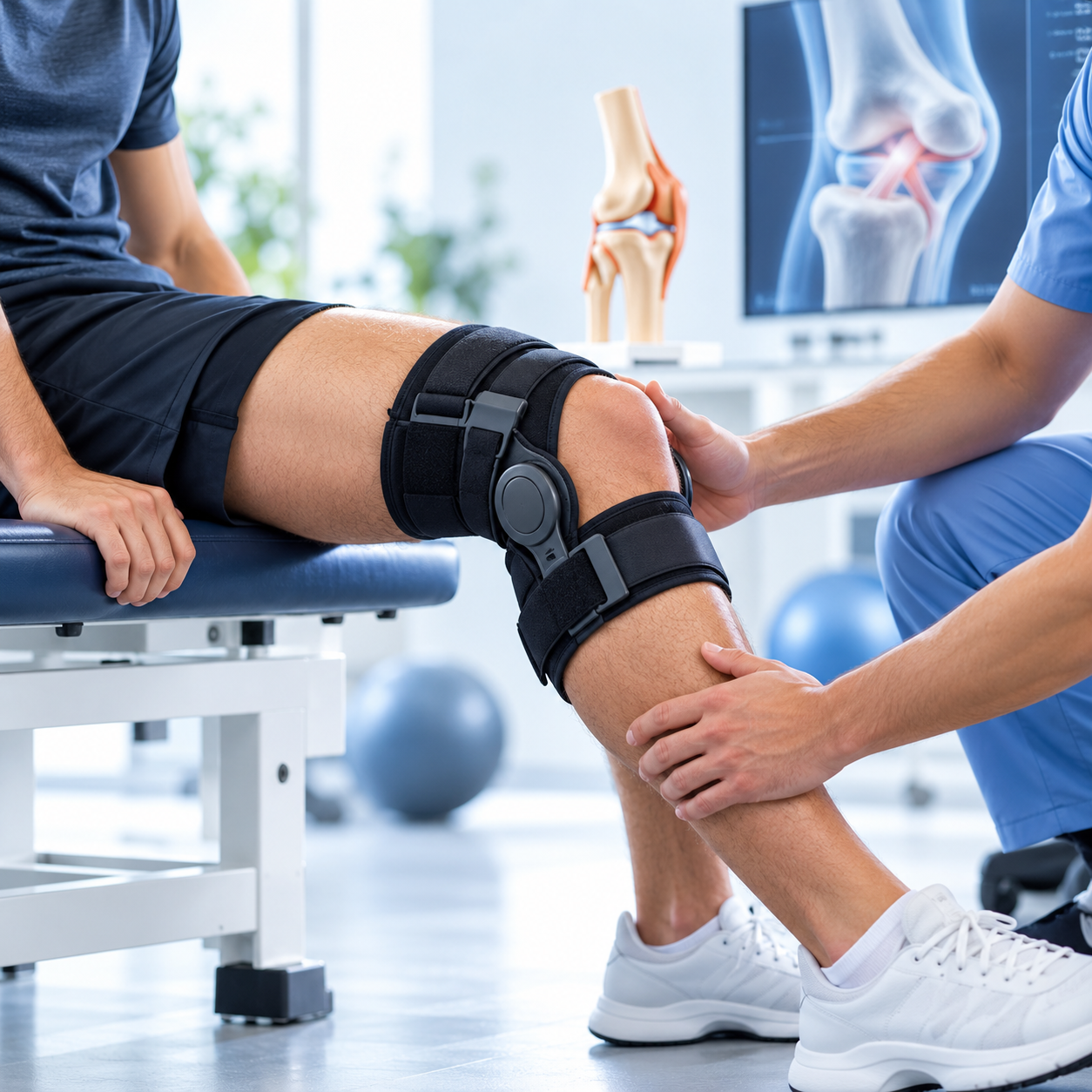
A thorough review of symptoms, prior ACL surgery, injuries, physical activity, and recovery history is the first step in the diagnosis process. The knee will be examined by your specialist to determine its strength, mobility, stability, and functional limits. To assess the meniscus, cartilage, bone tunnels, prior graft, and other knee structures, imaging studies could be advised. Determining the cause of graft failure and whether revision surgery is necessary requires a thorough evaluation.
The following diagnostic procedures can be used to diagnose ACL Revision Surgery:
- Detailed physical examination focuses on knee stability, movement, strength, swelling, and ligament function.
- Imaging tests help assess the previous ACL graft and identify associated injuries within the knee.
- MRI
- X-ray
- CT Scan
TREATMENT
What is the Treatment for ACL Revision Surgery?
The etiology of graft failure, knee stability, related injuries, and the patient's degree of activity all influence treatment after an ACL repair fails. While some patients with severe instability or graft failure may need revision surgery, others may benefit from physical therapy, activity modification, and strengthening. Before deciding on a suitable course of treatment, your physician will evaluate the knee's condition.
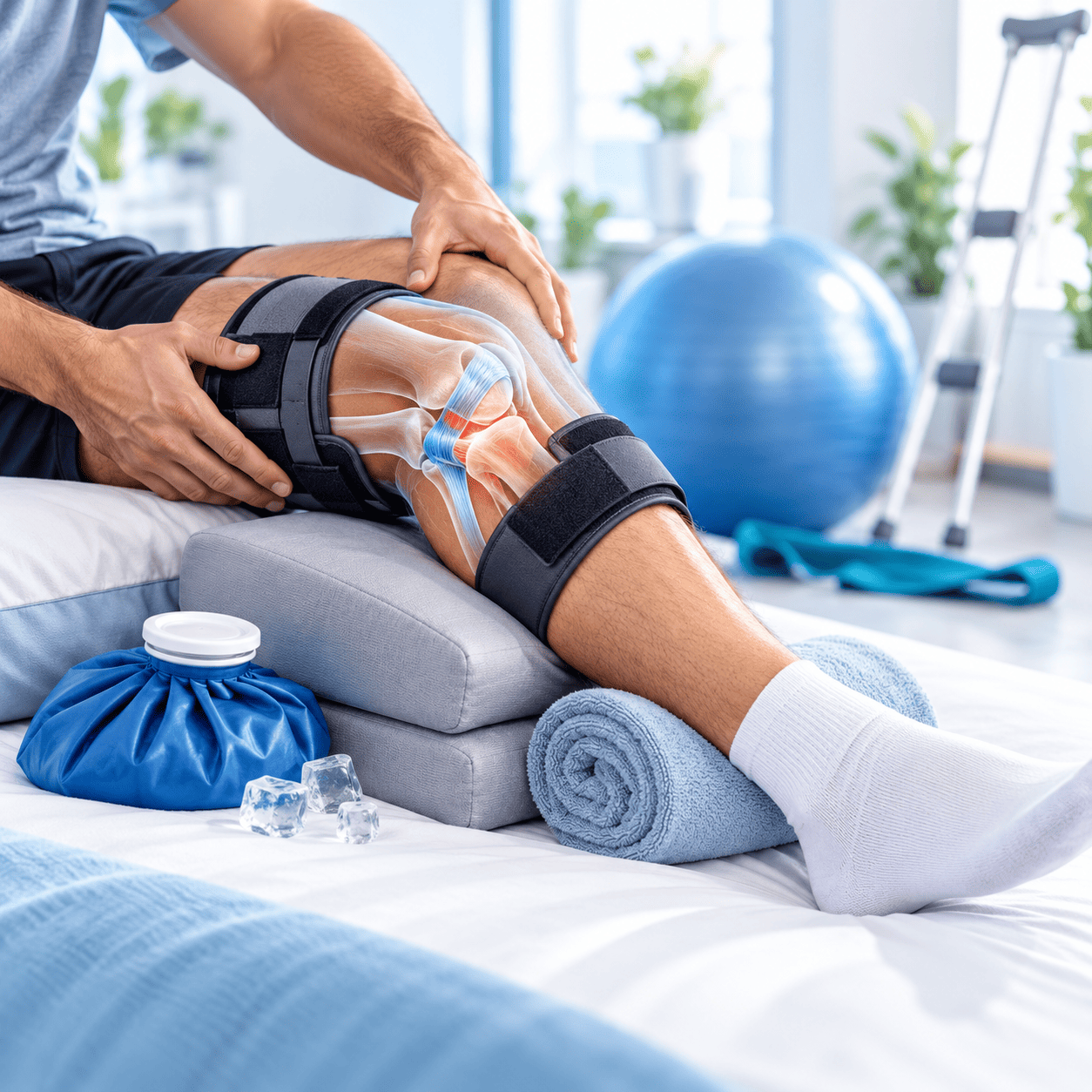
Restoring knee stability, treating related injuries, enhancing mobility, and facilitating a safe return to physical activity are the main goals of medical specialists.
Protect the Knee
Helps prevent additional stress or injury while the knee is being treated and rehabilitated.
Supports Recovery
Reduces activities that place excessive stress on the unstable or recently treated knee.
Reduces Swelling
Can help manage swelling and discomfort following injury or surgical treatment.
Controls Swelling
May provide support and help manage inflammation during the recovery period.
Helps Reduce Swelling
Keeping the leg elevated can help reduce swelling and support comfortable recovery.
NON-SURGICAL CARE
How is ACL Revision Treated Without Surgery?
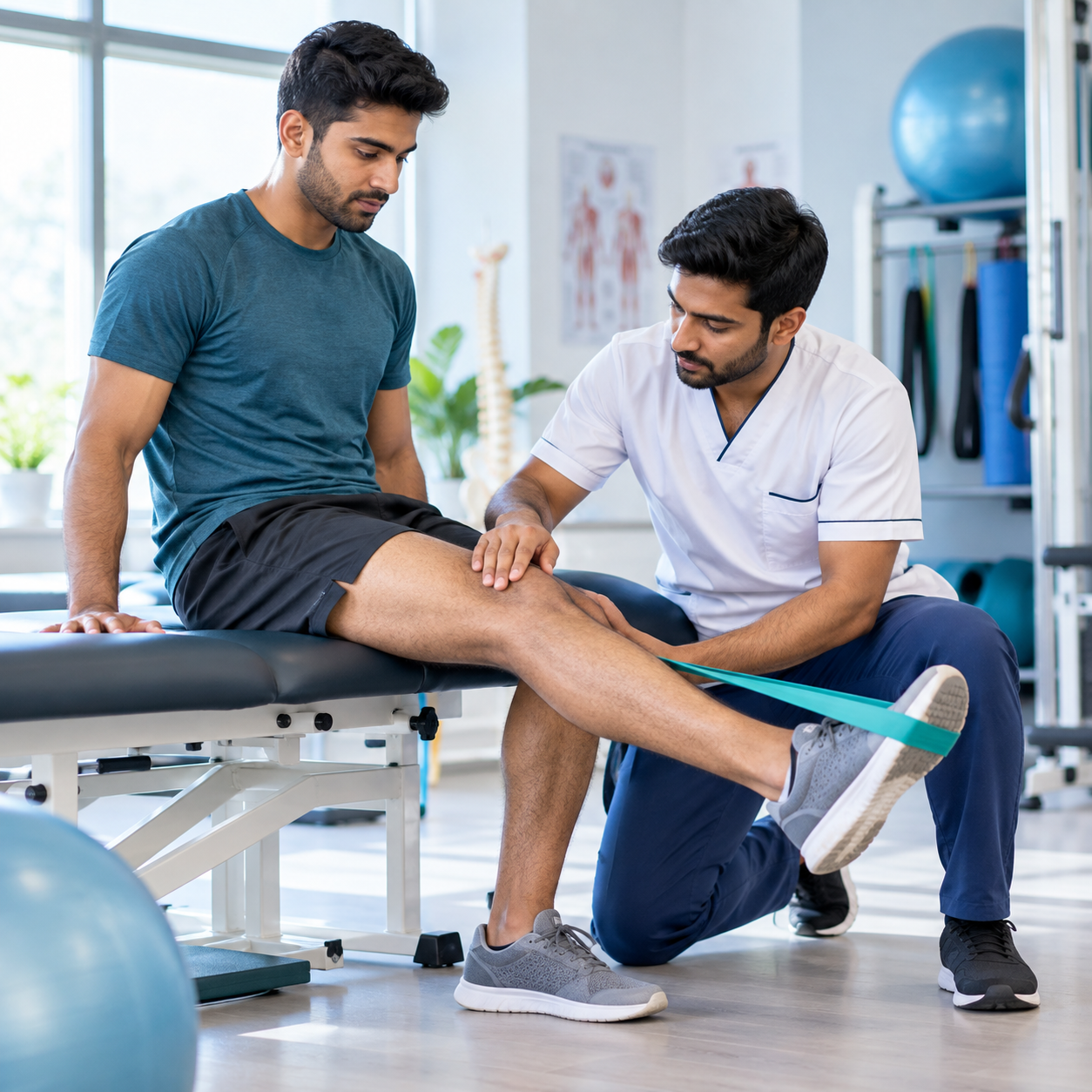
Revision surgery is not always necessary for patients who experience issues following ACL restoration. Activity modification, physiotherapy, strengthening exercises, and adequate pain treatment may be beneficial for patients with minor symptoms or those who are not suffering considerable instability. Enhancing muscle strength, knee control, balance, and functional mobility are the main goals of non-surgical treatment.
NON-SURGICAL CARE
How is ACL Revision Treated Without Surgery?
Revision surgery is not always necessary for patients who experience issues following ACL restoration. Activity modification, physiotherapy, strengthening exercises, and adequate pain treatment may be beneficial for patients with minor symptoms or those who are not suffering considerable instability. Enhancing muscle strength, knee control, balance, and functional mobility are the main goals of non-surgical treatment.
Non-surgical methods include:
- Resistance ExercisesExercises develop the muscles around the knee, providing stability to the knee when moving.
- Rest and Activity ModificationAvoiding high-impact activities can help prevent further stress to the knee.
- Knee SupportA good brace can give you extra support when you’re walking and doing certain physical activities.
- Pain ControlYour specialist may recommend you to take suitable medicines which can help to control pain and inflammation.
RISKS OF NO TREATMENT
When Does ACL Revision Surgery Require Surgery?
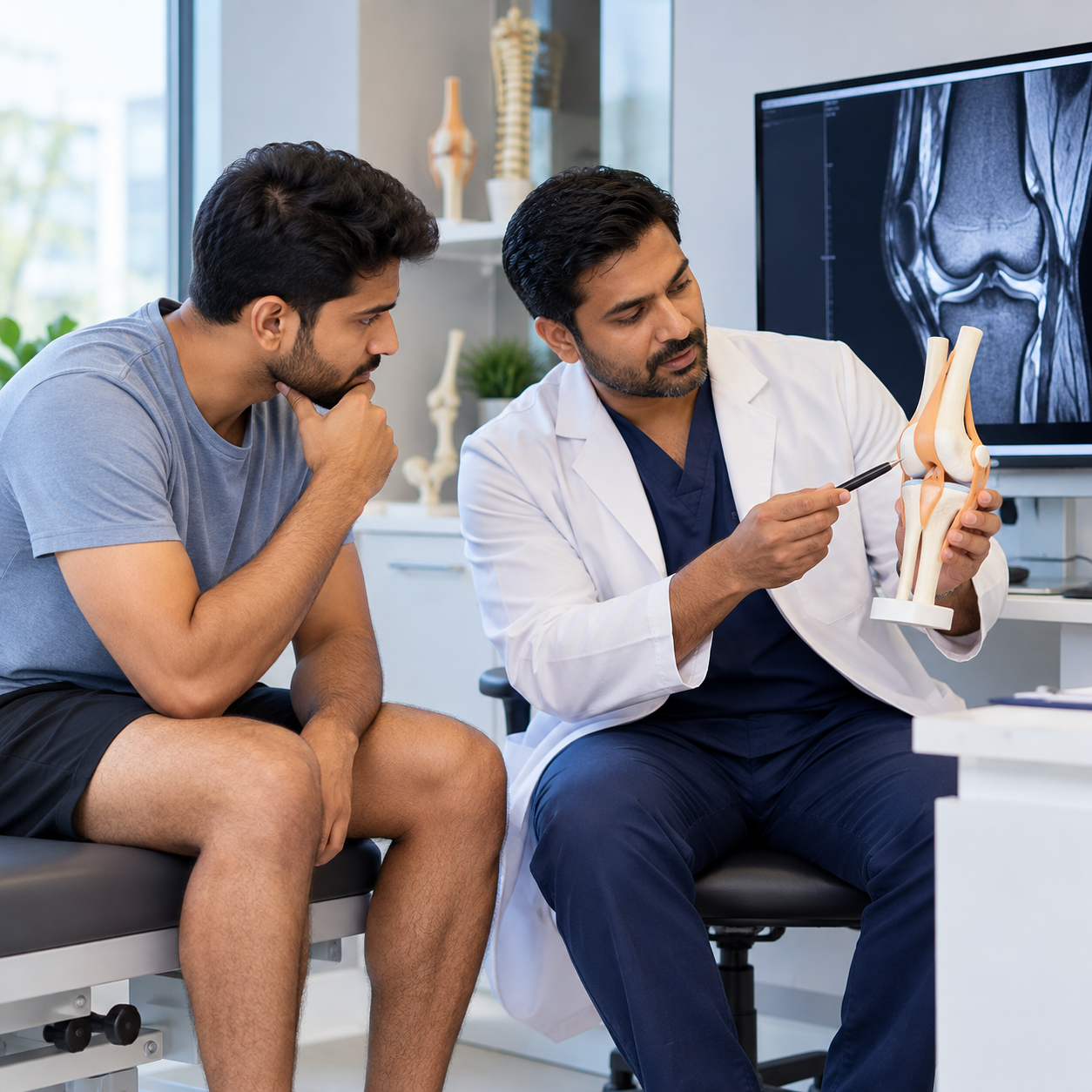
Revision surgery of the ACL can be considered if a previous reconstruction of the ACL has failed and the knee remains unstable despite appropriate management. Additional surgery may be indicated if the patient continues to have giving-way episodes, recurrent injury, significant graft damage, or associated meniscus and cartilage problems. A specialist will look at the graft, knee stability, imaging, and activity needs before suggesting revision surgery.
RISKS OF NO TREATMENT
When Does ACL Revision Surgery Require Surgery?
Revision surgery of the ACL can be considered if a previous reconstruction of the ACL has failed and the knee remains unstable despite appropriate management. Additional surgery may be indicated if the patient continues to have giving-way episodes, recurrent injury, significant graft damage, or associated meniscus and cartilage problems. A specialist will look at the graft, knee stability, imaging, and activity needs before suggesting revision surgery.
Prompt treatment is crucial for preventing complications, faster rehabilitation, as well as knee stability preservation and movement ease.
- Recurrent instability may be linked with increased risk of further knee injury.
- It may cause further damage to the meniscus or cartilage.
- Knee instability can limit your mobility and sports participation.
- Revision surgery may be required for major graft failure.
SURGERY
What is ACL Revision Surgery?
Revision surgery on the ACL is surgery to replace or reconstruct a previously failed ACL graft and restore stability to the knee. The procedure may be employed to treat associated problems of the meniscus, cartilage, bone tunnels or other knee structures. Depending on the state of the previous reconstruction, revision surgery may require meticulous preparation of the knee prior to insertion of a new graft. An organized rehabilitation program after surgery helps to gradually restore motion, strength, stability and function.
The procedure for performing ACL Revision Surgery involves the following:
- Surgeon assesses the previous ACL graft and identifies the cause of failure prior to planning revision surgery.
- Before the surgical procedure, general or regional anesthesia is administered.
- The knee is examined with arthroscopy to assess the previous graft and associated structures.
- If necessary, the failed graft and damaged tissue are carefully removed.
- Bone tunnels may be evaluated or treated to prepare the knee for the new graft.
- An appropriate graft is applied and secured to reconstruct the ACL and restore the stability of the knee.
- Following surgery, the recovery process starts with controlled movement and a structured rehabilitation program.
SURGERY
What is ACL Revision Surgery?
Revision surgery on the ACL is surgery to replace or reconstruct a previously failed ACL graft and restore stability to the knee. The procedure may be employed to treat associated problems of the meniscus, cartilage, bone tunnels or other knee structures. Depending on the state of the previous reconstruction, revision surgery may require meticulous preparation of the knee prior to insertion of a new graft. An organized rehabilitation program after surgery helps to gradually restore motion, strength, stability and function.
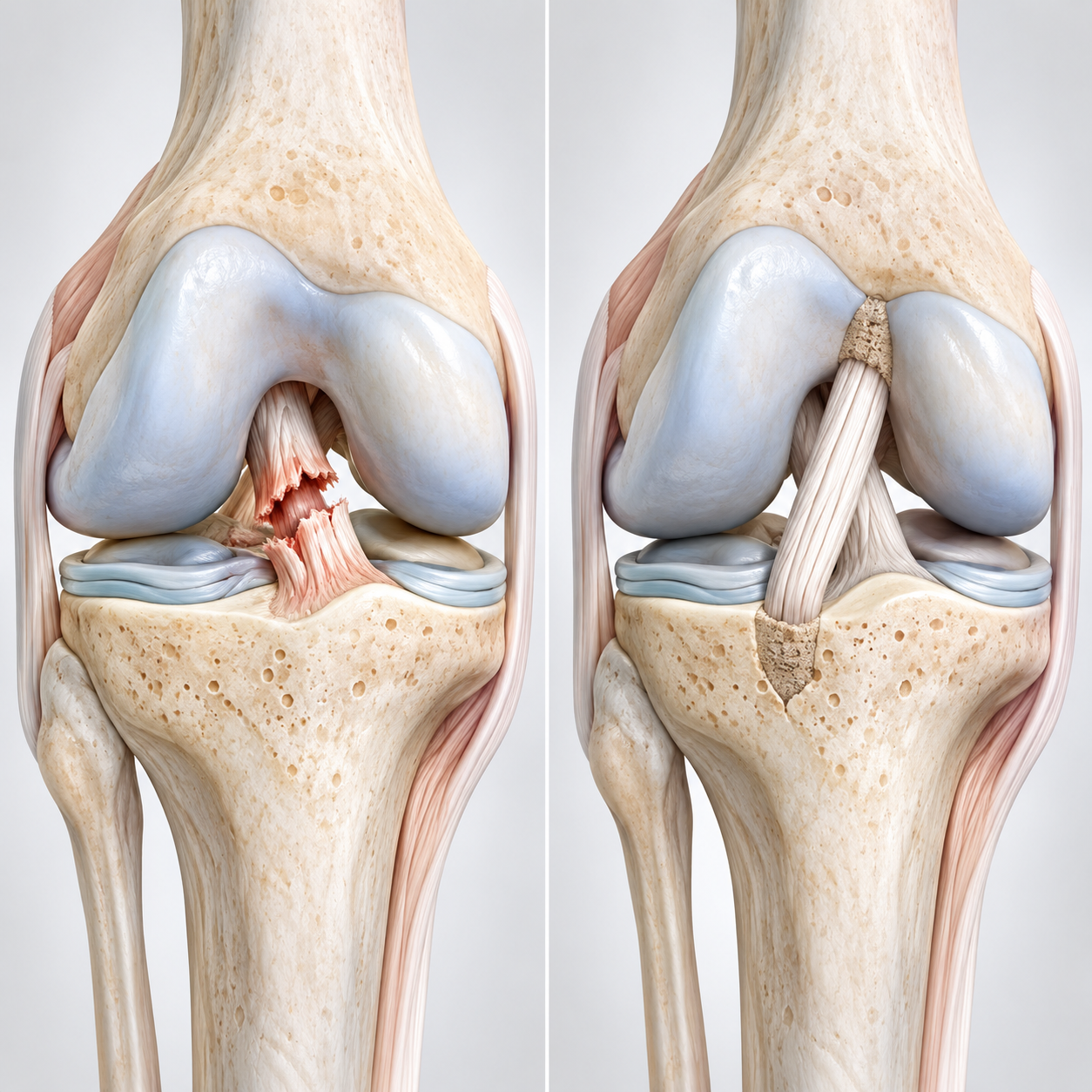
The procedure for performing ACL Revision Surgery involves the following:
- Surgeon assesses the previous ACL graft and identifies the cause of failure prior to planning revision surgery.
- Before the surgical procedure, general or regional anesthesia is administered.
- The knee is examined with arthroscopy to assess the previous graft and associated structures.
- If necessary, the failed graft and damaged tissue are carefully removed.
- Bone tunnels may be evaluated or treated to prepare the knee for the new graft.
- An appropriate graft is applied and secured to reconstruct the ACL and restore the stability of the knee.
- Following surgery, the recovery process starts with controlled movement and a structured rehabilitation program.
COMPLICATIONS
What are the Possible Complications of ACL Revision Surgery or its Treatment?
Although ACL revision surgery is safe and effective, there are some complications that can occur during the recovery and rehabilitation process. Risk may be related to the status of prior reconstruction, associated knee pathology, surgical complexity and individual healing. Regular medical examinations and adequate rehabilitation help detect possible problems and support recovery.
Chronic Knee Instability
If the reconstructed ligament does not heal or function properly, the knee may continue to feel unstable.
Rigid Knee
Recovery may be marked by restricted movement from swelling, scar tissue or reduced mobility.
Inflammation & Swelling
Following surgery, the knee could be swollen and tender, especially in the initial stages of recovery.
Failure of Graft
The reconstructed ACL may be damaged or may not heal correctly and may need further treatment.
Connect with our experts and get the right guidance for your condition.
RECOVERY & OUTCOMES
What is the Recovery Process after ACL Revision Surgery?
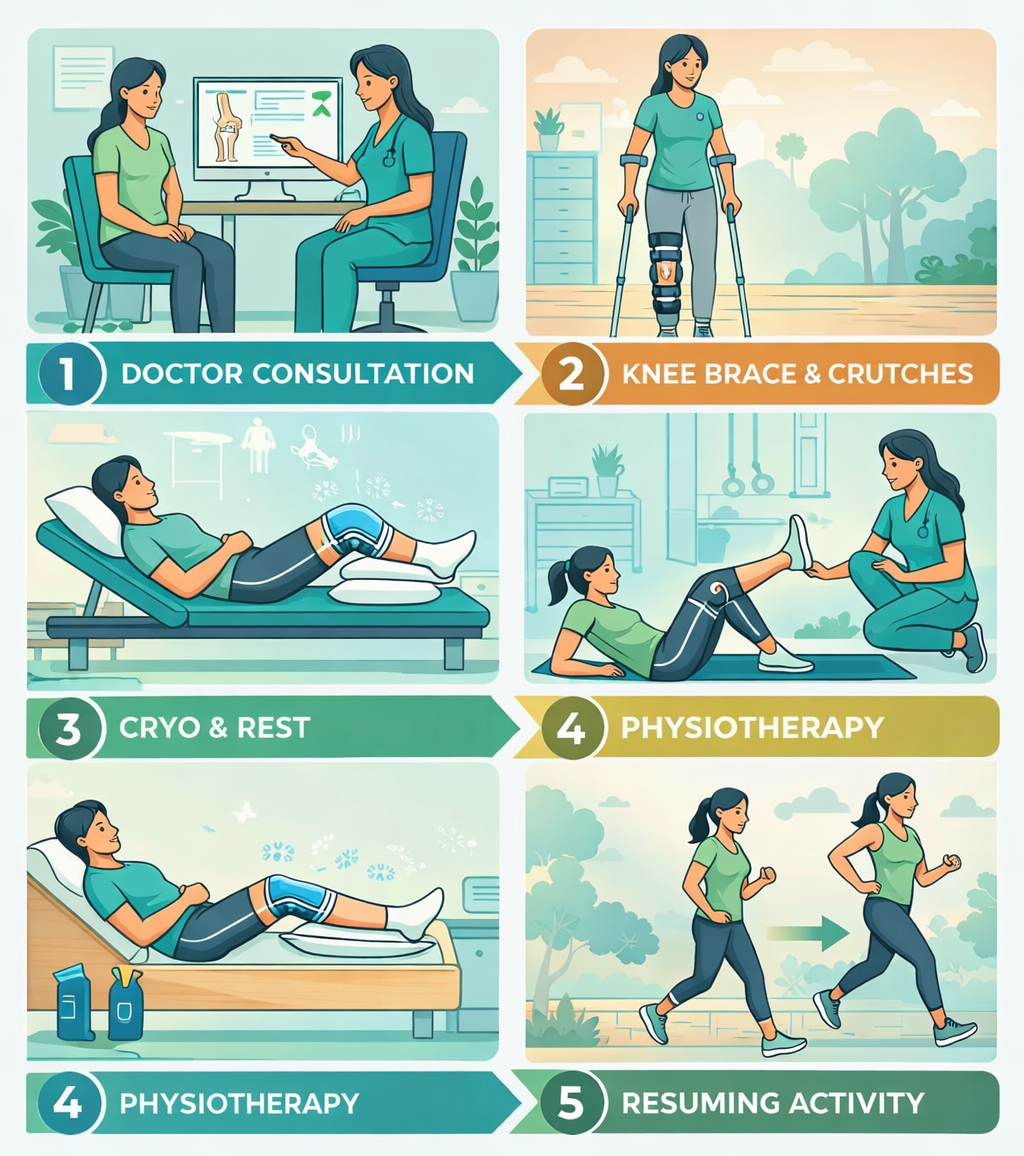
RECOVERY & OUTCOMES
What is the Recovery Process after ACL Revision Surgery?
Strict adherence to medical advice, physical therapy and activity restrictions is necessary for postoperative recovery after ACL revision. The patient must follow recommendations that will help the reconstructed ligament and surrounding tissues heal, while gradually improving knee motion, strength, balance, and stability. Recovery may take longer than after a first ACL reconstruction, depending on the complexity of the procedure and any associated injuries. Structured rehabilitation helps facilitate a safe return to daily activities and sports.
The recovery procedure following ACL Revision Surgery involves the following stages:
- Early rest and protection of the reconstructed knee
- Gradual recovery of motion and flexibility of the knee
- Gradual strengthening of the muscles around the knee
- Regular follow-up visits to monitor the recovery
- Gradual return to daily activities and sports after adequate rehabilitation
AFTERCARE
Recovery & Aftercare for ACL Revision Surgery
AFTERCARE
Recovery & Aftercare for ACL Revision Surgery
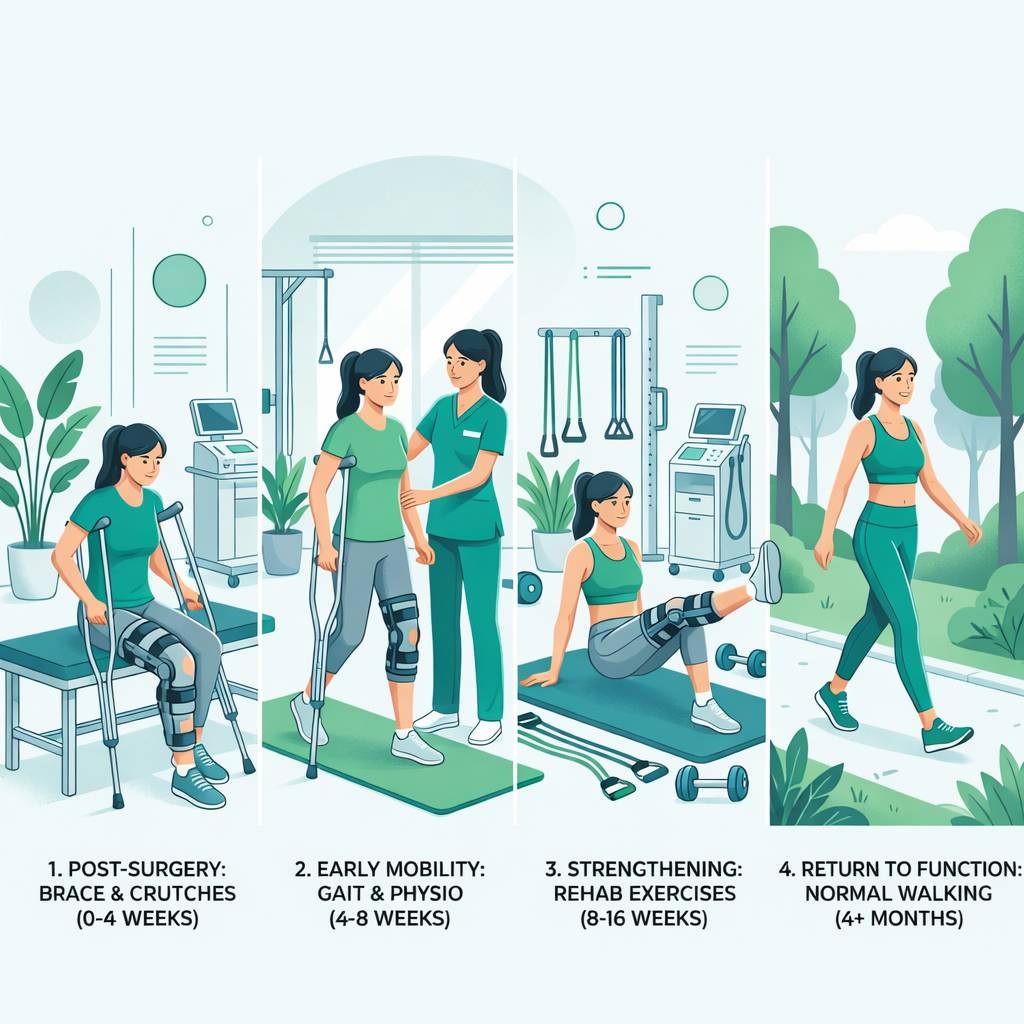
Post-surgery ACL revision care is important for proper graft healing, knee stability and the gradual return of movement. It is important that patients follow their post-operative instructions in an effort to minimize complications and prevent putting too much stress on the reconstructed ligament. With regular physical therapy sessions, follow-up with the medical team and controlled physical activity, the knee can gradually regain strength, balance, flexibility and function. Following a structured recovery plan may also decrease the risk of reinjury in the return to exercise and sports.
Recommendations for recovery success:
- Follow your doctor’s recovery advice
- Use crutches or knee brace as advised
- Attend physiotherapy sessions
- Increase knee mobility without overdoing it
- Continue routine medical check-ups
FAQ'S
Do You Have Any Question About ACL Revision Surgery?
ACL revision surgery is a procedure performed to repair a failed or compromised previous ACL reconstruction and restore stability of the knee joint.
Candidates for revision surgery include those with a failed ACL graft, recurrent knee instability, or associated knee damage following meticulous evaluation.
Some swelling and pain is normal after the surgery. Adequate pain control and structured physiotherapy can help make the recovery process easier.
Your recovery will depend on the type of surgery you had, other injuries you may have sustained, how well your body heals and how well your rehabilitation goes. Your specialist will walk you through each step.
Return to sport depends on graft healing, knee motion, strength, stability and rehabilitation progress. Your surgeon and physiotherapist will determine when you are ready to get back.