
ARTHROSCOPY & SPORTS INJURY ASSOCIATES

OVERVIEW
What is Patellofemoral Joint Treatment?
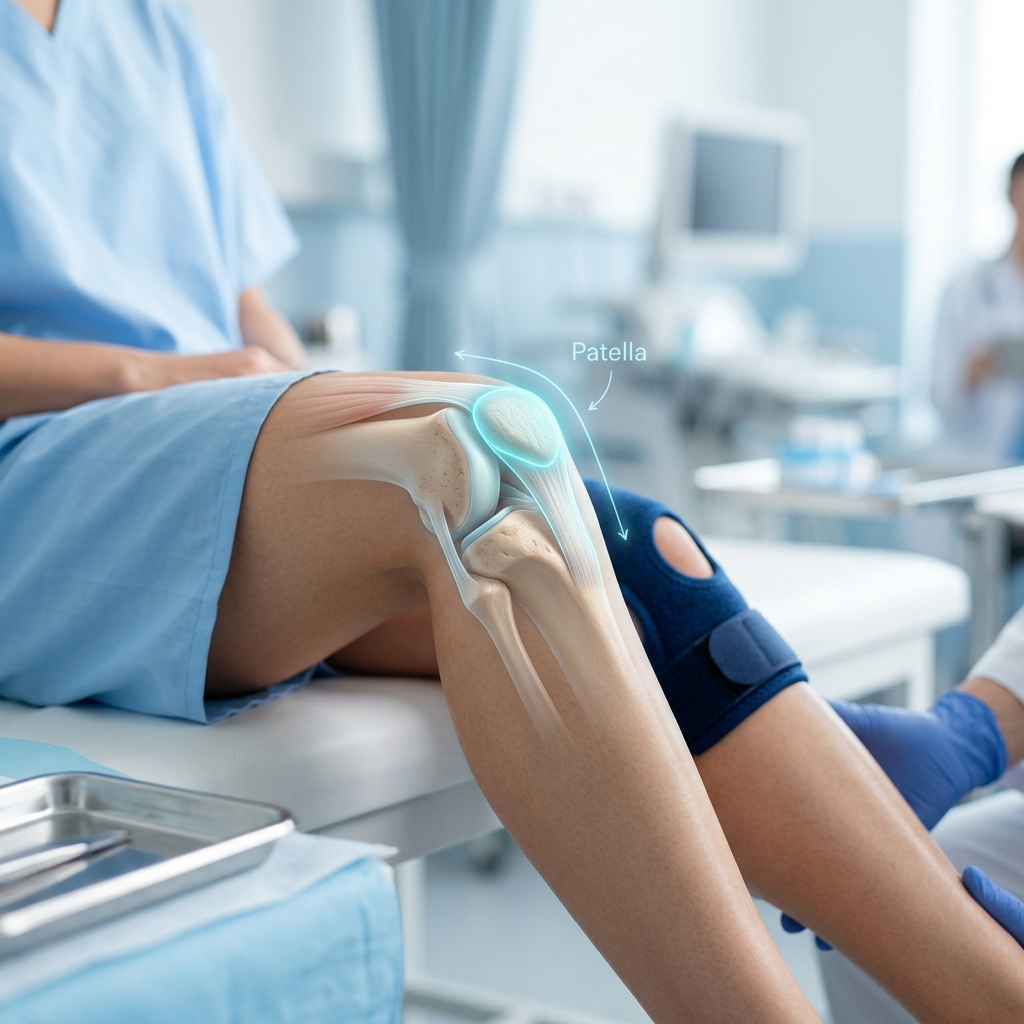
Patellofemoral joint problems are related to knee pain, stiffness, and difficulty in knee movements involving the kneecap and adjacent areas. The patellofemoral joint joins the kneecap to the femur to aid in the facilitation of knee movements such as when walking and climbing. Knee pain in this area might result from factors like overuse, injury, damage to cartilage, or misalignment of the kneecap. It might be managed via physical therapy, use of medications, supportive treatment, or even surgery.
Here are some key points to understand Patellofemoral Joint Treatments better:
- The patellofemoral joint facilitates smooth movement in the knee when engaged in daily activities.
- The condition arises due to overuse, injury, degeneration of the cartilage, and displacement of the kneecap.
- The purpose of treatment is to relieve the pain and allow the proper movement of the knee.
- Early detection and adequate treatment will prevent instability of the knee.
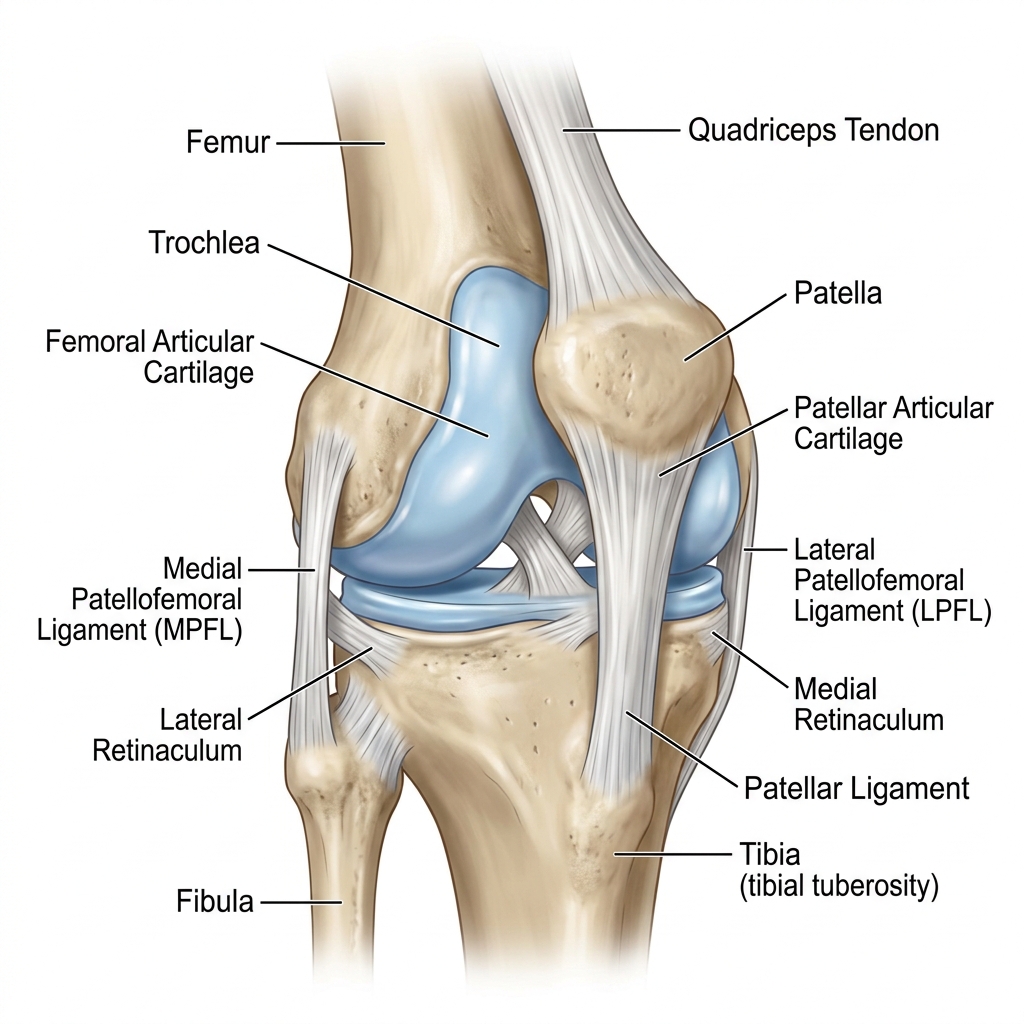
Patellofemoral joint problems are related to knee pain, stiffness, and difficulty in knee movements involving the kneecap and adjacent areas. The patellofemoral joint joins the kneecap to the femur to aid in the facilitation of knee movements such as when walking and climbing. Knee pain in this area might result from factors like overuse, injury, damage to cartilage, or misalignment of the kneecap. It might be managed via physical therapy, use of medications, supportive treatment, or even surgery.
Here are some key points to understand Patellofemoral Joint Treatments better:
- The patellofemoral joint facilitates smooth movement in the knee when engaged in daily activities.
- The condition arises due to overuse, injury, degeneration of the cartilage, and displacement of the kneecap.
- The purpose of treatment is to relieve the pain and allow the proper movement of the knee.
- Early detection and adequate treatment will prevent instability of the knee.
Surgeons Available for Consultations

Dr. Karnav Panchal
M.B.B.S, M.S. (Orthopedics),
FAOS (South Korea)
Consultant Arthroscopist & Sports Injury Specialist Consultant Joint Replacement Surgeon

Dr. Aniket Gupta
M.B.B.S, M.S. (Orthopedics),
MRCS (Edinburgh)
Training & Qualifications Fellowship in MRCS (UK) Arthroscopy & Arthroplasty (Milan, Italy)
Consultant Physiotherapist

Dr. Aarsh Bhatt
B.P.T,M.P.T (Cardio-Respiratory Disorders) MIAP , HCPC (UK) , DHA (UAE)
Consultant Physiotherapist

Dr. Hetvi Dimothe
BPT , M.P.T (Rehabilitation) MIAP, HCPC (UK) , DHA (UAE)
Consultant Physiotherapist

Causes
What Causes Patellofemoral Joint Problems?
Patellofemoral joint conditions develop when there is excess pressure placed on the patella as well as other structures of the knee joint during physical activity. There are various factors that increase the likelihood of developing the condition including repetitive motions, sports injuries, muscle weakness, improper alignment of the kneecap, and degenerative cartilage.
Causes
What Causes Patellofemoral Joint Problems?
Patellofemoral joint conditions develop when there is excess pressure placed on the patella as well as other structures of the knee joint during physical activity. There are various factors that increase the likelihood of developing the condition including repetitive motions, sports injuries, muscle weakness, improper alignment of the kneecap, and degenerative cartilage.
Patellofemoral Joint problems can occur due to the following activities and factors:
- Repetitive injury to the knee during activities
- Injuries sustained while playing sports which cause improper movement of the kneecap
- Weak muscles that provide inadequate support to the knee joint
- Misalignment of the kneecap during regular movements
- Degeneration of cartilage due to age and wear
What Other Structures Can Be Affected Along with Patellofemoral Joint Problems?
Apart from the direct damage done to the patella, other complications related to this joint can also lead to slow degeneration of nearby tendons, ligaments, cartilage, and muscles. Such conditions will make any movement painful for the knee, thus reducing its functionality in the long run.
- Nearby ligament strain
- Irritation of the tendons
- Wear and tear of cartilage lining
- Weak surrounding muscles
- Joint capsule swelling
- Injury to the bone surface
SYMPTOMS
What Are the Symptoms of a Patellofemoral Joint Injury?
Early injuries to the patellofemoral joint lead to knee pain, stiffness, swelling, and difficulty with mobility, particularly with stair climbing, knee flexion, prolonged sitting, and normal physical activities.

Pain Around the Front of the Knee
The pain from patellofemoral joint injury typically manifests as persistent pain around the kneecap while walking, flexing the knee, stair climbing, and engaging in routine physical activities.
Knee Stiffness
Inflammation of the joint leads to stiffness, which makes movement painful and restricts knee flexibility in everyday activities.
Limited Knee Movement
The inflammation within the joint gradually reduces knee movement during walking, exercise, and other movements.
Failure to treat injuries to the patellofemoral joint can cause knee instability to increase, further injure the cartilage, reduce mobility, and require surgery.
Connect with our experts and get the right guidance for your condition.
Grinding Feeling
Some individuals have a grinding sensation while bending or moving the knee while performing tasks.
Knee Swelling
An inflamed condition causes swelling around the knee cap during normal movement.
Knee Instability
Pain can cause weakness in the knee, limiting the ability to perform routine movements.
Movement Problems
Walking, stair climbing, or exercising can be difficult due to discomfort and stiffness.
Connect with our experts and get the right guidance for your condition.
BOOK CONSULTATIONDIAGNOSIS
How Does the Doctor Diagnose an Patellofemoral Joint Injury?
The first step that physicians take in diagnosing the problem starts with discussion of the signs of the condition, consideration of the trauma history and detailed examination of the joint. Pain, swelling, stiffness, displacement of the kneecap and range of movement will be checked by the doctor. For the confirmation of the diagnosis and evaluation of its severity, imaging tests and further examination might be recommended by the physician. The early diagnosis allows getting a proper treatment earlier, which will lead to improved recovery of the patient and decreased chances of knee instability in the future.
DIAGNOSIS
How Does the Doctor Diagnose an Patellofemoral Joint Injury?
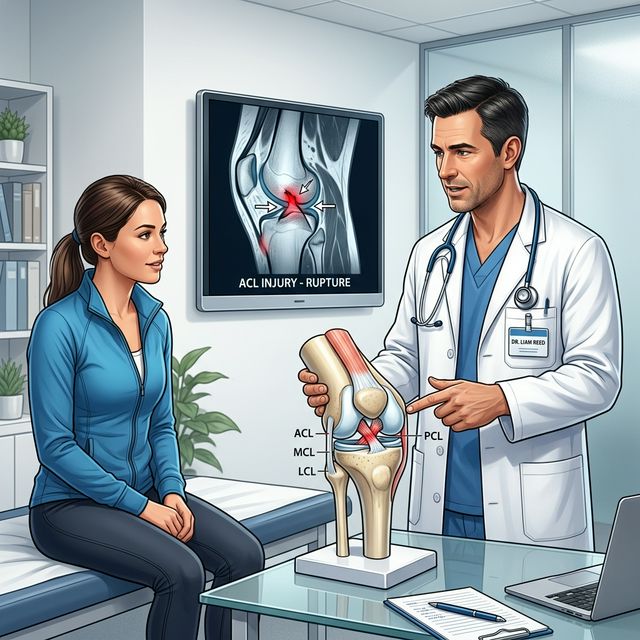
The first step that physicians take in diagnosing the problem starts with discussion of the signs of the condition, consideration of the trauma history and detailed examination of the joint. Pain, swelling, stiffness, displacement of the kneecap and range of movement will be checked by the doctor. For the confirmation of the diagnosis and evaluation of its severity, imaging tests and further examination might be recommended by the physician. The early diagnosis allows getting a proper treatment earlier, which will lead to improved recovery of the patient and decreased chances of knee instability in the future.
Methods for diagnosing Patellofemoral Joint Injury:
- Physical examination: evaluates range of movement, inflammation, stability of the joint and position of the kneecap
- Diagnostic imaging: confirms damage of the joint and neighboring tissues
- MRI
- X-ray
TREATMENT
What is the Treatment for Patellofemoral Joint Injury?
Management of patellofemoral joint injury relies on the severity of the injury, state of the knee joint, flexibility of the individual and the general well-being. In case of mild injury, it may be managed through physiotherapy and medication, but for major injuries involving joint damage, it requires surgery and rehabilitation.
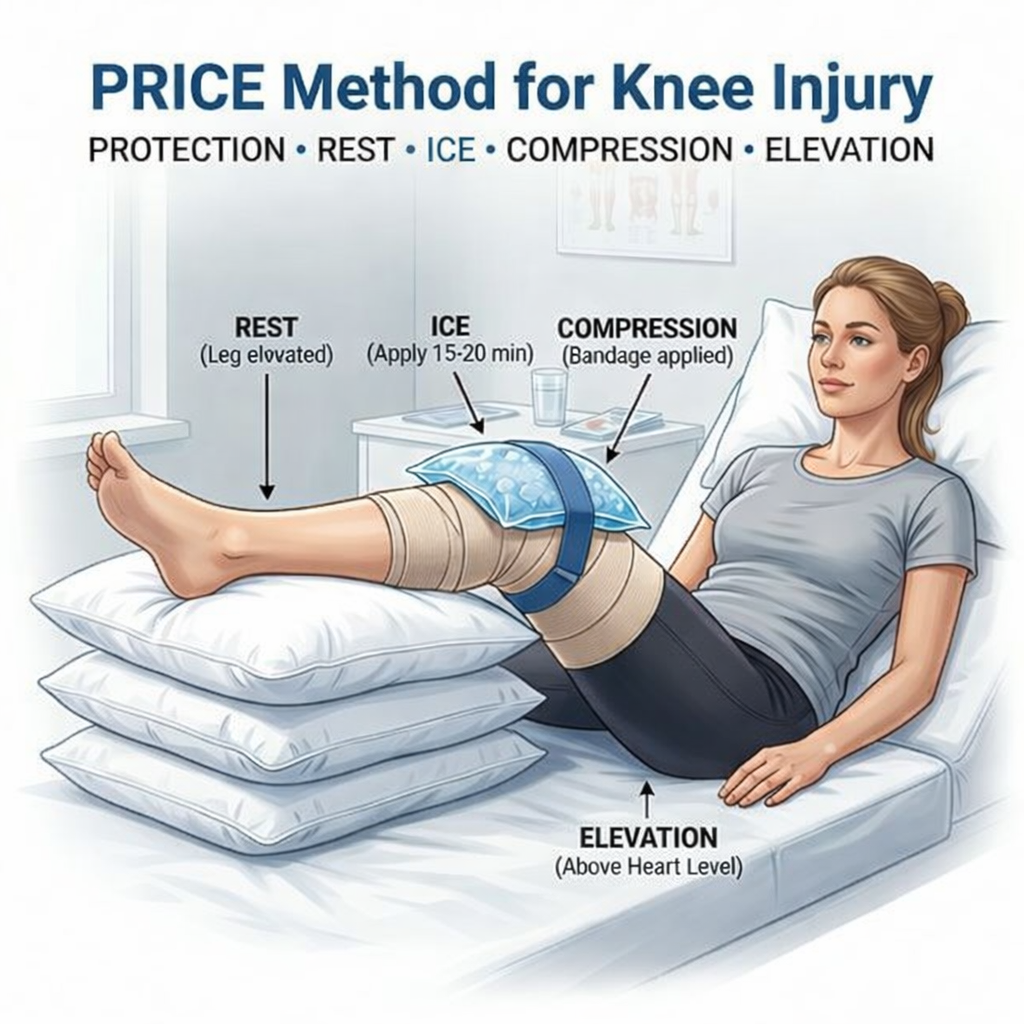
Access to prompt medical attention reduces complications, ensures stability of the joint, and promotes swift recovery. Medical practitioners follow a systematic management approach with progressive recovery techniques such as the PRICE model for improved recovery outcomes.
P
Protection
Protects knee from further injury
R
Rest
Allows tissues to heal smoothly
I
Ice Therapy
Reduces joint inflammation
C
Compression
Decreases joint inflammation
E
Elevation
Promotes blood circulation
NON-SURGICAL CARE
How Is Patellofemoral Joint Injury Treated without Surgery?
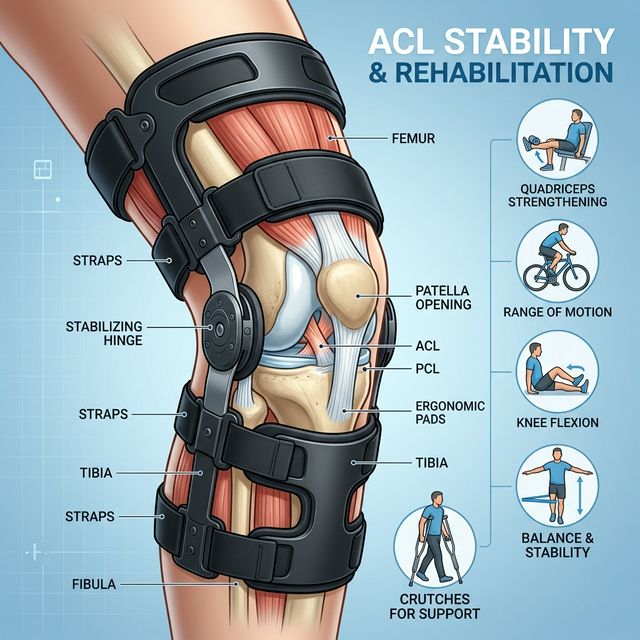
Not all cases require surgical interventions when the conditions are relatively mild and moderate or are detected earlier. In some cases, patients will recover properly using appropriate rest, physiotherapy sessions, knee braces, pain relievers, and rehabilitation programs. The main purpose of non-surgical treatment is to minimize pain, stabilize the joint, normalize its functions, and assist in recovering without any surgeries and hospitalization procedures.
NON-SURGICAL CARE
How Is Patellofemoral Joint Injury Treated without Surgery?
Not all cases require surgical interventions when the conditions are relatively mild and moderate or are detected earlier. In some cases, patients will recover properly using appropriate rest, physiotherapy sessions, knee braces, pain relievers, and rehabilitation programs. The main purpose of non-surgical treatment is to minimize pain, stabilize the joint, normalize its functions, and assist in recovering without any surgeries and hospitalization procedures.
The list of non-surgical options includes:
- Physiotherapy sessions aimed at strengthening muscle groups, increasing flexibility, and restoring normal joint movements with the help of gradual recovery process;
- Rest along with activity modification to prevent excessive strain on the damaged joint during the rehabilitation period;
- Knee braces and taping for assisting the joint in stabilizing kneecap movement;
- Anti-inflammatory drugs that eliminate swelling and pain and normalize movements of the joint in general.
When Does Patellofemoral Joint Treatment Require Surgery?
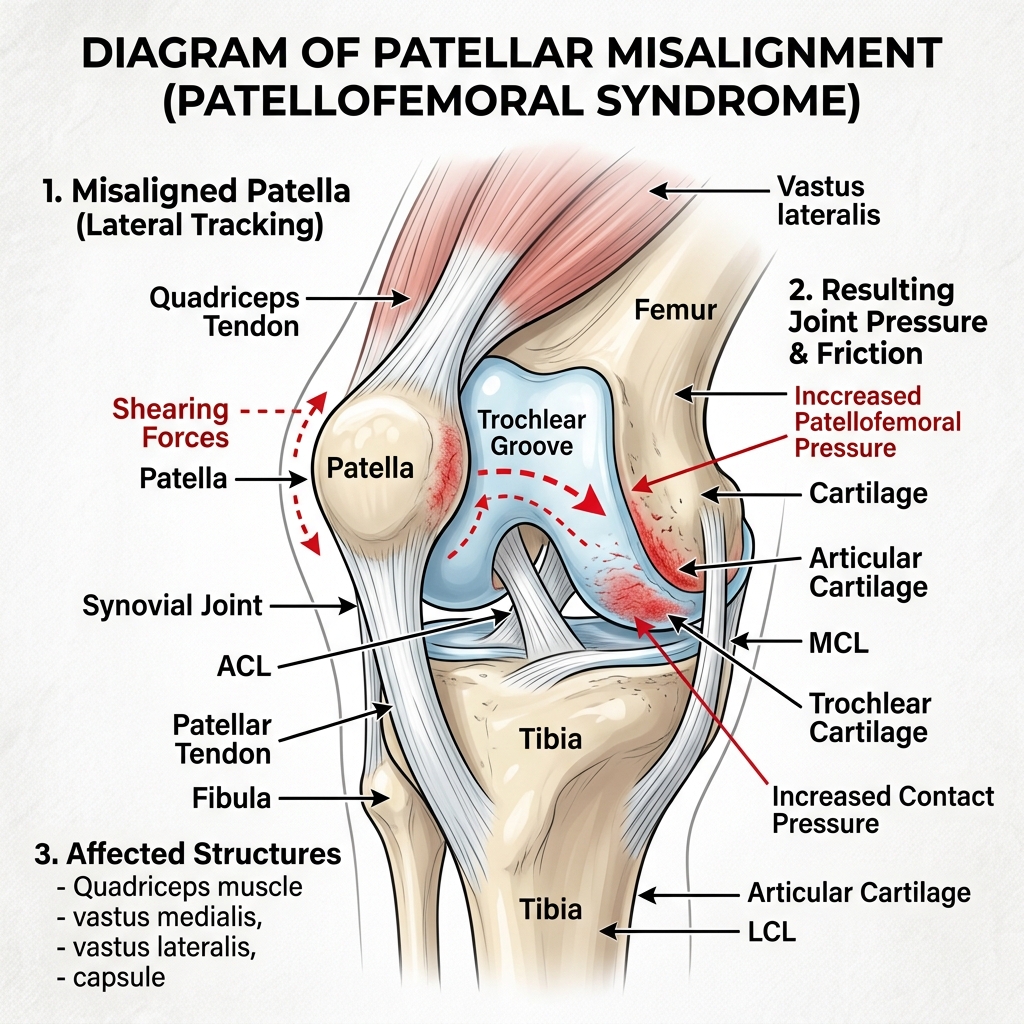
Disregarding issues in the patellofemoral joint could exacerbate knee symptoms such as pain, stiffness, swelling, and mobility difficulties in the course of routine movements. If left untreated, the condition could eventually extend to adjacent cartilages and knee instability, worsening pain and restriction. Consulting a physician in advance allows patients to determine whether non-surgical therapy would suffice or whether future surgical interventions would be required. Proper treatment in a timely manner will aid in preventing complications, expediting healing, and maintaining proper knee function and stability.
When Does Patellofemoral Joint Treatment Require Surgery?
Disregarding issues in the patellofemoral joint could exacerbate knee symptoms such as pain, stiffness, swelling, and mobility difficulties in the course of routine movements. If left untreated, the condition could eventually extend to adjacent cartilages and knee instability, worsening pain and restriction. Consulting a physician in advance allows patients to determine whether non-surgical therapy would suffice or whether future surgical interventions would be required. Proper treatment in a timely manner will aid in preventing complications, expediting healing, and maintaining proper knee function and stability.
- Untreated injuries lead to knee instability deterioration
- Treatment delays increase the likelihood of further cartilage injury
- Pain could inhibit the performance of daily tasks
- Serious joint damage necessitates surgery
What is Patellofemoral Joint Treatment Surgery?
The primary goal of the patellofemoral joint treatment surgery is to relieve intense pain, stabilize the kneecap, and facilitate comfortable movements when non-surgical interventions fail. This surgical intervention may help reduce stiffness and provide proper positioning to ensure future functional use. Depending on the degree of damage and the state of the joint, doctors may repair torn cartilage, align the kneecap, and intervene with other affected structures. With comprehensive rehabilitation and follow-ups, the patients slowly start to recover mobility, strength, and flexibility in their joints.
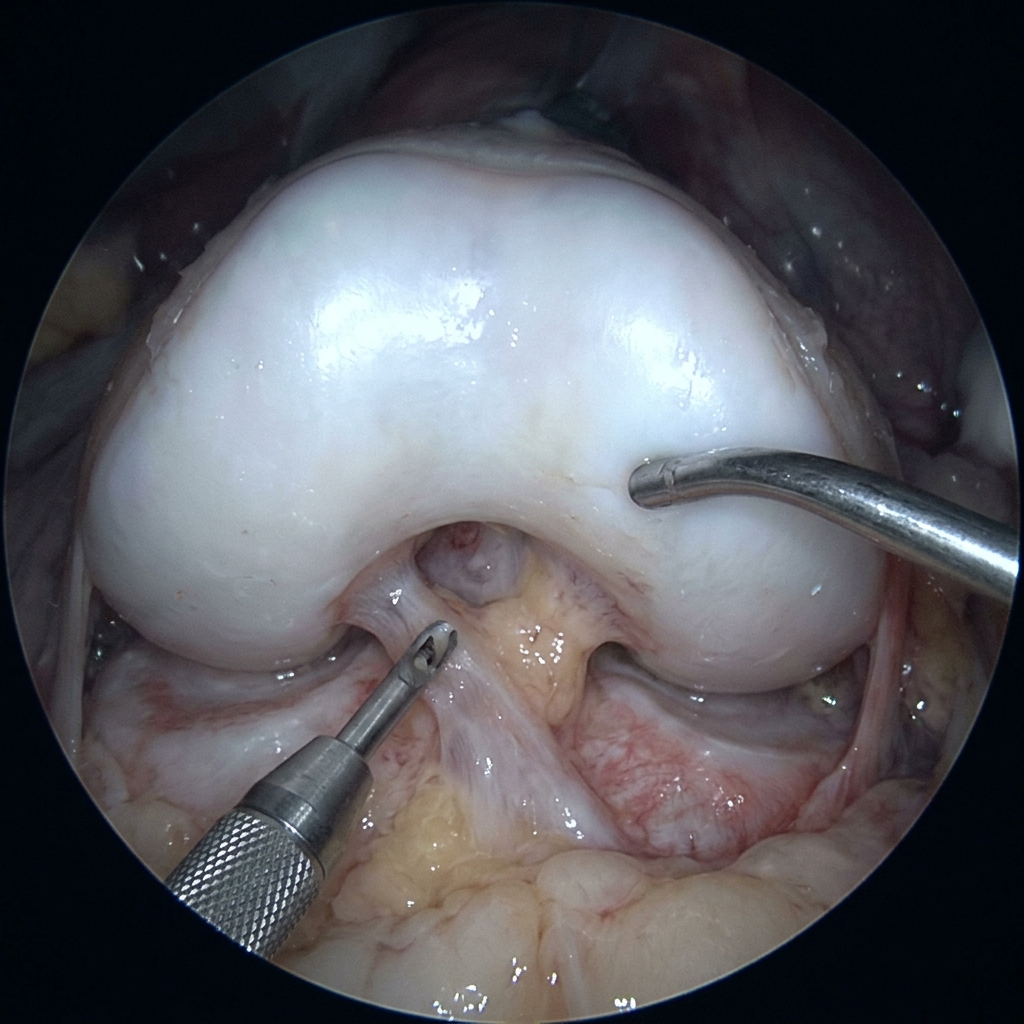
Steps and techniques of patellofemoral joint treatment procedure:
- At first, doctors evaluate the severity of damage to the joint and create the most effective approach to surgery.
- Under anesthesia, surgeons perform precise cuts near the joint.
- Cartilage repair and alignment procedures are conducted depending on patient needs.
- Surgery involves repairing torn cartilage and affected tissues.
- Surgeons align the kneecap to ensure future smooth movement and joint stabilization.
- The intervention uses specialized equipment to minimize risks to the ligaments, tendons, and cartilage.
- The postoperative rehabilitation helps the patients regain movement, flexibility, strength, and functionality.
What is Patellofemoral Joint Treatment Surgery?
The primary goal of the patellofemoral joint treatment surgery is to relieve intense pain, stabilize the kneecap, and facilitate comfortable movements when non-surgical interventions fail. This surgical intervention may help reduce stiffness and provide proper positioning to ensure future functional use. Depending on the degree of damage and the state of the joint, doctors may repair torn cartilage, align the kneecap, and intervene with other affected structures. With comprehensive rehabilitation and follow-ups, the patients slowly start to recover mobility, strength, and flexibility in their joints.
Steps and techniques of patellofemoral joint treatment procedure:
- At first, doctors evaluate the severity of damage to the joint and create the most effective approach to surgery.
- Under anesthesia, surgeons perform precise cuts near the joint.
- Cartilage repair and alignment procedures are conducted depending on patient needs.
- Surgery involves repairing torn cartilage and affected tissues.
- Surgeons align the kneecap to ensure future smooth movement and joint stabilization.
- The intervention uses specialized equipment to minimize risks to the ligaments, tendons, and cartilage.
- The postoperative rehabilitation helps the patients regain movement, flexibility, strength, and functionality.
COMPLICATIONS
What are the Possible Complications of Patellofemoral Joint Injury or Its Treatment?
The treatment process can be considered safe and effective; however, several complications may occur in the course of rehabilitation. With proper medical treatment, checkups, and physiotherapy sessions, most of these problems can be prevented successfully. Knowledge about possible complications allows identifying symptoms in time and achieving successful results regarding overall recovery, stability of the knee joint, and mobility.
Persistent Knee Pain
In some cases, knee pain while performing physical activities may continue for quite a long period of time even after treatment and rehabilitation sessions.
Joint Stiffness
Due to improper flexibility, recovery activities may prove difficult owing to joint stiffness.
Swelling and Inflammation
Swelling, soreness, and temporary discomfort associated with inflammation in the knee area may appear as a result of inappropriate treatment.
Kneecap Instability
Incorrect knee healing may lead to instability of its work due to kneecap malpositioning.
Connect with our experts and get the right guidance for your condition.
RECOVERY
What is the Recovery Process after Patellofemoral Joint Treatment?
RECOVERY
What is the Recovery Process after Patellofemoral Joint Treatment?
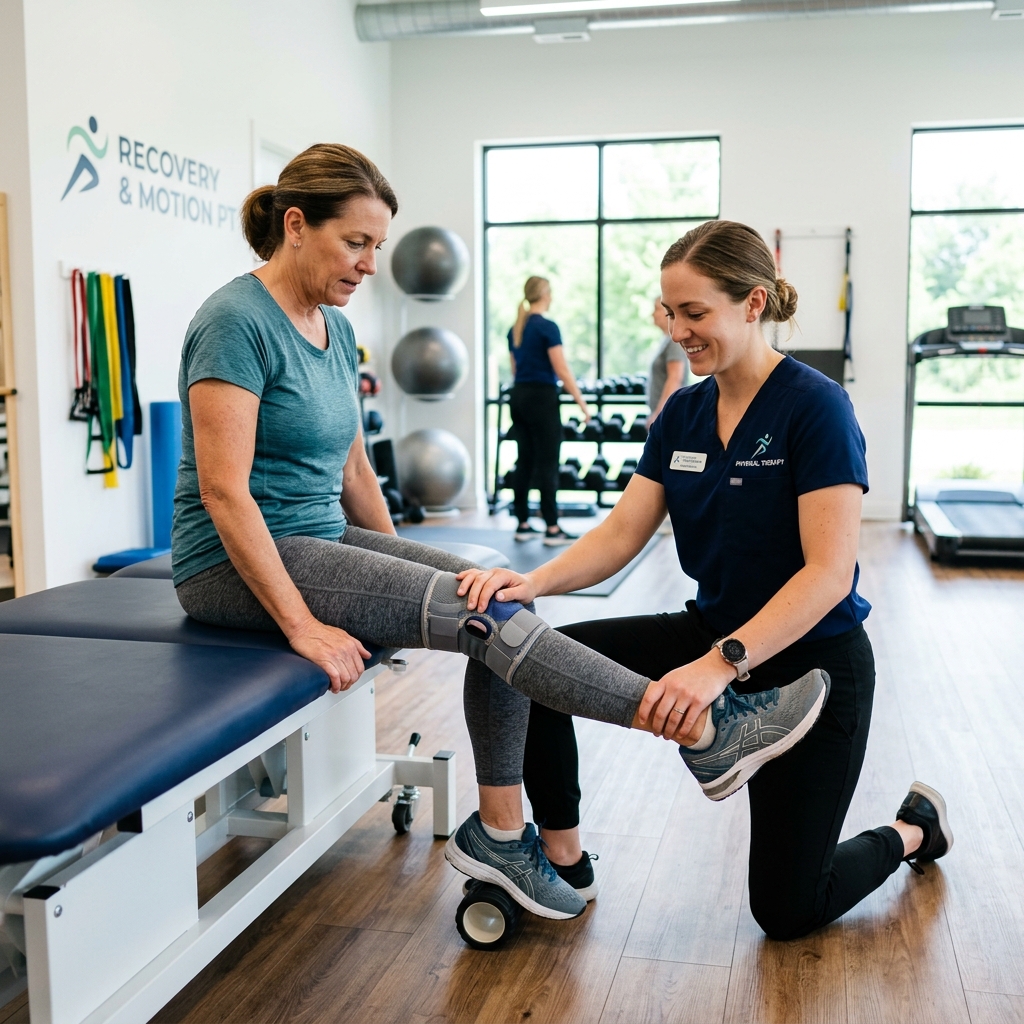
Recovery following treatment of the patellofemoral joint is a slow process. This involves appropriate medical care, follow-up, and physiotherapy guidance for the patient. Proper adherence to rehabilitation guidelines will aid the process of regaining strength and mobility within the knee joint safely. The rate of healing differs from patient to patient depending on the extent of the condition and the type of treatment undertaken. Physiotherapy, exercise, and good management minimize complications and enhance knee joint strength and stability.
The phases of recovery following patellofemoral joint treatment involve the following:
- Protection of the knee joint by resting
- Increased mobility with exercises
- Muscle strengthening using physiotherapy guidance
- Follow-ups for monitoring purposes
- Returning to normal activity slowly
AFTERCARE
Recovery & Aftercare for Patellofemoral Joint Treatment
AFTERCARE
Recovery & Aftercare for Patellofemoral Joint Treatment
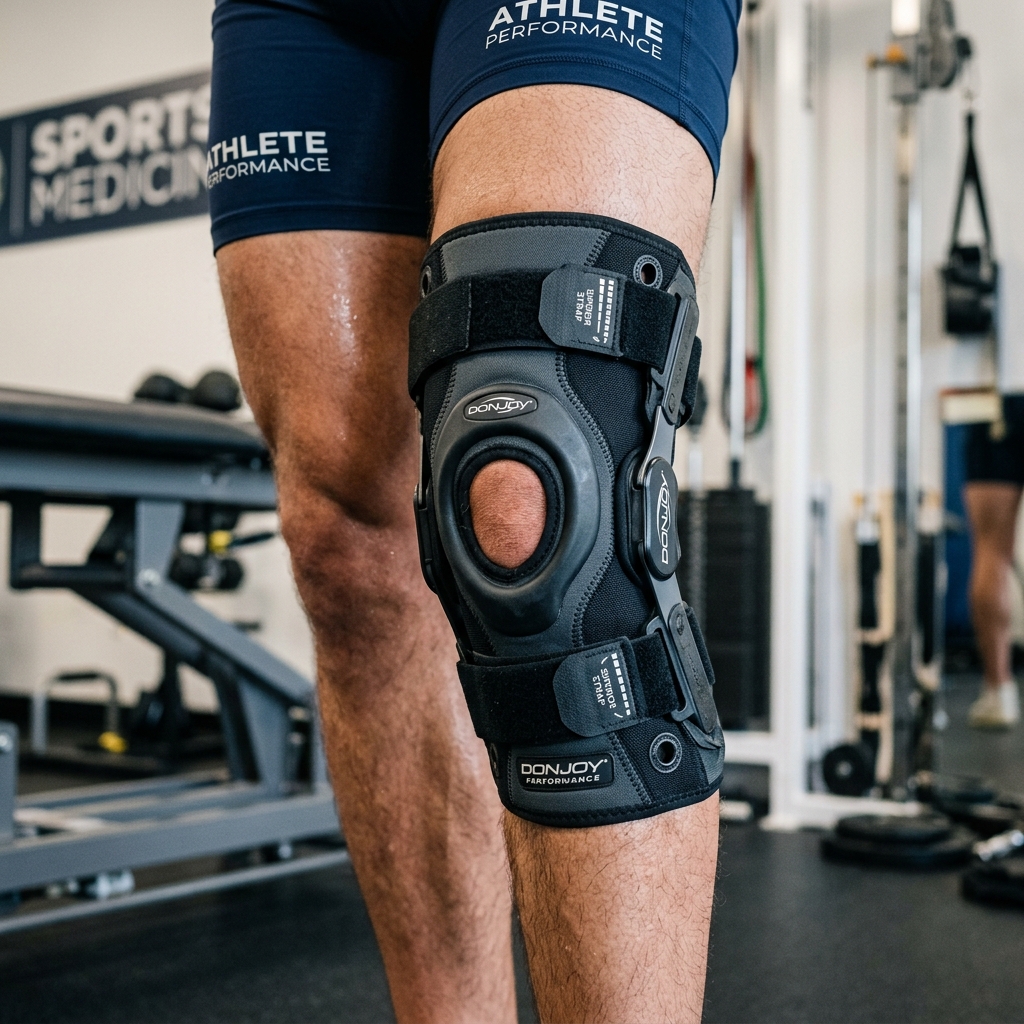
Good aftercare of patellofemoral joint surgery ensures the healing of the knee joint, its proper stabilization, and gradual recovery. Patients should strictly adhere to all rehabilitation guidelines in order to avoid complications and resume healthy motion gradually. Frequent physiotherapy, medical visits, and careful activity contribute to safe muscle strengthening. With consistent care throughout the whole period of recovery, there is a lower risk of re-injury and a faster return to regular activity and sports.
The following measures promote the process of recovering from surgery:
- Strict adherence to recovery guidelines provided by the surgeon
- The use of stabilizing equipment
- Attendance at physiotherapy visits
- Gradual increase of movements without strain
FAQ'S
Do You Have Any Question Please?
The time to recover largely depends on the severity of injury, mode of treatment, results of rehabilitation exercises, and patient’s ability to heal after treatment.
It is normally safe to undergo such treatment under proper medical care, assistance of rehabilitation, and follow-up treatments.
Joint surgery may be necessary if there are continuous issues such as pain, instability, and inability to move despite conservative therapy.
It helps improve muscle strength around the joint, increase flexibility, eliminate pain, and ensure easy movement.
It helps reduce joint injury, enhance its movement, and prevent future problems.