
ARTHROSCOPY & SPORTS INJURY ASSOCIATES

OVERVIEW
What is Meniscus Treatment?
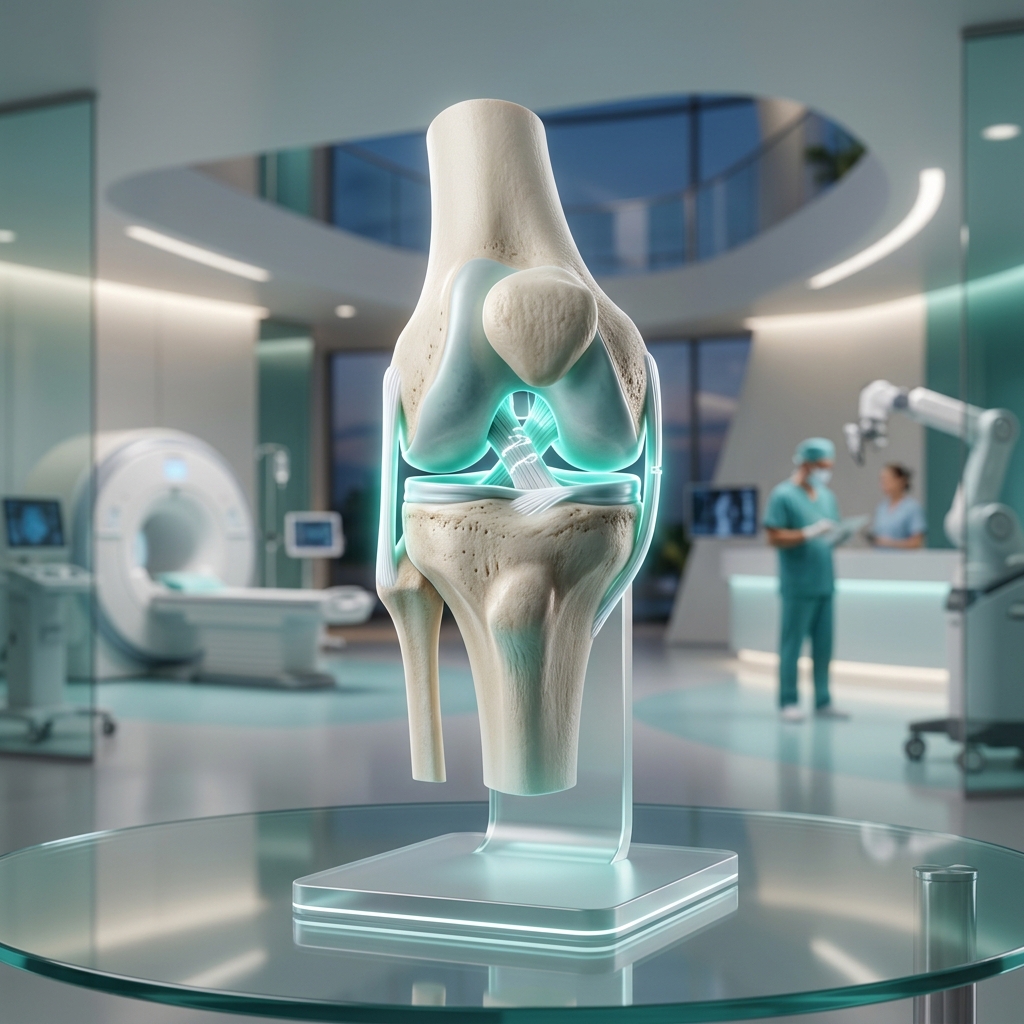
The term “meniscal treatment” refers to various medical procedures used to address injuries to the meniscus—a flexible cartilage located in the knee joint. The meniscus acts as a shock absorber, enhances stability, and prevents damage to knee bones when knees move. Most cases of meniscal injuries occur because of a rapid movement twist, sports activities, old age, or excessive strain on the knee joint. The right kind of treatment should assist in reducing pain and improving joint function.
Here are some key points to understand Meniscus Treatment better:
The meniscus works as a shock absorber to help the knee joint function smoothly during its use.
Injury to the meniscus usually arises as a result of twisting movements, an accident when playing sport, or degeneration due to old age.
The options for treatment vary according to the level of severity, symptoms, overall health of the joint, and the mobility of the patient.
It is vital to receive prompt diagnosis and treatment to facilitate faster healing and prevent knee complications.
The term “meniscal treatment” refers to various medical procedures used to address injuries to the meniscus—a flexible cartilage located in the knee joint. The meniscus acts as a shock absorber, enhances stability, and prevents damage to knee bones when knees move. Most cases of meniscal injuries occur because of a rapid movement twist, sports activities, old age, or excessive strain on the knee joint. The right kind of treatment should assist in reducing pain and improving joint function.
Here are some key points to understand Meniscus Treatment better:
The meniscus works as a shock absorber to help the knee joint function smoothly during its use.
Injury to the meniscus usually arises as a result of twisting movements, an accident when playing sport, or degeneration due to old age.
The options for treatment vary according to the level of severity, symptoms, overall health of the joint, and the mobility of the patient.
It is vital to receive prompt diagnosis and treatment to facilitate faster healing and prevent knee complications.
Surgeons Available for Consultations

Dr. Karnav Panchal
M.B.B.S, M.S. (Orthopedics),
FAOS (South Korea)
Consultant Arthroscopist & Sports Injury Specialist Consultant Joint Replacement Surgeon

Dr. Aniket Gupta
M.B.B.S, M.S. (Orthopedics),
MRCS (Edinburgh)
Training & Qualifications Fellowship in MRCS (UK) Arthroscopy & Arthroplasty (Milan, Italy)
Consultant Physiotherapist

Dr. Aarsh Bhatt
B.P.T,M.P.T (Cardio-Respiratory Disorders) MIAP , HCPC (UK) , DHA (UAE)
Consultant Physiotherapist

Dr. Hetvi Dimothe
BPT , M.P.T (Rehabilitation) MIAP, HCPC (UK) , DHA (UAE)
Consultant Physiotherapist

Causes
What Causes Meniscus Injury?
Meniscal injuries occur due to sudden twisting of the knee joint when a person is weight-bearing or participating in any kind of sports activity. Sports maneuvers, slips, lifting, or repeated strain on the knee joint commonly causes damage to meniscal cartilage. With aging, knee joint structures get worn out over time, making them prone to injury. These injuries result in knee pain, inflammation, stiffness, and inability to move the joint. Serious meniscal injuries require medical attention to regain joint function.
Causes
What Causes Meniscus Injury?
Meniscal injuries occur due to sudden twisting of the knee joint when a person is weight-bearing or participating in any kind of sports activity. Sports maneuvers, slips, lifting, or repeated strain on the knee joint commonly causes damage to meniscal cartilage. With aging, knee joint structures get worn out over time, making them prone to injury. These injuries result in knee pain, inflammation, stiffness, and inability to move the joint. Serious meniscal injuries require medical attention to regain joint function.
Meniscus Treatment can occur due to the following activities:
- Abrupt twisting of the knee while playing sports or exercising.
- An unusual fall while walking, running, or even climbing on uneven surfaces.
- The knee experiences stress due to exertion.
- Rapid lateral movements subject the knee joints to an excessive amount of stress.
- The knee’s joint becomes weakened because of aging.
What Other Structures Can Be Affected Along with Meniscus Injury?
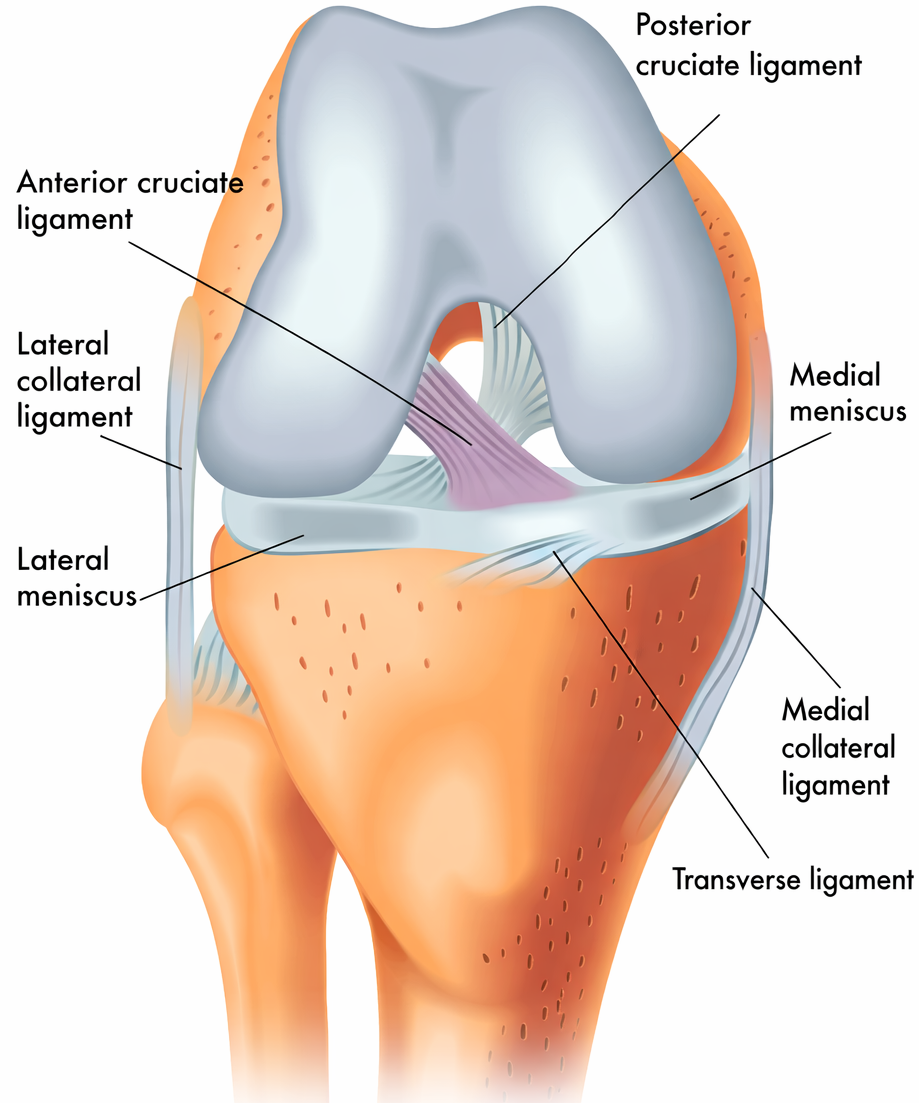
Other than injuries to the meniscus, other components of the knee can also suffer damage as a result of excessive pressure in the area and joint instability. Injuries in ligaments, cartilage, tendons, and nearby muscles can cause these components to be strained, irritated, or become inflamed due to injuries. Failure to treat the problem could result in damage to the knee’s mobility, stability, and balance. Diagnosis and treatment will help avoid future complications and maintain good knee health and functionality.
- Ligament strain in the knee
- Damage to the cartilage surface
- Tendon irritation
- Inflammation in joint capsule
- Weakness of surrounding muscles
- Pressure on bone surface
SYMPTOMS
What Are the Symptoms of a Meniscus Injury?
Initial meniscus injury symptoms include pain, swelling, stiffness, and movement difficulty following twisting, sports injuries, prolonged standing, or strenuous daily physical activity.

Pain and swelling
Meniscus problems often result in constant knee joint pain while walking, bending, stair-climbing, and engaging in regular physical activity.
Knee Swelling & Stiffness
As a consequence of meniscus injury, there may be inflammation and swelling of the knee joint as well as associated tenderness and restricted movement.
Difficulty Moving Knee Joint
Due to damage to the meniscus, there may be restricted movement of the knee joint when performing normal physical activities.
Neglecting meniscus injuries might aggravate knee instability, increase damage to the joint, decrease range of motion, and ultimately necessitate surgical intervention.
Connect with our experts and get the right guidance for your condition.
Clicking Noises
Some individuals experience an unusual clicking sound whenever they bend, walk, or stretch their knees.
Knee Instability
Damage to the meniscus leads to feelings of knee instability, weakness, and limited range of motion in performing everyday tasks.
Locked Knee
The knee joint may experience locking sensations and difficulty in moving freely while engaged in routine tasks.
Difficulty Walking
Injury-related pain and inflammation may interfere with mobility, making tasks like walking, climbing, and exercise difficult.
Connect with our experts and get the right guidance for your condition.
BOOK CONSULTATIONDIAGNOSIS
How Does the Doctor Diagnose an Meniscus Injury ?
The process of diagnosis typically begins with an initial discussion regarding the patient's symptoms, the history of the knee injury, and conducting an exam of the knee. The medical professional will evaluate signs such as inflammation, pain, stiffness, range of motion, and stability in the joint. In order to confirm the presence of a tear in the meniscus and its severity, certain diagnostic measures may be required. Diagnosis helps provide timely treatment, improves patient prognosis, and decreases the possibility of developing chronic knee conditions.
DIAGNOSIS
How Does the Doctor Diagnose an Meniscus Injury ?
The process of diagnosis typically begins with an initial discussion regarding the patient's symptoms, the history of the knee injury, and conducting an exam of the knee. The medical professional will evaluate signs such as inflammation, pain, stiffness, range of motion, and stability in the joint. In order to confirm the presence of a tear in the meniscus and its severity, certain diagnostic measures may be required. Diagnosis helps provide timely treatment, improves patient prognosis, and decreases the possibility of developing chronic knee conditions.
An ACL injury can be diagnosed using the following methods:
- Possible diagnostic approaches for meniscus treatment include:
- Physical examination: evaluates mobility, signs of inflammation, joint stability, and general condition.
- Imaging: confirms injuries to the meniscus and possible injury to adjacent structures.
- MRI
- X-ray
TREATMENT
What is the Treatment for Meniscus Injury ?
The treatment of the meniscus damage depends on the severity of the injury, the state of your knee, level of activity, and general joint condition. Minor cases may be treated via physiotherapy and drugs while in major cases surgery becomes necessary.
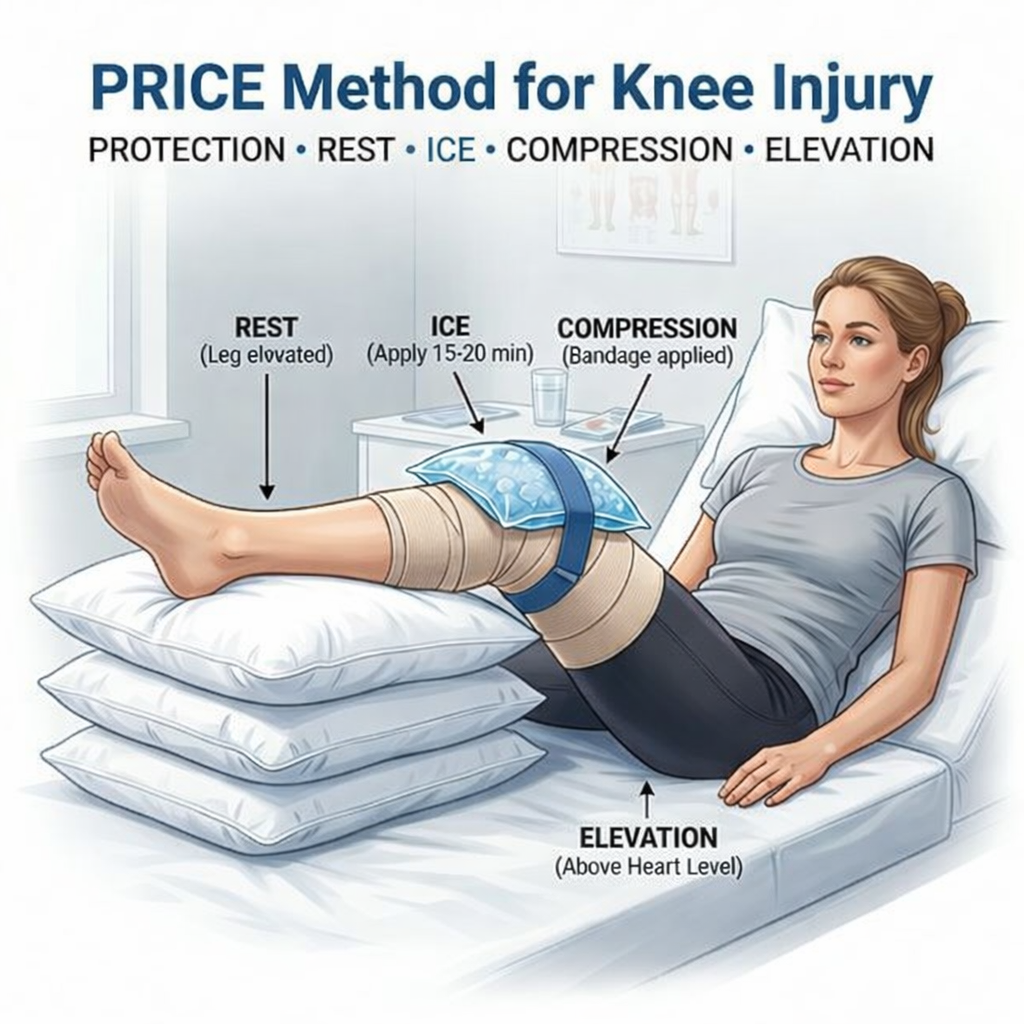
Getting proper medical help at the initial stage will avoid complications and accelerate recovery process. Physicians usually have an appropriate treatment protocol which often involves steps such as the PRICE principle:
P
Protection
Avoids additional strain on your knee
R
Rest
Fast Recovery
I
Ice Treatment
Decreases pain and swelling
C
Compression
Controls swelling
E
Elevation
Increases blood circulation
NON-SURGICAL CARE
How is Meniscus Injury Treated without Surgery?
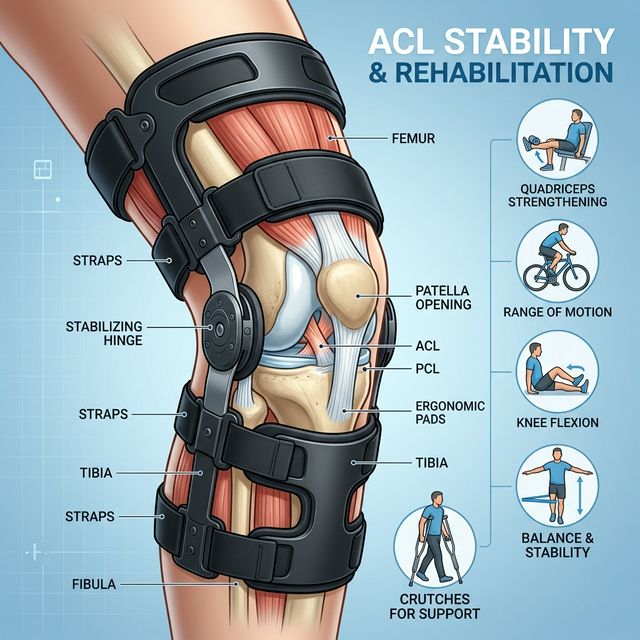
All meniscal tears do not require surgical intervention, particularly those which are less severe, or are detected early before their symptoms become worse. The injury heals by itself after following some basic treatment steps, such as proper rest, physical therapy sessions, wearing support braces, using pain relievers, and carefully monitoring recovery without going under the knife.
NON-SURGICAL CARE
How is Meniscus Injury Treated without Surgery?
All meniscal tears do not require surgical intervention, particularly those which are less severe, or are detected early before their symptoms become worse. The injury heals by itself after following some basic treatment steps, such as proper rest, physical therapy sessions, wearing support braces, using pain relievers, and carefully monitoring recovery without going under the knife.
These non-surgical techniques consist of:
- Physical therapies for strengthening surrounding muscles and increasing their flexibility as well as ensuring smooth knee joint movement.
- Rest and altering daily activities so that the damaged meniscus does not bear too much load and heals properly.
- Wearing protective knee braces or straps in order to ensure stability of the joint and avoid any excessive strain on it during activities.
- Anti-inflammatory drugs to alleviate pain and swelling of the affected joint.
RISKS OF NO TREATMENT
How Do I Know My Meniscus Tear Requires Surgery?
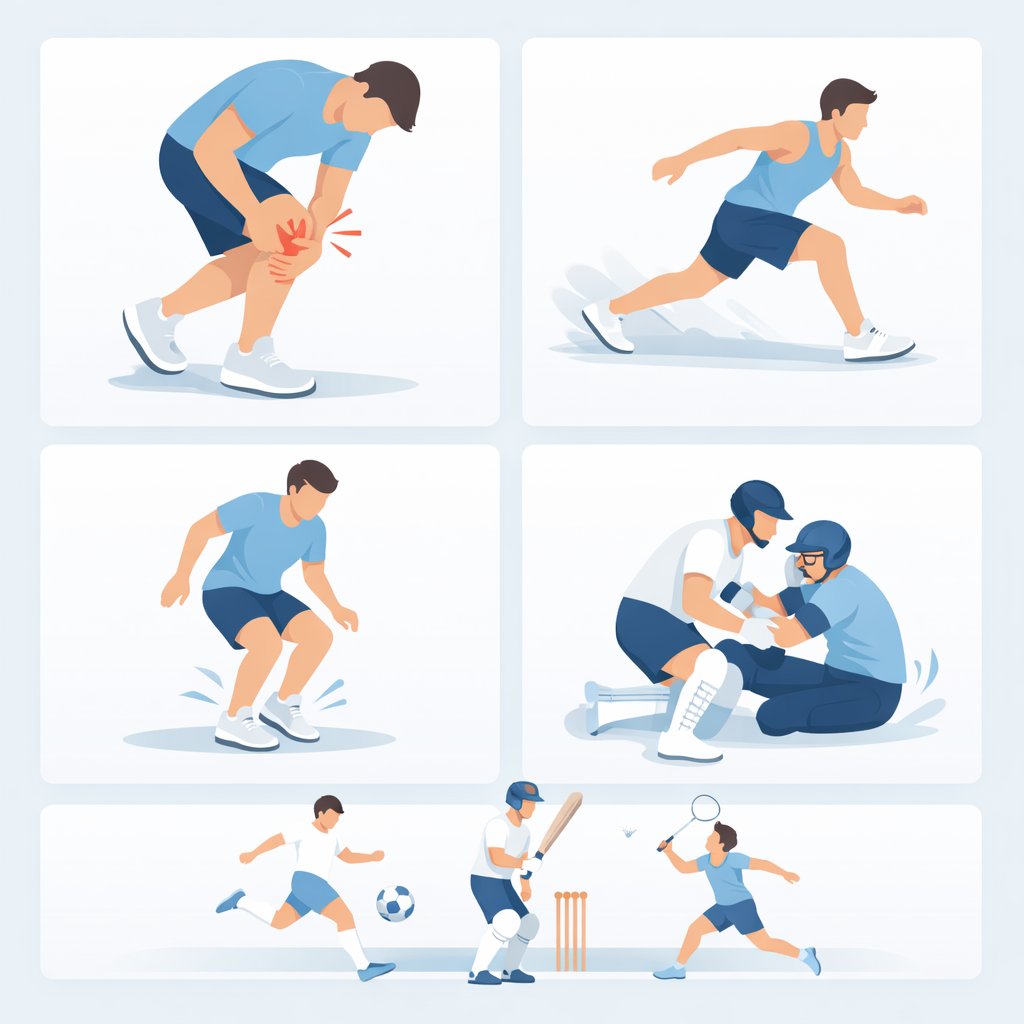
Neglecting the meniscus tear could exacerbate knee pain, stiffness, swelling, and difficulty in moving knees while performing basic tasks. In the event that the condition remains untreated for a longer period, there is a chance that the injury will gradually affect cartilage in the region and lead to knee instability. Early assessment will help determine whether surgery will become necessary.
RISKS OF NO TREATMENT
How Do I Know My Meniscus Tear Requires Surgery?
Neglecting the meniscus tear could exacerbate knee pain, stiffness, swelling, and difficulty in moving knees while performing basic tasks. In the event that the condition remains untreated for a longer period, there is a chance that the injury will gradually affect cartilage in the region and lead to knee instability. Early assessment will help determine whether surgery will become necessary.
Early diagnosis enables prevention of problems and ensures better healing and knee mobility in the future.
- Untreated injuries lead to increased knee instability
- Delays increase the likelihood of cartilage damage
- Pain prevents physical activities
- Some tears necessitate surgical procedures
SURGERY
What is Meniscus Treatment Surgery?
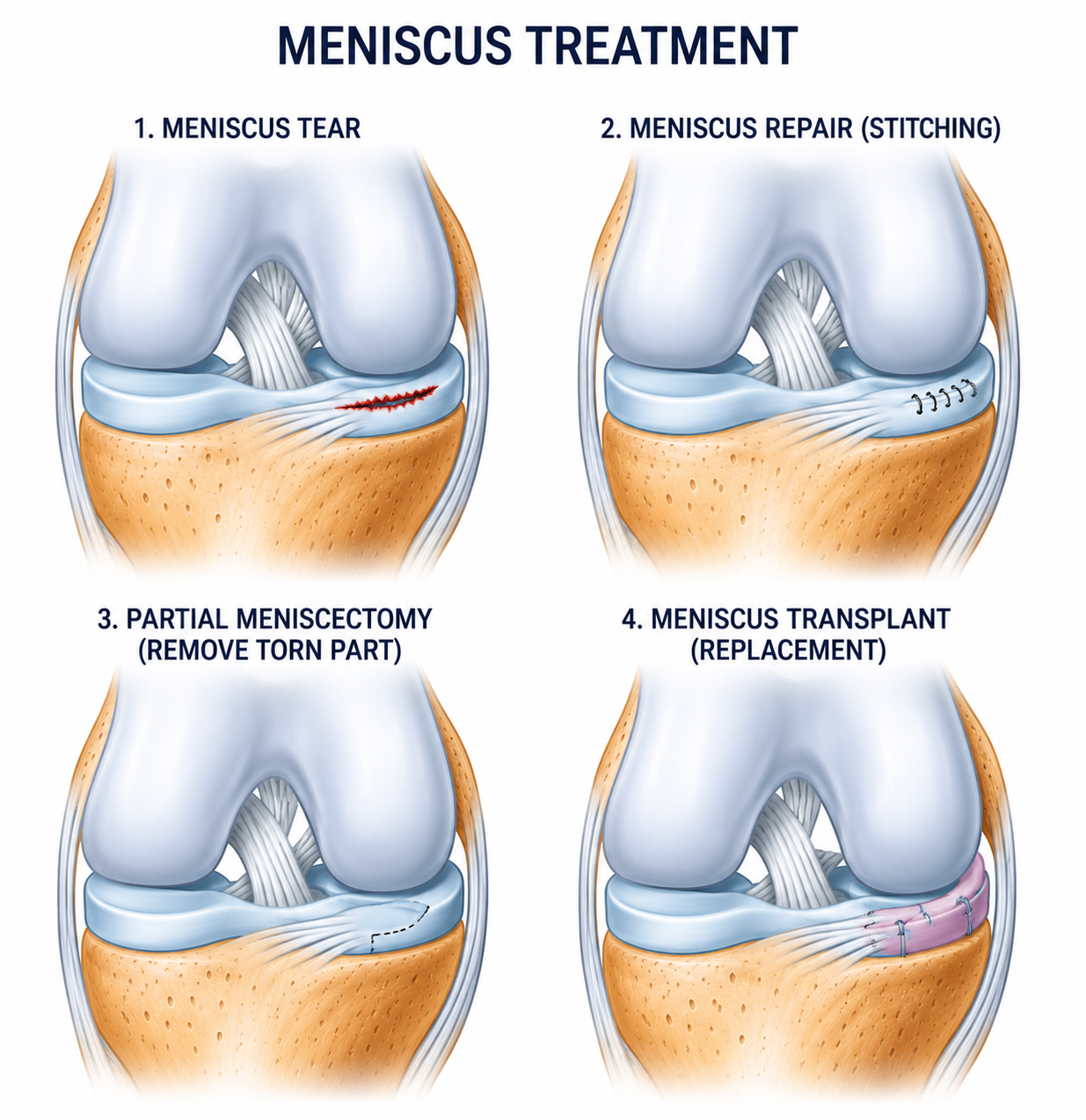
The treatment involves fixing or removing damaged cartilage tissues from the knee joint, which negatively affects mobility and stability. Surgery improves the quality of life by alleviating pain, improving flexibility, and restoring joint health after sustaining an injury. Meniscus treatment includes minimally invasive procedures to repair or remove injured cartilage without damaging other joint elements. When recovering from an injury and following medical rehabilitation, many people gradually start performing their regular duties and participating in sports activities due to decreased knee pain.
Methods and techniques of meniscus treatment include the following actions:
- Specialists assess patients’ knee joints and develop a treatment approach.
- Anesthesia is provided to prevent patients from feeling pain during surgery.
- Doctors perform small incisions to access torn cartilage tissues.
- Two types of surgeries include repairing and removing cartilage tissue.
- Arthroscopy allows doctors to observe all structures inside knee joints.
- Torn tissues can be repaired, shaved off, and removed completely.
- Specialists pay much attention to protecting knee joint structures.
- Postoperative treatment aims to restore movement, flexibility, and strength.
SURGERY
What is Meniscus Treatment Surgery?
The treatment involves fixing or removing damaged cartilage tissues from the knee joint, which negatively affects mobility and stability. Surgery improves the quality of life by alleviating pain, improving flexibility, and restoring joint health after sustaining an injury. Meniscus treatment includes minimally invasive procedures to repair or remove injured cartilage without damaging other joint elements. When recovering from an injury and following medical rehabilitation, many people gradually start performing their regular duties and participating in sports activities due to decreased knee pain.
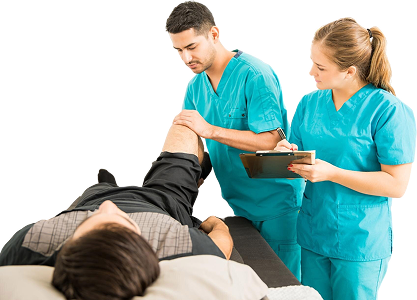
Methods and techniques of meniscus treatment include the following actions:
- Specialists assess patients’ knee joints and develop a treatment approach.
- Anesthesia is provided to prevent patients from feeling pain during surgery.
- Doctors perform small incisions to access torn cartilage tissues.
- Two types of surgeries include repairing and removing cartilage tissue.
- Arthroscopy allows doctors to observe all structures inside knee joints.
- Torn tissues can be repaired, shaved off, and removed completely.
- Specialists pay much attention to protecting knee joint structures.
- Postoperative treatment aims to restore movement, flexibility, and strength.
COMPLICATIONS
What are the Possible Complications of Meniscus Injury or Its Treatment?
Though knee surgeries and treatments are typically safe, there may arise various complications during recovery or rehabilitation. These problems can easily be dealt with through professional treatment and rehabilitation sessions. It will help patients identify any possible symptoms and enjoy successful recovery from the procedure or surgery undergone on their knees.
Joint Stiffness
Short-term joint stiffness can make bending of the knee difficult during recovery time.
Persistent Swelling
There are cases where the knee joint remains swollen with discomfort throughout the recovery process.
Recurring Knee Pain
Recurring pain may arise due to incomplete healing or excessive use of the joint after a procedure or surgery.
Minor Infection
An infection may develop in the area of surgery requiring immediate and correct medical attention.
Connect with our experts and get the right guidance for your condition.
RECOVERY
What is the Recovery Process after Meniscus Treatment?
RECOVERY
What is the Recovery Process after Meniscus Treatment?
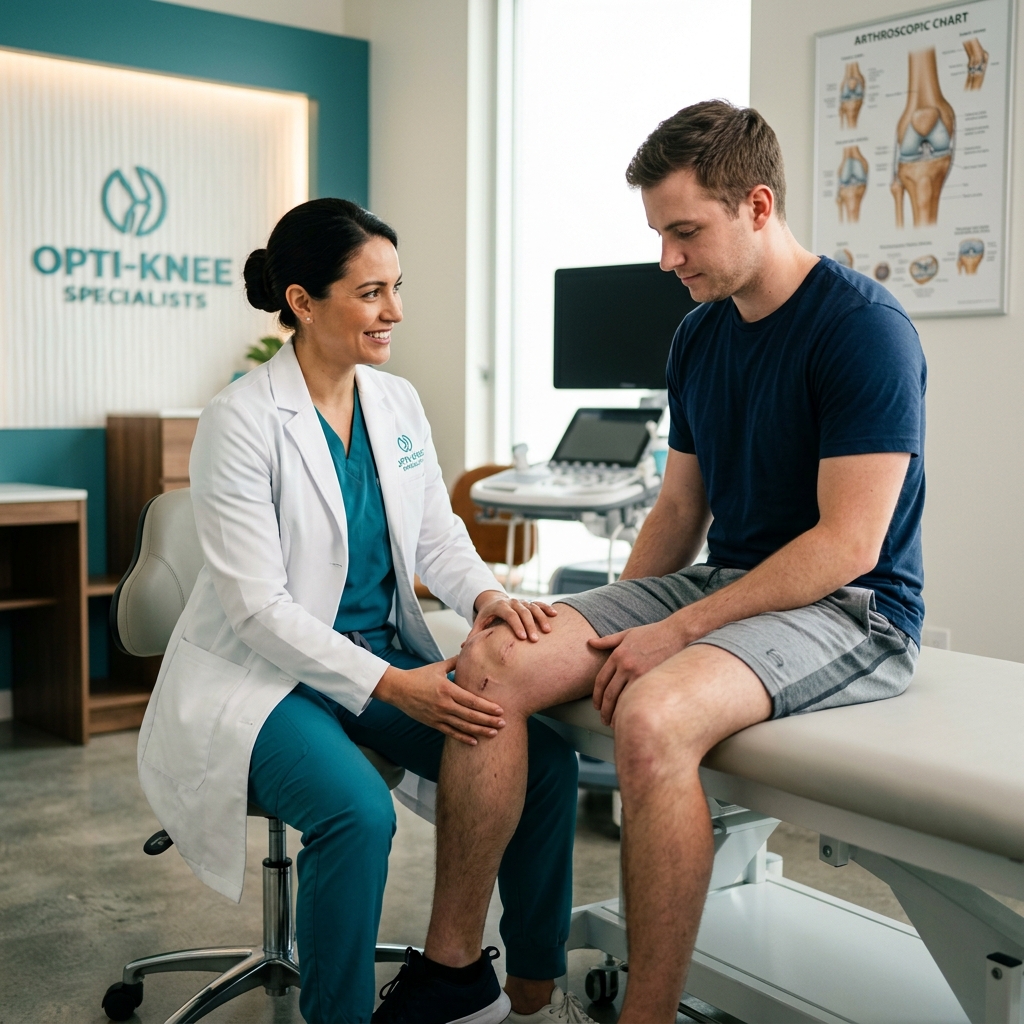
However, recovery following treatment for the meniscus is usually a slow process that requires correct management. Recovery from meniscus injury entails following specific rehabilitation measures in order to restore muscle tone and joint movement effectively. The time taken during recovery may vary depending on the extent of injury and the treatment measures adopted. Proper physical therapy helps enhance joint stability and movement after successful meniscus treatment or surgery.
Recovery after meniscus treatment involves several stages including:
- Initial resting and protection
- Restoration of mobility through exercise
- Physiotherapy for muscle toning
- Continued monitoring of the healing process
- Gradual return to normal activities
AFTERCARE
Recovery & Aftercare for Meniscus Treatment
AFTERCARE
Recovery & Aftercare for Meniscus Treatment
Post meniscus knee surgery, care of your knee joint is important for its health and proper healing as well as stability. It is vital to adhere to your recovery program to ensure that no complications arise during this process and you can regain strength and movement through gradual and effective recovery. Physical therapy and regular visits to the doctor ensure that you strengthen the muscles of the joint, as well as enhance its mobility.
Some crucial elements that help improve recovery after surgery include:
- Follow your doctor’s advice
- Wear knee braces
- Attend physical therapy regularly
- Move around gradually but safely
- Undergo consistent check-ups
FAQ'S
Do You Have Any Question Please?
The duration depends on the severity of the injury, the treatment method, your rehabilitation process, and your healing rate after the procedure.
Yes, this kind of treatment is usually quite safe if you undergo it with qualified medical assistance and professional rehabilitation.
It may be required if the injury is serious, causes discomfort, and if other methods fail to provide good results.
Many patients begin to do it step by step with assistance and physical therapy recommendations.
It improves knee mobility, builds muscles, prevents stiffness, and facilitates the overall recovery process.