
ARTHROSCOPY & SPORTS INJURY ASSOCIATES

OVERVIEW
What is LCL Reconstruction?
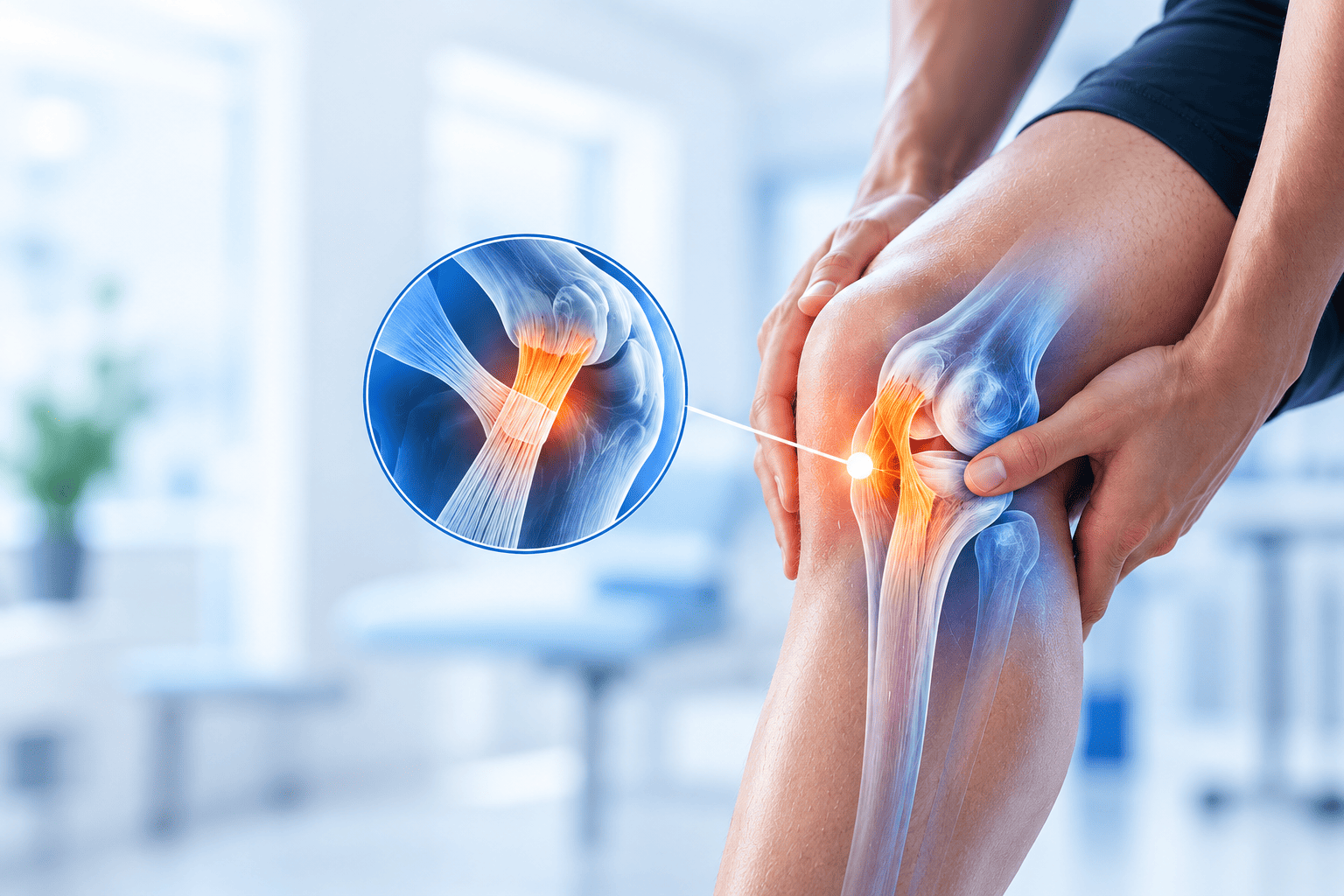
LCL reconstruction is a surgical procedure to restore stability to the lateral side of the knee when the lateral collateral ligament (LCL) is severely injured or unable to heal itself. The LCL stabilizes the knee joint by limiting excessive side-to-side movement and allowing you to walk, pivot and play sports.
The specialists at Align ASIA Sports Care will assess the severity of the ligament injury, knee stability and associated structures prior to recommending reconstruction. With advanced imaging and a personalized rehabilitation program we help facilitate proper healing and recovery.
Here are some key points to understand LCL Reconstruction better:
- Restores knee stabilityReconstruction is performed to reestablish stability on the outer side of the knee following major ligament injury.
- Management of severe LCL injuriesThe procedure can be an option in cases where the ligament is badly damaged or unable to fix itself properly.
- Helps to reduce knee instabilityRepairing the injured ligament may help to reduce episodes of the knee giving way during movement.
- Supports return to activityGood surgery and rehab slowly helps return strength, movement and function of the knee.
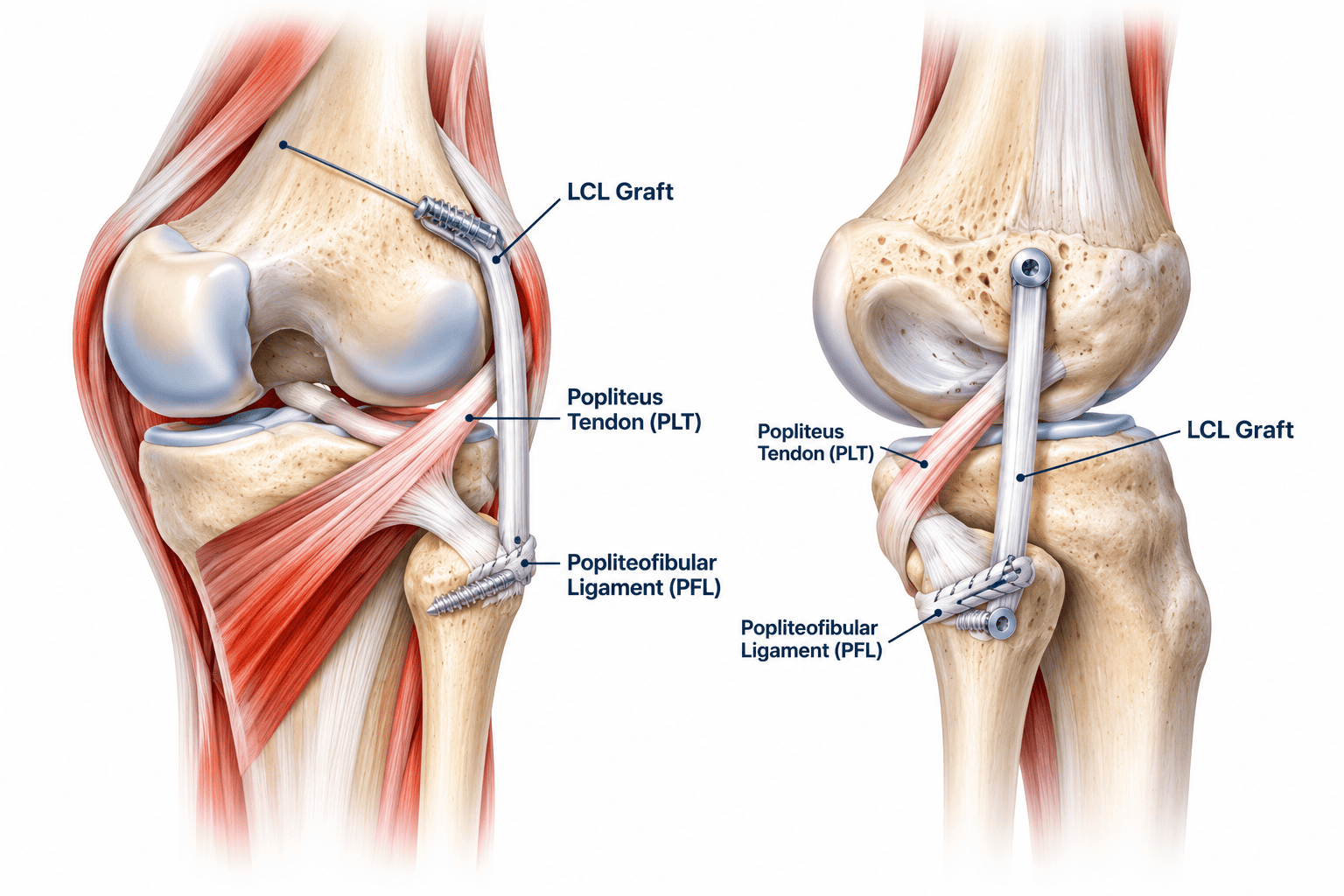
LCL reconstruction is a surgical procedure to restore stability to the lateral side of the knee when the lateral collateral ligament (LCL) is severely injured or unable to heal itself. The LCL stabilizes the knee joint by limiting excessive side-to-side movement and allowing you to walk, pivot and play sports.
The specialists at Align ASIA Sports Care will assess the severity of the ligament injury, knee stability and associated structures prior to recommending reconstruction. With advanced imaging and a personalized rehabilitation program we help facilitate proper healing and recovery.
Here are some key points to understand LCL Reconstruction better:
- Restores knee stabilityReconstruction is performed to reestablish stability on the outer side of the knee following major ligament injury.
- Management of severe LCL injuriesThe procedure can be an option in cases where the ligament is badly damaged or unable to fix itself properly.
- Helps to reduce knee instabilityRepairing the injured ligament may help to reduce episodes of the knee giving way during movement.
- Supports return to activityGood surgery and rehab slowly helps return strength, movement and function of the knee.
Surgeons Available for Consultations

Dr. Karnav Panchal
M.B.B.S, M.S. (Orthopedics),
FAOS (South Korea)
Consultant Arthroscopist & Sports Injury Specialist Consultant Joint Replacement Surgeon

Dr. Aniket Gupta
M.B.B.S, M.S. (Orthopedics),
MRCS (Edinburgh)
Training & Qualifications Fellowship in MRCS (UK) Arthroscopy & Arthroplasty (Milan, Italy)
Consultant Physiotherapist

Dr. Aarsh Bhatt
B.P.T,M.P.T (Cardio-Respiratory Disorders) MIAP , HCPC (UK) , DHA (UAE)
Consultant Physiotherapist

Dr. Hetvi Dimothe
BPT , M.P.T (Rehabilitation) MIAP, HCPC (UK) , DHA (UAE)
Consultant Physiotherapist
Causes
What Causes LCL Reconstruction?
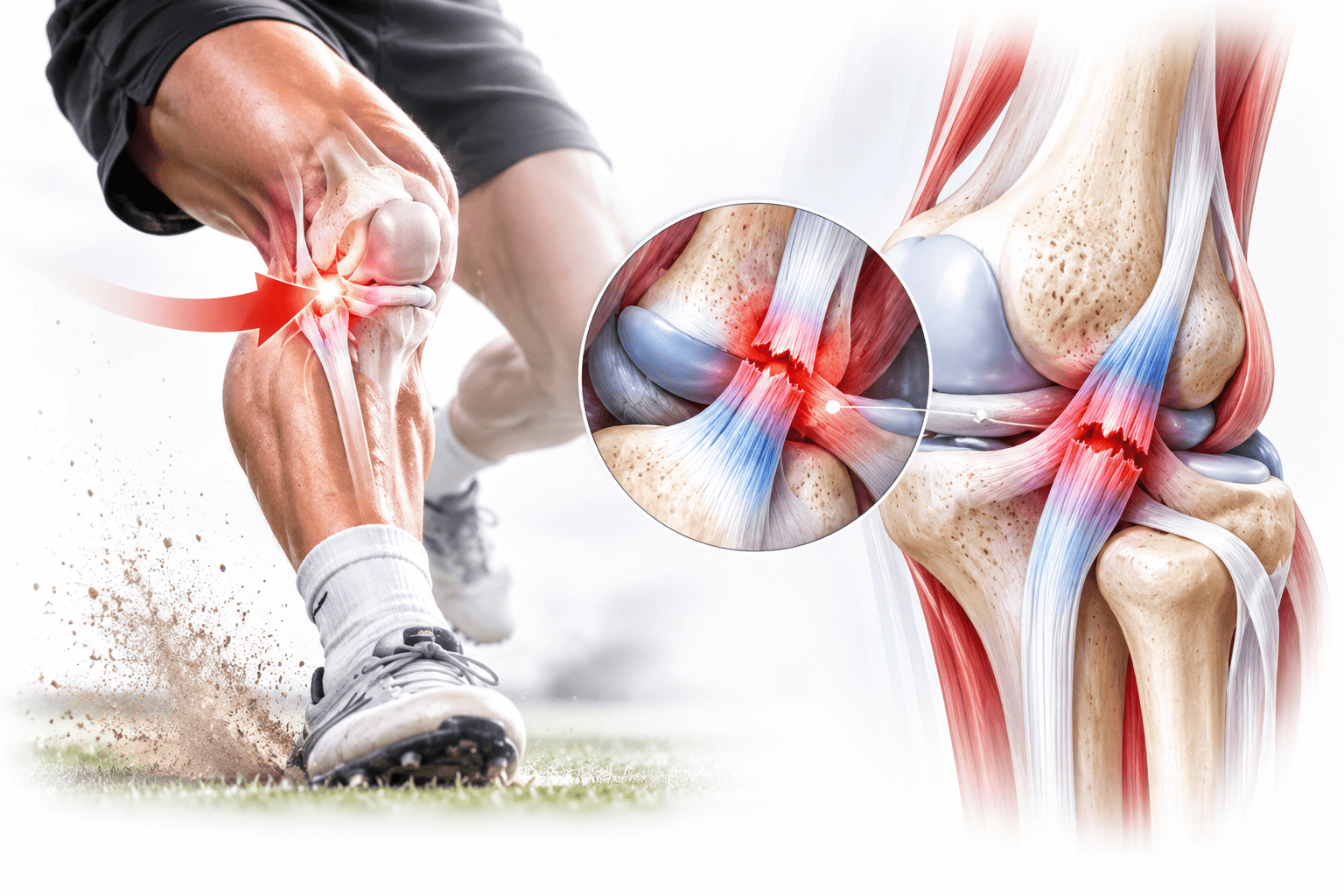
If the lateral collateral ligament (LCL) has been severely damaged by a sports injury, sudden trauma or force to the inside of the knee, it may require reconstruction. Badly injured ligaments can cause pain, swelling, instability and difficulty moving. Other knee ligaments may be involved and need detailed assessment.
LCL Reconstruction can occur due to the following activities:
- Sports injuries causing LCL damage
- Sudden twisting or impact to the knee
- Force applied to the inner side of the knee
- High-impact activities causing ligament injury
What Other Structures Can Be Affected Along with LCL Reconstruction?
Significant LCL injury may be associated with damage to other structures that contribute to knee stability. Trauma can affect the posterolateral corner, cruciate ligaments, meniscus, cartilage, and surrounding soft tissues and can lead to further instability and difficulty with physical activities.
- Posterolateral corner structures
- ACL or PCL injury
- Meniscus damage
- Cartilage injury
- Strain of the surrounding muscles
- Joint capsule injury
SYMPTOMS
What are the Symptoms of LCL Reconstruction?
Symptoms may vary depending on the degree of the ligament injury and whether other structures of the knee are also injured. Early assessment can help to determine the extent of injury and appropriate treatment.

Pain Beyond the Knee
You might experience pain on the outside of your knee, particularly when you walk or engage in physical activities.
Knee Instability
The knee may feel unstable or give way when you walk, turn, or change direction.
Connect with our experts and get the right guidance for your condition.
Swelling of Knees
Swelling around the knee after injury may be due to irritation and inflammation of tissue.
Limited knee flexion
Pain and swelling can make it hard to bend or straighten the knee all the way.
Sports Hardness
Instability can affect running, jumping, turning and other athletic movements.
Weakness In The Knee
Reduced muscle strength may affect balance, stability and confidence in physical activity.
Connect with our experts and get the right guidance for your condition.
BOOK CONSULTATIONDIAGNOSIS
How Does the Doctor Diagnose LCL Reconstruction?
Your specialist will examine your knee for ligament stability, range of motion, swelling and functional limitations. Imaging tests may be recommended to evaluate the LCL and to identify injuries to other ligaments, cartilage, meniscus or surrounding structures. A detailed assessment helps to determine the extent of the injury and whether reconstruction is appropriate.
DIAGNOSIS
How Does the Doctor Diagnose LCL Reconstruction?
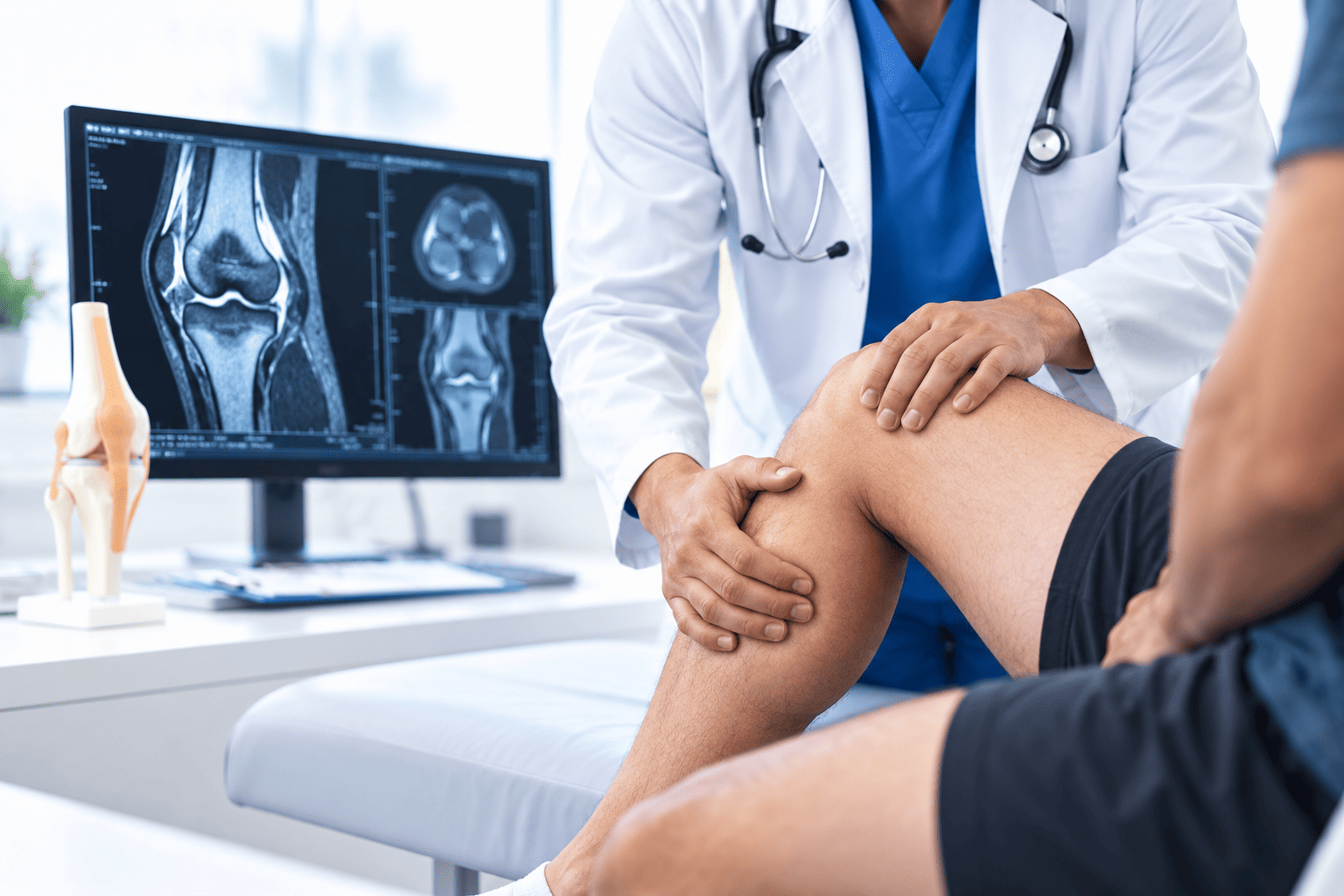
Your specialist will examine your knee for ligament stability, range of motion, swelling and functional limitations. Imaging tests may be recommended to evaluate the LCL and to identify injuries to other ligaments, cartilage, meniscus or surrounding structures. A detailed assessment helps to determine the extent of the injury and whether reconstruction is appropriate.
The following diagnostic procedures can be used to diagnose LCL Reconstruction:
- Detailed physical examination focuses on knee stability, movement, pain, swelling, and ligament function.
- Imaging tests help assess the LCL and identify associated injuries within the knee.
- MRI
- X-ray
- CT Scan
TREATMENT
What is the Treatment for LCL Reconstruction?
Treatment of an LCL injury depends on the extent of ligament damage, knee stability, associated injuries, and patient activity level. Mild injuries may get better with rest, bracing, physiotherapy and strengthening exercises. Severe ligament injuries that cause ongoing instability may need reconstruction. Your specialist will assess the condition of the knee before determining the appropriate treatment approach.
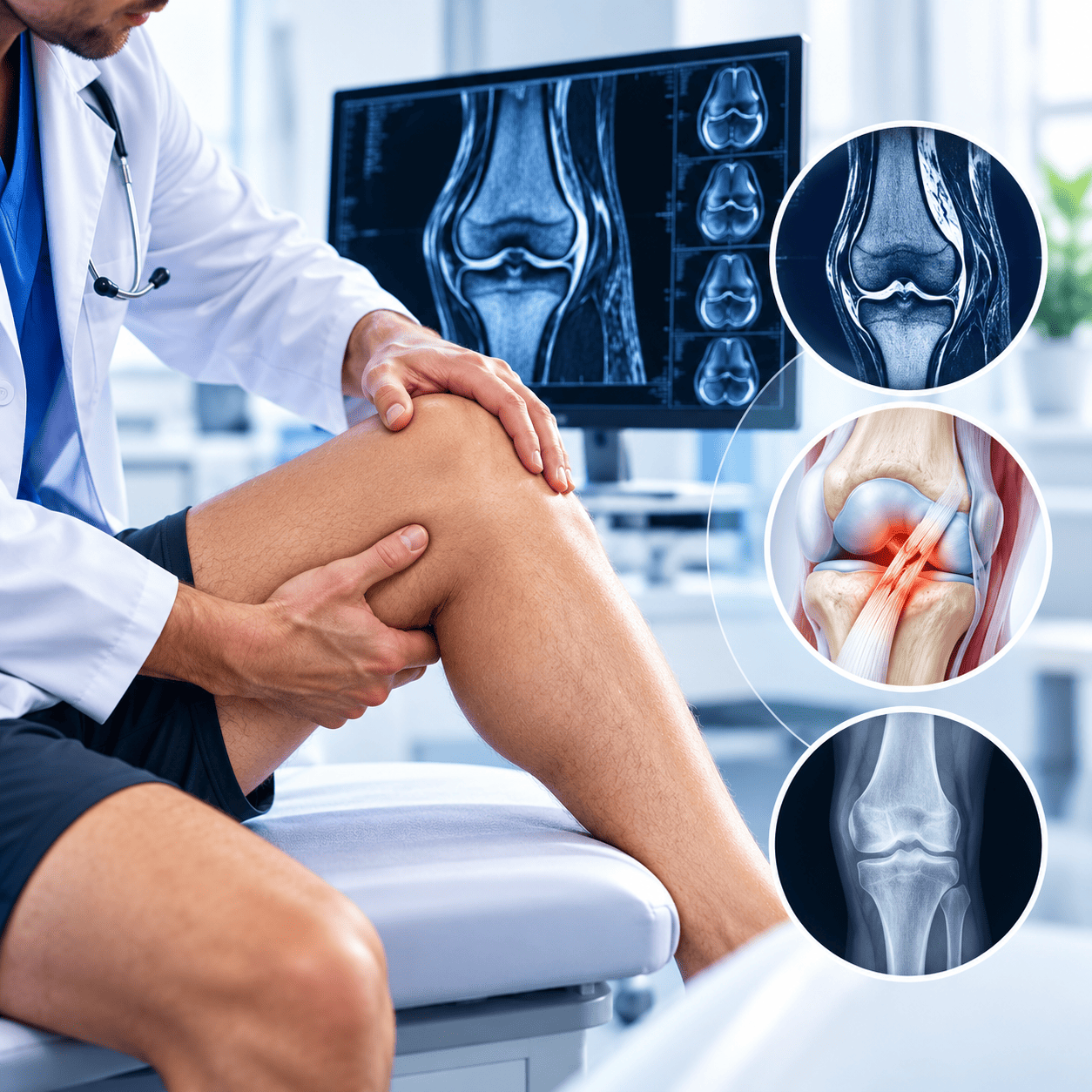
The goal of medical professionals is usually to minimize pain and swelling, restore stability to knee, improve movement and help safe return to physical activity.
Knee Protection
Helps to prevent stressing the injured ligament during the initial recovery period.
Helps to heal
This reduces activities that put too much stress on the knee and the tissues around it.
Swelling Reduction
Helps manage swelling, inflammation and pain following knee injury or surgery.
Manages Swelling
Provides support and can help to manage inflammation during recovery.
Helps Reduce Swelling.
To help with the swelling and to make you more comfortable during recovery, elevate the leg.
NON-SURGICAL CARE
How is LCL Injury Treated Without Surgery?
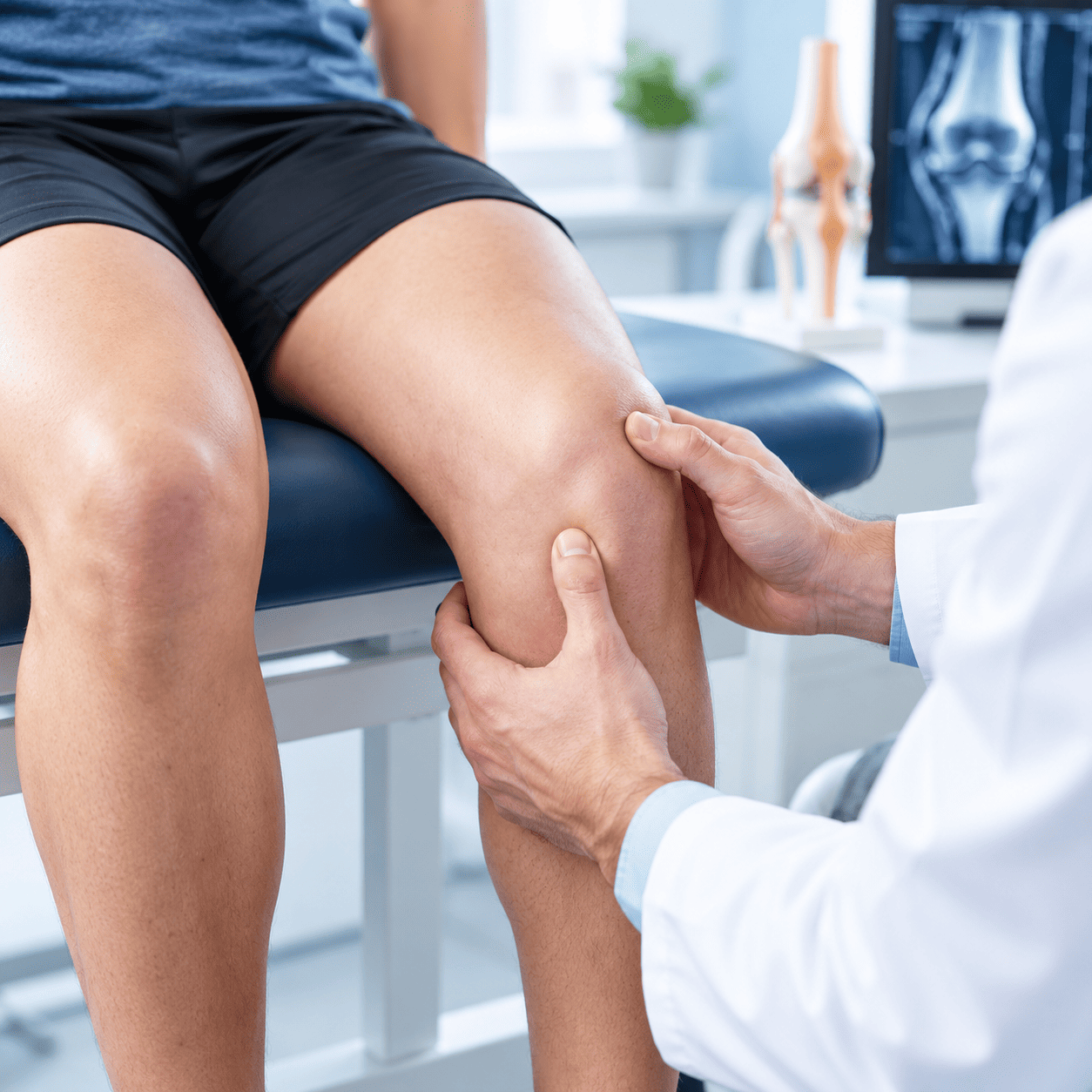
Reconstruction is not always required in LCL injuries, especially if the ligament injury is mild or the knee is stable. Rest, activity modification, knee bracing, physiotherapy, strengthening exercises and appropriate pain management may be helpful for the patient. Non-surgical treatment is aimed at reducing symptoms, protecting the ligament, improving knee movement and restoring strength in the supporting muscles.
NON-SURGICAL CARE
How is LCL Injury Treated Without Surgery?
Reconstruction is not always required in LCL injuries, especially if the ligament injury is mild or the knee is stable. Rest, activity modification, knee bracing, physiotherapy, strengthening exercises and appropriate pain management may be helpful for the patient. Non-surgical treatment is aimed at reducing symptoms, protecting the ligament, improving knee movement and restoring strength in the supporting muscles.
Non-surgical methods include:
- Physical Therapy ExercisesExercises strengthen the muscles around the knee, improve motion, and support joint stability.
- Activity Modification and RestAvoiding high-impact activities can help protect the injured ligament and allow it to heal.
- Braces for kneesA good brace can offer additional support and safeguard your knee as you move.
- Alleviation of painDepending on the specialist’s advice, appropriate medicines may help to manage pain and inflammation.
RISKS OF NO TREATMENT
When Does LCL Reconstruction Require Surgery?
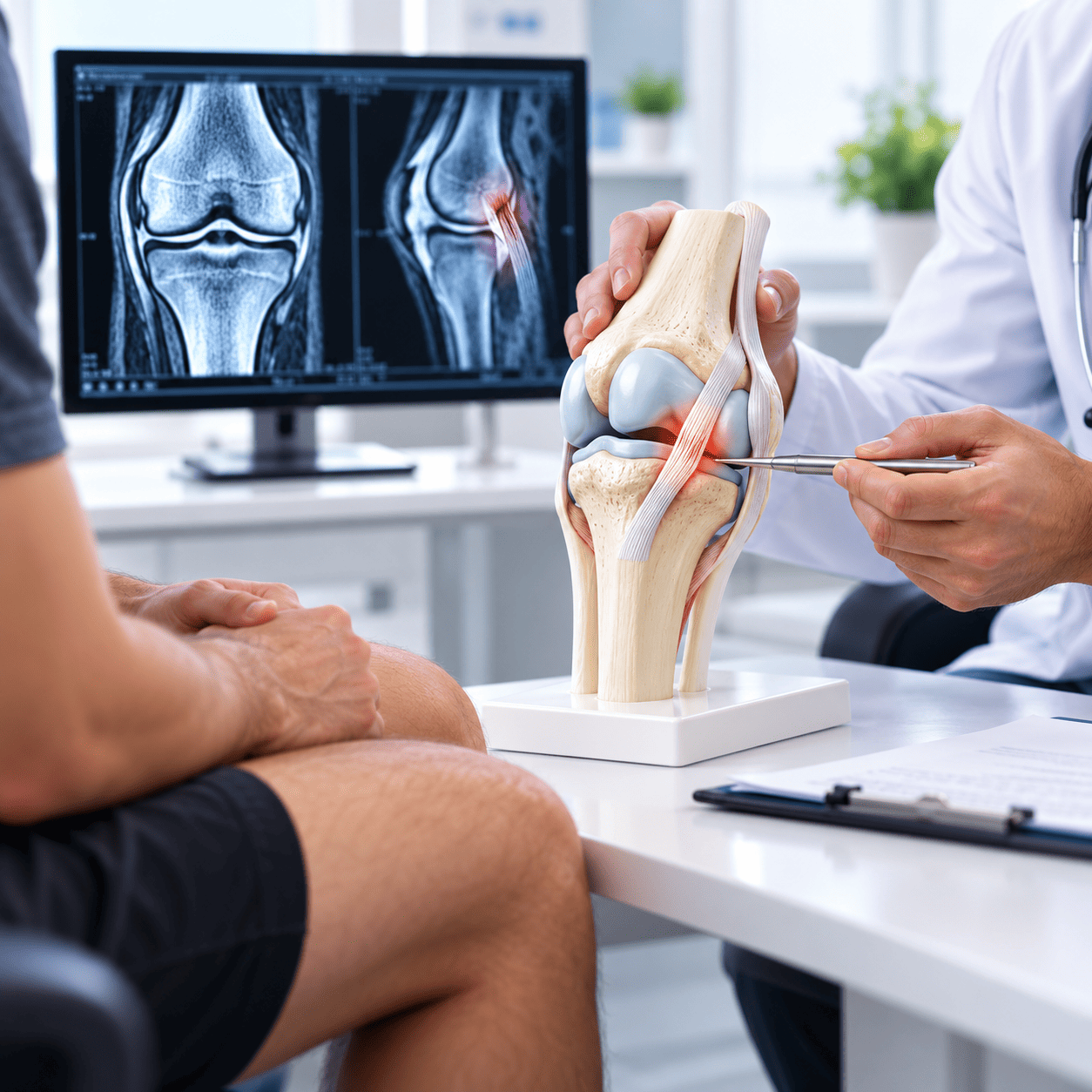
Surgery to repair the LCL is an option when the ligament is badly damaged and the knee is still unstable after proper non-surgical treatment. Surgical treatment may be required in the presence of complete ligament tears, persistent instability, concomitant posterolateral corner injuries or other injuries to the knee . Reconstruction will be recommended after your specialist has assessed the injury, the stability of your knee, imaging results and your activity requirements.
RISKS OF NO TREATMENT
When Does LCL Reconstruction Require Surgery?
Surgery to repair the LCL is an option when the ligament is badly damaged and the knee is still unstable after proper non-surgical treatment. Surgical treatment may be required in the presence of complete ligament tears, persistent instability, concomitant posterolateral corner injuries or other injuries to the knee . Reconstruction will be recommended after your specialist has assessed the injury, the stability of your knee, imaging results and your activity requirements.
Prompt treatment is crucial for preventing complications, faster rehabilitation, as well as knee stability preservation and movement ease.
- Untreated instability may affect normal knee function.
- It may increase the risk of further knee injuries.
- Pain and instability can limit mobility and sports activities.
- Major ligament damage may require reconstructive surgery.
SURGERY
What is LCL Reconstruction Surgery?
Lateral collateral ligament (LCL) reconstruction surgery is necessary in cases of severe injury to LCL so as to provide stability to the outside of the knee. During the operation, the torn ligament is reconstructed with a suitable graft to return the ligament to its function of stabilizing the joint. If necessary, the surgeon may also address any associated injuries to other knee ligaments or structures. Following surgery, a period of structured rehabilitation gradually restores movement, strength, balance and function of the knee.
The procedure for performing LCL Reconstruction Surgery involves the following:
- The surgeon first evaluates the LCL injury and plans the reconstruction depending on the degree of ligament damage.
- Prior to the start of the surgical procedure, a general or regional anesthesia may be administered.
- Arthroscopic and imaging findings in the assessment of LCL and related knee structures.
- Meticulous assessment and planning of the injured ligament and surrounding tissues for reconstruction.
- A graft that is suitable for the patient’s knee anatomy and reconstruction needs is selected.
- The graft is inserted and secured to restore stability to lateral aspect of the knee.
- As part of the recovery process after surgery, movement is controlled and a structured rehabilitation program is initiated.
SURGERY
What is LCL Reconstruction Surgery?
Lateral collateral ligament (LCL) reconstruction surgery is necessary in cases of severe injury to LCL so as to provide stability to the outside of the knee. During the operation, the torn ligament is reconstructed with a suitable graft to return the ligament to its function of stabilizing the joint. If necessary, the surgeon may also address any associated injuries to other knee ligaments or structures. Following surgery, a period of structured rehabilitation gradually restores movement, strength, balance and function of the knee.
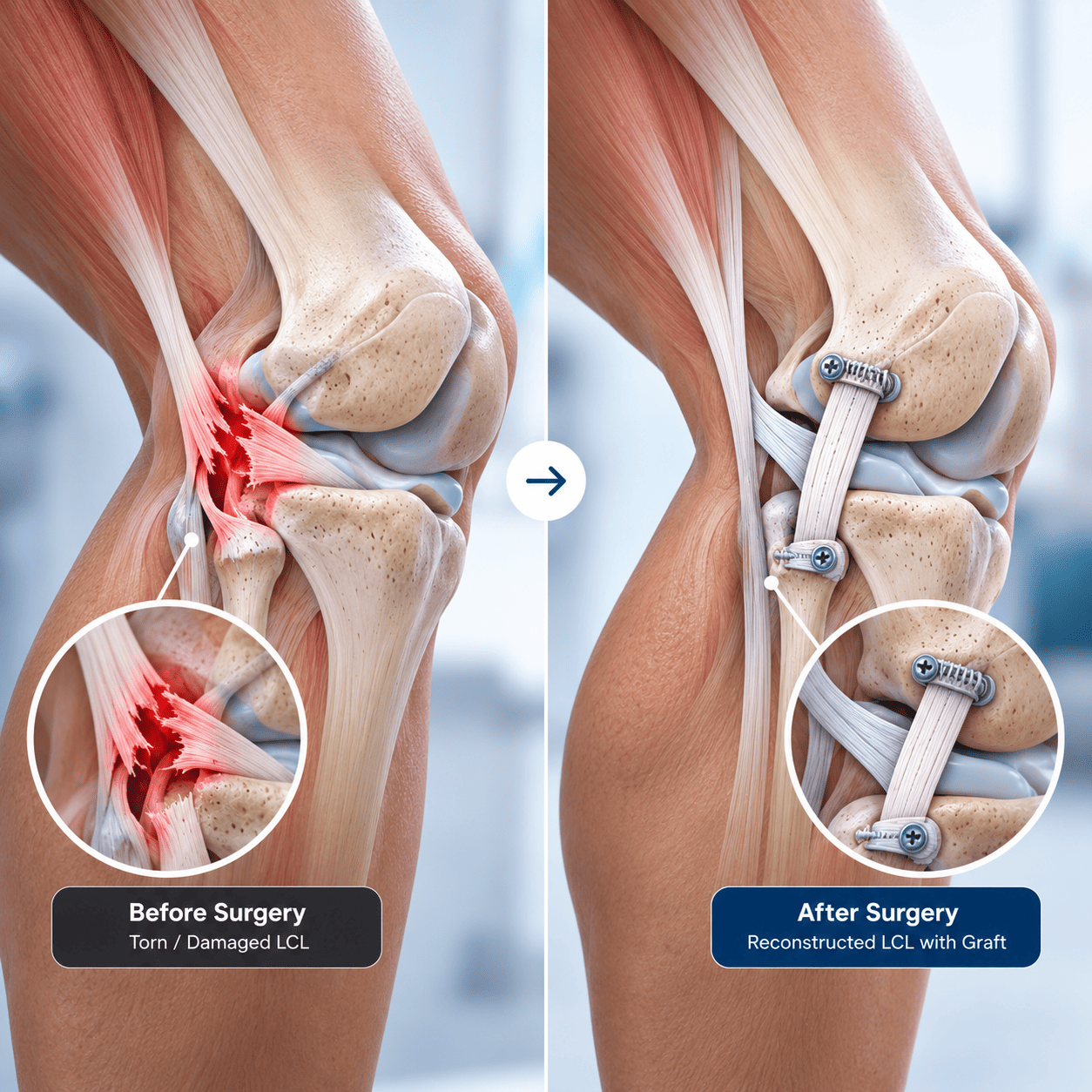
The procedure for performing LCL Reconstruction Surgery involves the following:
- The surgeon first evaluates the LCL injury and plans the reconstruction depending on the degree of ligament damage.
- Prior to the start of the surgical procedure, a general or regional anesthesia may be administered.
- Arthroscopic and imaging findings in the assessment of LCL and related knee structures.
- Meticulous assessment and planning of the injured ligament and surrounding tissues for reconstruction.
- A graft that is suitable for the patient’s knee anatomy and reconstruction needs is selected.
- The graft is inserted and secured to restore stability to lateral aspect of the knee.
- As part of the recovery process after surgery, movement is controlled and a structured rehabilitation program is initiated.
COMPLICATIONS
What are the Possible Complications of LCL Reconstruction or its Treatment?
Although reconstruction of the LCL is safe and effective, patients may experience some complications during the recovery and rehabilitation process. The risk may depend on the size of the original injury, the associated damage to the knee, the difficulty of the surgery and individual healing. Regular medical follow-ups and appropriate rehabilitation help to identify potential problems and support recovery, knee mobility and stability.
Knee Instability (Chronic)
The knee may still feel unstable if the reconstructed ligament does not heal or function properly.
Stiffness of the knee
During the recovery period, movement may be restricted due to swelling, scar tissue or reduced mobility.
Swelling and Inflammation
After surgery the knee can be uncomfortable and swollen, particularly in the early stages of recovery.
Transplant Failure
The reconstructed ligament may be damaged or may not heal properly, and may require further treatment.
Connect with our experts and get the right guidance for your condition.
RECOVERY & OUTCOMES
What is the Recovery Process after LCL Reconstruction Surgery?
RECOVERY & OUTCOMES
What is the Recovery Process after LCL Reconstruction Surgery?
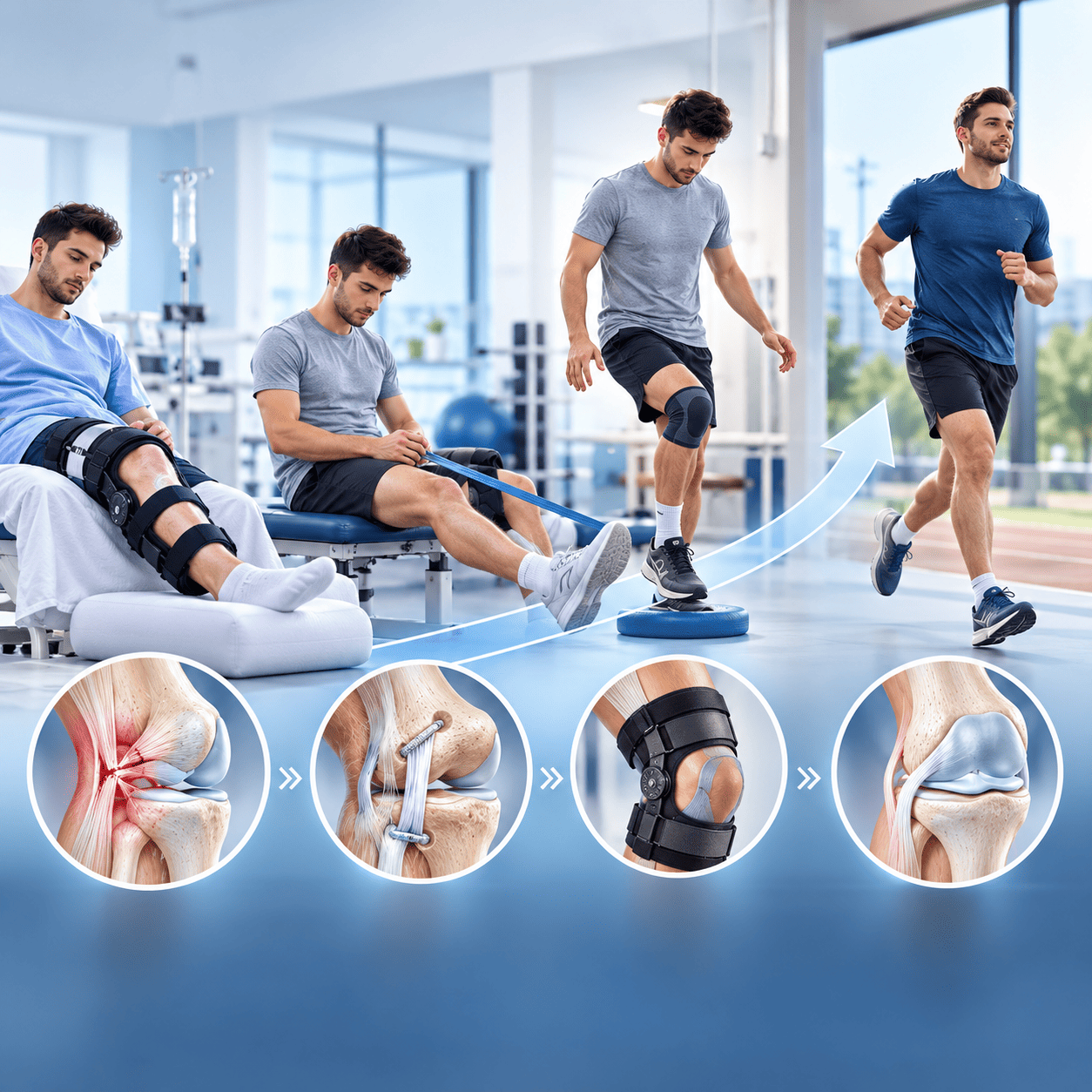
The patient must adhere to recommendations that permit the reconstructed ligament and surrounding tissues to heal, while progressively improving knee movement, strength, balance and stability. Recovery depends on the severity of the original injury, the surgical procedure, associated injuries and individual healing progress. Rehabilitation is meant for a gradual return to daily life and sport.
The recovery procedure following LCL Reconstruction Surgery involves the following stages:
- Initial resting and protection of the reconstructed knee
- Gradual restoration of knee movement and flexibility
- Progressive strengthening of muscles around the knee
- Regular follow-up consultations to monitor ligament healing
- Gradual return to daily activities and sports after adequate rehabilitation
AFTERCARE
Recovery & Aftercare for LCL Reconstruction Treatment
AFTERCARE
Recovery & Aftercare for LCL Reconstruction Treatment
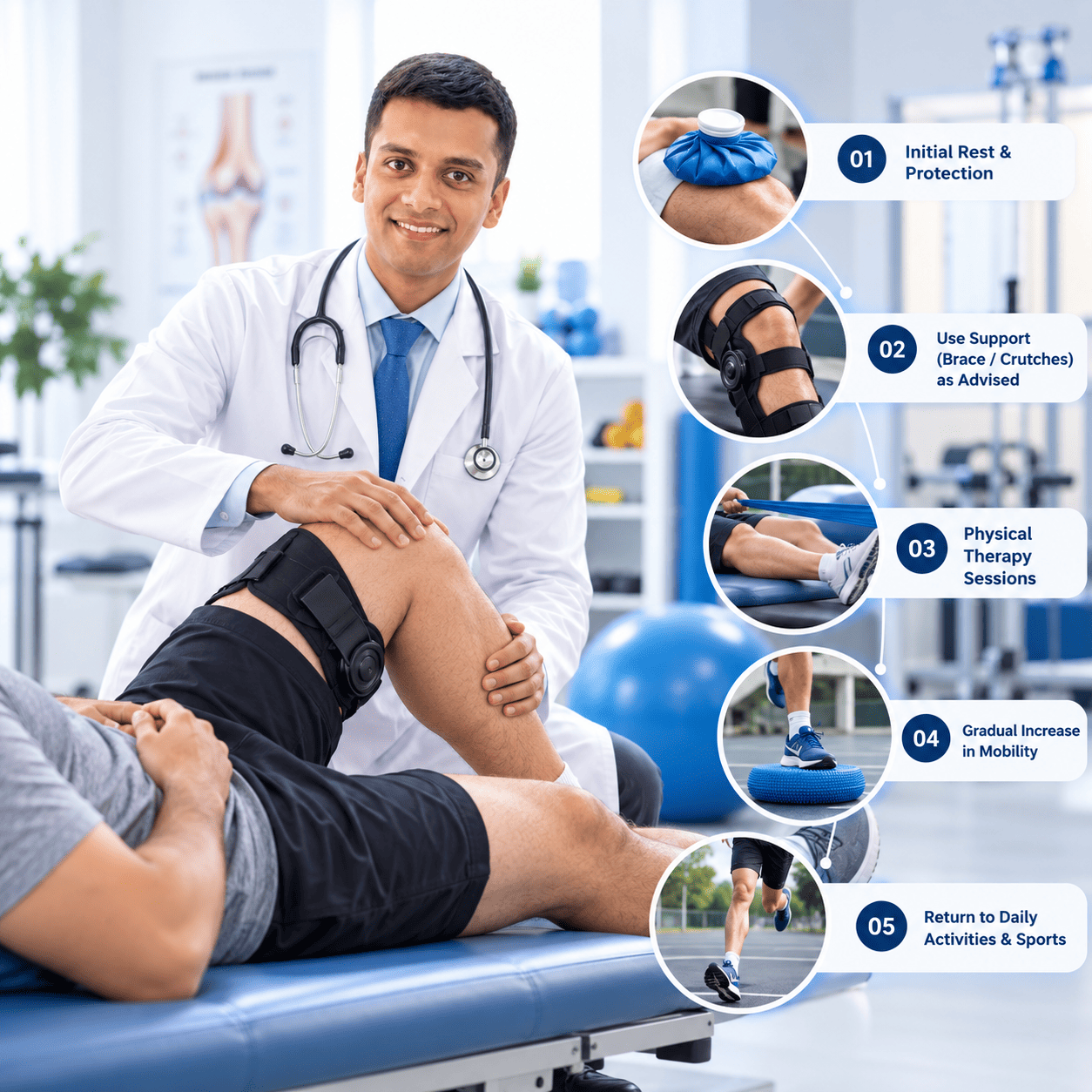
Aftercare after LCL reconstruction promotes the proper healing of the ligament, stability of the knee, and recovery of motion. After surgery, patients should follow the recommendations to reduce complications and not put excessive strain on the restored ligament. Regular physical therapy, medical checkups, and controlled exercise can help your knee slowly regain strength, stability, range of motion and function. Following a structured recovery plan also reduces the risk of reinjury when you return to exercise and sports.
Recommendations for recovery success:
- Follow doctor-recommended recovery advice
- Use knee support or crutches as advised
- Attend physical therapy sessions
- Increase knee mobility without overexertion
- Continue regular medical check-ups
FAQ'S
Do You Have Any Question About LCL Reconstruction?
LCL reconstruction is a type of surgery that can help restore stability to the outside of the knee when the lateral collateral ligament is badly damaged or can’t heal on its own.
After careful evaluation, patients with severe LCL injuries, persistent knee instability, or associated ligament damage may be considered for reconstruction.
Pain and swelling is expected after surgery. Good pain management and formal physiotherapy will make the recovery process a lot easier.
Your recovery will depend on the extent of your injury, the type of surgery, if you have other injuries, how well you heal and your rehabilitation. Your specialist will walk you through each step.
Return to sports depends on ligament healing, knee motion, strength, stability and rehabilitation progress. Your surgeon and physiotherapist will tell you when it is safe for you to return.