
ARTHROSCOPY & SPORTS INJURY ASSOCIATES

OVERVIEW
What is Knee Microfracture Surgery?
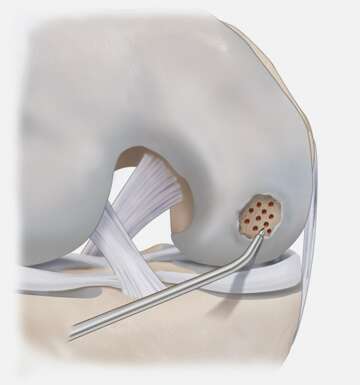
Microfracture surgery of the knee is a minimally invasive procedure to treat the damaged parts of cartilage in the knee joint. The method makes tiny openings in the bone underneath, providing bone marrow cells an opportunity to get into the injured spot and build new repair tissue.
Prior to recommending microfracture surgery at Align ASIA Sports Care, our specialists will carefully assess the location, size and severity of your cartilage defect. Advanced imaging and a tailored rehabilitation program help to support proper healing and restoration of motion of the knee.
Here are some key points to understand Knee Microfracture Surgery better:
- Helps rebuild cartilageThe procedure creates tiny holes in the bone to promote the growth of new tissue to repair the bone.
- Discreet processSmall surgical holes are made to treat the damaged cartilage with minimal tissue disruption.
- Helps relieve knee painRepairing the injured zone could help lessen pain and make moving and being active feel easier.
- Helps with better knee functionThe procedure can help to restore movement, strength and everyday function of the knee with proper rehabilitation.
Microfracture surgery of the knee is a minimally invasive procedure to treat the damaged parts of cartilage in the knee joint. The method makes tiny openings in the bone underneath, providing bone marrow cells an opportunity to get into the injured spot and build new repair tissue.
Prior to recommending microfracture surgery at Align ASIA Sports Care, our specialists will carefully assess the location, size and severity of your cartilage defect. Advanced imaging and a tailored rehabilitation program help to support proper healing and restoration of motion of the knee.
Here are some key points to understand Knee Microfracture Surgery better:
- Helps rebuild cartilageThe procedure creates tiny holes in the bone to promote the growth of new tissue to repair the bone.
- Discreet processSmall surgical holes are made to treat the damaged cartilage with minimal tissue disruption.
- Helps relieve knee painRepairing the injured zone could help lessen pain and make moving and being active feel easier.
- Helps with better knee functionThe procedure can help to restore movement, strength and everyday function of the knee with proper rehabilitation.
Surgeons Available for Consultations

Dr. Karnav Panchal
M.B.B.S, M.S. (Orthopedics),
FAOS (South Korea)
Consultant Arthroscopist & Sports Injury Specialist Consultant Joint Replacement Surgeon

Dr. Aniket Gupta
M.B.B.S, M.S. (Orthopedics),
MRCS (Edinburgh)
Training & Qualifications Fellowship in MRCS (UK) Arthroscopy & Arthroplasty (Milan, Italy)
Consultant Physiotherapist

Dr. Aarsh Bhatt
B.P.T,M.P.T (Cardio-Respiratory Disorders) MIAP , HCPC (UK) , DHA (UAE)
Consultant Physiotherapist

Dr. Hetvi Dimothe
BPT , M.P.T (Rehabilitation) MIAP, HCPC (UK) , DHA (UAE)
Consultant Physiotherapist
Causes
What Causes Knee Microfracture Surgery?
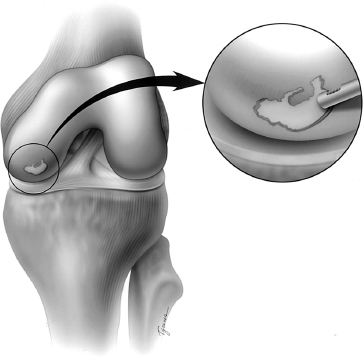
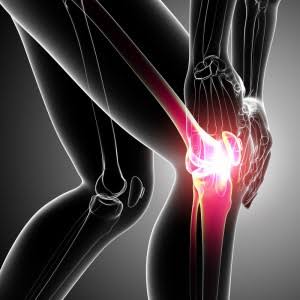
Knee microfracture surgery may be considered when there is damage to the cartilage covering the knee joint. Cartilage defects can develop because of sports injuries, sudden trauma, repetitive stress, joint instability, or gradual wear and tear. These problems can cause knee pain, swelling, stiffness and problems with normal movement.
Knee Microfracture Surgery can occur due to the following activities:
- Sports injuries that damage cartilage
- Repetitive stress from sports or physical activity
- Sudden trauma or twisting of the knee
- Over-straining the knee in sports
What Other Structures Can Be Affected Along with Knee Microfracture Surgery?
Damage to the cartilage can also affect the surrounding structures of the knee, as increased pressure and altered joint movement may occur. Chronic stress can lead to inflammation or weakness of ligaments, tendons, muscles and other soft tissues surrounding the affected joint, which can cause pain with activity.
- Stress of neighboring ligaments
- Cartilage irritation of the surface
- Tendinitis of tendon tissue
- Nearby weak muscles
- Synovial membrane inflammation
- Pressure on the underlying bone
SYMPTOMS
What are the Symptoms of Knee Microfracture Surgery?
Movement, stability, and physical performance may be impacted by signs of knee cartilage degradation. The location and severity of the cartilage defect may affect the symptoms. Early assessment can assist in identifying the issue and establishing whether microfracture treatment is suitable.

Chronic Knee Pain
Walking, climbing stairs, running, working out, and playing sports can all cause pain.
Stiffness in the knees
It could be challenging to fully bend or straighten the knee due to cartilage injury.
Connect with our experts and get the right guidance for your condition.
Swelling of the joints
After physical exertion, joint irritation and inflammation may produce swelling.
Diminished Mobility of the Knee
Normal knee movement might be limited by pain and stiffness, which can interfere with daily tasks.
Clicking or Catching
When moving, a damaged cartilage surface may produce clicking, catching, or unpleasant sensations.
Challenges in Sports
Running, jumping, squatting, and other sports activities may be impacted by pain and decreased knee function.
Connect with our experts and get the right guidance for your condition.
BOOK CONSULTATIONDIAGNOSIS
How Does the Doctor Diagnose Knee Microfracture Surgery?
Talking about symptoms, past injuries, medical history, and physical activity is usually the first step in diagnosing a knee cartilage disease. In order to understand pain, swelling, movement, stability, and functional limits, your specialist will evaluate your knee. To assess whether microfracture surgery is appropriate and to pinpoint the site and extent of cartilage injury, diagnostic imaging may be advised. Appropriate treatment and rehabilitation are guided by early diagnosis.
DIAGNOSIS
How Does the Doctor Diagnose Knee Microfracture Surgery?
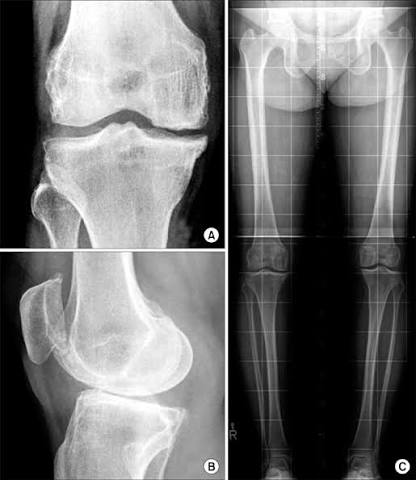
Talking about symptoms, past injuries, medical history, and physical activity is usually the first step in diagnosing a knee cartilage disease. In order to understand pain, swelling, movement, stability, and functional limits, your specialist will evaluate your knee. To assess whether microfracture surgery is appropriate and to pinpoint the site and extent of cartilage injury, diagnostic imaging may be advised. Appropriate treatment and rehabilitation are guided by early diagnosis.
Knee microfracture surgery can be diagnosed using the following diagnostic techniques:
- A thorough physical examination focuses on joint stability, discomfort, edema, flexibility, and knee mobility.
- Imaging studies are used to evaluate the state of the surrounding knee structures and detect cartilage degradation.
-
- MRI
- X-ray
TREATMENT
What is the Treatment for Knee Microfracture Surgery?
The size, depth, location, and severity of the knee cartilage injury all affect the course of treatment. Before choosing a suitable course of treatment, the patient's age, activity level, symptoms, and general knee condition are also taken into account. While appropriate localized cartilage abnormalities may necessitate microfracture surgery followed by systematic therapy, smaller or less severe issues may respond to non-surgical treatment.
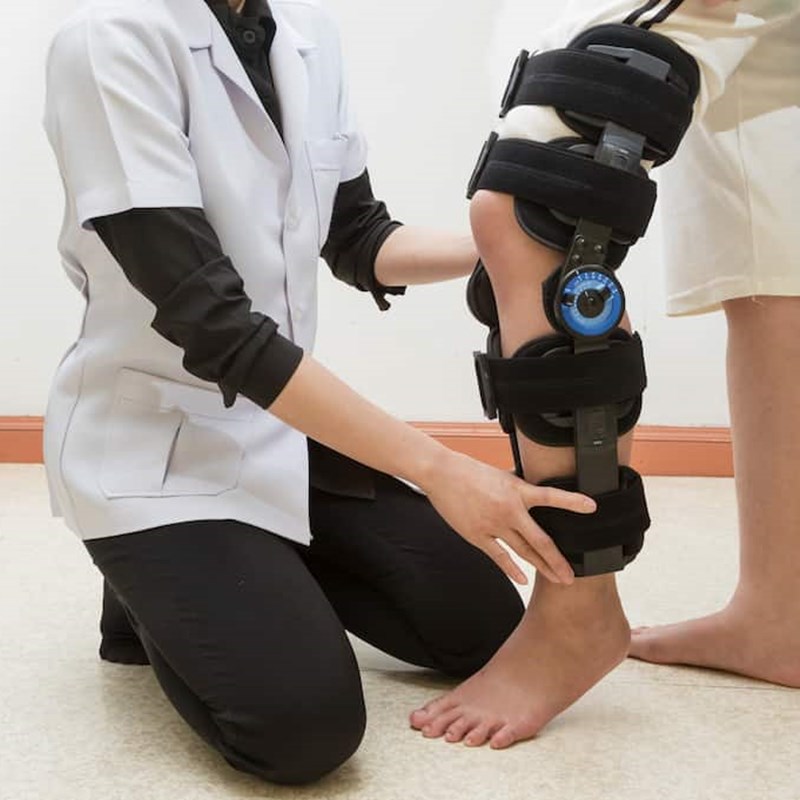
In order to minimize pain, safeguard the knee, restore mobility, and aid in recovery after treatment, medical practitioners frequently employ a methodical approach.
Protects the Knee
Helps minimize additional stress on the treated knee during the early recovery period.
Supports Healing
Allows the treated area to recover by limiting activities that place excessive stress on the knee.
Reduces Swelling
Helps manage swelling, inflammation, and discomfort around the knee after treatment.
Controls Inflammation
Provides support and helps manage swelling during the recovery process.
Helps Reduce Swelling
Keeping the leg elevated can help reduce swelling and support comfortable recovery.
NON-SURGICAL CARE
Non-Surgical Treatment for Knee Cartilage Damage
Microfracture surgery is not necessary for every patient with knee cartilage degradation, especially if the condition can be treated conservatively or if symptoms are not severe. Adequate rest, activity moderation, physiotherapy exercises, pain medication, and rehabilitation may be beneficial for many people. The goals of non-surgical treatment are to help patients resume their regular activities, strengthen supporting muscles, improve mobility, and lessen knee pain.
NON-SURGICAL CARE
Non-Surgical Treatment for Knee Cartilage Damage
Microfracture surgery is not necessary for every patient with knee cartilage degradation, especially if the condition can be treated conservatively or if symptoms are not severe. Adequate rest, activity moderation, physiotherapy exercises, pain medication, and rehabilitation may be beneficial for many people. The goals of non-surgical treatment are to help patients resume their regular activities, strengthen supporting muscles, improve mobility, and lessen knee pain.
Non-surgical techniques consist of:
Exercises for Physiotherapy
These exercises promote better joint function, increase mobility, and strengthen the muscles surrounding the knee.
Modification of Rest and Activity
Cutting back on high-impact activities can help the injured cartilage heal.
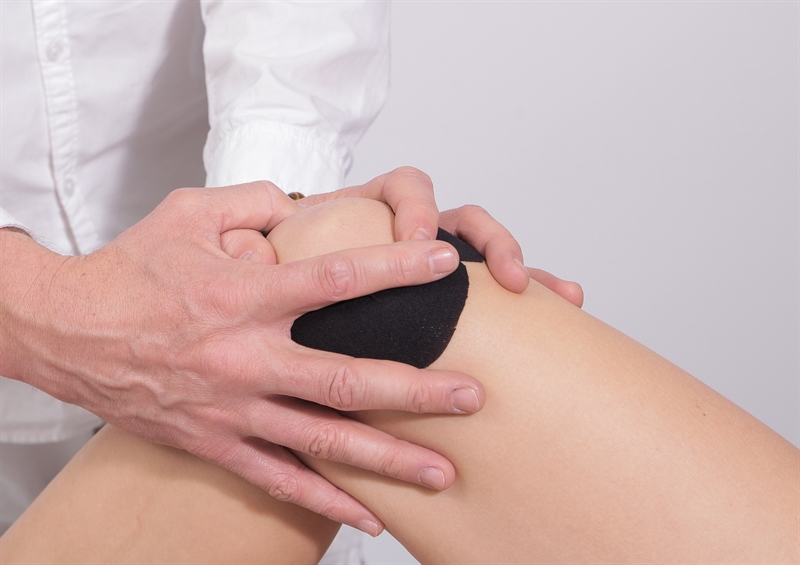
Bracing the knee
When moving and engaging in physical activities, an appropriate knee brace may offer extra stability and support.
Drugs for Inflammation and Pain
As recommended by the treating professional, appropriate drugs may help control pain and inflammation.
RISKS OF NO TREATMENT
When Does Knee Microfracture Surgery Require Surgery?
When a suitably isolated cartilage defect results in persistent pain, edema, stiffness, or limits in movement, knee microfracture surgery may be explored. After assessing the cartilage defect and overall knee condition, a doctor may suggest surgery if symptoms persist despite suitable non-surgical treatment.
RISKS OF NO TREATMENT
When Does Knee Microfracture Surgery Require Surgery?
When a suitably isolated cartilage defect results in persistent pain, edema, stiffness, or limits in movement, knee microfracture surgery may be explored. After assessing the cartilage defect and overall knee condition, a doctor may suggest surgery if symptoms persist despite suitable non-surgical treatment.
Prompt treatment is crucial for preventing complications, faster rehabilitation, as well as joint stability preservation and movement ease.
- Knee function may be impacted by untreated cartilage injury.
- It may cause chronic pain and edema.
- Your mobility may be limited by pain and stiffness. Surgery may be necessary for significant localized cartilage problems.
SURGERY
What is Knee Microfracture Surgery?
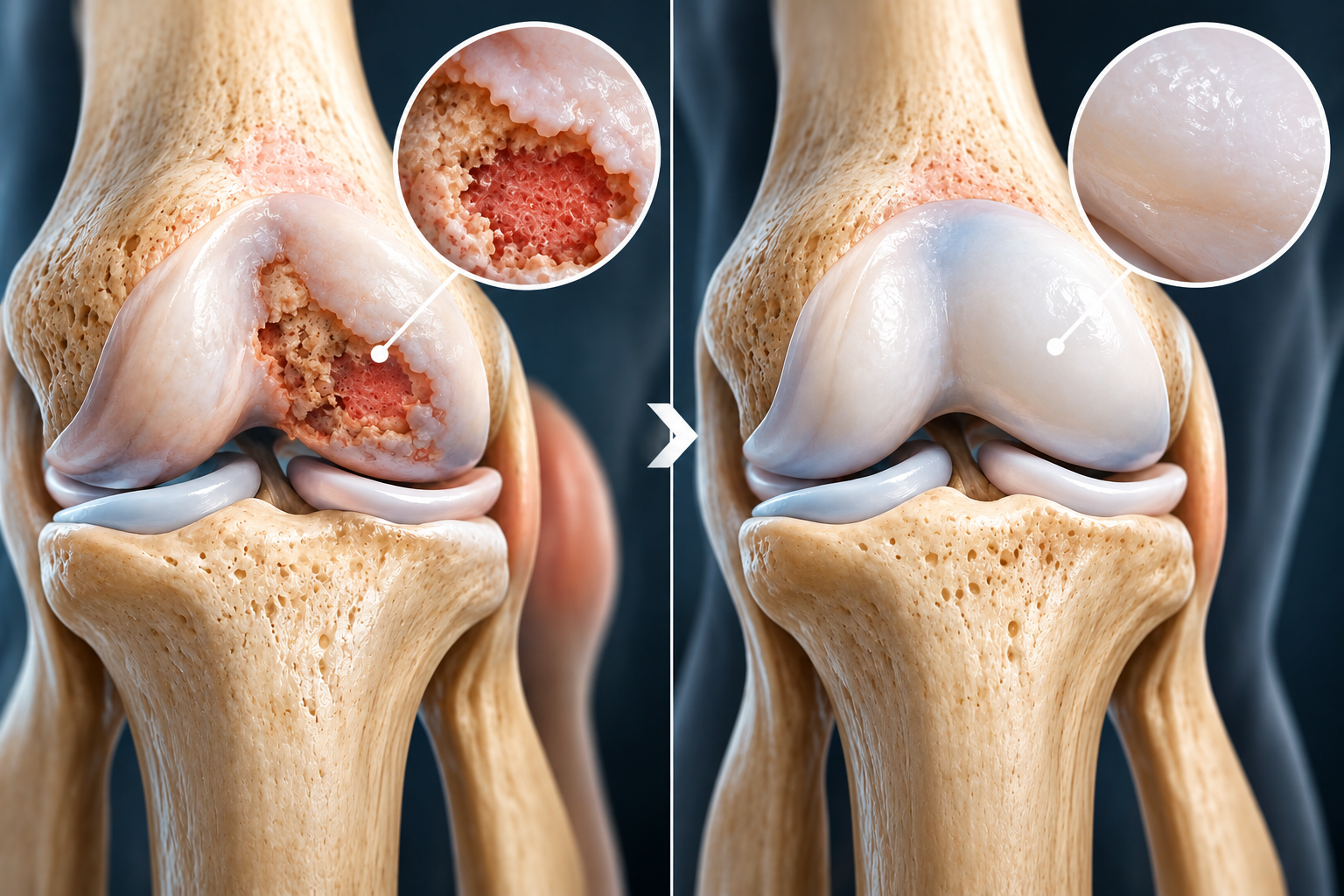
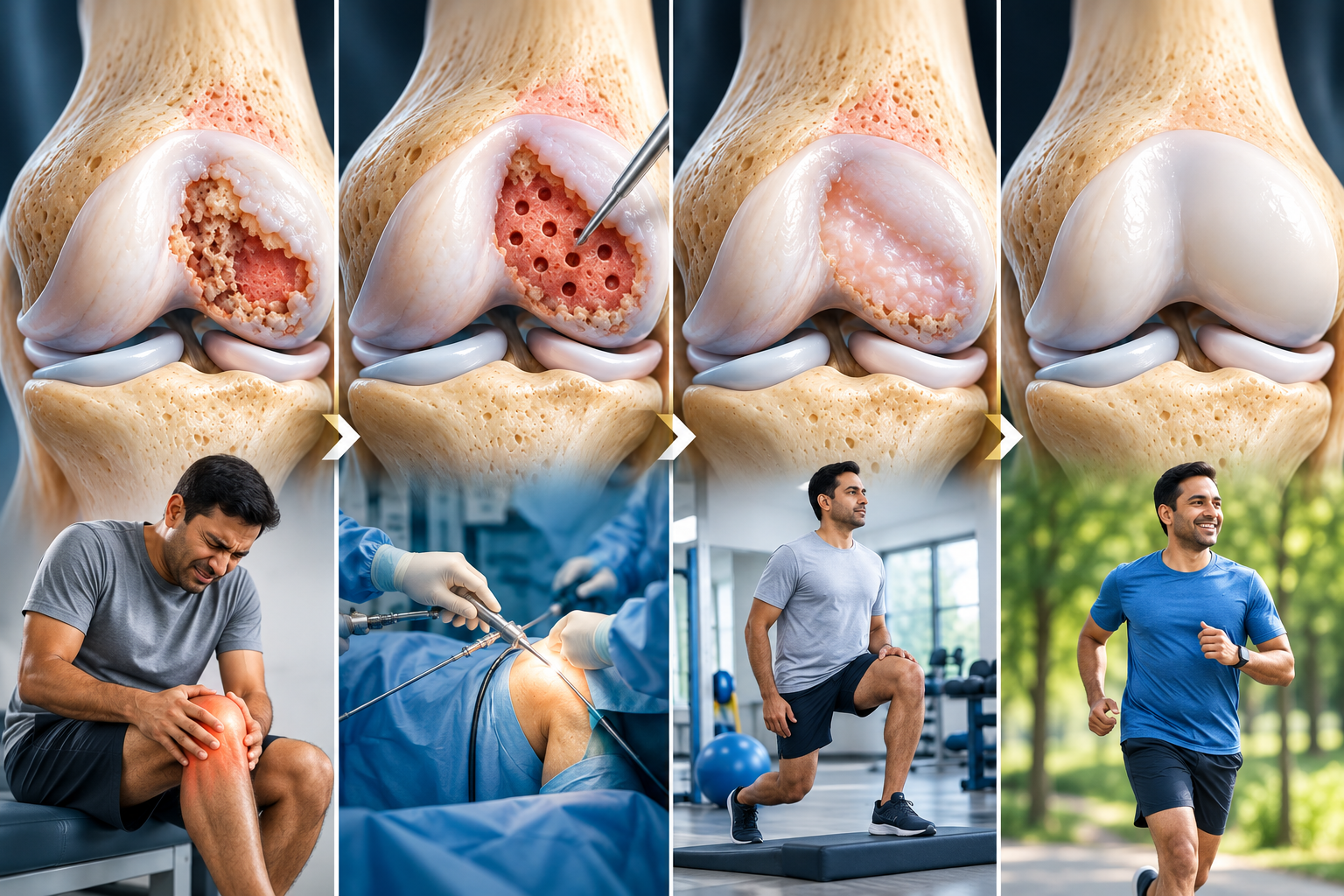
Small holes are made in the exposed bone beneath the injured cartilage during microfracture surgery. The body's natural healing process can then be supported by bone marrow components that reach the treated location. Patients need a planned rehabilitation program after surgery to progressively regain their knee function, strength, stability, and range of motion.
The procedure for performing Knee Microfracture Surgery involves the following:
- Before the surgeon starts the procedure, general or regional anesthesia is given.
- To check the inside of the knee and locate the damaged cartilage, arthroscopy is utilized.
- The underlying bone is exposed by carefully preparing the injured cartilage.
- Using specialized surgical tools, tiny microfracture holes are made in the bone.
- Bone marrow components penetrate the treatment region and aid in the development of healing tissue.
- Following surgery, a systematic rehabilitation program and regulated mobility are the first steps in the recovery process..
SURGERY
What is Knee Microfracture Surgery?
Small holes are made in the exposed bone beneath the injured cartilage during microfracture surgery. The body's natural healing process can then be supported by bone marrow components that reach the treated location. Patients need a planned rehabilitation program after surgery to progressively regain their knee function, strength, stability, and range of motion.
The procedure for performing Knee Microfracture Surgery involves the following:
- Before the surgeon starts the procedure, general or regional anesthesia is given.
- To check the inside of the knee and locate the damaged cartilage, arthroscopy is utilized.
- The underlying bone is exposed by carefully preparing the injured cartilage.
- Using specialized surgical tools, tiny microfracture holes are made in the bone.
- Bone marrow components penetrate the treatment region and aid in the development of healing tissue.
- Following surgery, a systematic rehabilitation program and regulated mobility are the first steps in the recovery process..
COMPLICATIONS
What are the Possible Complications of Knee Microfracture Surgery or its Treatment?
Even though knee microfracture surgery is safe and effective, there are a number of potential side effects that could occur during recuperation and rehabilitation. With the right medical attention and frequent follow-up appointments, the majority of issues are manageable. Patients who are aware of potential consequences are better able to identify potential issues and facilitate a more seamless recovery, increased knee stability, and increased mobility.
Chronic Knee Pain
If the treated area does not react as anticipated to the treatment and rehabilitation, the patient may still have knee pain when moving.
Stiffness in the knees
During the recuperation phase, stiffness, edema, or decreased flexibility may make movement challenging.
Swelling and Inflammation
Knee irritation can result in persistent swelling and pain, especially when exercising.
Postponed Repair of Cartilage
Delays in healing may have an impact on knee function and the healing process as a whole. The repair tissue may form gradually.
Connect with our experts and get the right guidance for your condition.
RECOVERY & OUTCOMES
What is the Recovery Process after Knee Microfracture Surgery?
RECOVERY & OUTCOMES
What is the Recovery Process after Knee Microfracture Surgery?
Following knee microfracture surgery, recovery usually necessitates paying close attention to physical therapy sessions, activity levels, and physician guidance. The patient must adhere to guidelines that progressively increase knee strength, flexibility, and movement while allowing the treated cartilage area to heal. The extent and location of the defect, the course of treatment, and each person's healing progress all affect recovery. Improved knee mobility and function are supported and problems are reduced with the use of physical therapy, regulated activity, and appropriate recovery management.
The process of recuperation after a microfractured knee The following phases are included in surgery:
- During the initial healing phase, the treated knee is protected.
- Knee flexibility and movement are gradually restored.
- Gradually building up the muscles surrounding the knee
- Frequent follow-up appointments to track recuperation
- After sufficient recovery, gradually resume regular activities and sports
AFTERCARE
Recovery & Aftercare for Knee Microfracture Surgery

AFTERCARE
Recovery & Aftercare for Knee Microfracture Surgery
After knee microfracture surgery, effective healing, knee stability, and movement recovery are all facilitated by aftercare. In order to reduce difficulties and gradually return to normal activities, it is crucial that patients adhere to their post-surgery instructions. The knee can gradually regain strength, flexibility, and function with consistent physical therapy sessions, medical follow-ups, and regulated physical activity. Resuming regular activities, exercise, and sports while adhering to a planned rehabilitation plan also helps lower the risk of re-injury.
Recommendations for recovery success:
- Follow doctor-recommended recovery advice
- Use crutches or knee support as advised
- Attend physical therapy sessions
- Increase knee mobility without overexertion
- Continue regular medical check-ups
FAQ'S
Do You Have Any Question About Knee Microfracture Surgery Treatment?
By making tiny holes in the underlying bone to assist the body’s healing response, knee microfracture surgery is a minimally invasive method of treating appropriate localized cartilage abnormalities.
Microfracture surgery may be an option for patients with appropriate limited cartilage injury. The deformity, symptoms, knee condition, degree of exercise, and general health all influence suitability.
Following surgery, there may be some pain and edema. A organized rehabilitation program and appropriate pain management can help make the healing process more comfortable.
The extent and location of the cartilage lesion, personal healing, and the course of rehabilitation all affect recovery. Each step will be guided by your specialist.
Healing, knee mobility, strength, stability, and rehabilitation progress all play a role in returning to sports. When you should return will be decided by your physiotherapist and surgeon.