ARTHROSCOPY & SPORTS INJURY ASSOCIATES

OVERVIEW
What is MCL Repair and Reconstruction?
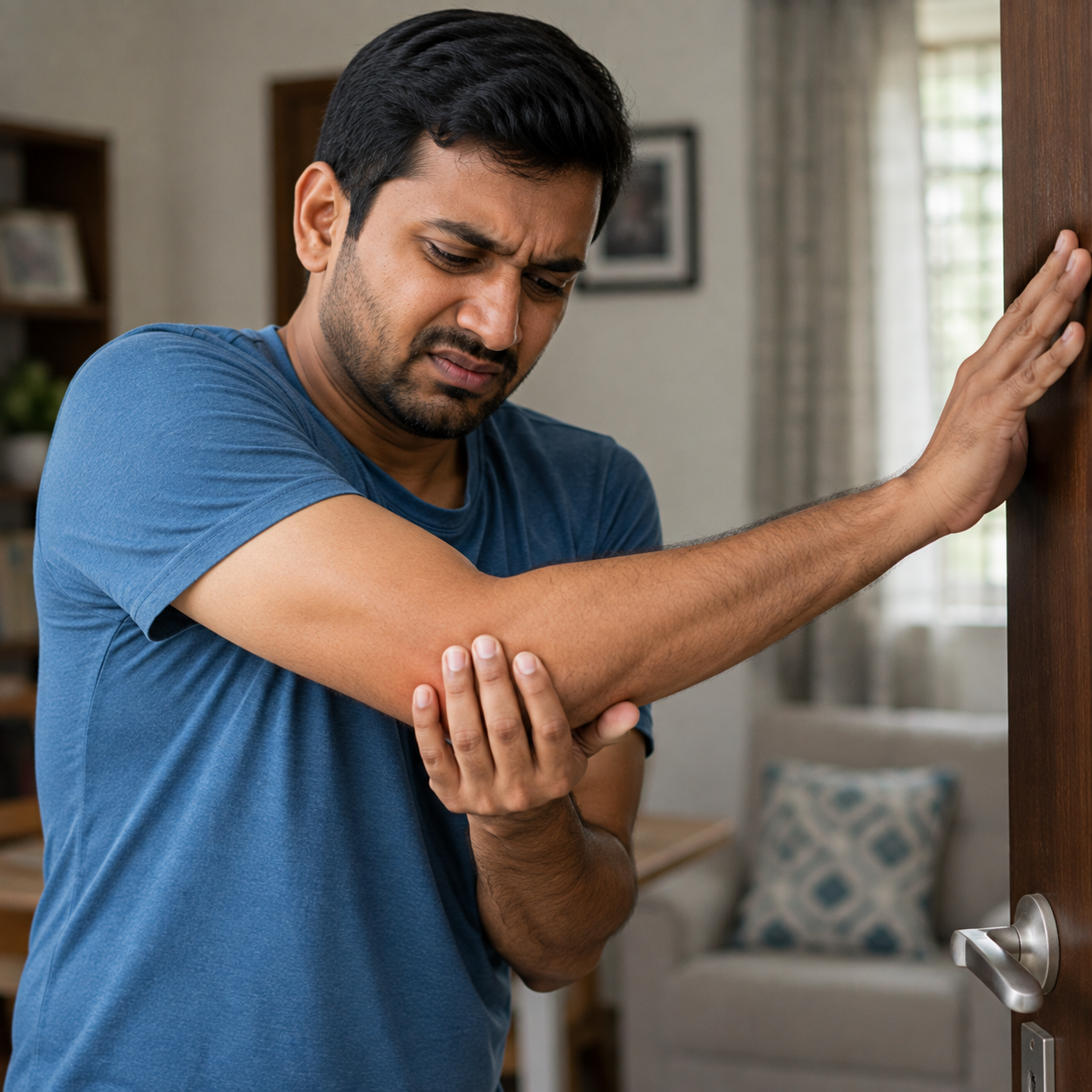
MCL Repair/Reconstruction is the name for the operation aimed at restoring joint stability by either repairing or reconstructing the injured Medial Collateral Ligament (MCL). Also called the Ulnar Collateral Ligament (UCL), the MCL is among the main ligaments stabilizing the inner elbow and playing a crucial role in ensuring joint stability during overhead activity. If the ligament becomes significantly damaged, surgical intervention is needed for regaining stability, improved joint function, reduction of pain, and return to activities.
Here is what you should know about MCL Repair/Reconstruction:
- Restores joint stability through repair or reconstruction of the damaged ligament
- Aids in improving elbow joint strength and performance
- Frequently recommended for severe ligament injuries or instability
- Early intervention may positively impact recovery
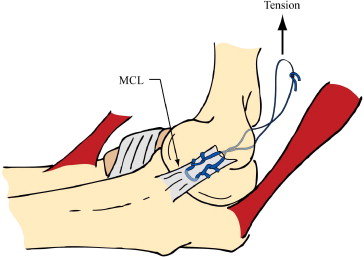
MCL Repair/Reconstruction is the name for the operation aimed at restoring joint stability by either repairing or reconstructing the injured Medial Collateral Ligament (MCL). Also called the Ulnar Collateral Ligament (UCL), the MCL is among the main ligaments stabilizing the inner elbow and playing a crucial role in ensuring joint stability during overhead activity. If the ligament becomes significantly damaged, surgical intervention is needed for regaining stability, improved joint function, reduction of pain, and return to activities.
Here is what you should know about MCL Repair/Reconstruction:
- Restores joint stability through repair or reconstruction of the damaged ligament
- Aids in improving elbow joint strength and performance
- Frequently recommended for severe ligament injuries or instability
- Early intervention may positively impact recovery
Surgeons Available for Consultations

Dr. Karnav Panchal
M.B.B.S, M.S. (Orthopedics),
FAOS (South Korea)
Consultant Arthroscopist & Sports Injury Specialist Consultant Joint Replacement Surgeon

Dr. Aniket Gupta
M.B.B.S, M.S. (Orthopedics),
MRCS (Edinburgh)
Training & Qualifications Fellowship in MRCS (UK) Arthroscopy & Arthroplasty (Milan, Italy)
Consultant Physiotherapist

Dr. Aarsh Bhatt
B.P.T,M.P.T (Cardio-Respiratory Disorders) MIAP , HCPC (UK) , DHA (UAE)
Consultant Physiotherapist

Dr. Hetvi Dimothe
BPT , M.P.T (Rehabilitation) MIAP, HCPC (UK) , DHA (UAE)
Consultant Physiotherapist
Causes
What Causes a MCL Injury of the Elbow?
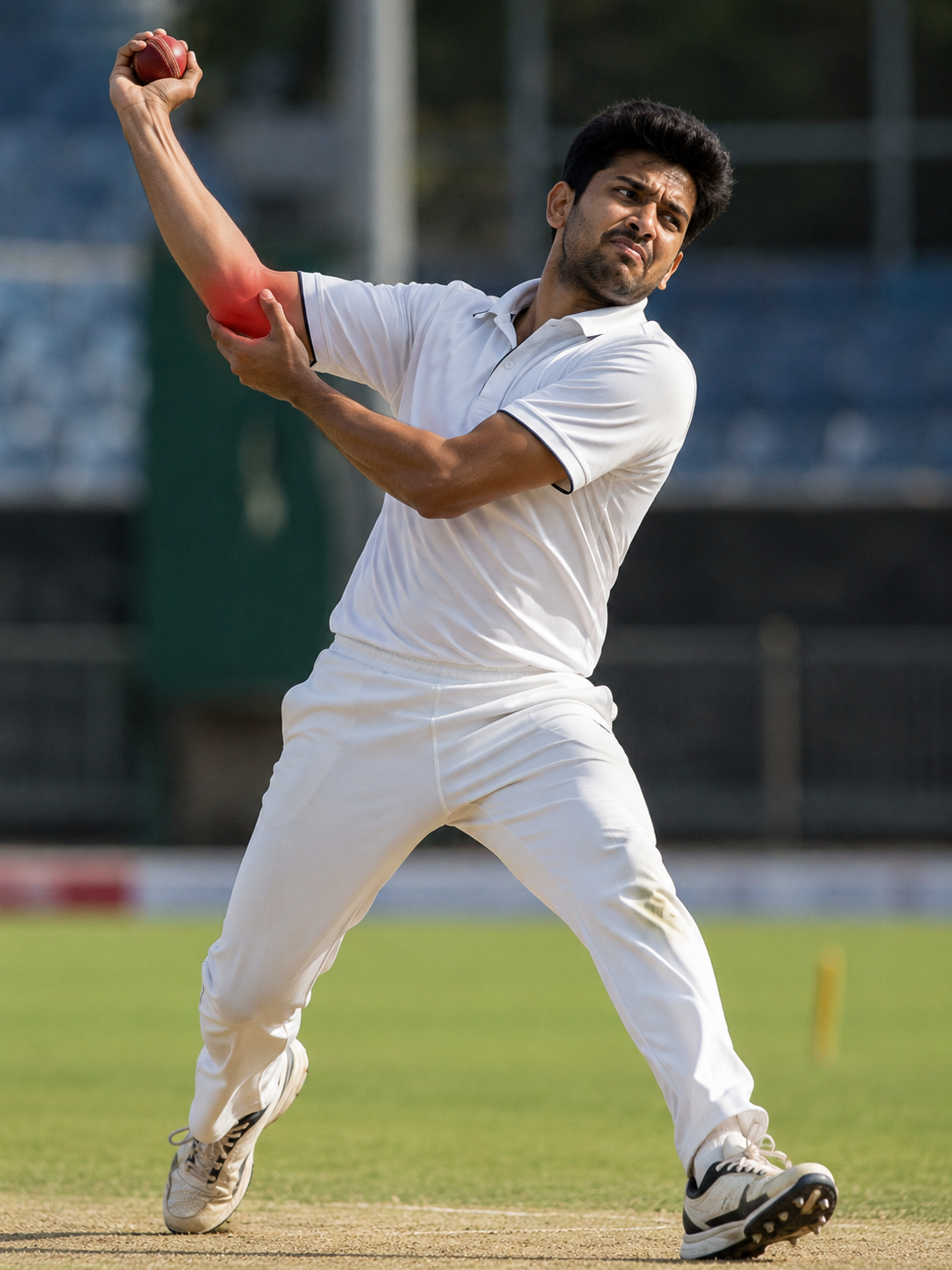
A Medial Collateral Ligament (MCL) injury happens when excessive strain or trauma causes damage to the ligament responsible for stabilizing the inner part of the elbow joint. MCL injuries are common among athletes involved in overhead activities, although they may occur after an accident, falls, lifting, and other injuries of the elbow joint. Depending on the extent of the damage, the ligament may become overstretched, partially torn, or completely ruptured, thus causing pain and joint instability.
Causes
What Causes a MCL Injury of the Elbow?
A Medial Collateral Ligament (MCL) injury happens when excessive strain or trauma causes damage to the ligament responsible for stabilizing the inner part of the elbow joint. MCL injuries are common among athletes involved in overhead activities, although they may occur after an accident, falls, lifting, and other injuries of the elbow joint. Depending on the extent of the damage, the ligament may become overstretched, partially torn, or completely ruptured, thus causing pain and joint instability.
There are several reasons for Medial Collateral Ligament (MCL) Injuries of the Elbow including:
- Overhead activity placing extra stress on the ligament
- Injury to the elbow during a sport
- Fall injuring the elbow
- Lifting putting too much valgus stress on the joint
- Acute ligament stretching or tear
What Other Structures Can Be Affected along with Medial Collateral Ligament (MCL) Injury?
MCL injury may also impact other structures that play a role in stabilizing the elbow joint and its proper functioning. Depending on the severity of the injury, the surrounding muscles, tendons, cartilage, and nerves may also get affected, thus contributing to additional symptoms such as pain, weakness, and loss of function in the joint.
- Flexor-pronator muscle group
- Joint cartilage
- Adjacent ligaments
- Surrounding tendons
- Ulnar nerve
- Joint capsule
SYMPTOMS
What are the Symptoms of a Medial Collateral Ligament (MCL) Injury of the Elbow?
The signs and symptoms may vary depending on the severity of the ligament injury and the presence of joint instability. While some patients feel gradual onset of pain caused by repetitive activity, others experience sudden development of symptoms after acute injury. Early identification of the issue is helpful in preventing the progression of the injury and successful treatment.

Inner Elbow Pain
Pain typically develops in the area of the inner elbow and becomes more pronounced with throwing, lifting, or overhead activity.
Elbow Instability
Patients usually report a sensation of looseness in the elbow joint.
Impaired Throwing/Lifting Performance
The ability to throw or lift may become less accurate and powerful.
Neglecting these symptoms may cause chronic instability, further ligament damage, impaired performance, and dysfunction.
Connect with our experts and get the right guidance for your condition.
Weakness
Strength in the arm may become lower due to loss of ligament support.
Swelling
There may be mild swelling and tenderness developing in the inner part of the elbow.
Clicking
Some patients report clicking sensations in the elbow joint during its movement.
Difficulties with Overhead Activities
It may become hard and painful to perform throwing, lifting, and other overhead arm movements.
Connect with our experts and get the right guidance for your condition.
BOOK CONSULTATIONDIAGNOSIS
How Do Doctors Diagnose a Medial Collateral Ligament (MCL) Injury of the Elbow?
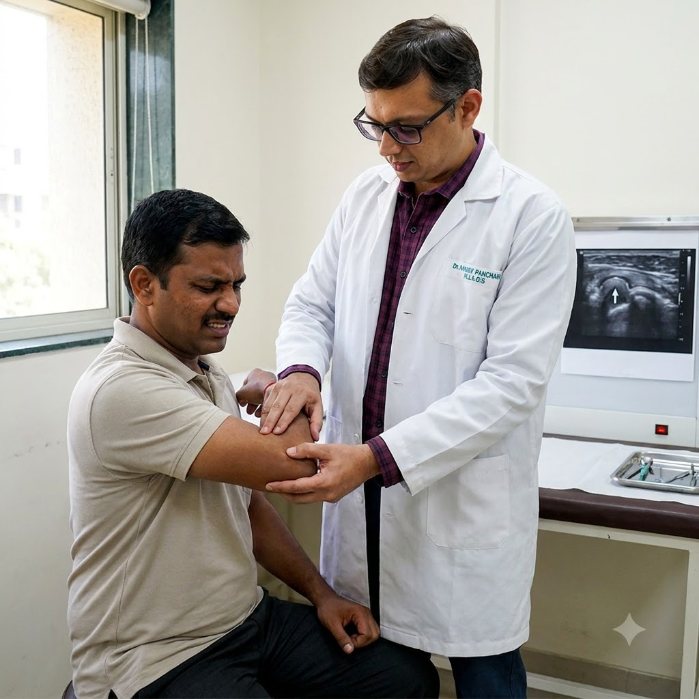
Diagnosis of a Medial Collateral Ligament (MCL) injury includes a discussion of patients' symptoms, an understanding of the injury and a thorough physical examination of the elbow joint. Elbow stability, ligament condition, movement range, strength, and pain during certain movements are assessed by the doctor. To confirm the diagnosis, to evaluate the severity of the ligament injury and the associated damage, imaging studies are recommended. At ALIGN ASIA, comprehensive assessment allows doctors to identify an accurate diagnosis and develop an individual treatment plan.
DIAGNOSIS
How Do Doctors Diagnose a Medial Collateral Ligament (MCL) Injury of the Elbow?
Diagnosis of a Medial Collateral Ligament (MCL) injury includes a discussion of patients' symptoms, an understanding of the injury and a thorough physical examination of the elbow joint. Elbow stability, ligament condition, movement range, strength, and pain during certain movements are assessed by the doctor. To confirm the diagnosis, to evaluate the severity of the ligament injury and the associated damage, imaging studies are recommended. At ALIGN ASIA, comprehensive assessment allows doctors to identify an accurate diagnosis and develop an individual treatment plan.
Medial Collateral Ligament (MCL) Injuries of the Elbow can be diagnosed using the following tools:
- Physical examination checking for elbow stability, ligament integrity, joint movement, and upper extremity functionality
- Imaging studies assessing ligament damage and associated injuries
- MRI
- Ultrasound
- X-ray (used when bone injuries need to be assessed)
TREATMENT
What is the Treatment for a Medial Collateral Ligament (MCL) Injury of the Elbow?
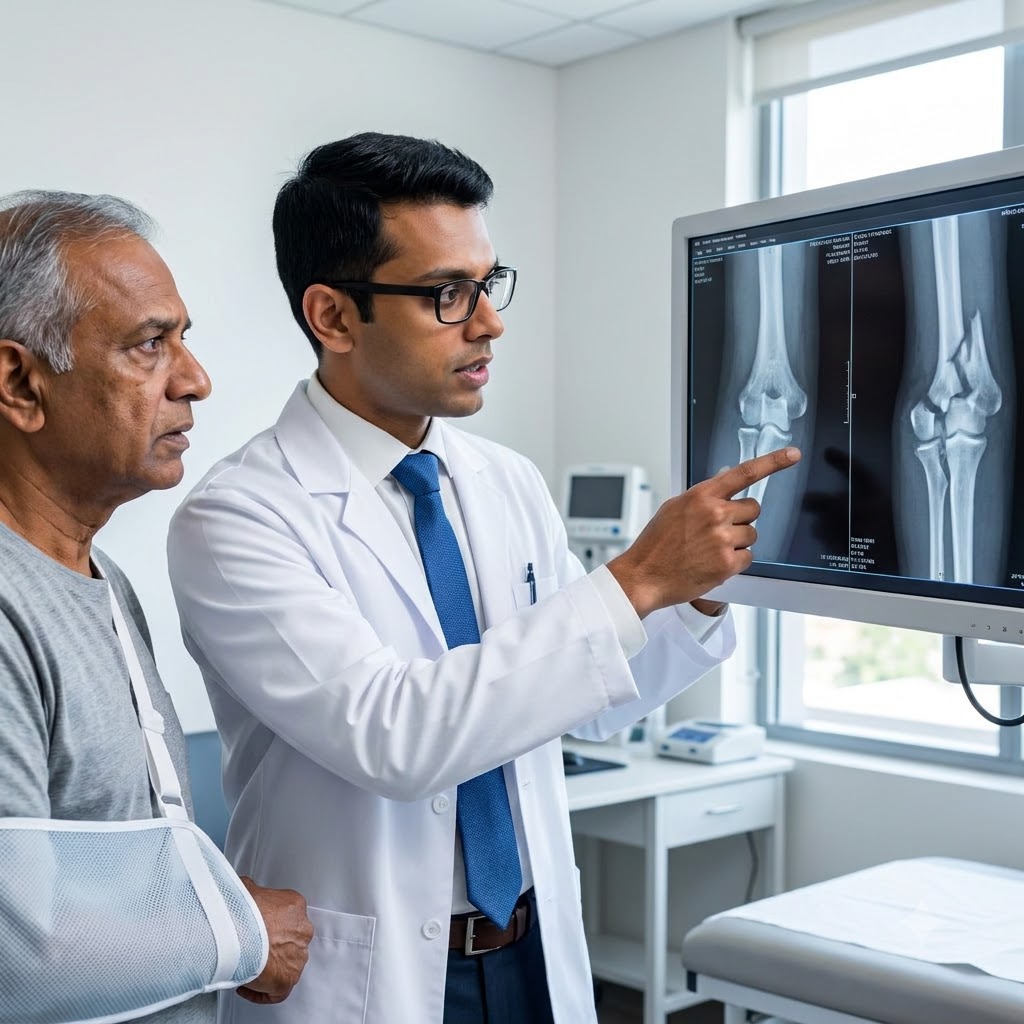
Depending on the severity of the ligament injury, elbow instability, patient's activity level and functional requirements, the treatment for the MCL injury may involve both non-surgical and surgical management. The treatment helps in restoring elbow stability, relieving pain, and improving joint function.
Pain Control
Aims at reducing pain and inflammation during recovery.
Activity Modification
Protects the ligament from further injury during recovery.
Physiotherapy
Promotes improvement in elbow joint strength, flexibility, and stability.
Ligament Rehabilitation
Helps to heal the ligament and restore elbow function.
MCL Repair/Reconstruction
Improves elbow function by repairing or reconstructing the injured ligament.
NON-SURGICAL CARE
How is a Medial Collateral Ligament (MCL) Injury of the Elbow Treated without Surgery?
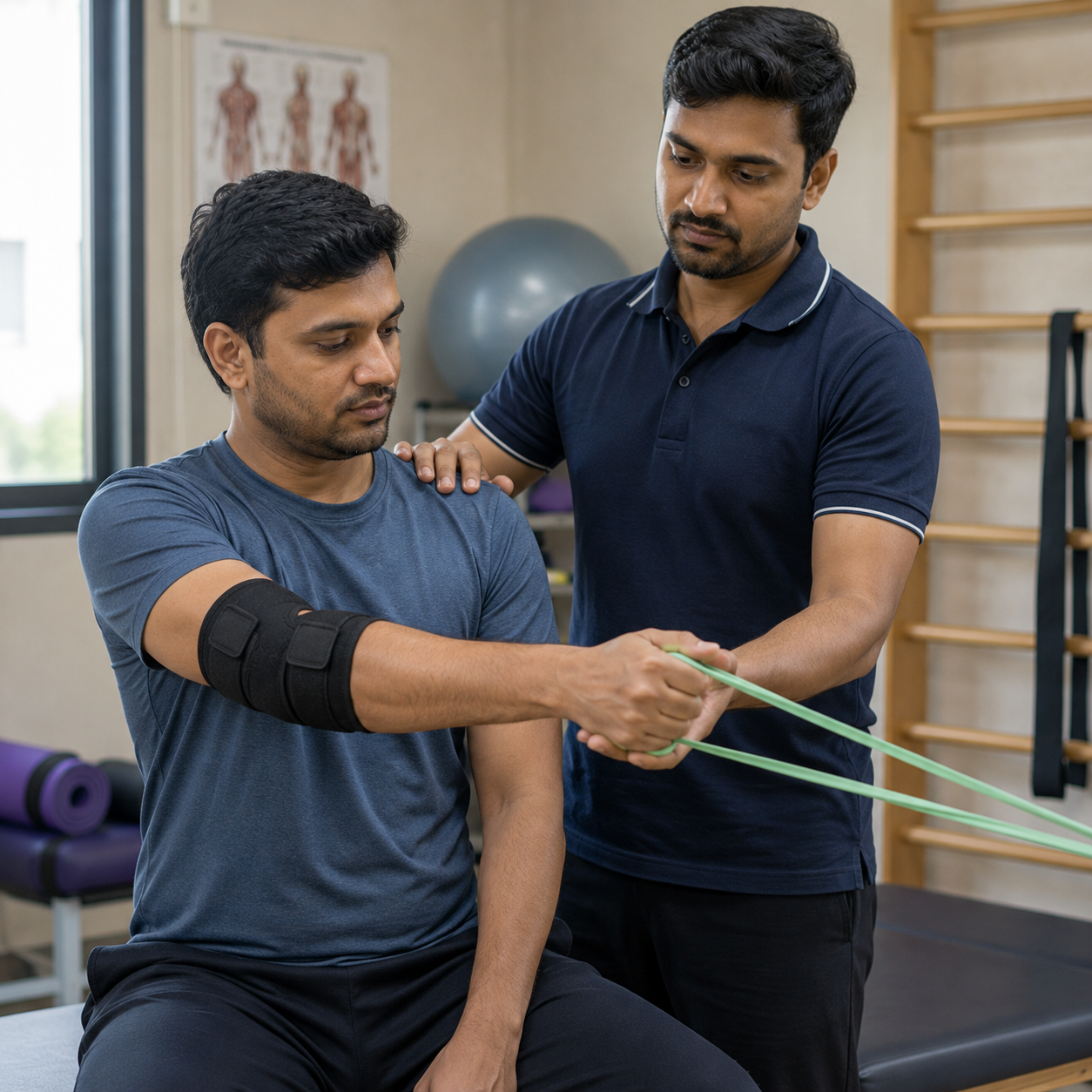
Many patients with minor or partial MCL injury may be effectively treated without surgery. Non-operative management includes pain relief, stabilization, improvement of joint stability, strengthening of the surrounding muscles, and restoration of joint function. With the help of a structured rehabilitation program, patients can return to their daily routine and minimize the risks of the further injury.
NON-SURGICAL CARE
How is a Medial Collateral Ligament (MCL) Injury of the Elbow Treated without Surgery?
Many patients with minor or partial MCL injury may be effectively treated without surgery. Non-operative management includes pain relief, stabilization, improvement of joint stability, strengthening of the surrounding muscles, and restoration of joint function. With the help of a structured rehabilitation program, patients can return to their daily routine and minimize the risks of the further injury.
Treatment without surgery includes:
- Physiotherapy programs help to strengthen the muscles supporting the elbow joint.
- Activity modification minimizes the stress on the injured ligament during recovery.
- Anti-inflammatory medications help relieve pain during rehabilitation.
- Progressive exercises help restore function and stability of the elbow joint.
RISKS OF NO TREATMENT
When is MCL Repair andReconstruction Required?
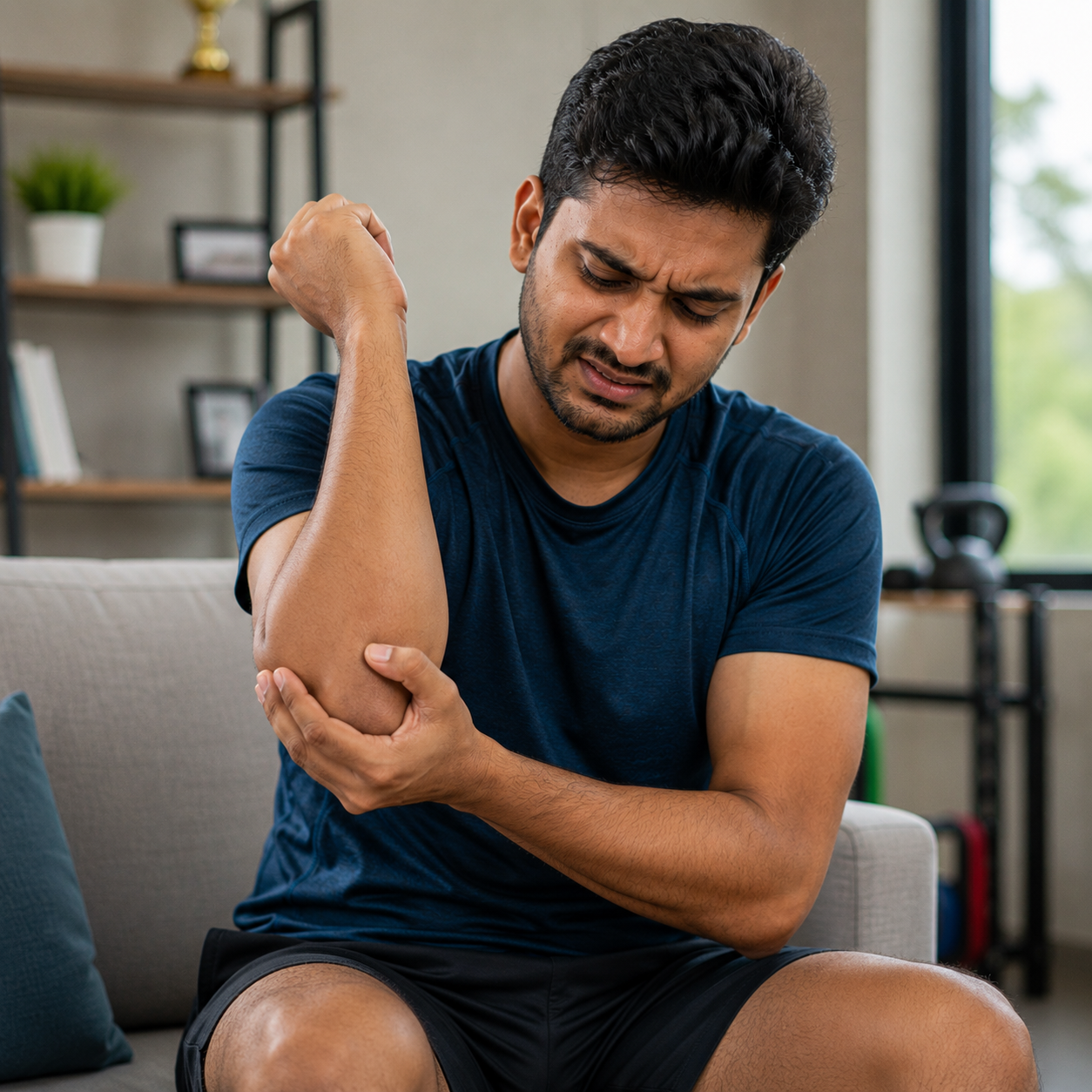
Although MCL injuries may be managed successfully with non-operative management, surgery may become a necessity when there is an elbow joint instability, significant ligament damage, or persistence of the symptoms despite rehabilitation. Early surgery helps to restore joint stability and function and ensures the safe return to sport and other physically demanding activities.
RISKS OF NO TREATMENT
When is MCL Repair andReconstruction Required?
Although MCL injuries may be managed successfully with non-operative management, surgery may become a necessity when there is an elbow joint instability, significant ligament damage, or persistence of the symptoms despite rehabilitation. Early surgery helps to restore joint stability and function and ensures the safe return to sport and other physically demanding activities.
MCL Repair/Reconstruction may be recommended in the following cases:
- Complete or severe MCL tears causing joint instability
- Persistence of pain and instability despite non-surgical treatment
- Recurrent joint instability during sport or work
- Functional demands requiring proper elbow strength and stability
SURGERY
What is MCL Repair and Reconstruction Surgery?
MCL Repair/Reconstruction is a surgical procedure aimed at restoring stability to the inner side of the elbow joint by repairing or reconstructing the damaged ligament using the tendon graft if repair is not possible. The goal of the surgery is to improve joint stability, restore elbow function, relieve pain and facilitate recovery. Modern surgical approaches help to preserve other structures while ensuring proper ligament reconstruction. At ALIGN ASIA, individual surgical approach is developed depending on the severity of the injury, patient's activity level, and personal recovery requirements.
The process of MCL Repair/Reconstruction surgery involves the following steps and techniques:
- Carefully planned incision is made to access the damaged MCL.
- Damaged ligament is inspected to define whether repair or reconstruction is a better option for this case.
- Primary ligament repair
- Tendon graft reconstruction
- Suture anchor fixation
- Damaged ligament is repaired or reconstructed to ensure proper joint stability.
- Elbow joint movement, ligament tension, and joint stability are checked before completion of the procedure.
- Incision is closed, and individual rehabilitation program is developed.
SURGERY
What is MCL Repair and Reconstruction Surgery?
MCL Repair/Reconstruction is a surgical procedure aimed at restoring stability to the inner side of the elbow joint by repairing or reconstructing the damaged ligament using the tendon graft if repair is not possible. The goal of the surgery is to improve joint stability, restore elbow function, relieve pain and facilitate recovery. Modern surgical approaches help to preserve other structures while ensuring proper ligament reconstruction. At ALIGN ASIA, individual surgical approach is developed depending on the severity of the injury, patient's activity level, and personal recovery requirements.
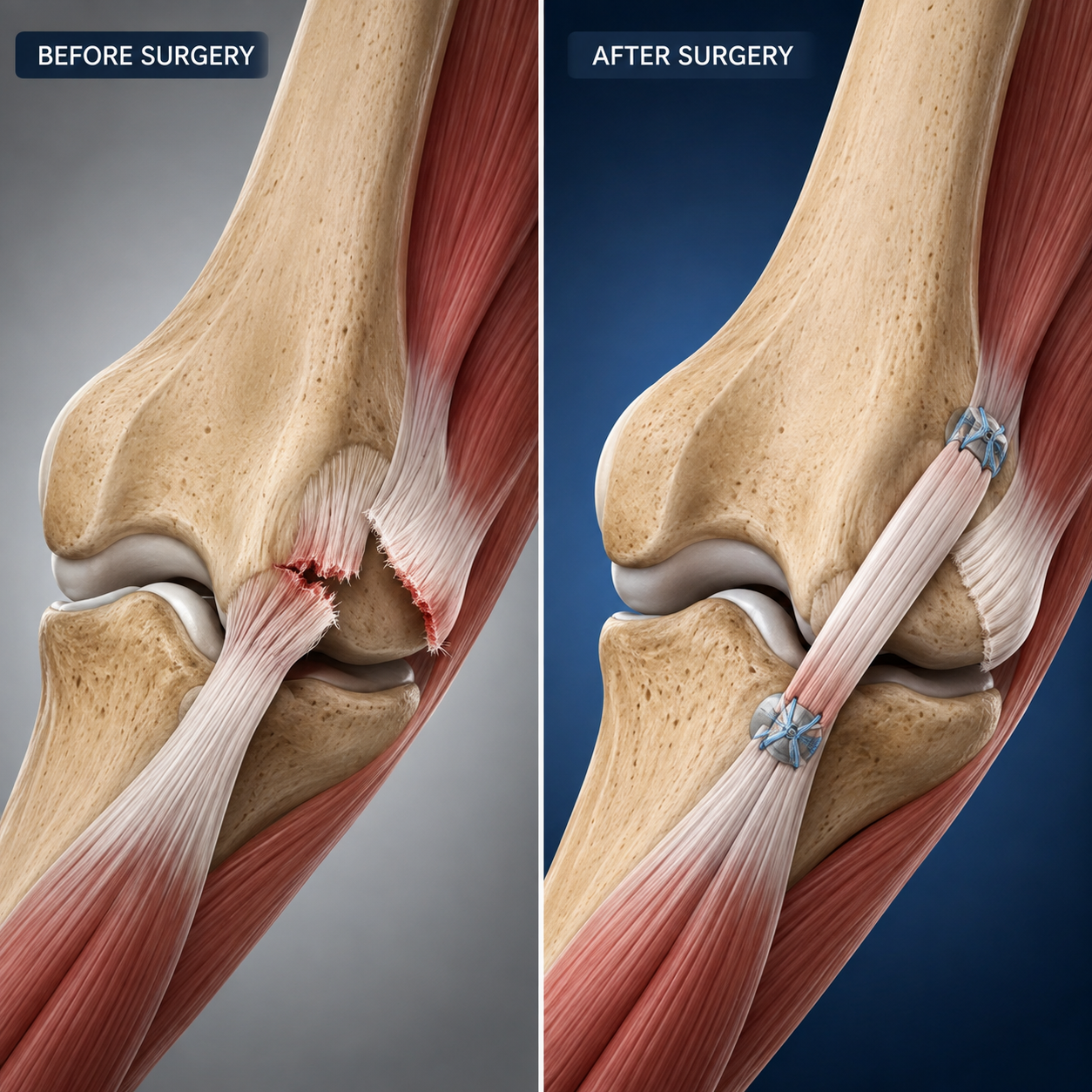
The process of MCL Repair/Reconstruction surgery involves the following steps and techniques:
- Carefully planned incision is made to access the damaged MCL.
- Damaged ligament is inspected to define whether repair or reconstruction is a better option for this case.
- Primary ligament repair
- Tendon graft reconstruction
- Suture anchor fixation
- Damaged ligament is repaired or reconstructed to ensure proper joint stability.
- Elbow joint movement, ligament tension, and joint stability are checked before completion of the procedure.
- Incision is closed, and individual rehabilitation program is developed.
COMPLICATIONS
What are the Possible Complications of a Medial Collateral Ligament (MCL) Injury or Its Treatment?
While many patients manage to recover from their MCL injury or surgery successfully, there are still some complications which may develop if the MCL injury remains untreated or during recovery process. Proper diagnosis, early intervention, and adherence to rehabilitation programs help to minimize these risks. Follow-up visits ensure monitoring of the recovery and allow addressing any problems which arise during the recovery process and getting the best possible result.
Persistent Elbow Instability
If the MCL injury does not heal properly or the damage is severe, elbow joint instability may persist during activities.
Elbow Joint Stiffness
Limited elbow joint movement may occur during the recovery process, especially after prolonged immobilization or surgery.
Chronic Elbow Pain
Development of chronic elbow pain may occur due to incomplete healing or joint instability.
Reduced Arm Function
Untreated MCL injury or complications during recovery may impair elbow joint strength, stability, and arm functionality.
Connect with our experts and get the right guidance for your condition.
RECOVERY & OUTCOMES
What is the Recovery Process after MCL Repair and Reconstruction?
RECOVERY & OUTCOMES
What is the Recovery Process after MCL Repair and Reconstruction?
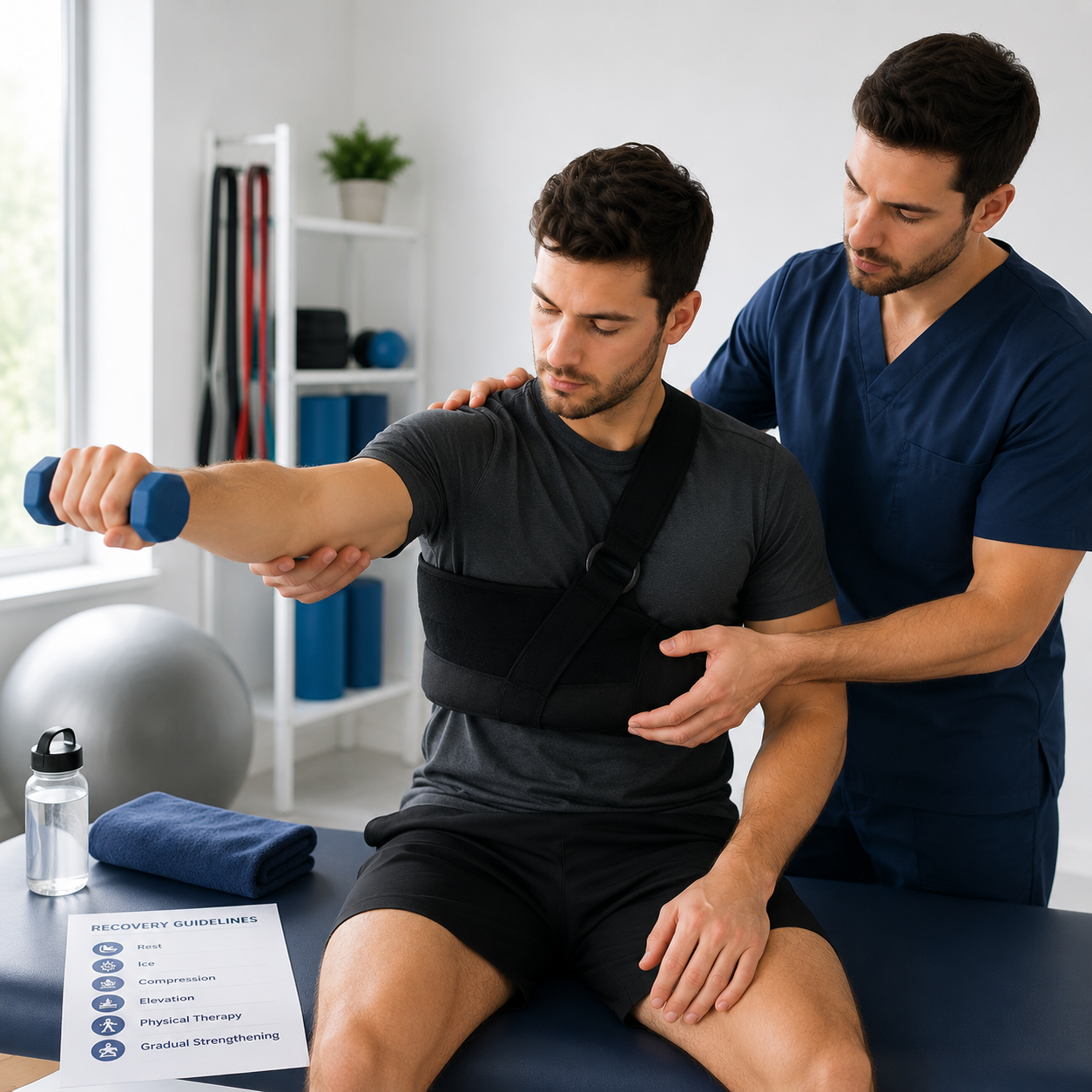
Recovery after MCL Repair/Reconstruction is a gradual process aimed at preserving the healing ligament and helping to restore joint stability, mobility, and strength. The duration of recovery depends on the severity of the injury, surgery performed, and individual recovery. A structured rehabilitation program allows patients to gradually return to work, sport, and daily activities while minimizing the risks of re-injury.
Recovery process after MCL Repair/Reconstruction includes the following stages:
- Protection of the healing ligament using an elbow brace
- Introduction of progressive movement exercises under the guidance of specialists
- Strengthening of the elbow joint, forearm, shoulder and surrounding muscles
- Physiotherapy for improving joint stability, movement and arm function
- Gradual return to work, sport, and overhead activities according to recovery progress
AFTERCARE
Recovery & Aftercare for MCL Repair and Reconstruction
AFTERCARE
Recovery & Aftercare for MCL Repair and Reconstruction
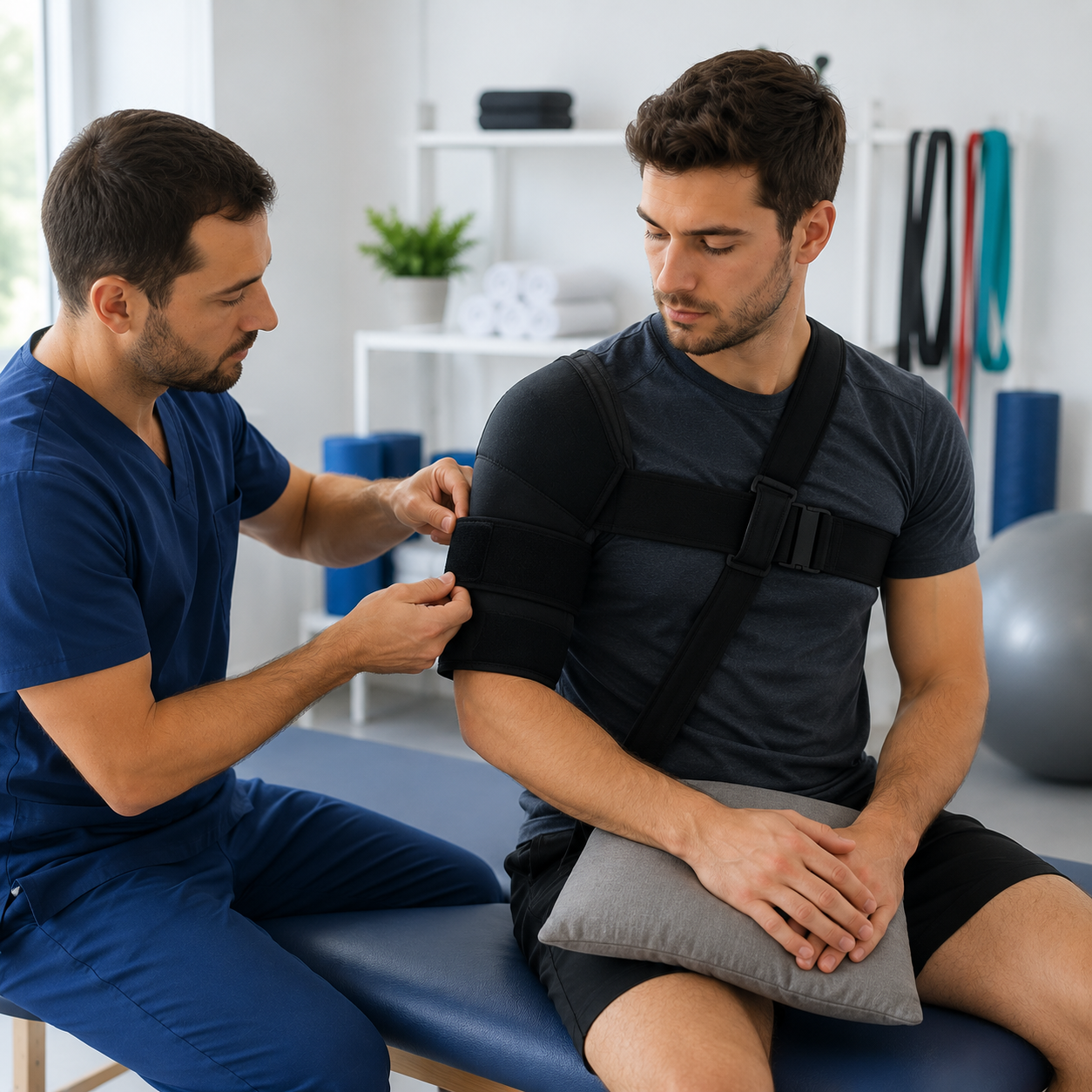
Successful recovery is based on preserving the healing ligament and following the rehabilitation program. Adequate aftercare helps to restore joint stability, strengthen the elbow, minimize the risks of further instability, and achieve optimal results of the treatment. Follow-up appointments help to monitor the recovery process and adjust the rehabilitation program according to patient's needs.
The following measures are recommended during aftercare:
- Use of the prescribed elbow brace or supportive device during the healing period.
- Regular visits to physiotherapy sessions to improve joint mobility, stability, and strength.
- Proper performance of the rehabilitation exercises prescribed by healthcare professionals.
- Gradual increase in activity and avoidance of throwing, lifting, and strenuous activities until medical clearance.
- Regular attendances to the follow-up appointments to monitor healing and recovery progress.
FAQ'S
Do You Have Any Question?
Yes. Minor MCL injuries may be successfully treated without surgery using physiotherapy, activity modification, and bracing. However, severe tears or joint instability often require surgical treatment.
The duration of recovery depends on the severity of the ligament injury, performed surgical procedure, and individual healing. Your doctor will develop a personalized recovery timeline for you.
Your return to sports or strenuous activities depends on ligament healing, joint strength, and rehabilitation progress. Your surgeon will tell you when it is safe to start participating in these activities.
MCL Repair/Reconstruction is a commonly performed orthopedic surgery and is generally considered safe when performed by experienced surgeons and followed by adequate rehabilitation.
Although reinjury is rare, following post-operative instructions, completing rehabilitation program, and gradual return to sports and work-related activities may help to minimize the risks of further ligament injuries.