
ARTHROSCOPY & SPORTS INJURY ASSOCIATES

OVERVIEW
What is Frozen Shoulder Treatment?
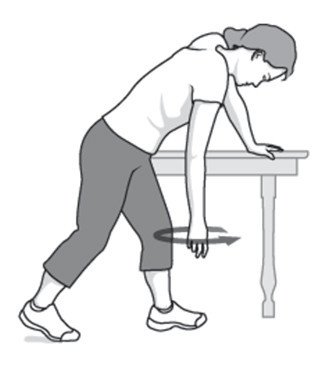
Frozen Shoulder is a disease which causes pain, stiffness, and loss of motion in shoulder joint. It develops as a result of thickening and contraction of shoulder capsule that limits normal range of motion. Symptoms gradually increase in intensity and interfere with performing such activities as dressing, reaching, lifting, sleeping. Early diagnosis and proper treatment help to alleviate symptoms, increase mobility and restore shoulder function.
Main characteristics of frozen shoulder:
- Causes gradual stiffness and reduces the range of motion in shoulder
- Interferes with daily activities involving shoulder motions
- Develops gradually through specific stages
- Early treatment helps in faster recovery and restoration of shoulder function
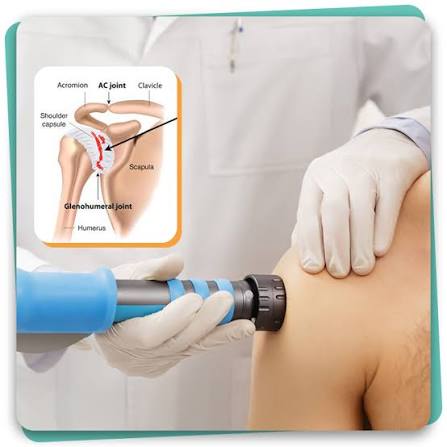
Frozen Shoulder is a disease which causes pain, stiffness, and loss of motion in shoulder joint. It develops as a result of thickening and contraction of shoulder capsule that limits normal range of motion. Symptoms gradually increase in intensity and interfere with performing such activities as dressing, reaching, lifting, sleeping. Early diagnosis and proper treatment help to alleviate symptoms, increase mobility and restore shoulder function.
Main characteristics of frozen shoulder:
- Causes gradual stiffness and reduces the range of motion in shoulder
- Interferes with daily activities involving shoulder motions
- Develops gradually through specific stages
- Early treatment helps in faster recovery and restoration of shoulder function
Surgeons Available for Consultations

Dr. Karnav Panchal
M.B.B.S, M.S. (Orthopedics),
FAOS (South Korea)
Consultant Arthroscopist & Sports Injury Specialist Consultant Joint Replacement Surgeon

Dr. Aniket Gupta
M.B.B.S, M.S. (Orthopedics),
MRCS (Edinburgh)
Training & Qualifications Fellowship in MRCS (UK) Arthroscopy & Arthroplasty (Milan, Italy)
Consultant Physiotherapist

Dr. Aarsh Bhatt
B.P.T,M.P.T (Cardio-Respiratory Disorders) MIAP , HCPC (UK) , DHA (UAE)
Consultant Physiotherapist

Dr. Hetvi Dimothe
BPT , M.P.T (Rehabilitation) MIAP, HCPC (UK) , DHA (UAE)
Consultant Physiotherapist
Causes
What Causes Frozen Shoulder?
Causes
What Causes Frozen Shoulder?
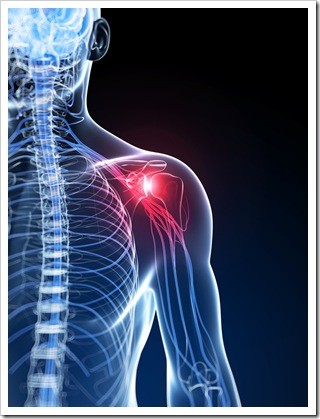
Frozen Shoulder is caused by inflammation, thickening and contraction of connective tissue surrounding shoulder joint. The cause of this disease is not known, however, it is more common after injuries, surgeries, immobilization or certain medical conditions. With time, due to tight shoulder capsule, motion becomes limited, leading to pain and stiffness.
Factors causing frozen shoulder:
- Previous injuries resulting in decreased shoulder mobility
- Immobilization after surgeries or trauma
- Increased likelihood of stiffness with diabetes
- Inflammatory diseases that affect shoulder tissue and motion
- Lack of shoulder activity resulting in tightness
Which other structures can be affected alongside frozen shoulder?
Apart from shoulder capsule, adjacent structures can also be affected due to frozen shoulder. Limited motion and stiffness cause additional load to adjacent muscles, tendons and connective tissue, leading to weakness and decreased function of shoulder. Without proper treatment and rehabilitation, recovery becomes more complicated.
- Shoulder joint capsule
- Rotator cuff tendons
- Connective tissue of shoulder
- Adjacent muscles of shoulder
- Bursa near tendons
- Soft tissue structures
SYMPTOMS
What are the Symptoms of Frozen Shoulder?
Symptoms of frozen shoulder gradually develop and increase in intensity over time. Almost all patients experience increased shoulder pain, stiffness and limitations in performing previously easy movements.

Progressive Shoulder Stiffness
Shoulder loses flexibility, resulting in difficulties with performing normal movements.
Persistent Shoulder Pain
Can appear during the activity, at rest or when sleeping, interfering with comfort.
Restricted Range of Motion
Motion becomes limited, leading to reduced function of joint.
Not paying attention to symptoms can lead to worsening of stiffness, prolonged recovery period, reduced shoulder function and difficulties with performing daily activities.
Connect with our experts and get the right guidance for your condition.
Night Discomfort
Pain becomes more intense at night or while resting.
Limited Mobility
Shoulder movement becomes noticeably limited.
Movement Difficulties
Performing daily activities becomes more difficult and requires modifications.
Shoulder Stiffness
Feels stiff while moving normally.
Connect with our experts and get the right guidance for your condition.
BOOK CONSULTATIONDIAGNOSIS
How Do Doctors Diagnose Frozen Shoulder?
In the beginning doctors assess patient symptoms, medical history, range of motion of shoulder joint and perform physical examination. If necessary, imaging studies are performed to rule out other conditions and make final diagnosis. At ALIGN ASIA comprehensive assessment helps to evaluate severity of frozen shoulder and to prescribe adequate treatment.

DIAGNOSIS
How Do Doctors Diagnose Frozen Shoulder?
In the beginning doctors assess patient symptoms, medical history, range of motion of shoulder joint and perform physical examination. If necessary, imaging studies are performed to rule out other conditions and make final diagnosis. At ALIGN ASIA comprehensive assessment helps to evaluate severity of frozen shoulder and to prescribe adequate treatment.
Methods of diagnosing frozen shoulder:
- Physical examination of shoulder joint mobility, stiffness, pain, and function
- Imaging studies to investigate shoulder structure and exclude other conditions
- X-ray
- MRI
TREATMENT
What is the Treatment for Frozen Shoulder?
It depends on stage of disease, severity of symptoms, restriction in motion and influence on daily activity.
Prompt treatment helps to manage pain, improve motion and prevent further stiffness development. Treatment strategy consisting of rehabilitation, stretching and gradual recovery helps to achieve improved mobility and shoulder function in long term perspective.
Pain Management
Reduces pain and inflammation
Stretching Exercises
Improves shoulder flexibility gradually
Physiotherapy
Improves shoulder motion and strength
Joint Mobilization
Increases shoulder motion
Surgical Consultation
Advanced treatment options
NON-SURGICAL CARE
How is Frozen Shoulder Treated Without Surgery?
Many patients improve without surgeries using conservative treatment and rehabilitation. Conservative treatment is aimed at pain reduction, improvement of shoulder flexibility, shoulder movement restoration and prevention of further stiffness development. Physiotherapy, stretching and pain management help in recovery process. Compliance with treatment and active participation are crucial for improvement of shoulder function.
NON-SURGICAL CARE
How is Frozen Shoulder Treated Without Surgery?
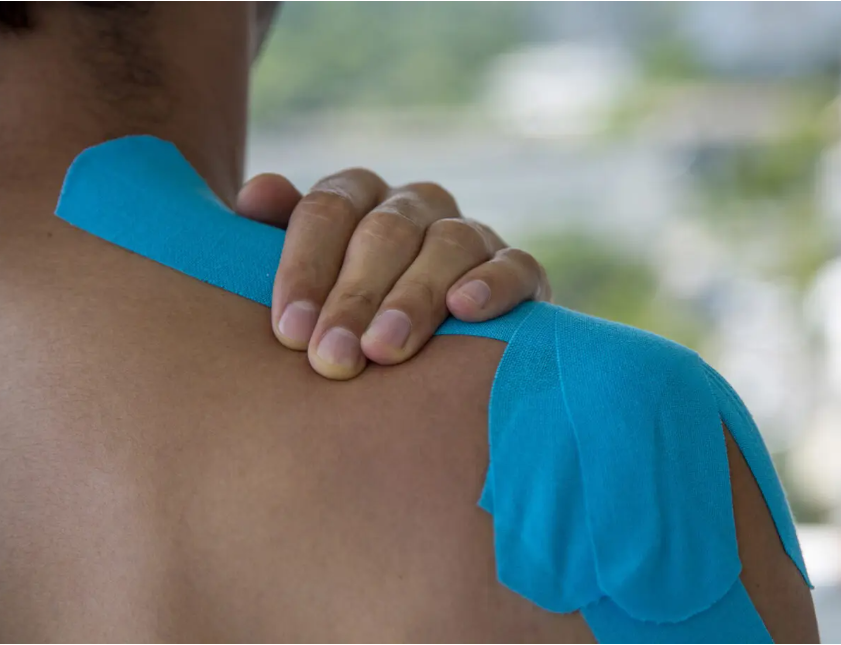
Many patients improve without surgeries using conservative treatment and rehabilitation. Conservative treatment is aimed at pain reduction, improvement of shoulder flexibility, shoulder movement restoration and prevention of further stiffness development. Physiotherapy, stretching and pain management help in recovery process. Compliance with treatment and active participation are crucial for improvement of shoulder function.
Conservative methods include:
- Physiotherapy programs for improvement of shoulder mobility, flexibility and function, decrease of stiffness
- Stretching exercises for maintenance of shoulder joint mobility and gradual increase of range of motion
- Medications with anti-inflammatory effect to reduce pain and facilitate rehabilitation and daily activities
- Activity modification to avoid excessive strain of shoulder during recovery period
RISKS OF NO TREATMENT
When is Surgery Needed for Frozen Shoulder?
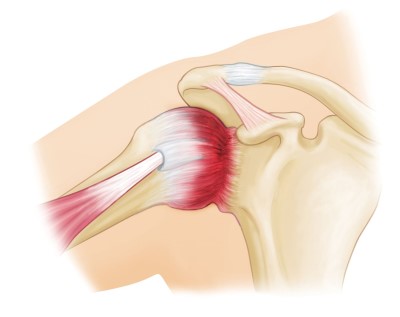
Frozen shoulder must not be neglected since its severe stiffness interferes with daily activities, work and quality of life. Despite of successful treatment of most patients, some of them still suffer from pain and limitations of shoulder motion after rehabilitation. Timely evaluation helps to decide whether it is required to use more advanced treatment approach to prevent complications.
RISKS OF NO TREATMENT
When is Surgery Needed for Frozen Shoulder?
Frozen shoulder must not be neglected since its severe stiffness interferes with daily activities, work and quality of life. Despite of successful treatment of most patients, some of them still suffer from pain and limitations of shoulder motion after rehabilitation. Timely evaluation helps to decide whether it is required to use more advanced treatment approach to prevent complications.
Timely treatment can help to improve shoulder mobility, reduce pain and restore normal shoulder function.
- Severe stiffness significantly limits shoulder movement
- Persistent pain interferes with sleep and daily activities
- Limited mobility interferes with work and physical activities
- Prolonged treatment can prolong recovery period
Surgery is required if significant symptoms persist despite rehabilitation and conservative treatment.
SURGERY
What Surgical Options are Available for Frozen Shoulder?
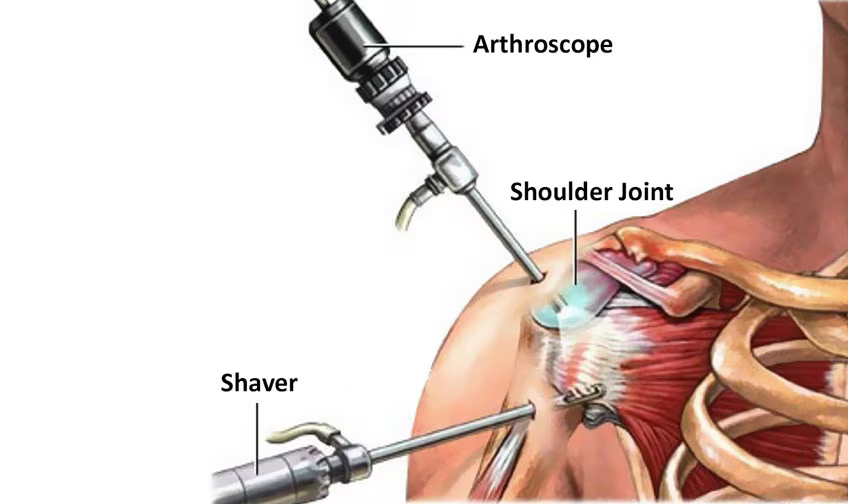
In case of ineffective conservative treatment, advanced interventions can be applied to restore shoulder motion and decrease stiffness. The choice of optimal procedure depends on severity of symptoms, limitation of shoulder range of motion and function of joint. These procedures are designed to increase shoulder motion, reduce discomfort and facilitate return to daily activities.
Possible surgical options:
- Arthroscopic capsular release to improve shoulder motion and decrease stiffness
- Manipulation under anesthesia to restore shoulder movement
- Minimally invasive techniques for shoulder capsule structures
- Other advanced procedures in cases of persistent functional limitations
- The choice of optimal treatment depends on symptoms and response to conservative treatment
- Rehabilitation after surgical intervention is important for successful recovery and long-term function
SURGERY
What Surgical Options are Available for Frozen Shoulder?
In case of ineffective conservative treatment, advanced interventions can be applied to restore shoulder motion and decrease stiffness. The choice of optimal procedure depends on severity of symptoms, limitation of shoulder range of motion and function of joint. These procedures are designed to increase shoulder motion, reduce discomfort and facilitate return to daily activities.
Possible surgical options:
- Arthroscopic capsular release to improve shoulder motion and decrease stiffness
- Manipulation under anesthesia to restore shoulder movement
- Minimally invasive techniques for shoulder capsule structures
- Other advanced procedures in cases of persistent functional limitations
- The choice of optimal treatment depends on symptoms and response to conservative treatment
- Rehabilitation after surgical intervention is important for successful recovery and long-term function
COMPLICATIONS
What are the Possible Complications of Frozen Shoulder or Its Treatment?
Complications do not occur to each patient, but they can appear if frozen shoulder is left untreated or in course of recovery. Most of them can be managed if detected and adequately treated. Regular follow-up, adherence to rehabilitation program and timely treatment help to minimize risks and improve shoulder mobility, function and recovery.

Severe Shoulder Stiffness
Persisting stiffness continues to limit shoulder movement.
Chronic Shoulder Pain
Persistent pain interferes with sleeping and activity.
Severe Reduction of Shoulder Mobility
Limited mobility interferes with activities of daily living and work.
Muscle Weakness
Severe shoulder immobility leads to muscle weakness.
Connect with our experts and get the right guidance for your condition.
RECOVERY & OUTCOMES
What is the Recovery Process after Treatment for Frozen Shoulder?
RECOVERY & OUTCOMES
What is the Recovery Process after Treatment for Frozen Shoulder?
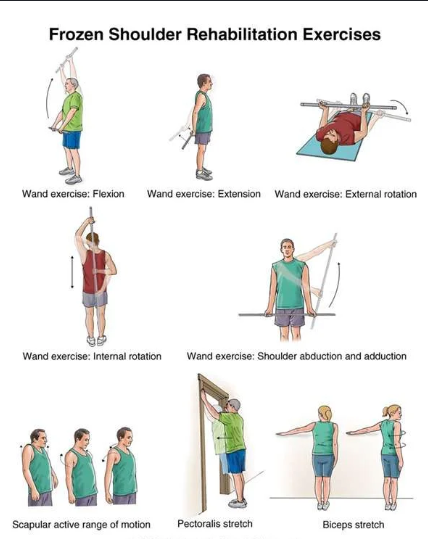
Recovery duration depends on severity of disease and chosen method of treatment. Improvements gradually occur due to rehabilitation, stretching, regular follow-up. Recovery is aimed at pain reduction, shoulder mobility restoration, strengthening of shoulder and functional improvement. Adherence to treatment plan is an important factor in long-term improvements and return to normal daily activities.
Steps in recovery process:
- Pain management and shoulder protection in the initial period
- Gentle stretching for safe flexibility improvement
- Shoulder mobility restoration through specific exercises
- Physiotherapy for strengthening and functional improvement
- Return to daily activities according to progress
AFTERCARE
Recovery & Aftercare for Frozen Shoulder Treatment
AFTERCARE
Recovery & Aftercare for Frozen Shoulder Treatment
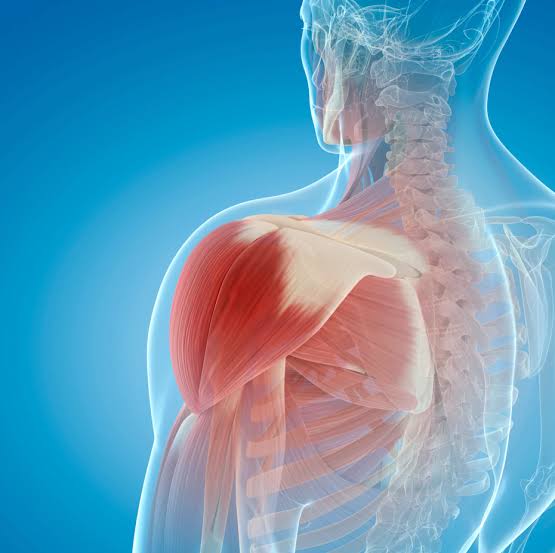
Proper aftercare is crucial for long-lasting results after treatment. Regular rehabilitation helps to maintain shoulder mobility, improve flexibility and reduce stiffness. Adherence to medical recommendations in the recovery period promotes healing and positive results and helps to gradually return to daily activities.
Recommendations for aftercare for better recovery:
- Perform prescribed stretching regularly to maintain shoulder mobility
- Attend physiotherapy sessions regularly
- Follow recommendations regarding level of activity and shoulder movements
- Avoid prolonged shoulder immobility in the course of rehabilitation
FAQ'S
Do You Have Any Question?
Many patients recover without surgeries using physiotherapy and conservative treatment.
Duration of recovery depends on individual situation, but it takes several months.
Physiotherapy plays a crucial role in frozen shoulder treatment.
Surgery is recommended in case of severe stiffness after rehabilitation and conservative treatment.
Adherence to rehabilitation recommendations and maintaining shoulder mobility help to prevent recurrence of stiffness.