ARTHROSCOPY & SPORTS INJURY ASSOCIATES

OVERVIEW
What is Muscle and Tendon Repair?
Muscle & Tendon Repair is the method used to repair muscle and/or tendon damage. This is because muscles and tendons are crucial parts of the shoulder which play a key role in movement and strengthening the shoulder. Injuries, age, repetitive strain, or sporting events may lead to tearing within the shoulder area, resulting in abnormal functioning of the shoulder joint. Through proper assessment, the damaged muscle and/or tendon will be repaired.
Here are some key points to understand Muscle and Tendon Repair better:
- Helps restore shoulder movement after muscle or tendon damage occurs
- Supports shoulder stability during daily activities and physical movements
- Commonly recommended when shoulder tissues become torn or weakened
- Early treatment improves recovery and helps prevent further shoulder problems
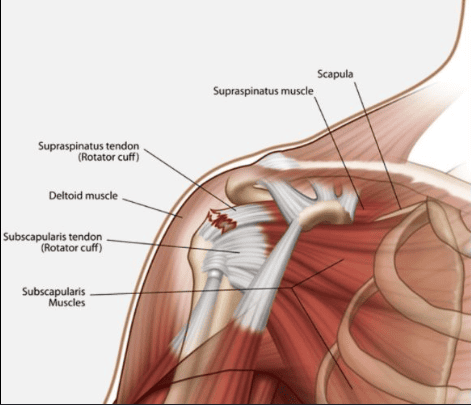
Muscle & Tendon Repair is the method used to repair muscle and/or tendon damage. This is because muscles and tendons are crucial parts of the shoulder which play a key role in movement and strengthening the shoulder. Injuries, age, repetitive strain, or sporting events may lead to tearing within the shoulder area, resulting in abnormal functioning of the shoulder joint. Through proper assessment, the damaged muscle and/or tendon will be repaired.
Here are some key points to understand Muscle and Tendon Repair better:
- Helps restore shoulder movement after muscle or tendon damage occurs
- Supports shoulder stability during daily activities and physical movements
- Commonly recommended when shoulder tissues become torn or weakened
- Early treatment improves recovery and helps prevent further shoulder problems
Surgeons Available for Consultations

Dr. Karnav Panchal
M.B.B.S, M.S. (Orthopedics),
FAOS (South Korea)
Consultant Arthroscopist & Sports Injury Specialist Consultant Joint Replacement Surgeon

Dr. Aniket Gupta
M.B.B.S, M.S. (Orthopedics),
MRCS (Edinburgh)
Training & Qualifications Fellowship in MRCS (UK) Arthroscopy & Arthroplasty (Milan, Italy)
Consultant Physiotherapist

Dr. Aarsh Bhatt
B.P.T,M.P.T (Cardio-Respiratory Disorders) MIAP , HCPC (UK) , DHA (UAE)
Consultant Physiotherapist

Dr. Hetvi Dimothe
BPT , M.P.T (Rehabilitation) MIAP, HCPC (UK) , DHA (UAE)
Consultant Physiotherapist
Causes
What Causes Muscle and Tendon Repair?
Causes
What Causes Muscle and Tendon Repair?
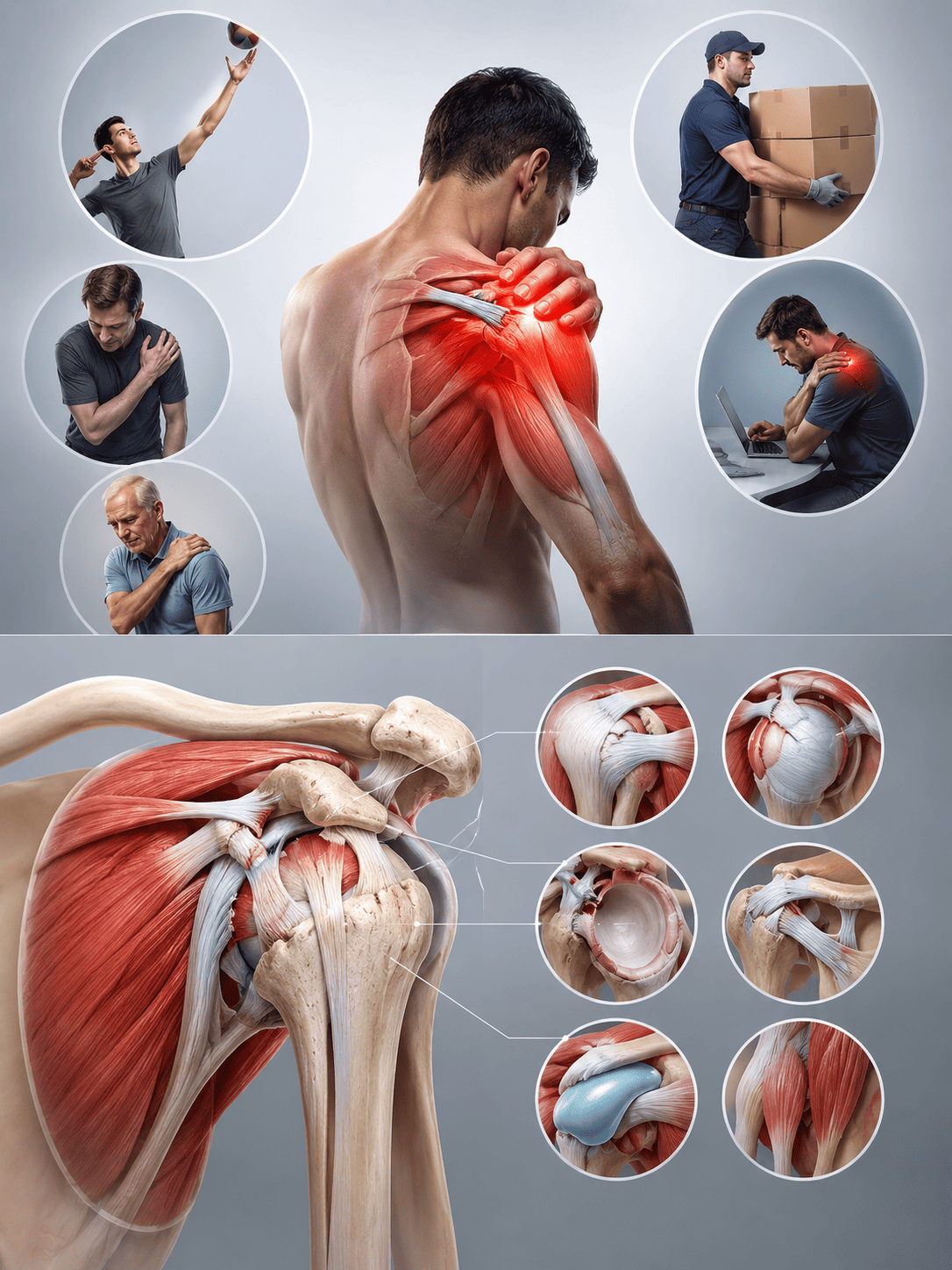
Shoulder muscle and tendon injuries commonly occur as a result of repetitive motions, heavy lifting, sport-related injuries, sudden falls, or weak muscle tissue due to aging. Tendons can degenerate and be susceptible to injury over time. Shoulder injuries may occur instantly during physical activity, or develop gradually due to stress placed on the shoulder muscles and tendons over time.
Activities that lead to shoulder muscle and tendon injuries include:
- Repeated overhead movements during sports or work activities
- Lifting heavy objects without proper shoulder support regularly
- Sudden falls causing direct shoulder muscle strain injuries
- Repetitive workplace tasks placing stress on shoulder tendons
- Aging related tendon weakening affecting shoulder joint stability
What Other Structures Can Be Affected Along with Muscle and Tendon Repair?
The muscles and tendons around the shoulder become affected when they get hurt. This happens since all the components in the shoulder work as an interrelated system; thus, injuries to any of them might cause irritation to other components. As a result, inflammation, weakening, and stress to other shoulder components such as joint structures, cartilage, ligaments, and bursae may occur.
- Rotator cuff tendons
- Shoulder joint capsule
- Glenoid labrum tissue
- Supporting shoulder ligaments
- Bursa surrounding tendons
- Adjacent muscle groups
SYMPTOMS
What are the Symptoms of Muscle and Tendon Repair?
Problems in the shoulder usually begin with pain, muscle weakness, decreased mobility, and difficulty performing activities. Without treatment, tissue damage will progress and result in worsening of the symptoms experienced.

Pain in Shoulder
It can persist or worsen during activities such as lifting, stretching, lying on one side during sleep, or repeated movements of the arms.
Muscle Weakness
Due to injury in shoulder muscles and tendons, an individual will experience muscle weakness that interferes with normal function.
Limited Mobility
Discomfort and stiffness can impair shoulder mobility, interfering with performing regular activities.
Failure to seek prompt treatment results in increased tissue damage, shoulder weakening, limited mobility, and complicates recovery.
Connect with our experts and get the right guidance for your condition.
Reduced Grip Strength
Weakened shoulder muscles affect the functionality of the entire arm.
Night Pain
Pain might persist even at night and while at rest.
Cracking Noise
The movement of the shoulder joint produces cracking noise.
Increased Activity Difficulty
Activities might become unpleasant and difficult.
Connect with our experts and get the right guidance for your condition.
BOOK CONSULTATIONDIAGNOSIS
How Do Doctors Diagnose Muscle and Tendon Injuries?
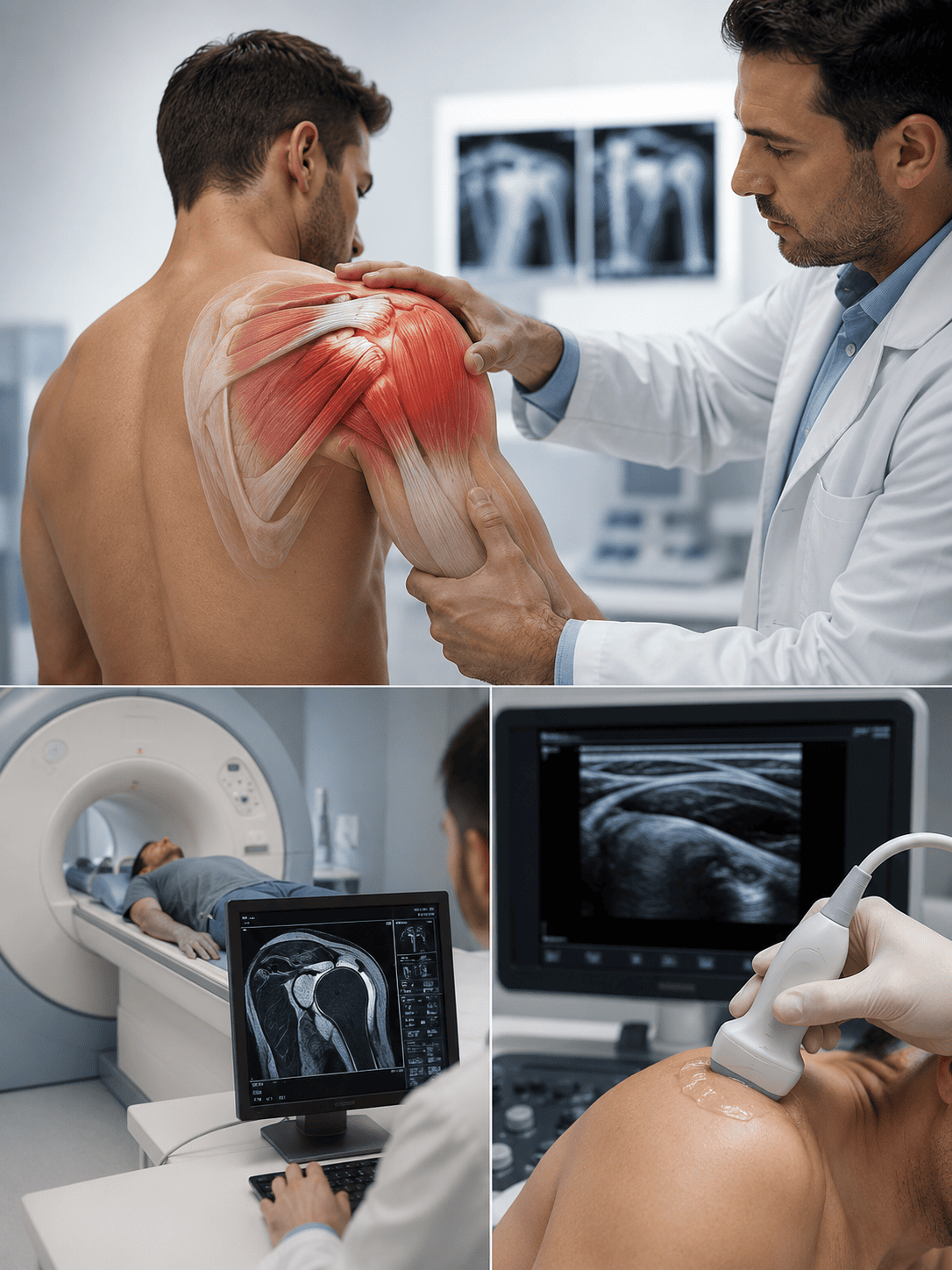
Physicians begin by discussing symptoms, examining past medical records, assessing the movement of the shoulder, its strength, and pain points. They assess the effects of the injury on normal activities and the use of the shoulder. In cases when physicians suspect injuries to the muscles and tendons, they recommend further examinations to diagnose the problem and determine its severity. Accurate diagnosis will assist in choosing the appropriate treatment.
DIAGNOSIS
How Do Doctors Diagnose Muscle and Tendon Injuries?
Physicians begin by discussing symptoms, examining past medical records, assessing the movement of the shoulder, its strength, and pain points. They assess the effects of the injury on normal activities and the use of the shoulder. In cases when physicians suspect injuries to the muscles and tendons, they recommend further examinations to diagnose the problem and determine its severity. Accurate diagnosis will assist in choosing the appropriate treatment.
Muscle and Tendon Repair can be diagnosed using the following methods:
- Physical examination assessing shoulder movement, strength, pain patterns
- Imaging studies confirming tendon damage and tissue condition
• MRI
• Ultrasound
TREATMENT
What is the Treatment for Muscle and Tendon Repair?
The choice of treatment will be guided by the severity of the injury, the duration of symptoms, the shoulder's functioning capabilities, and the extent of any muscle/tendon injuries observed during the assessment.
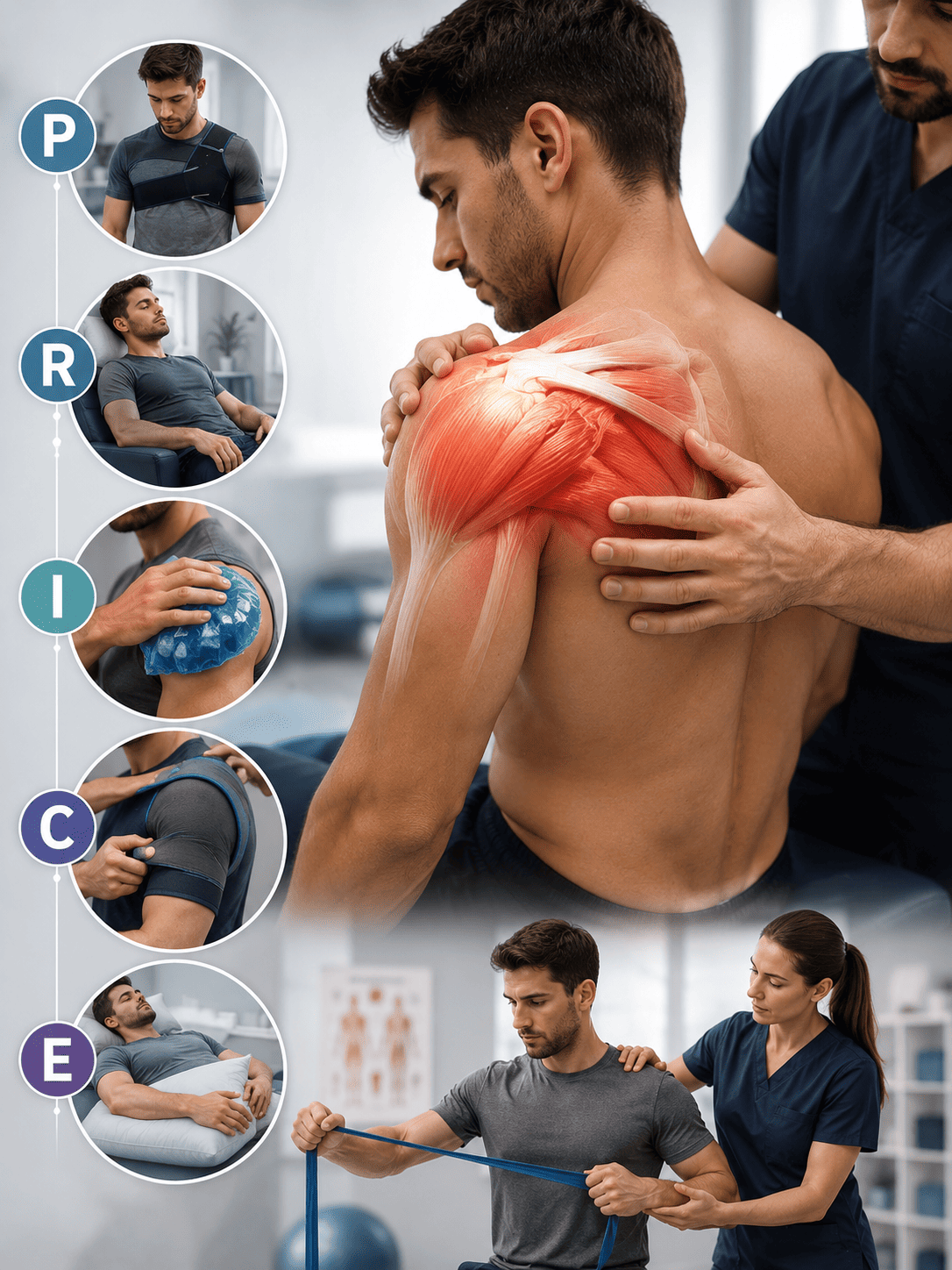
Early treatment will aid in facilitating faster healing and improvement in the functioning capability of the shoulder. An effective recovery strategy, which often follows the PRICE model, is highly beneficial.
P
Protection
Protect injured shoulder tissues
R
Rest
Reduce strain during healing
I
Ice
Control pain and swelling
C
Compression
Provide shoulder support
E
Elevation
Assist recovery when possible
NON-SURGICAL CARE
How is Muscle and Tendon Repair Treated Without Surgery?
However, not all cases of injury to the muscle or tendons require surgical intervention. Mild or moderate cases can recover through adequate rest, altering one’s activity, physical therapy, medications, and other non-surgical methods. Non-surgical interventions work to relieve discomfort, increase mobility in the shoulders, build strength in the muscles, and heal through natural means.
NON-SURGICAL CARE
How is Muscle and Tendon Repair Treated Without Surgery?
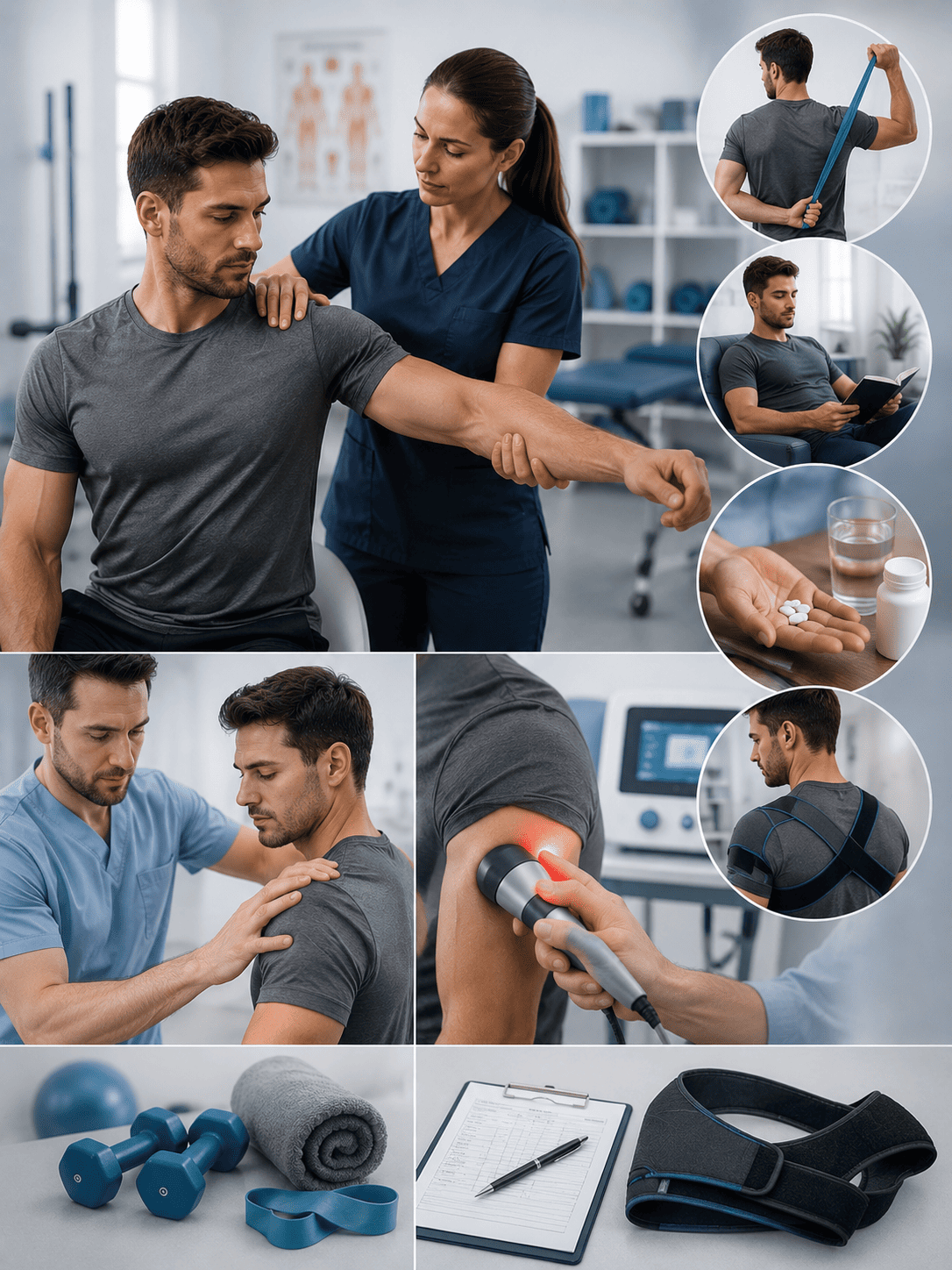
However, not all cases of injury to the muscle or tendons require surgical intervention. Mild or moderate cases can recover through adequate rest, altering one’s activity, physical therapy, medications, and other non-surgical methods. Non-surgical interventions work to relieve discomfort, increase mobility in the shoulders, build strength in the muscles, and heal through natural means.
Non-surgical methods include:
- Physiotherapy programs help strengthen shoulder muscles, improve movement patterns, and support recovery while reducing strain on injured tissues.
- Activity modification reduces repeated shoulder stress, allowing damaged muscles and tendons adequate time to heal naturally.
- Anti-inflammatory medications may help reduce discomfort, swelling, and irritation while supporting participation in rehabilitation exercises.
- Supportive braces or slings may temporarily protect injured tissues while maintaining stability during the early recovery phase.
When Might Surgery Be Needed for Muscle and Tendon Repair?
The injury to muscles and tendons should not be neglected. Failure to treat this type of injury may cause complications in terms of shoulder’s power, mobility, and even functioning in the long term. While many individuals are able to heal their shoulder with conservative treatment options, some cases require a higher level of treatment.
When Might Surgery Be Needed for Muscle and Tendon Repair?
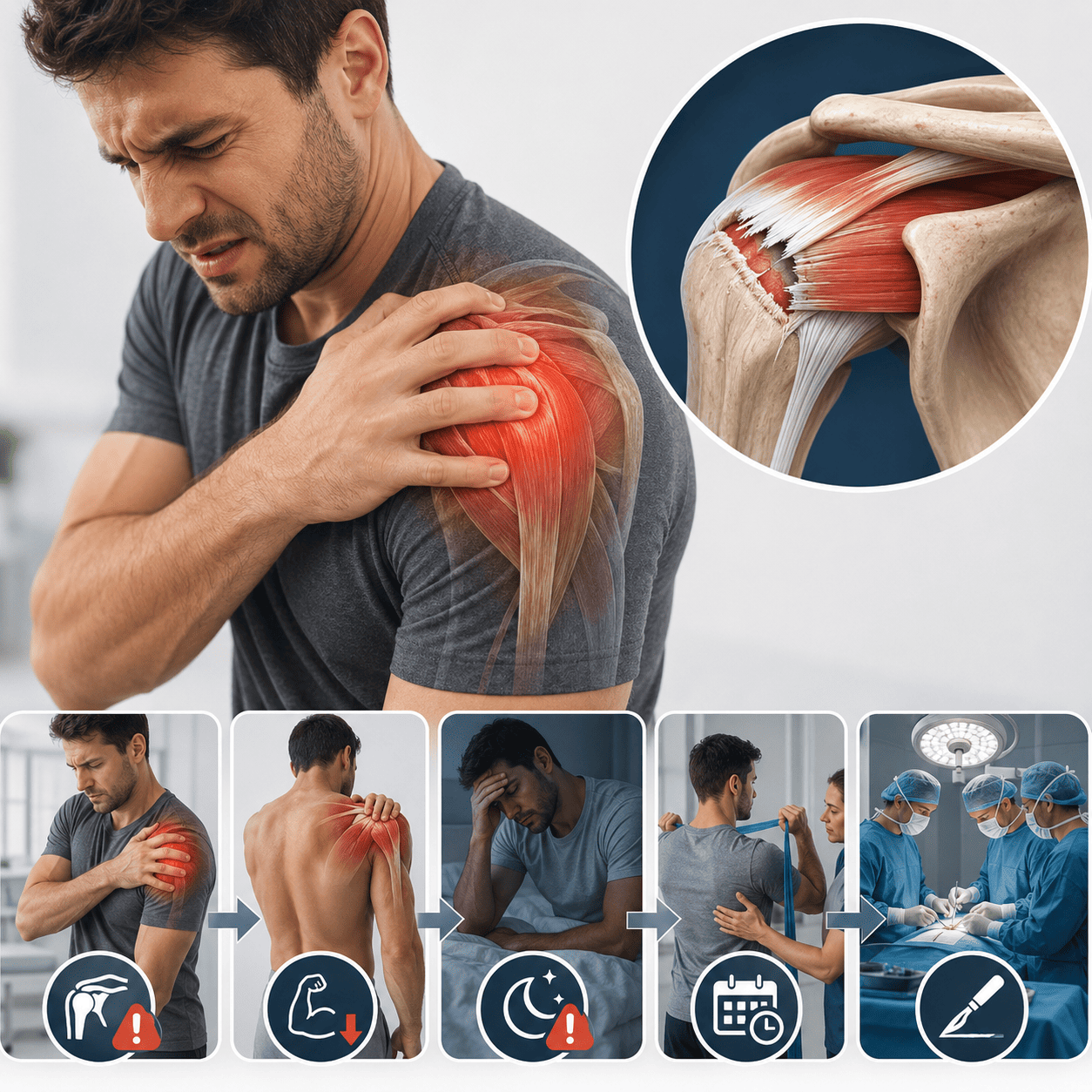
The injury to muscles and tendons should not be neglected. Failure to treat this type of injury may cause complications in terms of shoulder’s power, mobility, and even functioning in the long term. While many individuals are able to heal their shoulder with conservative treatment options, some cases require a higher level of treatment.
Timely treatment helps protect shoulder structures, improve recovery outcomes, and reduce the risk of persistent weakness, stiffness, or further tissue damage.
- Untreated tears may gradually enlarge and become harder to repair
- Ongoing weakness can significantly affect daily shoulder function
- Persistent pain may interfere with sleep and routine activities
- Delayed treatment may increase recovery time and rehabilitation requirements
Surgery or advanced treatment may become necessary when symptoms persist despite conservative care or significant structural damage exists.
SURGERY
What is Arthroscopic Muscle and Tendon Repair?
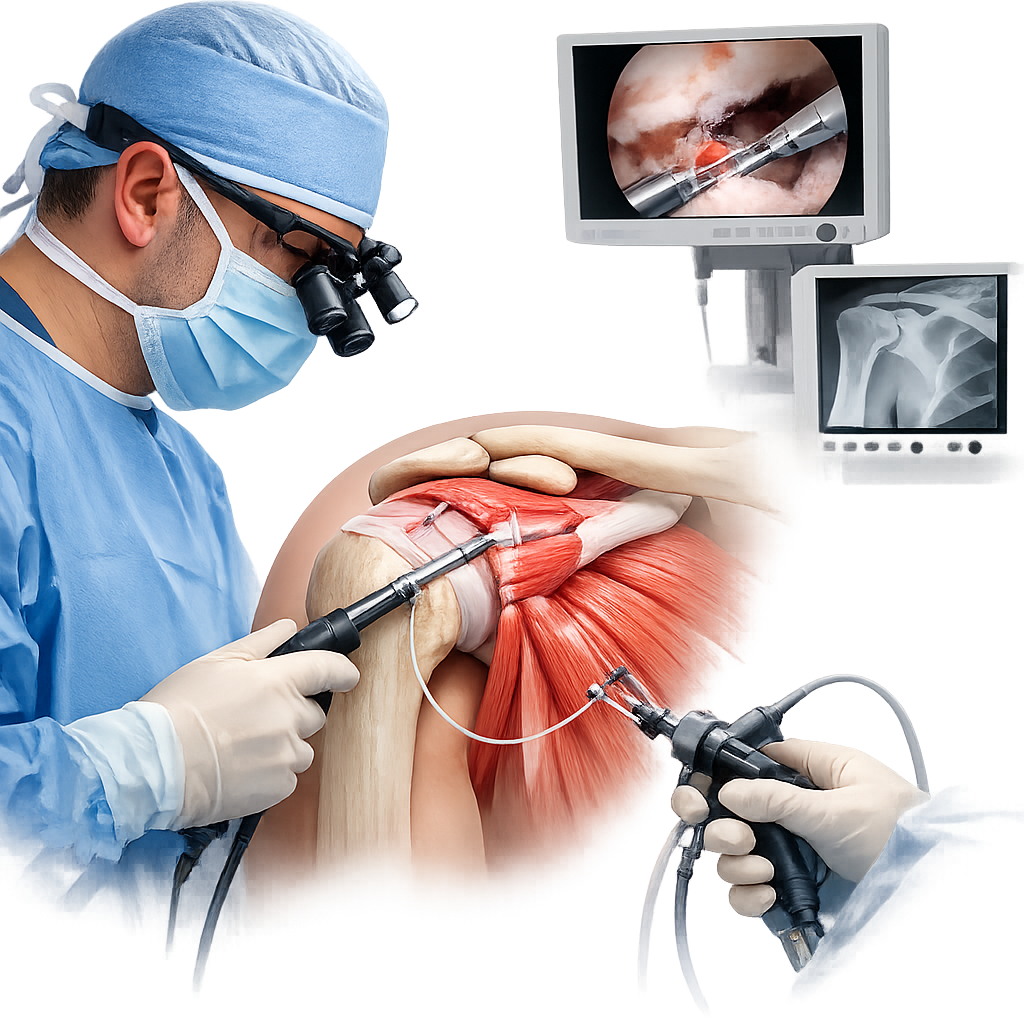
Arthroscopic Muscle and Tendon Repair is a minor surgery performed on the shoulder joint. Arthroscopy allows the surgeon to repair injured muscle or tendon tissue by making several incisions. With the help of surgical instruments and a viewing device, the area can be examined carefully and any injuries repaired. Arthroscopic surgery aims at reducing the pain, increasing the mobility and strength of the shoulder joint, and enhancing its functionality.
Muscle and Tendon Repair procedure is performed using the following steps and techniques:
- Small incisions are created to access the shoulder joint safely.
- An arthroscope provides detailed visualization of damaged tissues.
• Single-row or double-row repair techniques - Injured tendons and muscles are carefully examined and assessed.
- Damaged tissues are repositioned and secured using specialized anchors.
- Shoulder stability and repair strength are verified before closure.
- Incisions are closed and postoperative recovery instructions provided.
SURGERY
What is Arthroscopic Muscle and Tendon Repair?
Arthroscopic Muscle and Tendon Repair is a minor surgery performed on the shoulder joint. Arthroscopy allows the surgeon to repair injured muscle or tendon tissue by making several incisions. With the help of surgical instruments and a viewing device, the area can be examined carefully and any injuries repaired. Arthroscopic surgery aims at reducing the pain, increasing the mobility and strength of the shoulder joint, and enhancing its functionality.
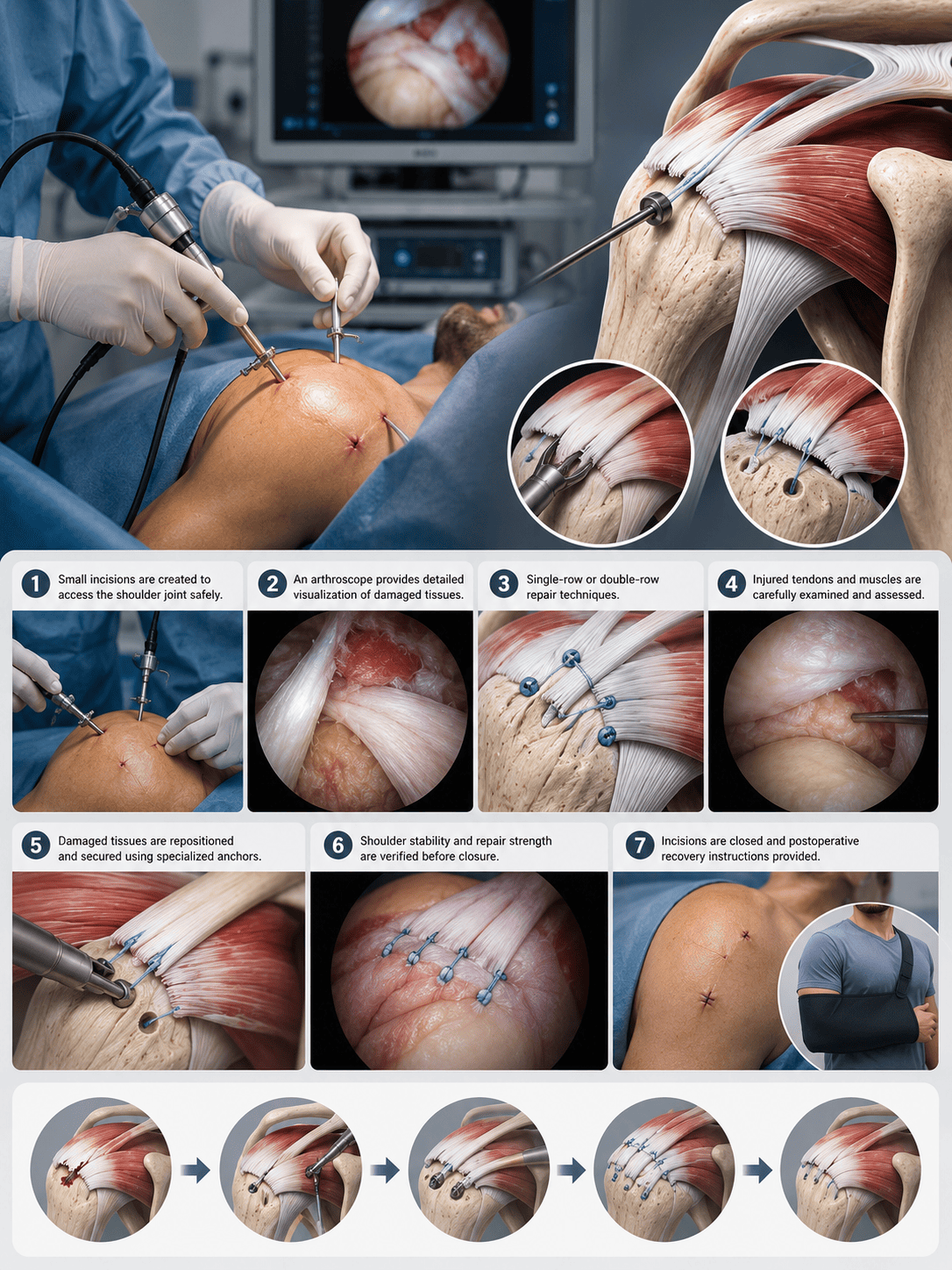
Muscle and Tendon Repair procedure is performed using the following steps and techniques:
- Small incisions are created to access the shoulder joint safely.
- An arthroscope provides detailed visualization of damaged tissues.
• Single-row or double-row repair techniques - Injured tendons and muscles are carefully examined and assessed.
- Damaged tissues are repositioned and secured using specialized anchors.
- Shoulder stability and repair strength are verified before closure.
- Incisions are closed and postoperative recovery instructions provided.
COMPLICATIONS
What are the Possible Complications of Muscle and Tendon Repair or Its Treatment?
Complications may arise, but they are uncommon and may be associated with any injury or procedure on the shoulder. However, most complications can easily be managed if identified early enough and addressed effectively. Compliance with medical instructions, attending follow-ups and conducting appropriate physical therapy will significantly reduce the risks of complications.
Persistent Stiffness
The patient may experience stiffness in the affected shoulder, which can be treated using exercise.
Pain
There is a possibility of pain being persistent in the affected shoulder, but it will fade away gradually.
Failure of Repair
The repair may not be successful in case of severe damage to tissues and additional injury.
Infection
This complication is unlikely but cannot be completely ruled out.
Connect with our experts and get the right guidance for your condition.
RECOVERY & OUTCOMES
What is the Recovery Process after Muscle and Tendon Repair Treatment?
RECOVERY & OUTCOMES
What is the Recovery Process after Muscle and Tendon Repair Treatment?
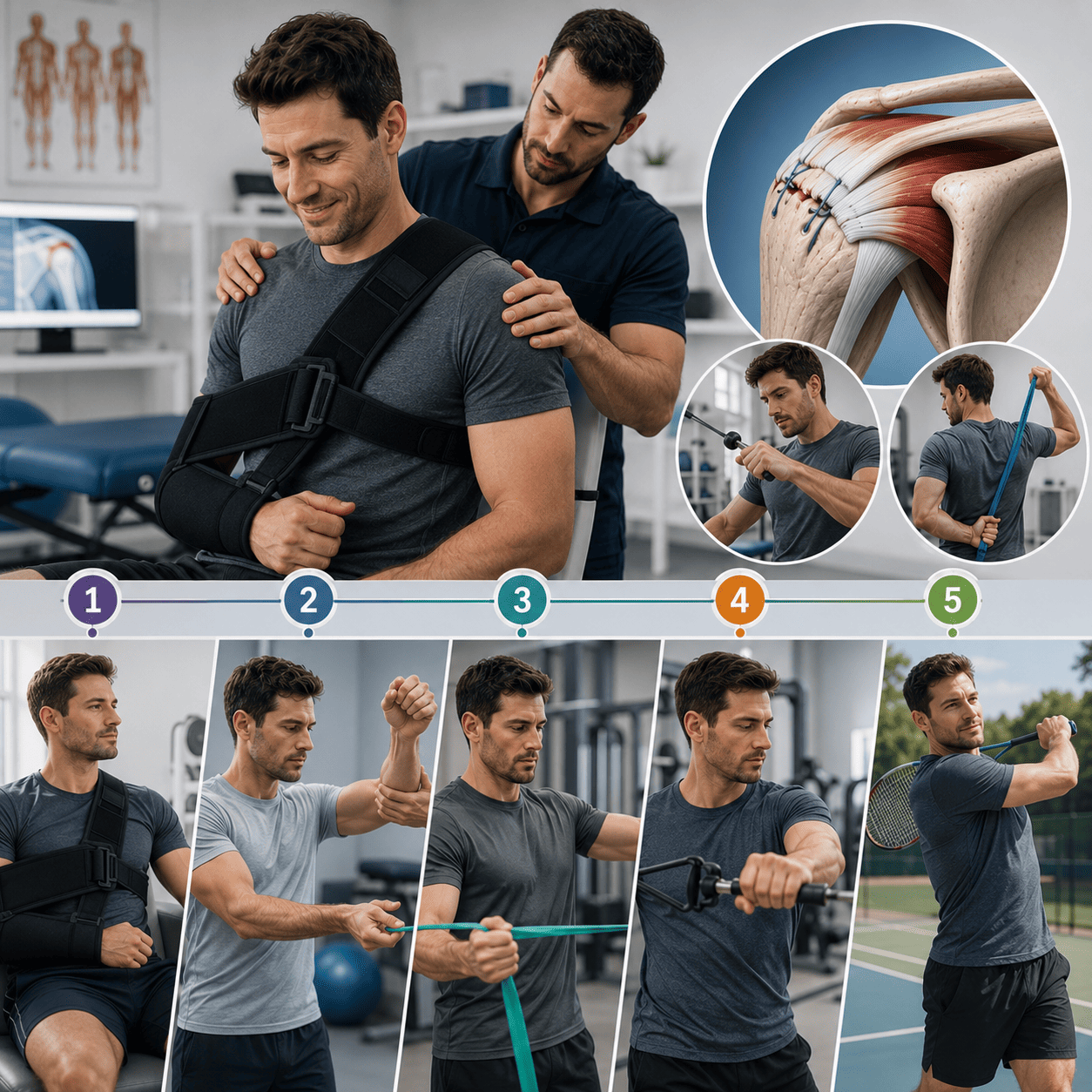
The healing process after the repair of the muscles and tendons is a gradual one which requires patience, follow-up treatments, and physiotherapy. The duration required for the healing process will depend upon the severity of the injury and the treatment methods utilized. The patients are advised to go through the process involving protection, mobilization, restoration of movement, strengthening, and return to activities with a minimal risk of re-injury.
Recovery following Muscle and Tendon Repair normally involves:
- Initial protection using prescribed shoulder support devices
- Gentle movement exercises introduced under professional guidance
- Progressive strengthening of shoulder muscles and tendons
- Structured physiotherapy to improve mobility and function
- Gradual return to activities over several months
AFTERCARE
Recovery & Aftercare for Muscle and Tendon Repair
AFTERCARE
Recovery & Aftercare for Muscle and Tendon Repair
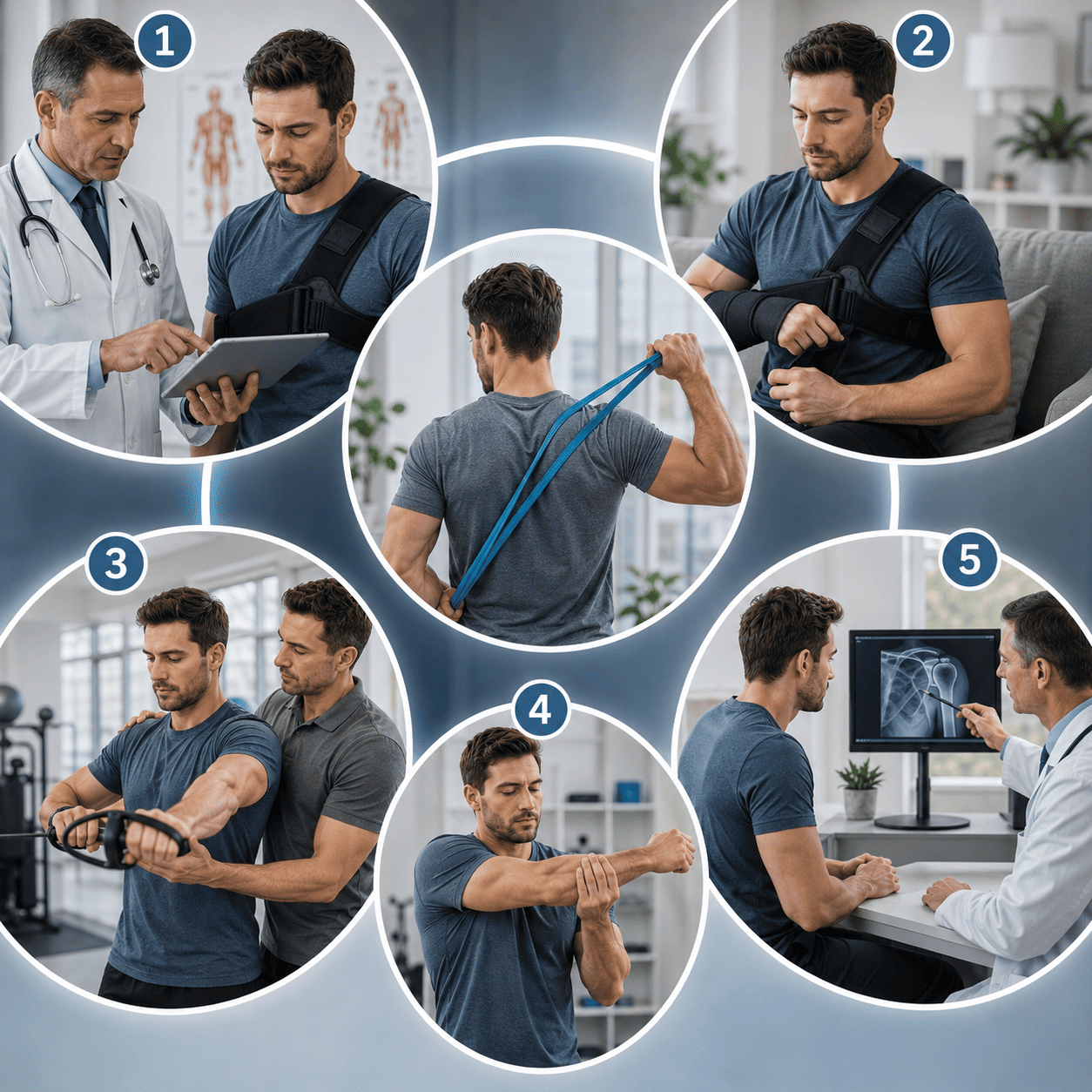
Aftercare is vital in ensuring proper healing after surgery on your tendons and muscles. Rehabilitative processes aid in the healing process, minimize complications, enhance shoulder mobility, and help you get back to normal activities without any difficulties. The following are aftercare tips that may help you recover quickly from your surgery.
Do the following for effective aftercare:
- Follow all postoperative instructions provided by your surgeon
- Use prescribed support devices during recommended recovery periods
- Attend physiotherapy sessions consistently for optimal improvement
- Increase shoulder movements gradually as advised by specialists
- Maintain follow-up appointments to monitor healing progress
FAQ'S
Do You Have Any Question?
Recovery timelines vary by injury severity, but most patients gradually improve through rehabilitation and structured treatment programs.
No, many shoulder muscle and tendon injuries improve successfully through physiotherapy, medications, activity modification, and supportive care.
Return to activities depends on healing progress, treatment type, shoulder strength, and recommendations provided by specialists.
Arthroscopic procedures are commonly performed and generally safe when conducted by experienced specialists using appropriate techniques.
Following rehabilitation plans, activity guidelines, and strengthening programs helps reduce reinjury risk and supports long-term shoulder function.