ARTHROSCOPY & SPORTS INJURY ASSOCIATES


OVERVIEW
What is Osteoarthritis and Cuff Tear Arthropathy?
Osteoarthritis and cuff tear arthropathy are shoulder disorders developing due to wearing out of cartilage within your joint and rotator cuff damage that prevents your shoulder from working normally. In the course of disease progression, you may experience pain, weakening, and stiffness of the shoulder, which will affect your ability to perform any activities.
Important points regarding osteoarthritis and cuff tear arthropathy:
- The conditions affect shoulder joint functions and movement
- Osteoarthritis and cuff tear arthropathy appear because of cartilage and rotator cuff damage
- The symptoms include pain, stiffness, weakness, and limited range of motion
- Proper treatment can help preserve shoulder function
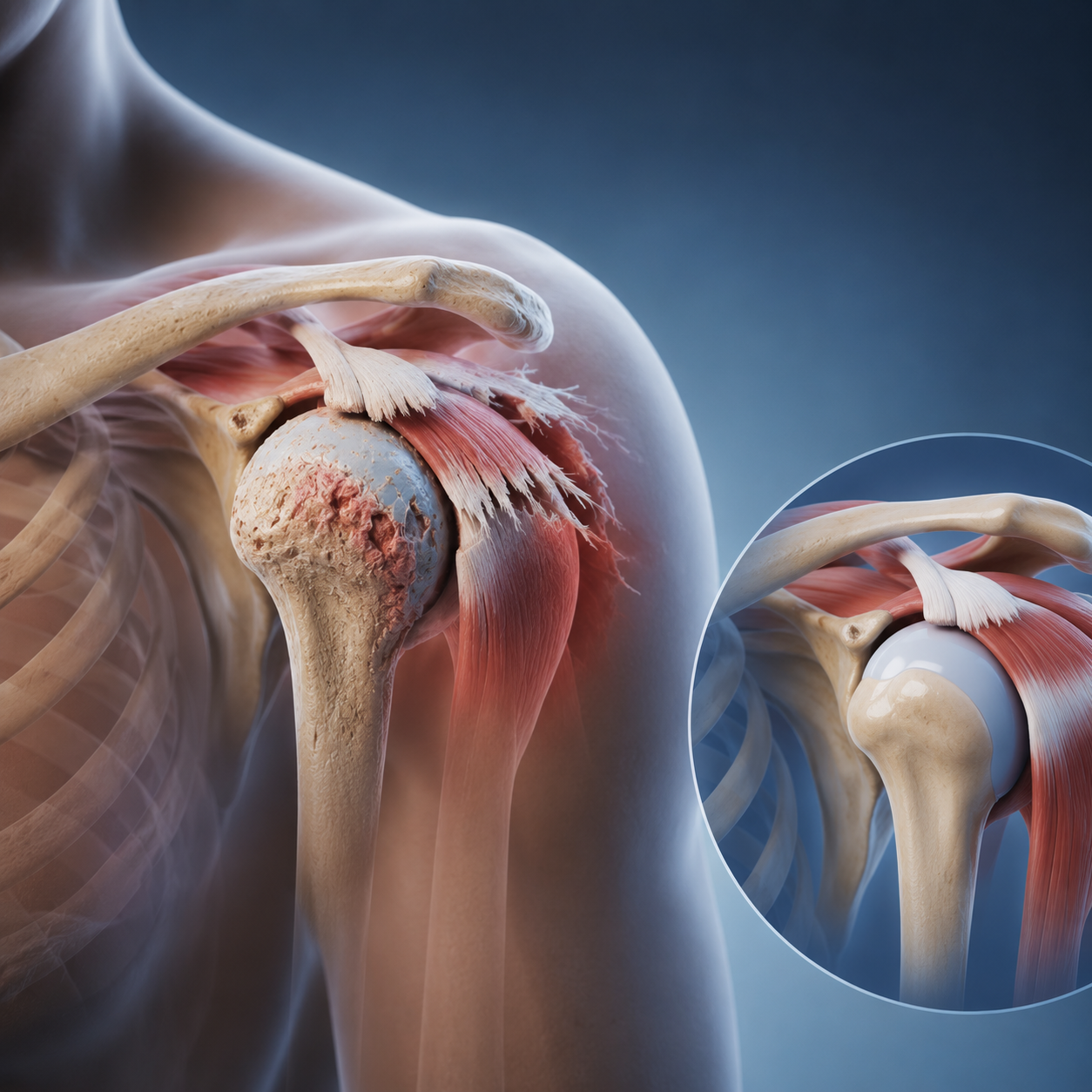
Osteoarthritis and cuff tear arthropathy are shoulder disorders developing due to wearing out of cartilage within your joint and rotator cuff damage that prevents your shoulder from working normally. In the course of disease progression, you may experience pain, weakening, and stiffness of the shoulder, which will affect your ability to perform any activities.
Important points regarding osteoarthritis and cuff tear arthropathy:
- The conditions affect shoulder joint functions and movement
- Osteoarthritis and cuff tear arthropathy appear because of cartilage and rotator cuff damage
- The symptoms include pain, stiffness, weakness, and limited range of motion
- Proper treatment can help preserve shoulder function
Surgeons Available for Consultations
Dr. Karnav Panchal
M.B.B.S, M.S. (Orthopedics),
FAOS (South Korea)
Consultant Arthroscopist & Sports Injury Specialist Consultant Joint Replacement Surgeon

Dr. Aniket Gupta
M.B.B.S, M.S. (Orthopedics),
MRCS (Edinburgh)
Training & Qualifications Fellowship in MRCS (UK) Arthroscopy & Arthroplasty (Milan, Italy)
Consultant Physiotherapist

Dr. Aarsh Bhatt
B.P.T,M.P.T (Cardio-Respiratory Disorders) MIAP , HCPC (UK) , DHA (UAE)
Consultant Physiotherapist

Dr. Hetvi Dimothe
BPT , M.P.T (Rehabilitation) MIAP, HCPC (UK) , DHA (UAE)
Consultant Physiotherapist
Causes
What Causes Osteoarthritis and Cuff Tear Arthropathy?
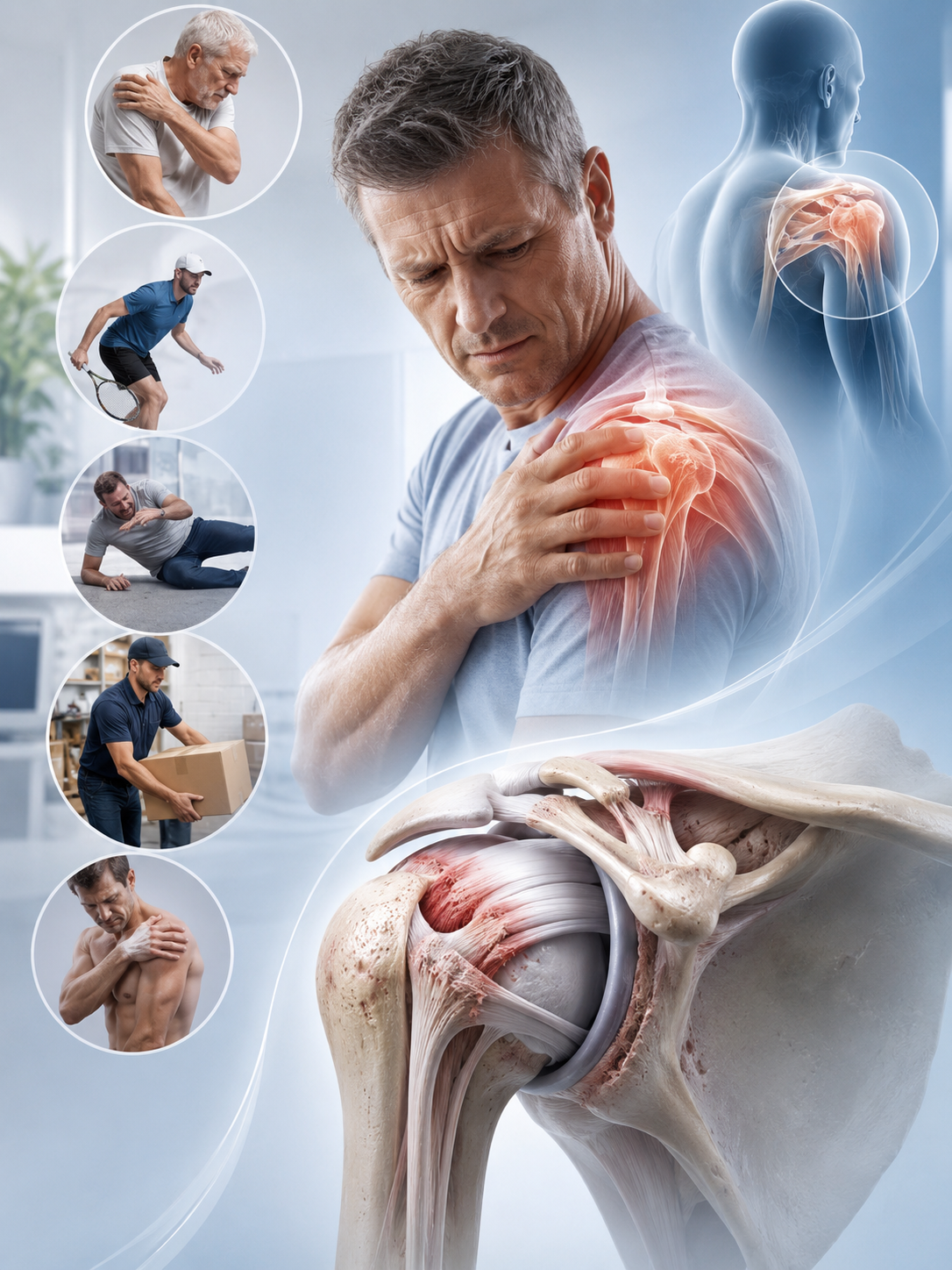
Your joint degeneration and rotator cuff damage that leads to joint instability are likely to be the causes of osteoarthritis and cuff tear arthropathy. However, these disorders can be associated with your age as well as with previous injuries and repetitive shoulder movements.
Causes
What Causes Osteoarthritis and Cuff Tear Arthropathy?
Your joint degeneration and rotator cuff damage that leads to joint instability are likely to be the causes of osteoarthritis and cuff tear arthropathy. However, these disorders can be associated with your age as well as with previous injuries and repetitive shoulder movements.
Your joint degeneration and rotator cuff damage that leads to joint instability are likely to be the causes of osteoarthritis and cuff tear arthropathy. However, these disorders can be associated with your age as well as with previous injuries and repetitive shoulder movements.
The development of osteoarthritis and cuff tear arthropathy is linked with the following:
- Wear out of shoulder joint and supporting structures caused by aging
- Long-term injury of shoulder that can damage joint structures
- Trauma to your shoulder leading to shoulder dysfunction and pain
- Repetitive shoulder movements damaging joint structures
- Untreated rotator cuff tear worsening your joint functioning
Which Structures Can Also Suffer with Osteoarthritis and Cuff Tear Arthropathy?
Your shoulder joint consists of various structures. Because of that, shoulder cartilage deterioration can affect other structures of your shoulder, including those adjacent to shoulder joint.
Structures of the shoulder potentially affected with osteoarthritis and cuff tear arthropathy include:
- Rotator cuff tendons
- Shoulder joint capsule
- Glenoid cartilage surface
- Shoulder ligaments
- Shoulder muscles
- Humeral joint surfaces
SYMPTOMS
What are the Symptoms of Osteoarthritis and Cuff Tear Arthropathy?
Symptoms are known to develop gradually and become worse over time. You may complain about shoulder pain, weakness, stiffness, and problems performing daily tasks.

Persistent Shoulder Pain
Pain may become progressively worse depending on joint deterioration.
Weak Shoulder
Weakness develops due to rotator cuff injury.
Impaired Range of Motion
As the disease progresses, shoulder joint stiffness occurs and you have a limited range of motion in your shoulder.
If you do nothing and ignore symptoms, your shoulder joint degeneration will progress further causing you additional pain and difficulties performing any activity.
Connect with our experts and get the right guidance for your condition.
Joint Stiffness
You have difficulty moving your shoulder freely.
Night Pain
Pain becomes stronger during your night-time.
Grinding and Clicking
You have discomfort during moving your shoulder.
Activity Limitations
Activities become painful and difficult to perform.
Connect with our experts and get the right guidance for your condition.
BOOK CONSULTATIONDIAGNOSIS
How Do Doctors Diagnose Osteoarthritis and Cuff Tear Arthropathy?
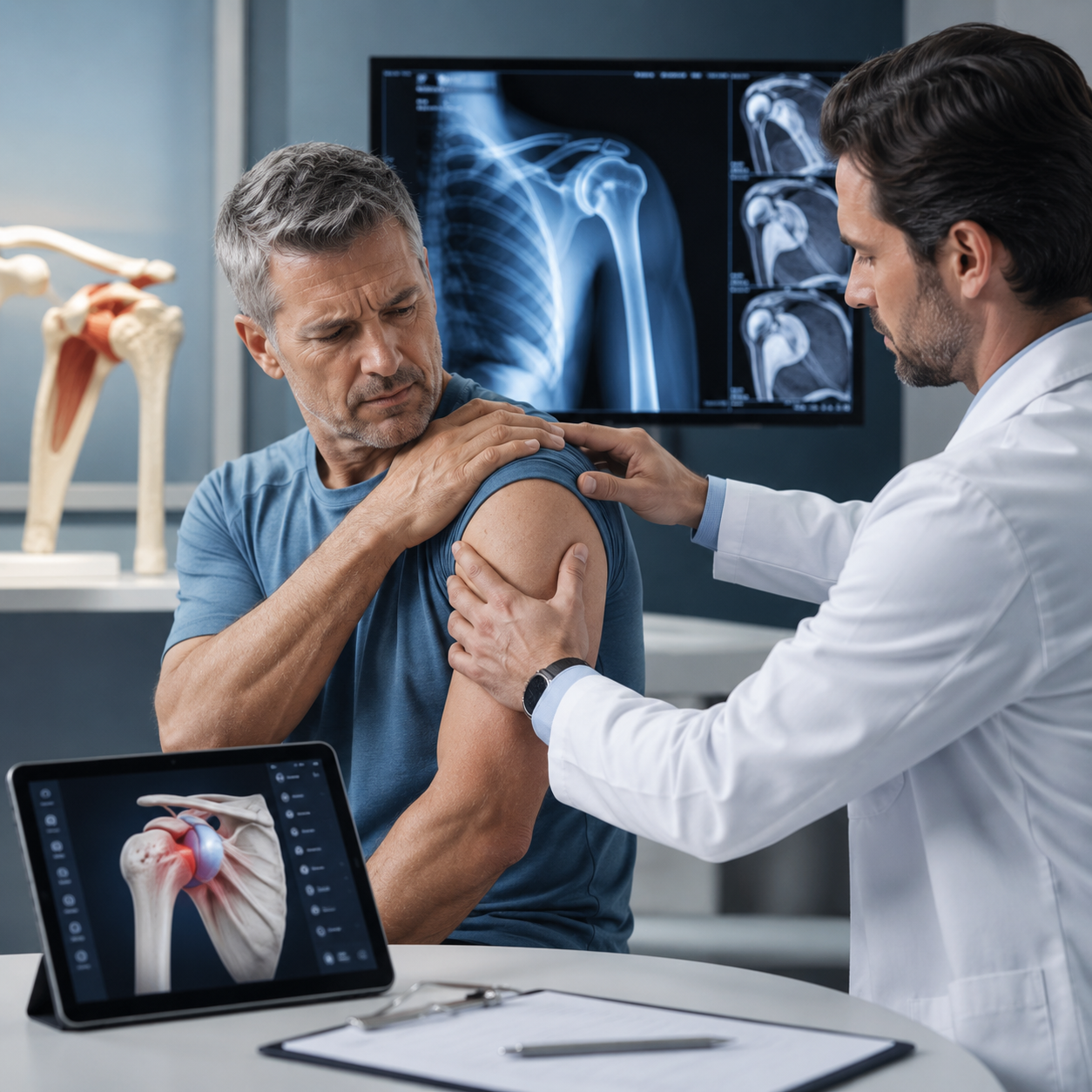
Doctors begin examining shoulder symptoms, medical history, and shoulder joint. Your shoulder movement, muscle strength, and joint stability are evaluated during the examination. Besides, doctors analyze how pain and joint stiffness affect your daily activities and whether your shoulder joint deteriorates and suffers from any rotator cuff disorder. If needed, imaging tests are suggested to confirm the diagnosis.
DIAGNOSIS
How Do Doctors Diagnose Osteoarthritis and Cuff Tear Arthropathy?
Doctors begin examining shoulder symptoms, medical history, and shoulder joint. Your shoulder movement, muscle strength, and joint stability are evaluated during the examination. Besides, doctors analyze how pain and joint stiffness affect your daily activities and whether your shoulder joint deteriorates and suffers from any rotator cuff disorder. If needed, imaging tests are suggested to confirm the diagnosis.
Diagnostic approaches include:
- Physical examination
- Imaging studies
- X-ray
- MRI
NON-SURGICAL CARE
How is Osteoarthritis and Cuff Tear Arthropathy Treated Without Surgery?
It is possible to avoid surgery if needed. Some people find conservative treatment useful to reduce pain and discomfort, improve their shoulder joint mobility and stability, and maintain shoulder joint functioning and prevent deterioration. Patients can preserve their independence and perform daily activities without any difficulties and pain thanks to appropriate non-surgical care.

NON-SURGICAL CARE
How is Osteoarthritis and Cuff Tear Arthropathy Treated Without Surgery?
It is possible to avoid surgery if needed. Some people find conservative treatment useful to reduce pain and discomfort, improve their shoulder joint mobility and stability, and maintain shoulder joint functioning and prevent deterioration. Patients can preserve their independence and perform daily activities without any difficulties and pain thanks to appropriate non-surgical care.
Non-surgical management techniques involve:
- Physiotherapy programs helping improve shoulder joint mobility, strength of the shoulder muscles, and maintain joint health
- Activity modification aimed at relieving stress from your joints
- Anti-inflammatory medications reducing pain and swelling
- Exercise therapy to improve shoulder joint mobility and prevent future joint damage
When is Surgery Needed for Osteoarthritis and Cuff Tear Arthropathy?
When is Surgery Needed for Osteoarthritis and Cuff Tear Arthropathy?
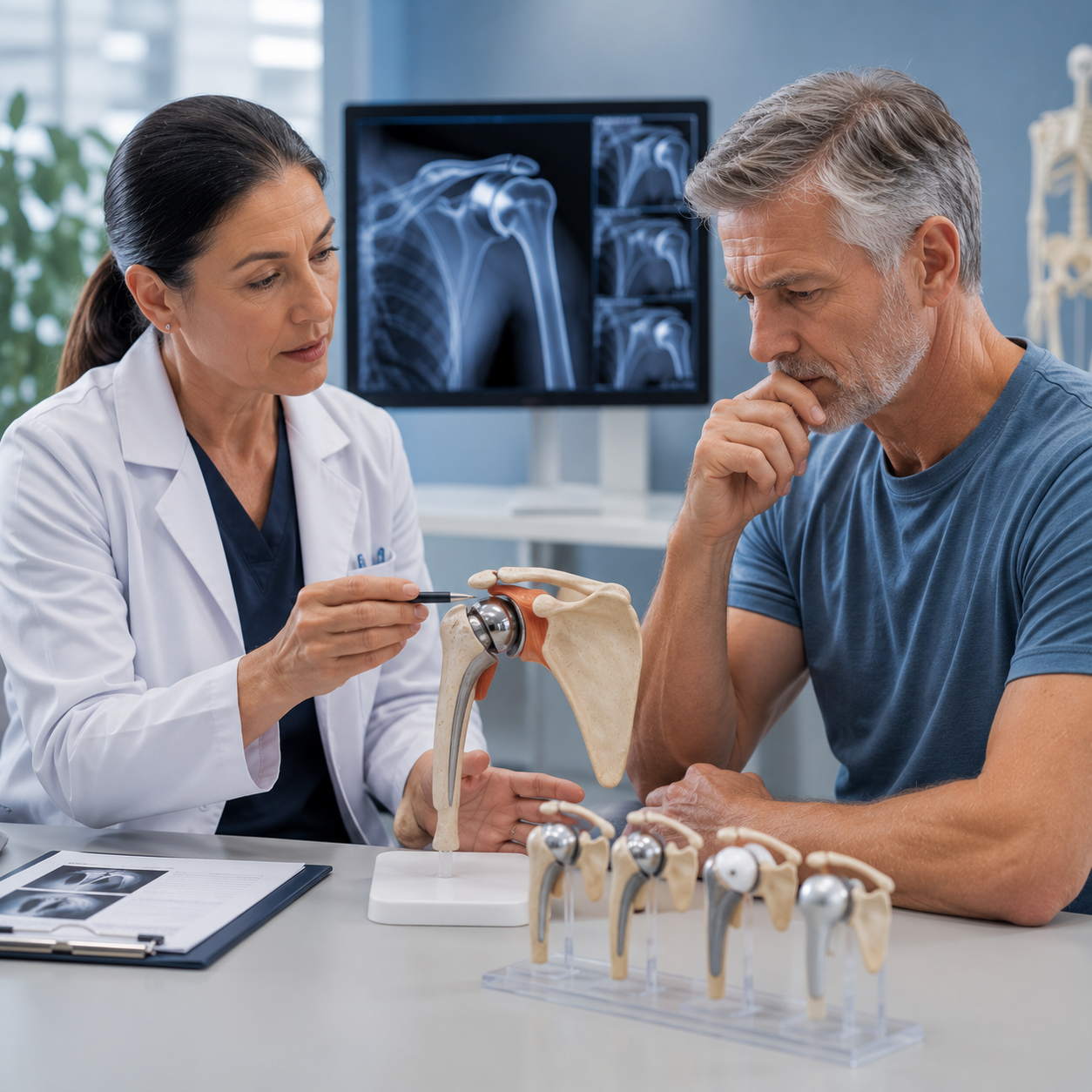
If there are no alternative treatments, then surgery is needed. It is aimed at reducing pain, restoring shoulder joint mobility and functionality, improving your quality of life. It will depend on cartilage and rotator cuff condition, as well as shoulder joint stability and functions.
Potential operations include:
- Arthroscopic shoulder surgery for certain shoulder conditions
- Total shoulder replacement for severe cases
- Reverse total shoulder replacement for cuff tear arthropathy
- Hemiarthroplasty for some joint surfaces requiring replacement
SURGERY
What are the Possible Complications of Osteoarthritis and Cuff Tear Arthropathy or Its Treatment?
Complications are unlikely to occur. If you ignore your shoulder joint degeneration, then you run a risk of suffering from some joint complications. Most complications are manageable and treatable if they appear. It is necessary to consult doctors and follow your aftercare program to avoid any problems and complications.
Complications are associated with:
- Progression of joint wear and joint dysfunction
- Persistent shoulder joint pain limiting daily activities
- Shoulder joint stiffness resulting in limited movement
- Muscle weakness due to rotator cuff injury
SURGERY
What are the Possible Complications of Osteoarthritis and Cuff Tear Arthropathy or Its Treatment?
Complications are unlikely to occur. If you ignore your shoulder joint degeneration, then you run a risk of suffering from some joint complications. Most complications are manageable and treatable if they appear. It is necessary to consult doctors and follow your aftercare program to avoid any problems and complications.
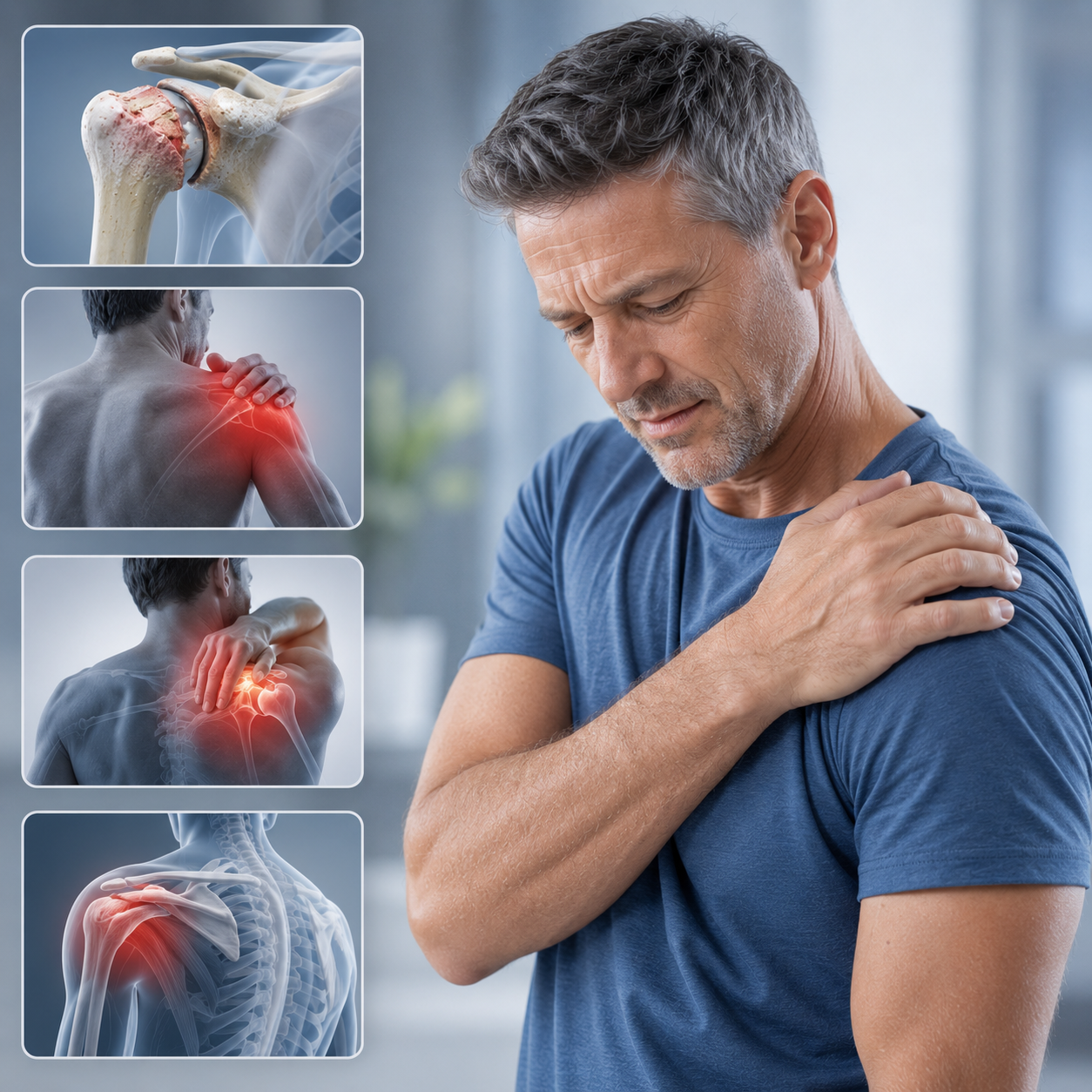
Complications are associated with:
- Progression of joint wear and joint dysfunction
- Persistent shoulder joint pain limiting daily activities
- Shoulder joint stiffness resulting in limited movement
- Muscle weakness due to rotator cuff injury
RECOVERY & OUTCOMES
What is the Recovery Process after Treatment for Osteoarthritis and Cuff Tear Arthropathy?

RECOVERY & OUTCOMES
What is the Recovery Process after Treatment for Osteoarthritis and Cuff Tear Arthropathy?
Treatment may differ. However, your shoulder recovery after osteoarthritis and cuff tear arthropathy is expected to be gradual. If your condition is managed conservatively, then you will recover gradually following physiotherapy programs. You will need some time to regain shoulder function after surgical procedure, as well. It will allow you to reduce shoulder joint pain and restore shoulder joint mobility and muscle strength.
Rehabilitation process involves:
- Pain control and joint protection
- Shoulder joint mobility exercises
- Strengthening shoulder muscles
AFTERCARE
Recovery & Aftercare for Osteoarthritis and Cuff Tear Arthropathy Treatment
AFTERCARE
Recovery & Aftercare for Osteoarthritis and Cuff Tear Arthropathy Treatment
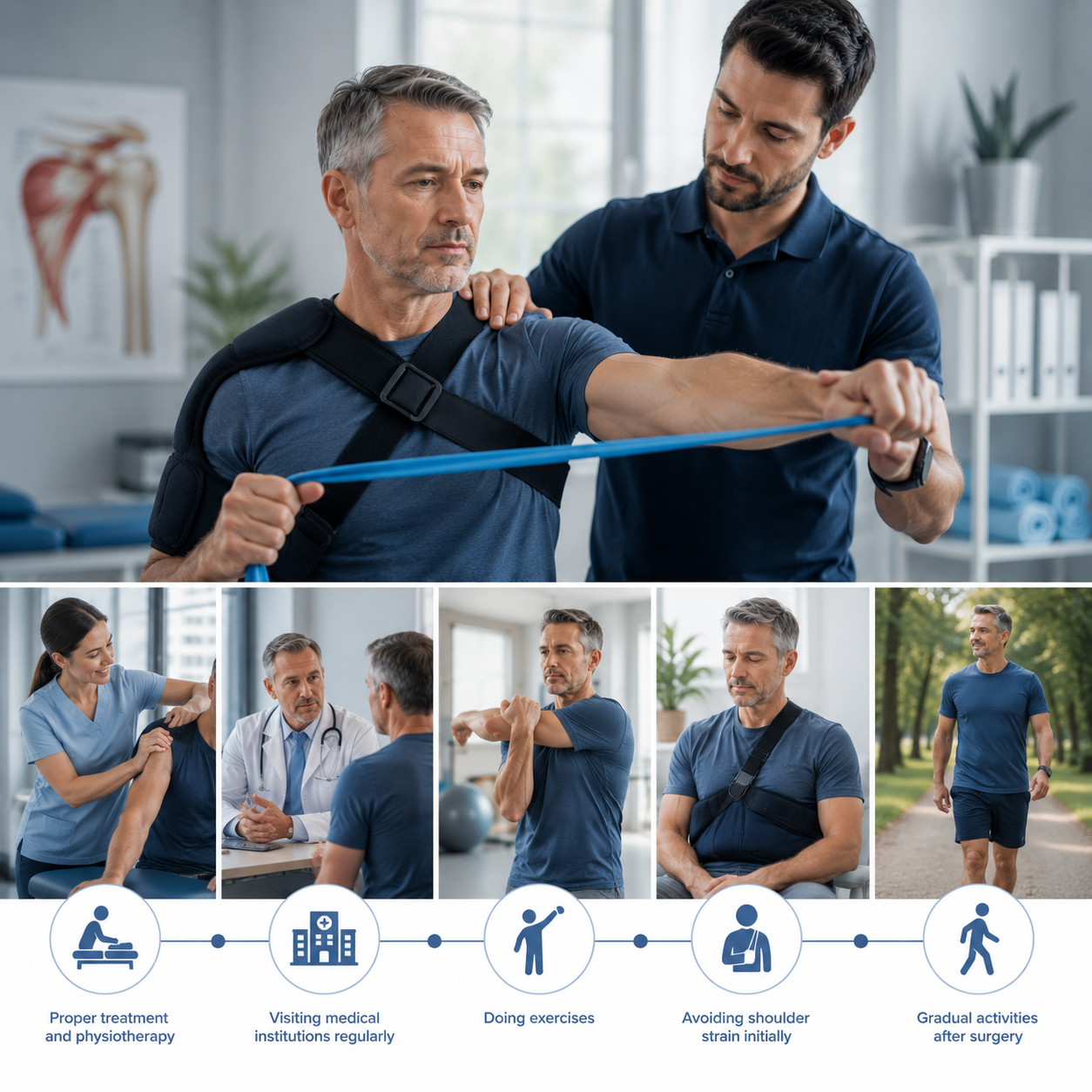
Recovery after surgery or other types of treatment can be promoted using appropriate aftercare program. Physiotherapy is beneficial after shoulder treatment to preserve shoulder joint function and improve mobility. Following recommendations of your doctors after shoulder surgery will help you recover faster and fully.
Recovery aftercare includes:
- Proper treatment and physiotherapy
- Visiting medical institutions regularly
- Doing exercises
- Avoiding shoulder strain initially
- Gradual activities after surgery
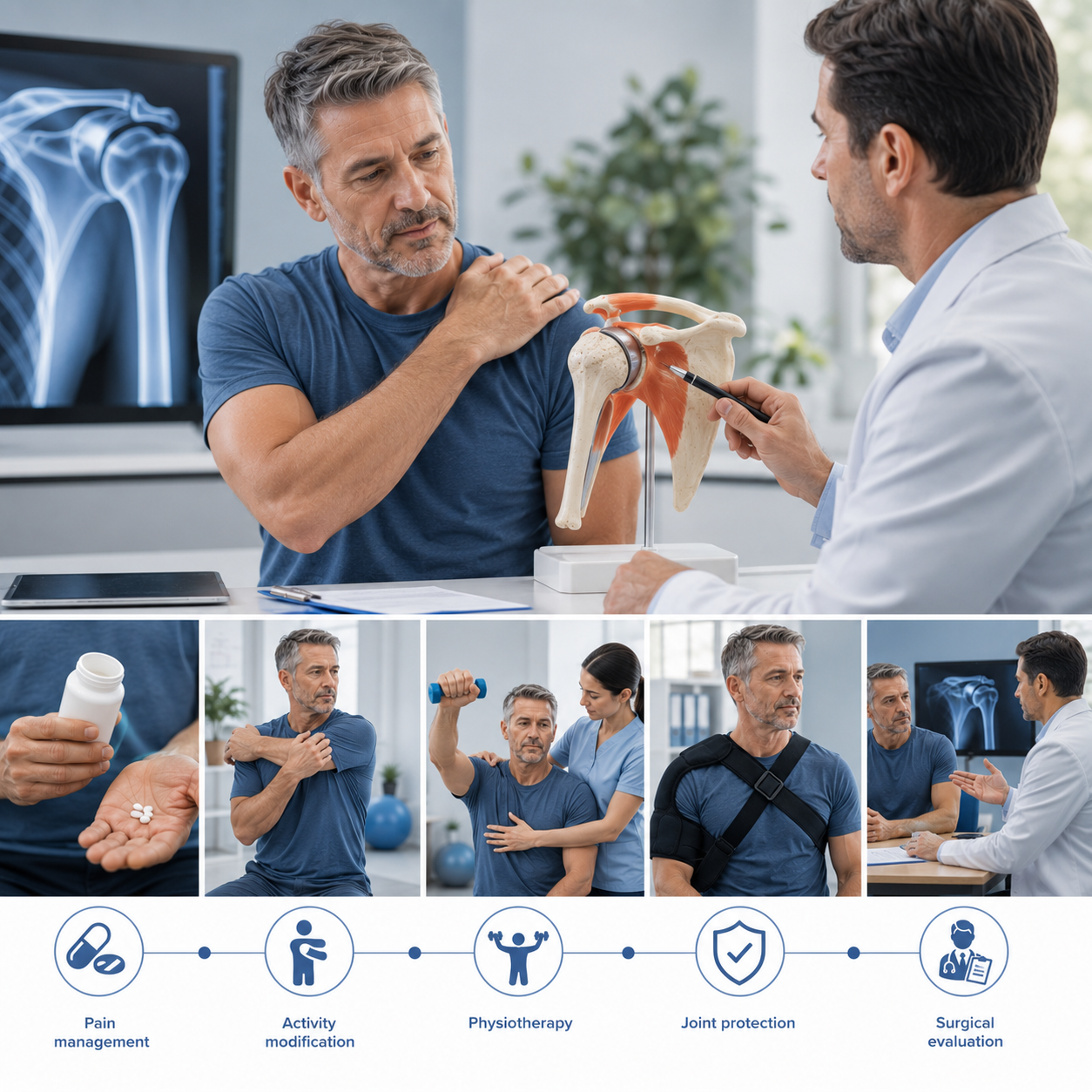
What is the Treatment for Osteoarthritis and Cuff Tear Arthropathy?
Your treatment plan will depend on your symptom severity, shoulder joint damage, cartilage wear, rotator cuff condition, as well as your joint functioning. Appropriate treatment will help reduce symptoms and preserve your shoulder joint function. At ALIGN ASIA, you can get effective treatment to maintain shoulder joint healthy and functional for a long time.
The methods used include:
- Pain management
- Activity modification
- Physiotherapy
- Joint protection
- Surgical evaluation
FAQ'S
Do You Have Any Question?
Yes, if you leave these conditions untreated, the shoulder joint degeneration will become worse. As a result, you will suffer from persistent pain and difficulties moving your shoulder joint.
No. Many people successfully recover from osteoarthritis and cuff tear arthropathy using conservative treatment methods.
Initially, avoid lifting, throwing, and performing other activities causing shoulder strain.
Depending on the chosen method of treatment, shoulder joint condition, and your general health, the recovery may be quick and gradual.
Recovery rate and degree differ greatly for each person.