ARTHROSCOPY & SPORTS INJURY ASSOCIATES


OVERVIEW
What are Shoulder Instability Procedures?
Shoulder Instability Procedures are a set of treatments aimed at restoring shoulder stability in the case of frequent partial or complete joint dislocations caused by any injuries, trauma, repetitive dislocations, etc. Shoulders are dislocated because there are damages to structures responsible for the stabilization. Appropriate treatments will help regain strength and restore your shoulder performance.
Key aspects to understand Shoulder Instability Procedures:
- Restoration of shoulder stability caused by tissue damages;
- Frequently used for repetitive dislocations and instability;
- Improved shoulder performance during various movements;
- Timely treatment will decrease risks of recurrent instability and further joint damage.
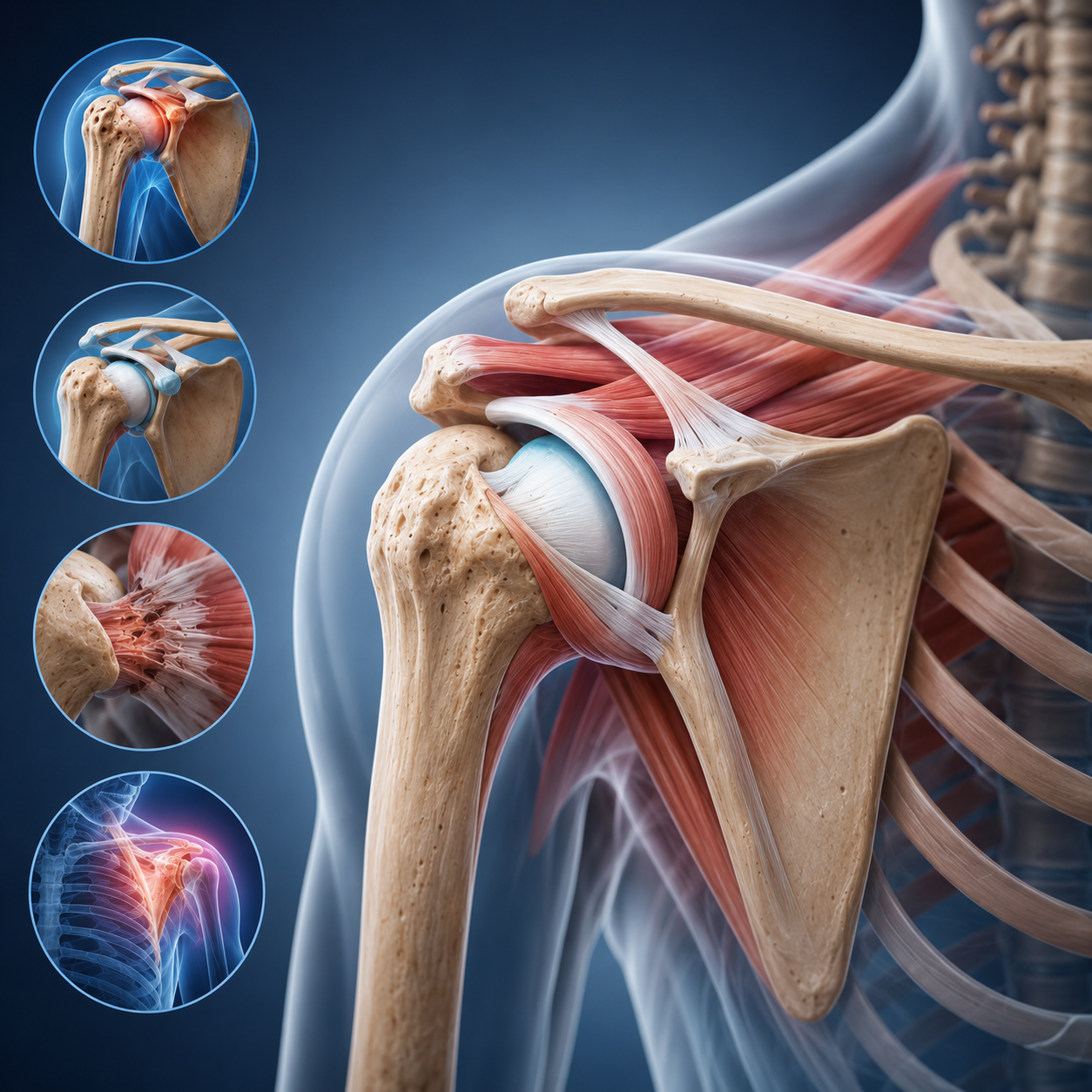
Shoulder Instability Procedures are a set of treatments aimed at restoring shoulder stability in the case of frequent partial or complete joint dislocations caused by any injuries, trauma, repetitive dislocations, etc. Shoulders are dislocated because there are damages to structures responsible for the stabilization. Appropriate treatments will help regain strength and restore your shoulder performance.
Key aspects to understand Shoulder Instability Procedures:
- Restoration of shoulder stability caused by tissue damages;
- Frequently used for repetitive dislocations and instability;
- Improved shoulder performance during various movements;
- Timely treatment will decrease risks of recurrent instability and further joint damage.
Surgeons Available for Consultations

Dr. Karnav Panchal
M.B.B.S, M.S. (Orthopedics),
FAOS (South Korea)
Consultant Arthroscopist & Sports Injury Specialist Consultant Joint Replacement Surgeon

Dr. Aniket Gupta
M.B.B.S, M.S. (Orthopedics),
MRCS (Edinburgh)
Training & Qualifications Fellowship in MRCS (UK) Arthroscopy & Arthroplasty (Milan, Italy)
Consultant Physiotherapist

Dr. Aarsh Bhatt
B.P.T,M.P.T (Cardio-Respiratory Disorders) MIAP , HCPC (UK) , DHA (UAE)
Consultant Physiotherapist

Dr. Hetvi Dimothe
BPT , M.P.T (Rehabilitation) MIAP, HCPC (UK) , DHA (UAE)
Consultant Physiotherapist
Causes
What Causes Shoulder Instability?
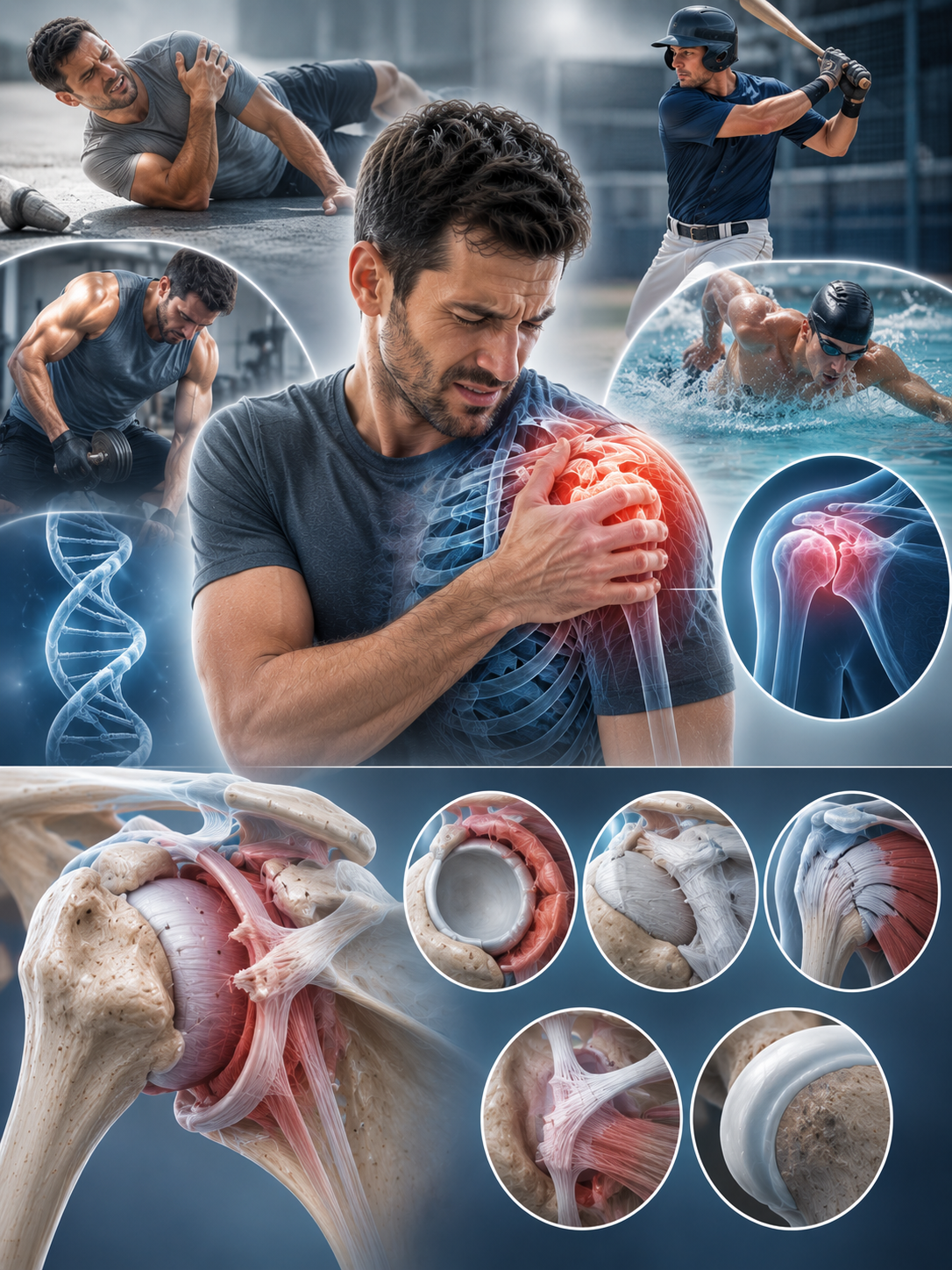
Shoulder instability happens if stabilizing structures become overstretched, torn, damaged. Shoulder injuries, traumatic accidents, repetitive sports practices are among the most common causes. Some patients get shoulders unstable because of repetitive overhead activities that lead to the weakening of tissues and other structural elements that stabilize the joint. Instability makes the joint prone to slip during normal shoulder movements.
Causes
What Causes Shoulder Instability?
Shoulder instability happens if stabilizing structures become overstretched, torn, damaged. Shoulder injuries, traumatic accidents, repetitive sports practices are among the most common causes. Some patients get shoulders unstable because of repetitive overhead activities that lead to the weakening of tissues and other structural elements that stabilize the joint. Instability makes the joint prone to slip during normal shoulder movements.
Factors causing Shoulder Instability:
- Traumatic injuries leading to damages of the stabilizing structures
- Dislocations resulting in loss of shoulder stability
- Overhead sports and other repetitive motions putting strain on shoulder structures
- Labral or ligamentous injuries causing shoulder instability
- Genetic reasons – looser joints than average in general
Which Other Structures Could Be Affected by Shoulder Instability?
In addition to shoulder structures, other components surrounding them could become damaged in the case of shoulder instability. Repeated dislocations or partial dislocations can damage the supporting structures. There can be various types of damages, from slight tears and inflammation to complete ruptures of tendons and other structures.
- Labrum
- Joint capsule
- Rotator cuff tendons
- Supporting ligaments
- Articular cartilage surface
SYMPTOMS
What are the Symptoms of Shoulder Instability?
Patients usually experience symptoms after having shoulder injury or repeated dislocations. The following issues can be listed as the most common symptoms of shoulder instability.

Shoulder Dislocations
Shoulder might frequently become dislocated while moving and performing regular activities like lifting heavy objects.
Shoulder Weakness
Loss of shoulder stability can cause reduced shoulder strength making everyday actions more difficult.
Ignoring these symptoms can cause repeated dislocations, further tissue damages, and worsening shoulder functionality.
Connect with our experts and get the right guidance for your condition.
Loosened Feelings
Patients feel that their shoulder can become dislocated while performing some movements.
Shoulder Pain
Pain can be experienced when the joint moves.
Clicking Sounds
Clicks could appear while moving the affected limb.
Decreased Functionality
Difficulty moving shoulder.
Connect with our experts and get the right guidance for your condition.
BOOK CONSULTATIONDIAGNOSIS
How Do Doctors Diagnose Shoulder Instability?
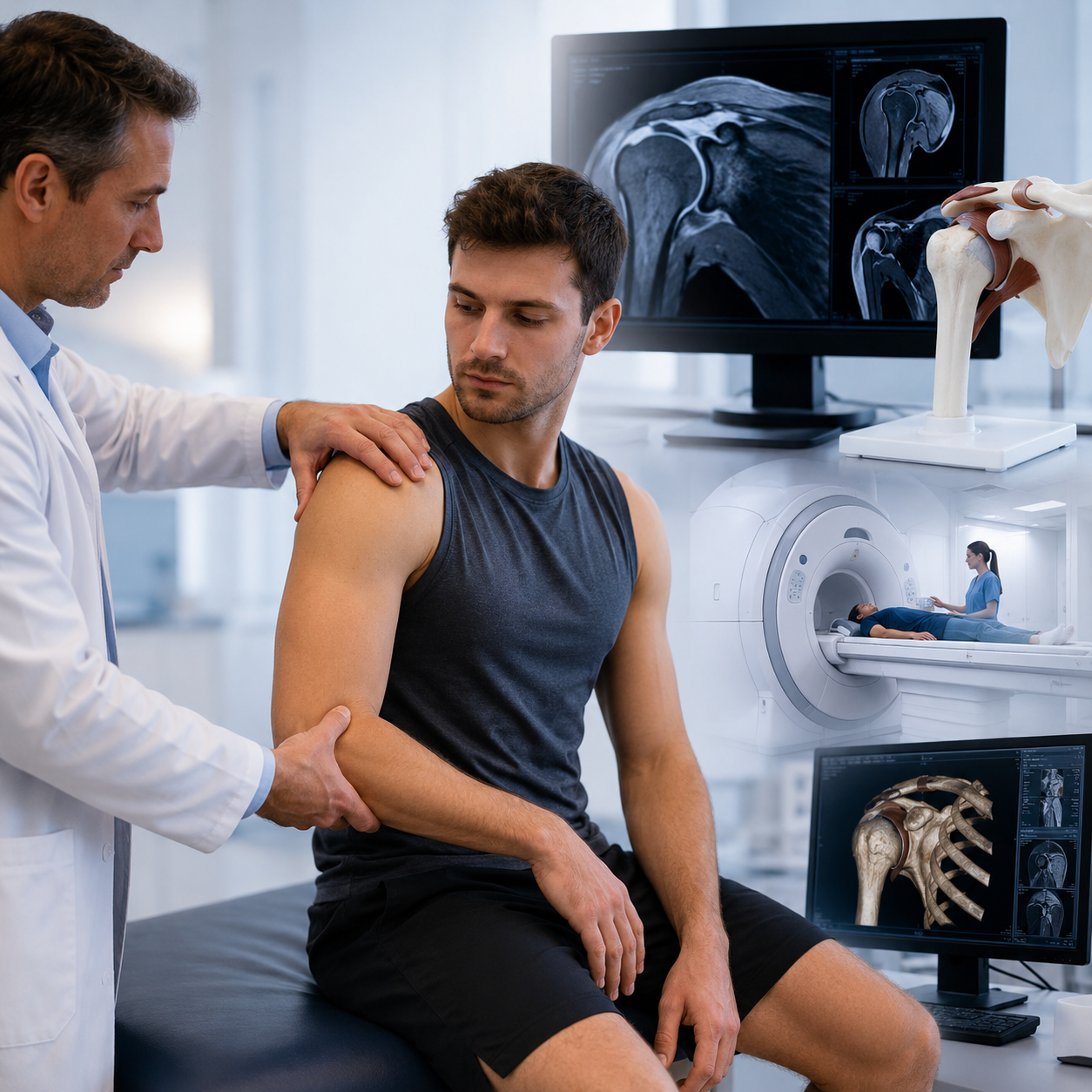
To diagnose the problem correctly, patients' medical histories are reviewed and the presence of dislocations and other signs are examined in detail. The process starts with a physical examination. The next step is ordering imaging studies to examine structures in the shoulder. This diagnosis process takes place at ALIGN ASIA in order to provide better treatments in the future.
DIAGNOSIS
How Do Doctors Diagnose Shoulder Instability?
To diagnose the problem correctly, patients' medical histories are reviewed and the presence of dislocations and other signs are examined in detail. The process starts with a physical examination. The next step is ordering imaging studies to examine structures in the shoulder. This diagnosis process takes place at ALIGN ASIA in order to provide better treatments in the future.
Ways to Diagnose Shoulder Instability:
- Physical exam to check on stability, movement range, strength
- Imaging tests to see possible damages and the degree of instability
- MRI
- CT Scan
TREATMENT
What is the Treatment for Shoulder Instability?
The chosen treatment plan depends on the level of instability, number of dislocations, damages in structures and patients' requirements in terms of shoulder functionality. A proper treatment plan can significantly improve shoulder stability, eliminate symptoms and avoid future shoulder injuries.
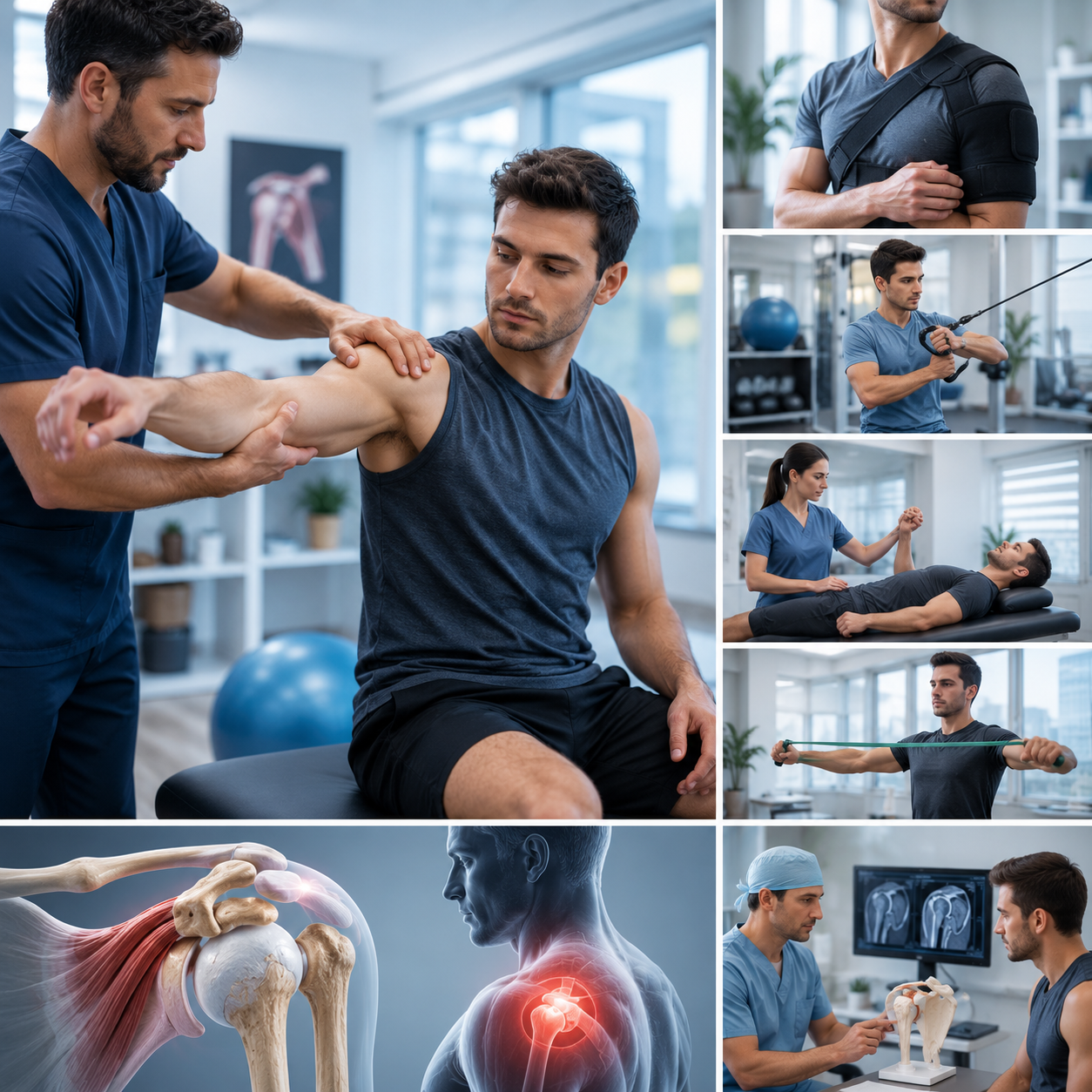
Shoulder Instability Stabilization Protection
Protect the tissues in the affected shoulder
Shoulder Activity Modifications
Prevent joint overloading
Physiotherapy Treatments
Improve muscles control and strength
Shoulder Instability Rehabilitation
Restore functionality
Shoulder Instability Procedures Evaluation
Consider procedures depending on shoulder condition
NON-SURGICAL CARE
How is Shoulder Instability Treated Without Surgery?
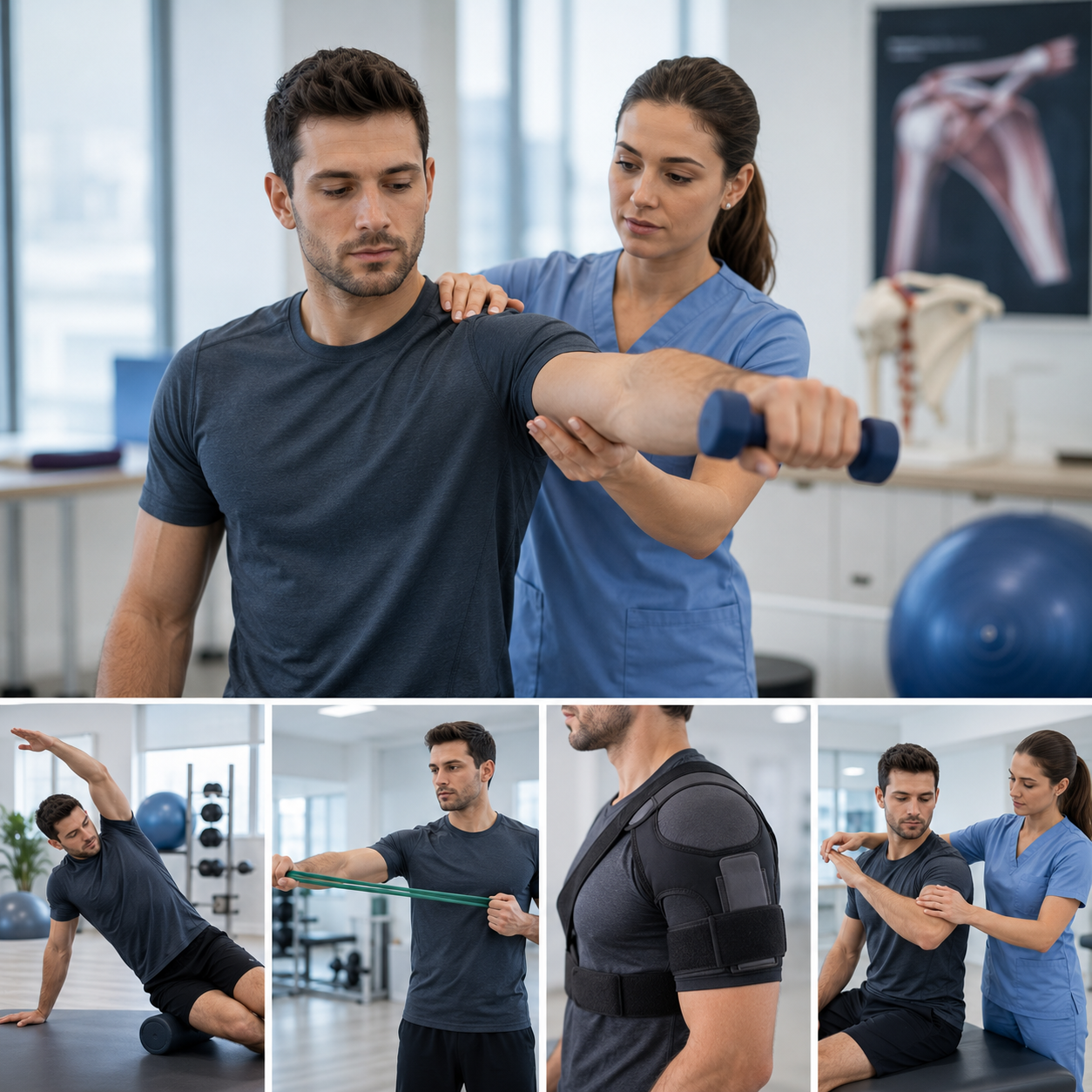
NON-SURGICAL CARE
How is Shoulder Instability Treated Without Surgery?
Not all patients need surgery in order to restore stability. Some people can get stable again by undergoing physiotherapy treatments, undergoing strengthening exercise program, avoiding certain movements and performing a series of rehab exercises. Non-surgical treatment aims at improving joint stability, reducing symptoms and allowing patients to perform their routine activities without difficulties.
Non-Surgical Treatments:
- Physiotherapy to strengthen muscles and control shoulder movements
- Modifications in shoulder movements to reduce instability
- Shoulder rehabilitation to improve mobility and functionality
- Temporary use of supportive shoulder brace
When are Shoulder Instability Procedures Needed?
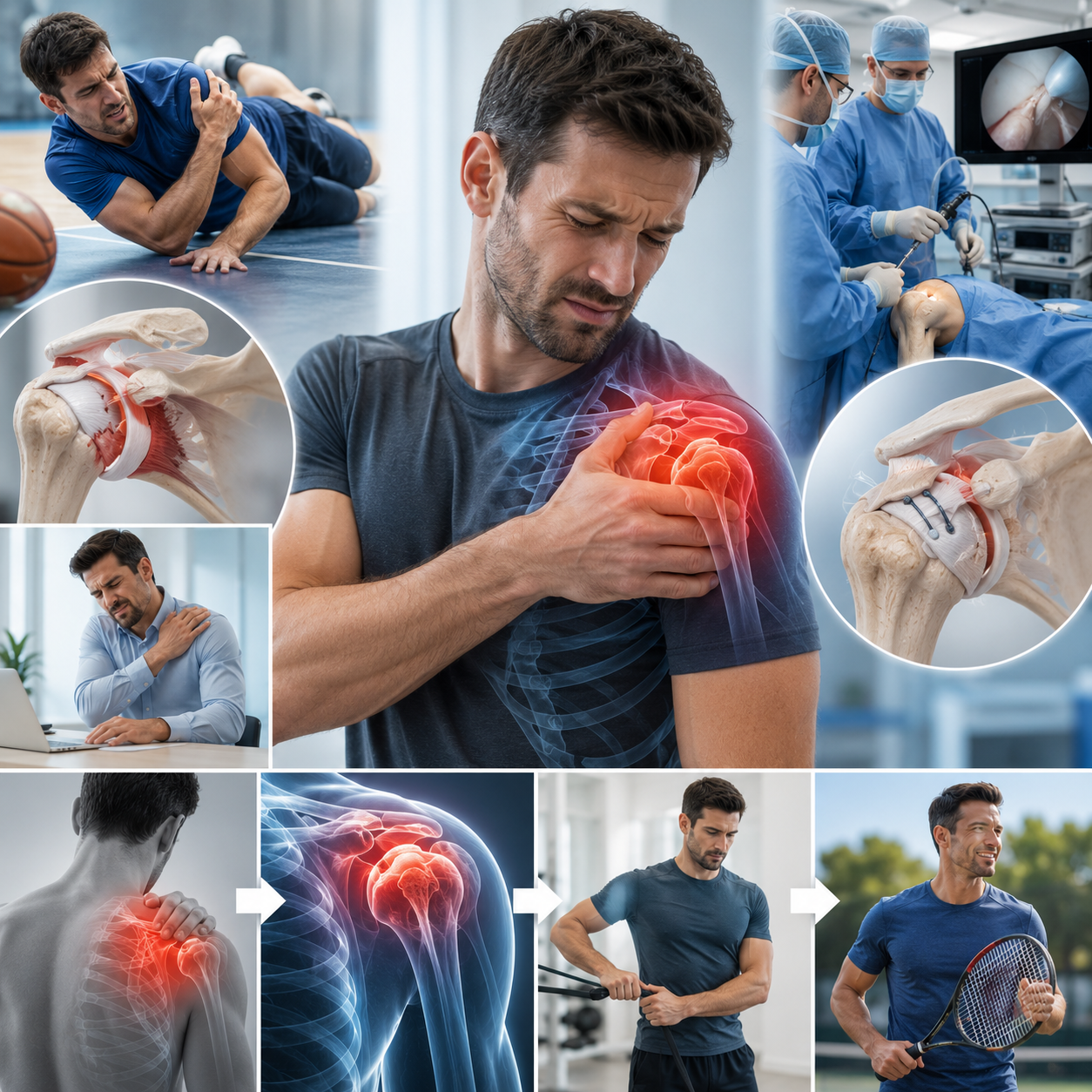
When are Shoulder Instability Procedures Needed?
The condition shouldn’t be ignored. Patients can suffer from repetitive dislocations, pain and reduced stability. If the problem is ignored, it can cause damage to other shoulder structures and reduce joint function even further. Shoulder procedures can be used to treat such cases.
Procedures can help solve such issues as:
- Frequent dislocations damaging surrounding structures
- Loss of shoulder stability affecting movement
- Worsening shoulder function
- Increased risk of shoulder degeneration
SURGERY
What Types of Shoulder Instability Procedures are Available?
If non-surgical treatments are not able to provide adequate shoulder stability, surgery can become an alternative. The choice of surgery depends on particular circumstances, type of shoulder instability and other individual aspects. These procedures can improve joint functionality and decrease the number of future dislocations.
Procedures that can be performed to restore shoulder stability:
- Arthroscopic stabilization to repair stabilizing tissues
- Bankart repair for torn or damaged labrum
- Capsule repair to reinforce and tighten capsule
- Capsule shift procedure for loose joint
- Other stabilization procedures depending on the patient’s situation
- Rehabilitation will remain necessary after surgeries
SURGERY
What Types of Shoulder Instability Procedures are Available?
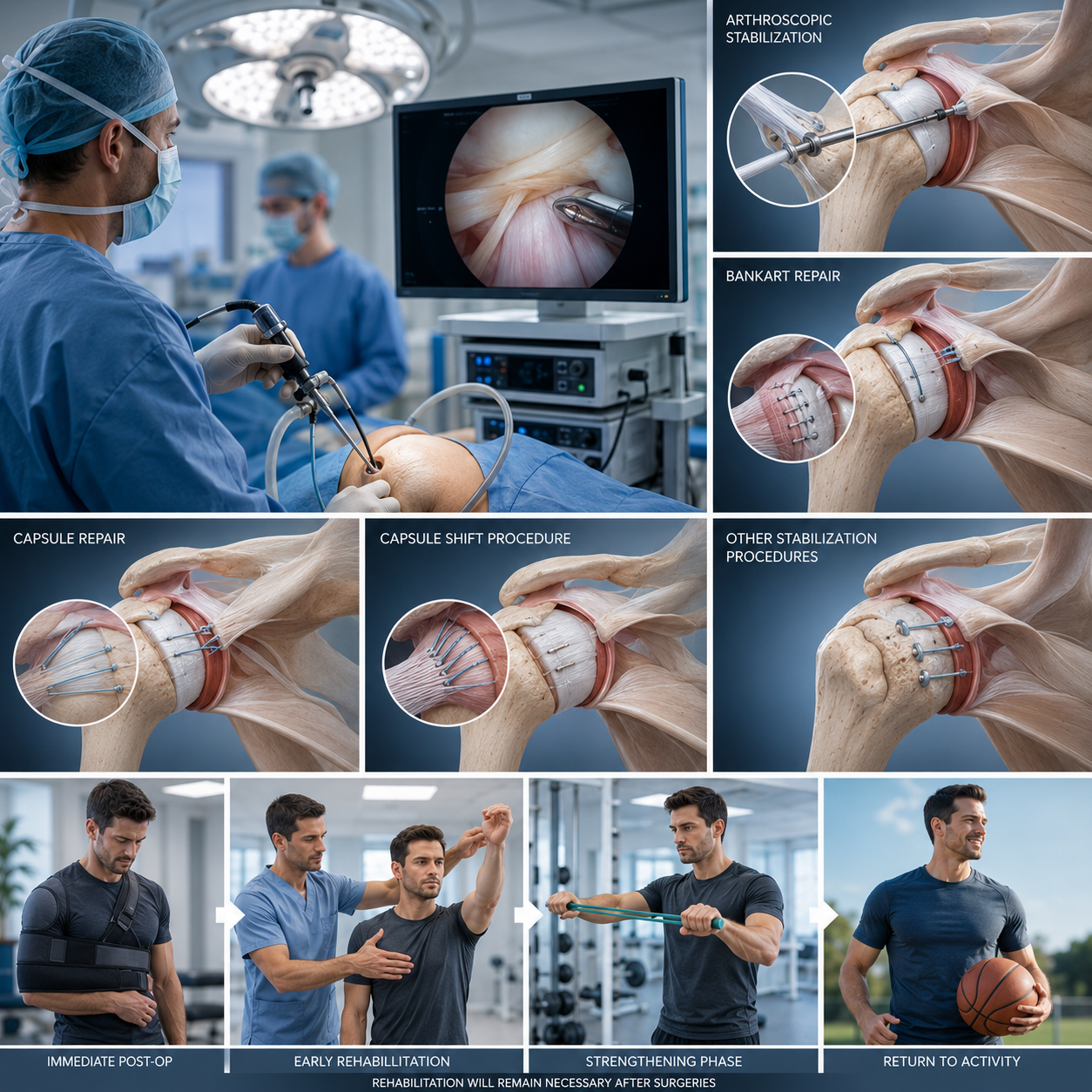
If non-surgical treatments are not able to provide adequate shoulder stability, surgery can become an alternative. The choice of surgery depends on particular circumstances, type of shoulder instability and other individual aspects. These procedures can improve joint functionality and decrease the number of future dislocations.
Procedures that can be performed to restore shoulder stability:
- Arthroscopic stabilization to repair stabilizing tissues
- Bankart repair for torn or damaged labrum
- Capsule repair to reinforce and tighten capsule
- Capsule shift procedure for loose joint
- Other stabilization procedures depending on the patient’s situation
- Rehabilitation will remain necessary after surgeries
RECOVERY & OUTCOMES
What is the Recovery Process after Shoulder Instability Procedures?
RECOVERY & OUTCOMES
What is the Recovery Process after Shoulder Instability Procedures?
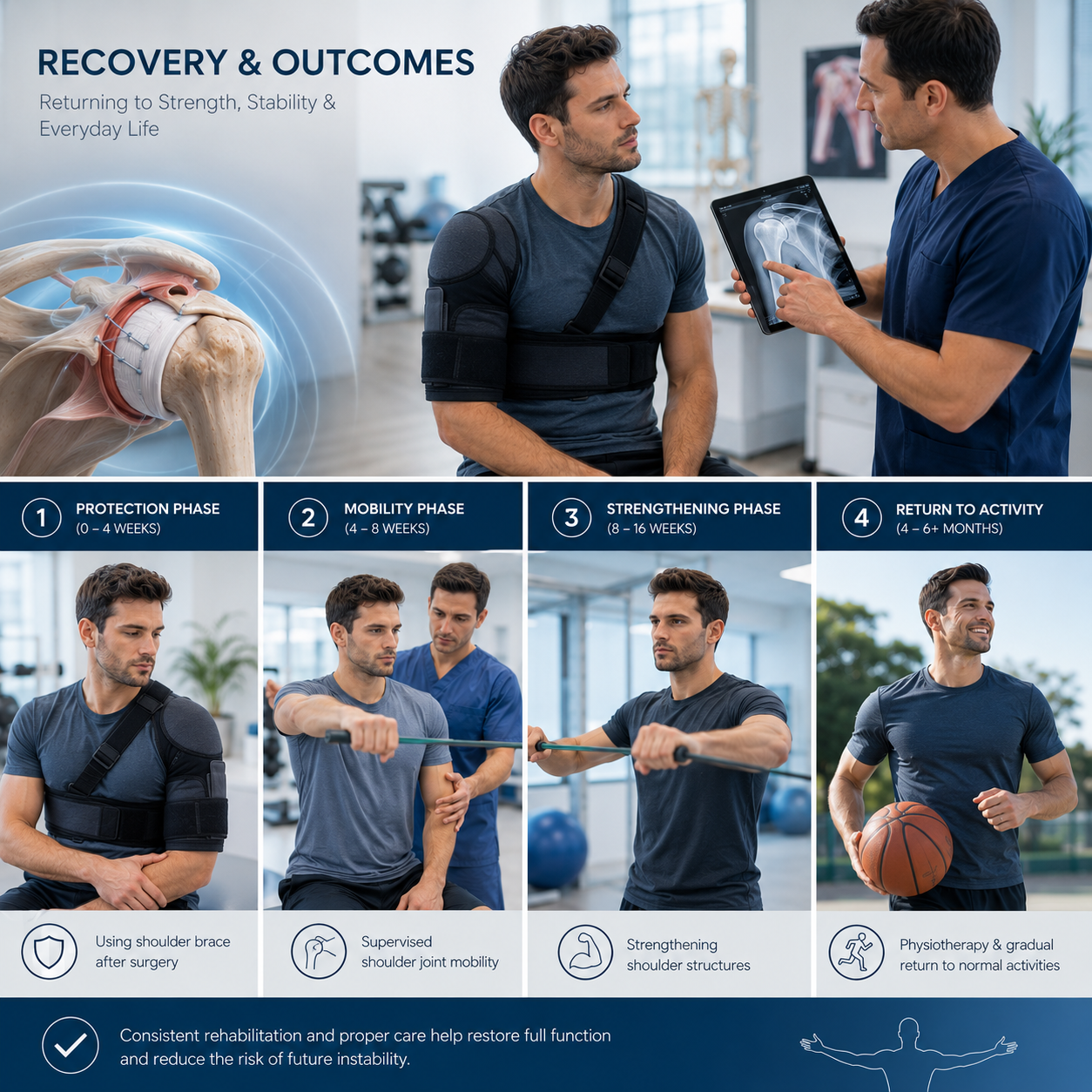
Recovery will require adherence to a rehabilitation plan that includes several stages. Timelines differ depending on particular circumstances, types of procedure, and instability severity. The main goal is restoring shoulder strength and mobility, returning to normal daily life.
Typical recovery stages:
- Using shoulder brace after surgery
- Supervised shoulder joint mobility
- Strengthening shoulder structures
- Physiotherapy
AFTERCARE
Recovery & Aftercare for Shoulder Instability Procedures
AFTERCARE
Recovery & Aftercare for Shoulder Instability Procedures
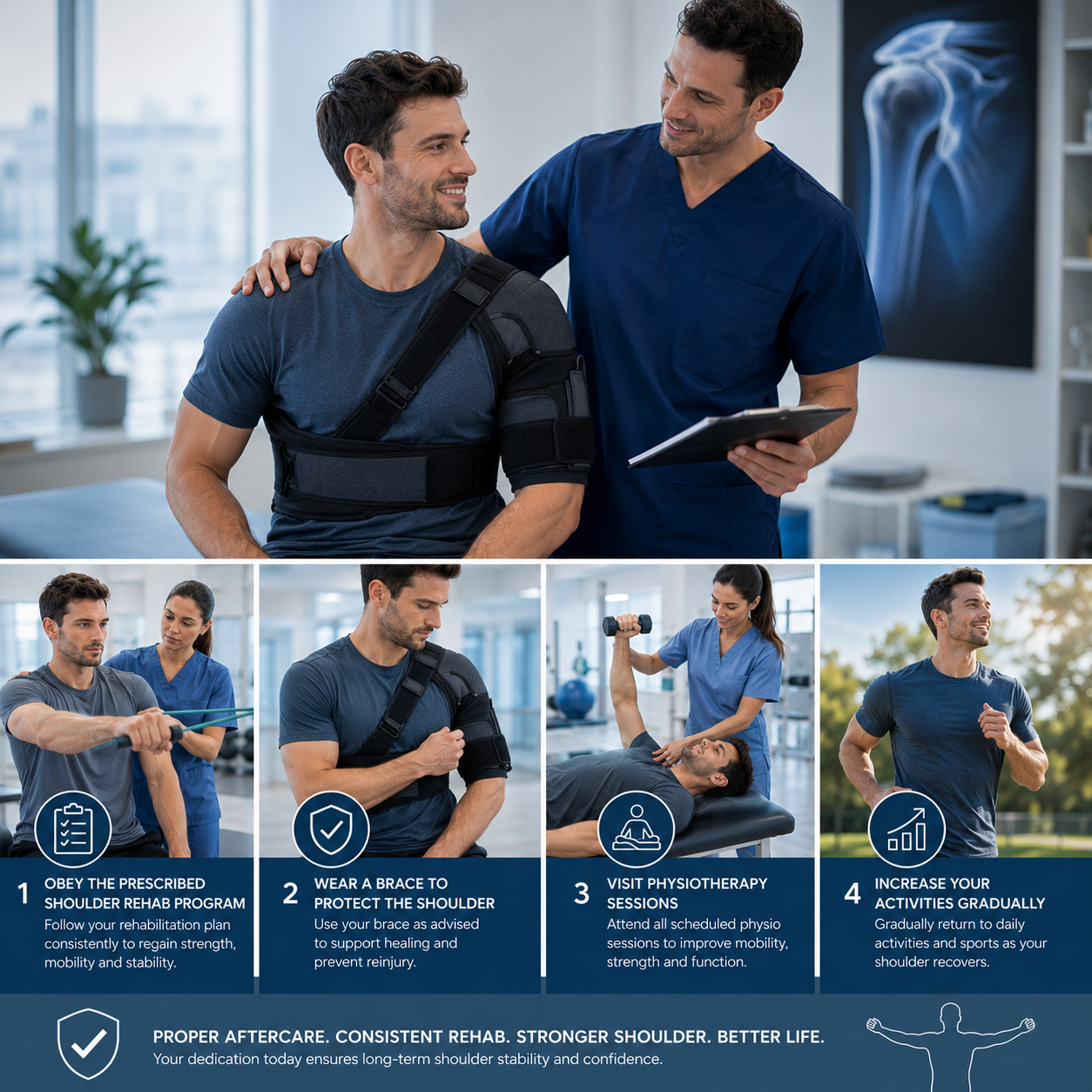
Proper aftercare is necessary for effective recovery and good results in the future. It is essential to follow a rehabilitation program and attend appointments with professionals. Adherence to medical advice and recommendations will help prevent complications and achieve the desired results.
Recommended recovery actions after shoulder instability procedure:
- Obey the prescribed shoulder rehab program
- Wear a brace to protect the shoulder
- Visit physiotherapy sessions
- Increase your activities gradually
What are the Possible Complications of Shoulder Instability or Its Treatment?
There are no complications associated with instability in general. However, ignoring the problem and undergoing ineffective treatment may result in further shoulder issues. With the right course of action, the risks of complications will be minimized.
Complications with instability and its treatments:
- Frequent dislocations and instability
- Ongoing shoulder pain
- Impaired shoulder functionality
- Shoulder joint degeneration

FAQ'S
Do You Have Any Question Please?
Yes, it is possible, especially at the beginning. If instability is diagnosed in the early stage, non-surgical treatments will be efficient enough to restore stability.
Procedures can be used in case of unstable shoulders that have not been treated effectively previously. Patients with frequent shoulder dislocations will need surgeries.
Recovery period differs from case to case. It will depend on particular circumstances and your personal condition.
Sporting events can be resumed after the end of recovery period and obtaining permission from doctor.
Reducing risks of instability is possible by undergoing rehabilitation and keeping shoulder strong and healthy.