
ARTHROSCOPY & SPORTS INJURY ASSOCIATES

OVERVIEW
What is Articular Cartilage Treatment?
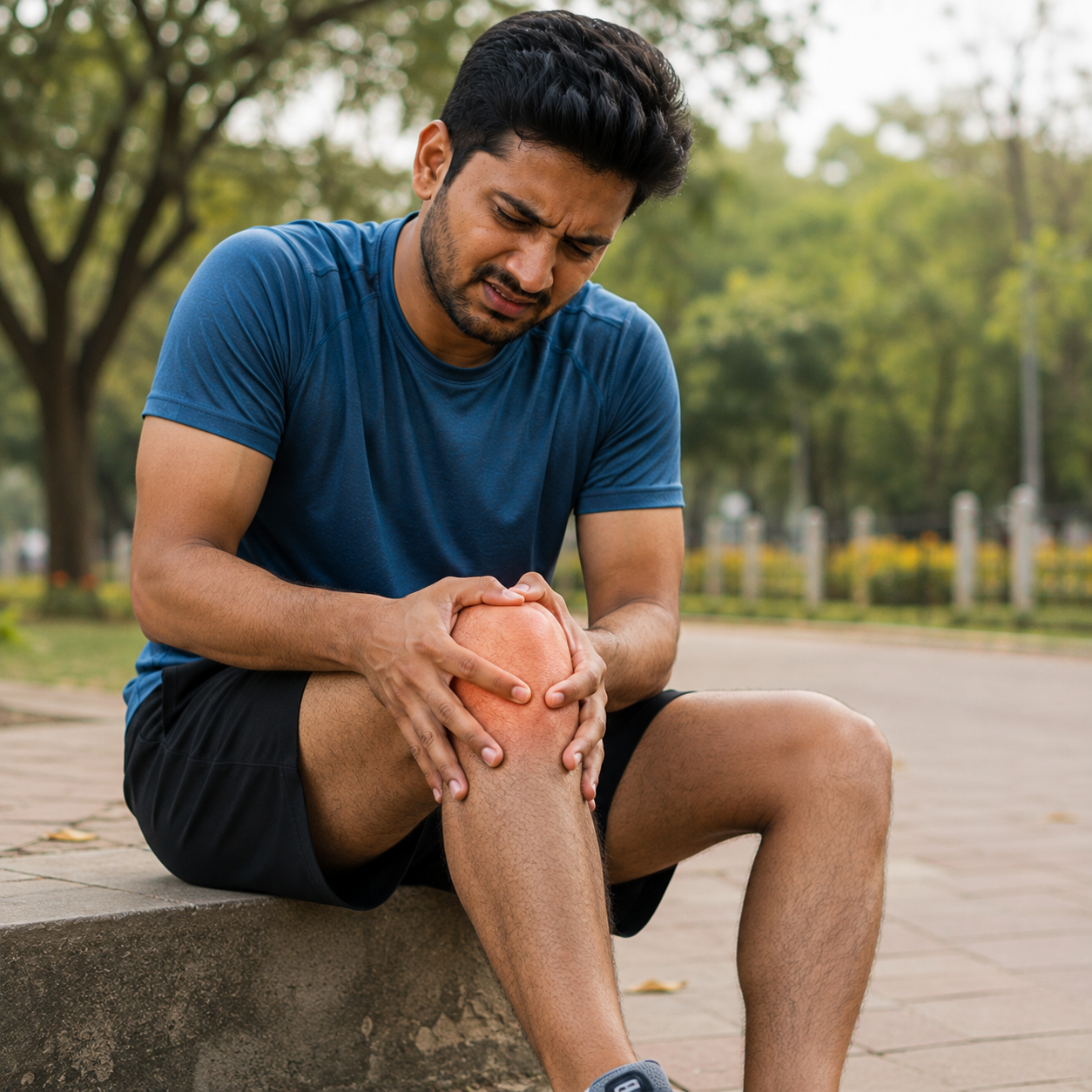
The articular cartilage treatment is a specialized method to diagnose and address the problem of cartilage damage inside the knee joint. It involves the protective and functional cartilage covering the end sections of bones inside the knee joint. This substance allows the joint to function smoothly, preventing any pain and reducing impact of joint surface during regular movement. The causes of cartilage damage may vary depending on the factors and circumstances, but it usually leads to impaired joint functionality.
Important aspects to know about Articular Cartilage Treatment:
- Restores joint functionality after damaging the cartilage surface
- Enhances joint operation during regular and athletic activities
- Usually recommended for the injury of joint cartilage surfaces
- Helps preserve joint health in the long term
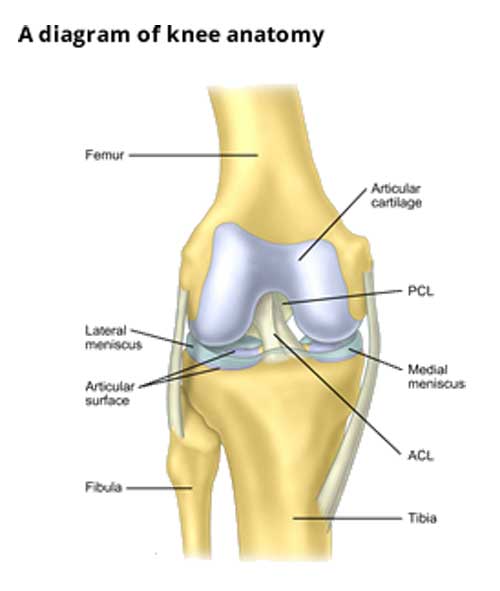
The articular cartilage treatment is a specialized method to diagnose and address the problem of cartilage damage inside the knee joint. It involves the protective and functional cartilage covering the end sections of bones inside the knee joint. This substance allows the joint to function smoothly, preventing any pain and reducing impact of joint surface during regular movement. The causes of cartilage damage may vary depending on the factors and circumstances, but it usually leads to impaired joint functionality.
Important aspects to know about Articular Cartilage Treatment:
- Restores joint functionality after damaging the cartilage surface
- Enhances joint operation during regular and athletic activities
- Usually recommended for the injury of joint cartilage surfaces
- Helps preserve joint health in the long term
Overview
Joint Stiffness
Stiff joints can be another symptom of damaged cartilage.
Clicking Sounds
Popping or clicking during joint movement.
Difficulty Performing Daily Activities
Limited joint functionality can make daily activities impossible or hard.
Excessive Discomfort During Physical Activity
Increased discomfort and painful sensations in the joint during standing and walking.
Surgeons Available for Consultations

Dr. Karnav Panchal
M.B.B.S, M.S. (Orthopedics),
FAOS (South Korea)
Consultant Arthroscopist & Sports Injury Specialist Consultant Joint Replacement Surgeon

Dr. Aniket Gupta
M.B.B.S, M.S. (Orthopedics),
MRCS (Edinburgh)
Training & Qualifications Fellowship in MRCS (UK) Arthroscopy & Arthroplasty (Milan, Italy)
Consultant Physiotherapist

Dr. Aarsh Bhatt
B.P.T,M.P.T (Cardio-Respiratory Disorders) MIAP , HCPC (UK) , DHA (UAE)
Consultant Physiotherapist

Dr. Hetvi Dimothe
BPT , M.P.T (Rehabilitation) MIAP, HCPC (UK) , DHA (UAE)
Consultant Physiotherapist
Causes
What Causes Knee Articular Cartilage Damage?
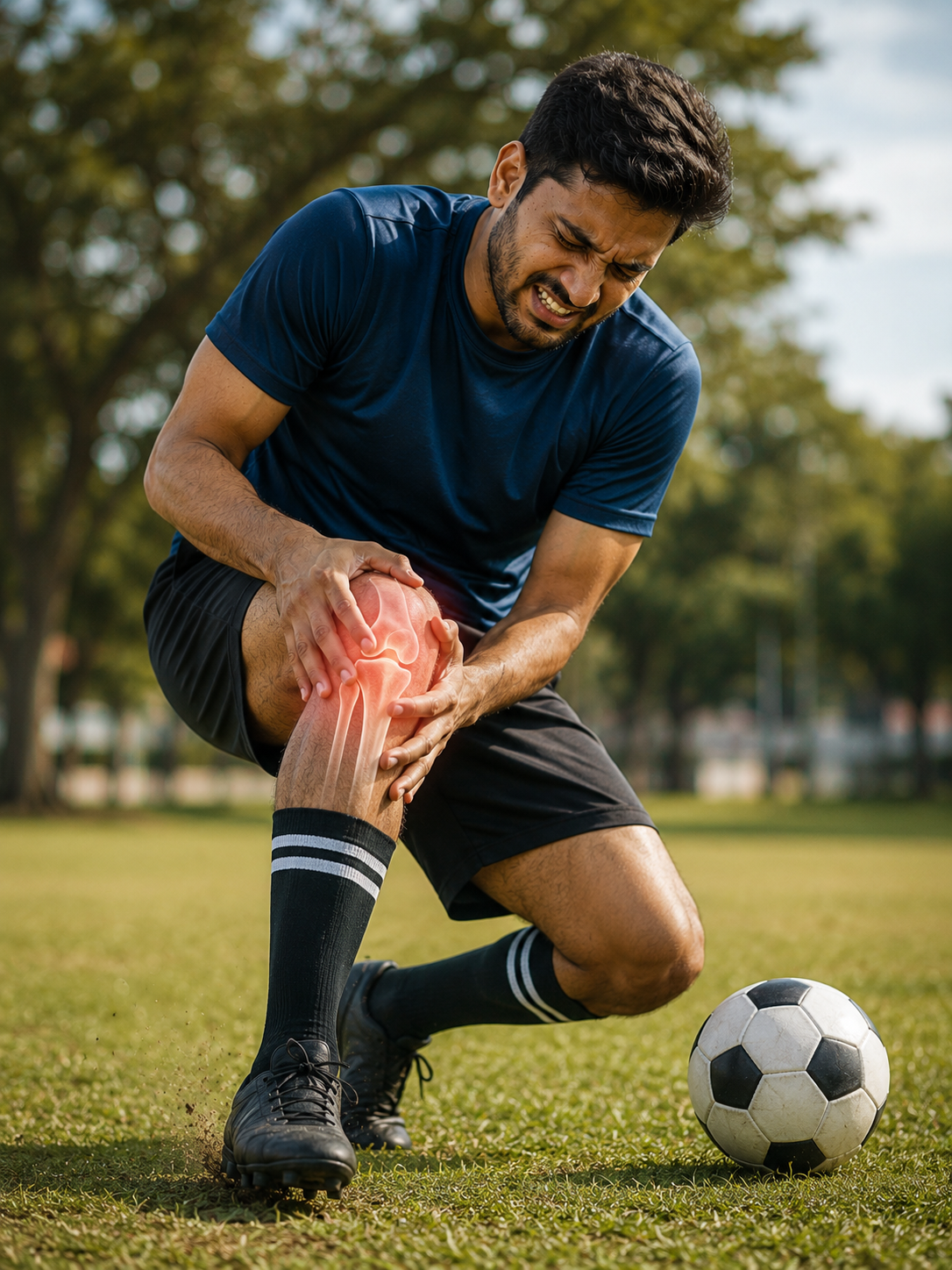
Articular knee cartilage damage happens when the knee joint is exposed to excess pressure, repetitive stresses, or even a particular trauma. Regular physical training, especially during sports activities, can result in damage to cartilage, as well as various impacts and injuries. Some people suffer from gradually wearing cartilage with age or repetitive stresses. In any case, damaged cartilage negatively affects joint functionality and can provoke certain painful sensations.
Causes
What Causes Knee Articular Cartilage Damage?
Articular knee cartilage damage happens when the knee joint is exposed to excess pressure, repetitive stresses, or even a particular trauma. Regular physical training, especially during sports activities, can result in damage to cartilage, as well as various impacts and injuries. Some people suffer from gradually wearing cartilage with age or repetitive stresses. In any case, damaged cartilage negatively affects joint functionality and can provoke certain painful sensations.
Causes of Articular Cartilage Damage in Knee Joints:
- Traumas resulting in the damaging of cartilage surfaces inside the joint
- Abrupt joint twisting affecting the joint stability and performance
- Impacts affecting the knee joint directly
- Regular use and pressure that wears down the joint surface
- Aging and other processes decreasing cartilage quality
What other parts are affected along with the knee articular cartilage damage?
Due to the nature of the joint functioning, any damage to cartilage can affect adjacent areas as well. Being part of a joint complex, any damage to cartilage affects other components of the structure and can lead to additional problems.
- Meniscal cartilage tissue
- Joint surfaces
- Supporting knee ligaments
- Subchondral bone
- Surrounding muscle tissue
SYMPTOMS
What are the Symptoms of Knee Articular Cartilage Damage?
Patients suffering from damaged articular cartilage usually experience a variety of signs and symptoms, including painful sensations, knee swelling, decreased functionality of the joint, and limited joint range of motion.

Persistent Knee Pain
In most cases, pain is experienced during regular physical activity like running, walking, climbing stairs, etc.
Knee Joint Swelling
Excess fluid buildup in the joint due to the presence of damaged cartilage.
Decreased Mobility
Impaired mobility can result from damaged cartilage affecting joint movement
Ignores of signs mentioned above can result in the progression of joint damage, worsening the condition and provoking other joint problems.
Connect with our experts and get the right guidance for your condition.
Joint Stiffness
Stiff joints can be another symptom of damaged cartilage.
Clicking Sounds
Popping or clicking during joint movement.
Difficulty Performing Daily Activities
Limited joint functionality can make daily activities impossible or hard.
Excessive Discomfort During Physical Activity
Increased discomfort and painful sensations in the joint during standing and walking.
Connect with our experts and get the right guidance for your condition.
BOOK CONSULTATIONDIAGNOSIS
How Do Doctors Diagnose Knee Articular Cartilage Damage?
Physicians start with questioning the patients to clarify their symptoms and previous injuries and assess the influence of the joint problem on patient's daily activity. Physical examination of the joint helps evaluate joint mobility, stability, swelling, and other factors, and imaging studies can help to see how severe is cartilage damage in the joint. Specialists at ALIGN ASIA will provide you with a thorough diagnosis and create a customized plan for your treatment and joint health.
DIAGNOSIS
How Do Doctors Diagnose Knee Articular Cartilage Damage?
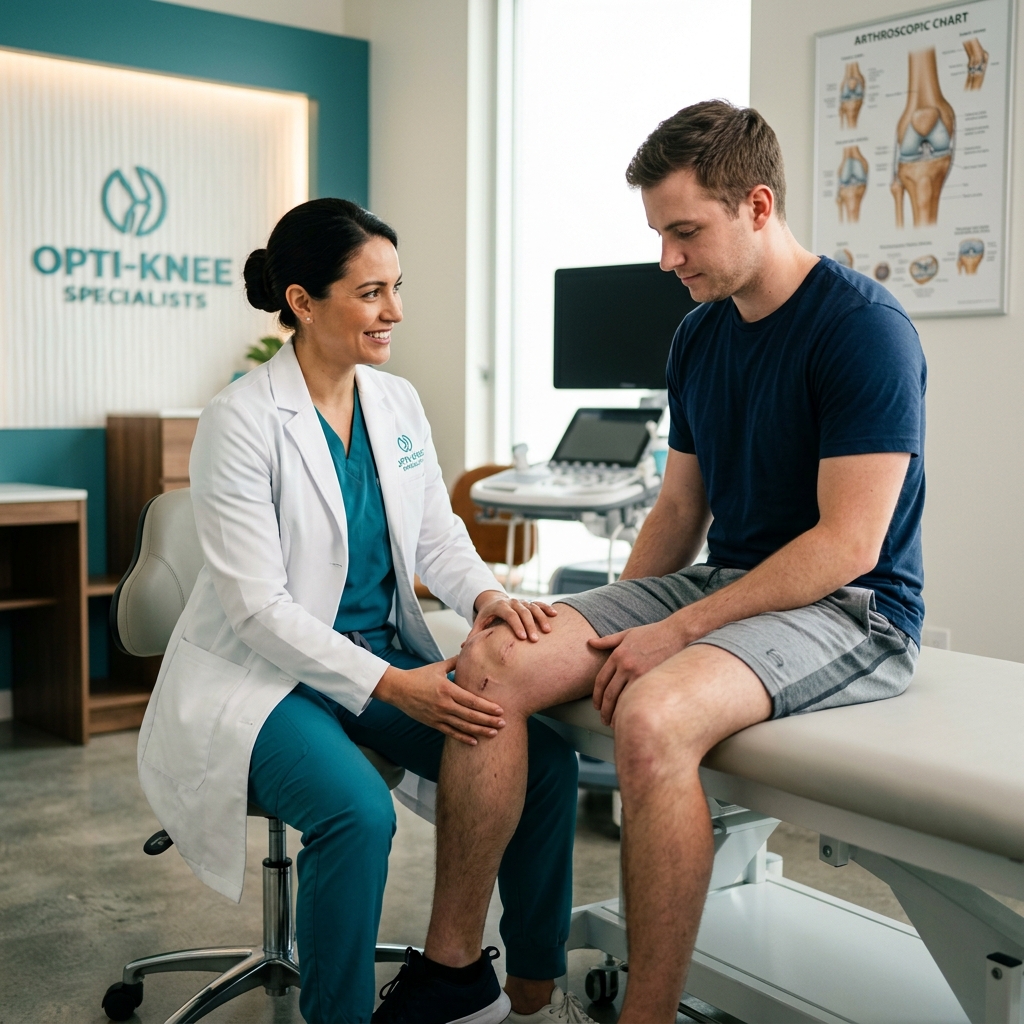
Physicians start with questioning the patients to clarify their symptoms and previous injuries and assess the influence of the joint problem on patient's daily activity. Physical examination of the joint helps evaluate joint mobility, stability, swelling, and other factors, and imaging studies can help to see how severe is cartilage damage in the joint. Specialists at ALIGN ASIA will provide you with a thorough diagnosis and create a customized plan for your treatment and joint health.
Articular Cartilage Damage Diagnosis may involve:
- Physical examination to detect joint mobility and stability issues
- Imaging to evaluate the current state of cartilage and joints surfaces
- MRI
- X-ray
TREATMENT
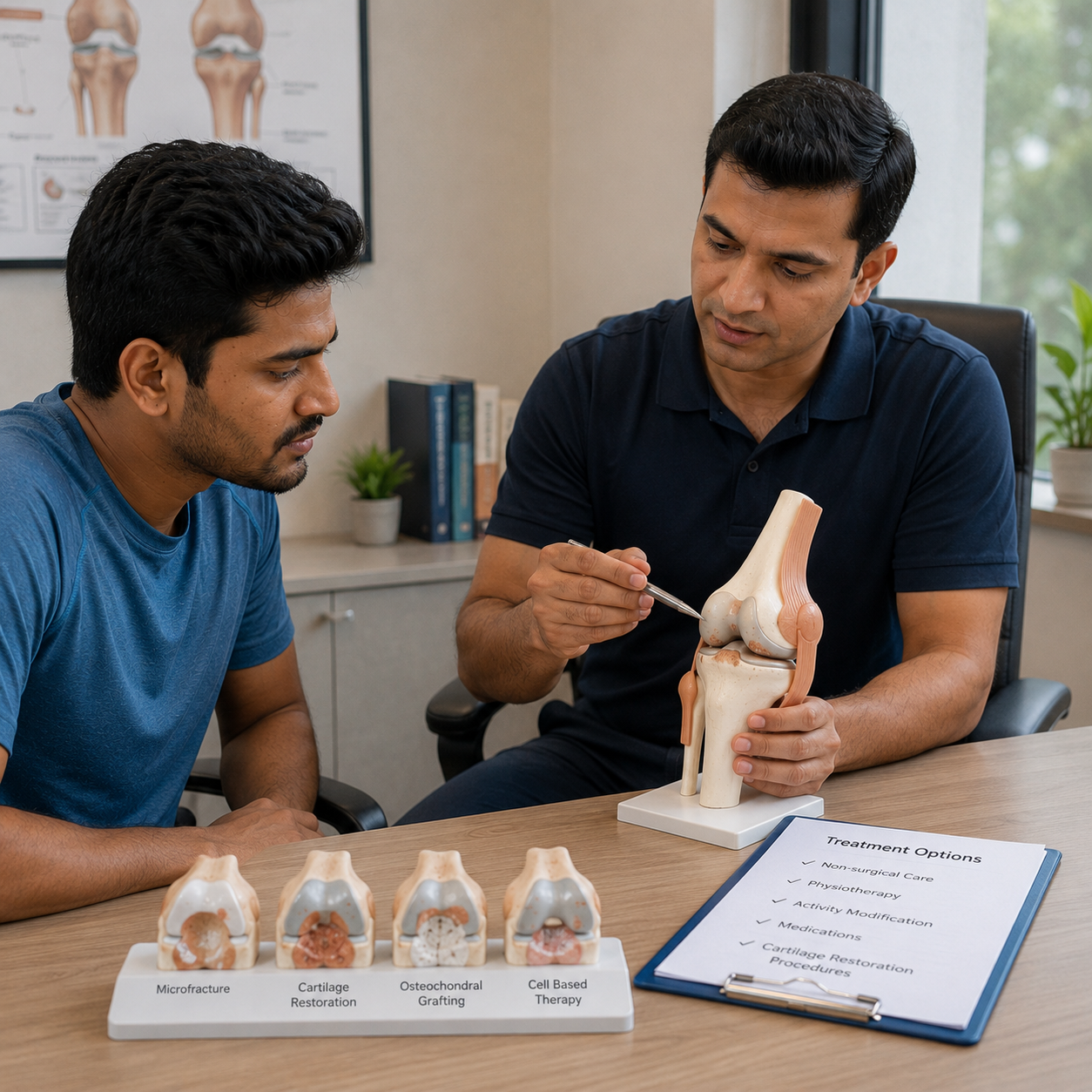
What is the Treatment for Knee Articular Cartilage Damage?
The choice of treatment depends on the location and severity of damage, as well as joint mobility, patient's age, physical activity, etc. Early joint treatment ensures the proper health and functionality of your joint and prevents further damage. With a professional approach to treatment, cartilage treatment can bring you the desired recovery.
Pain Treatment
Helps to reduce pain and inflammation
Changes in Activity Level
Reduces stress on damaged surfaces of the joint
Physiotherapy
Improves mobility of joint
Joint Protection
Helps to maintain joint health and avoid further damage
Cartilage Restoration
Promotes joint cartilage healing
NON-SURGICAL CARE
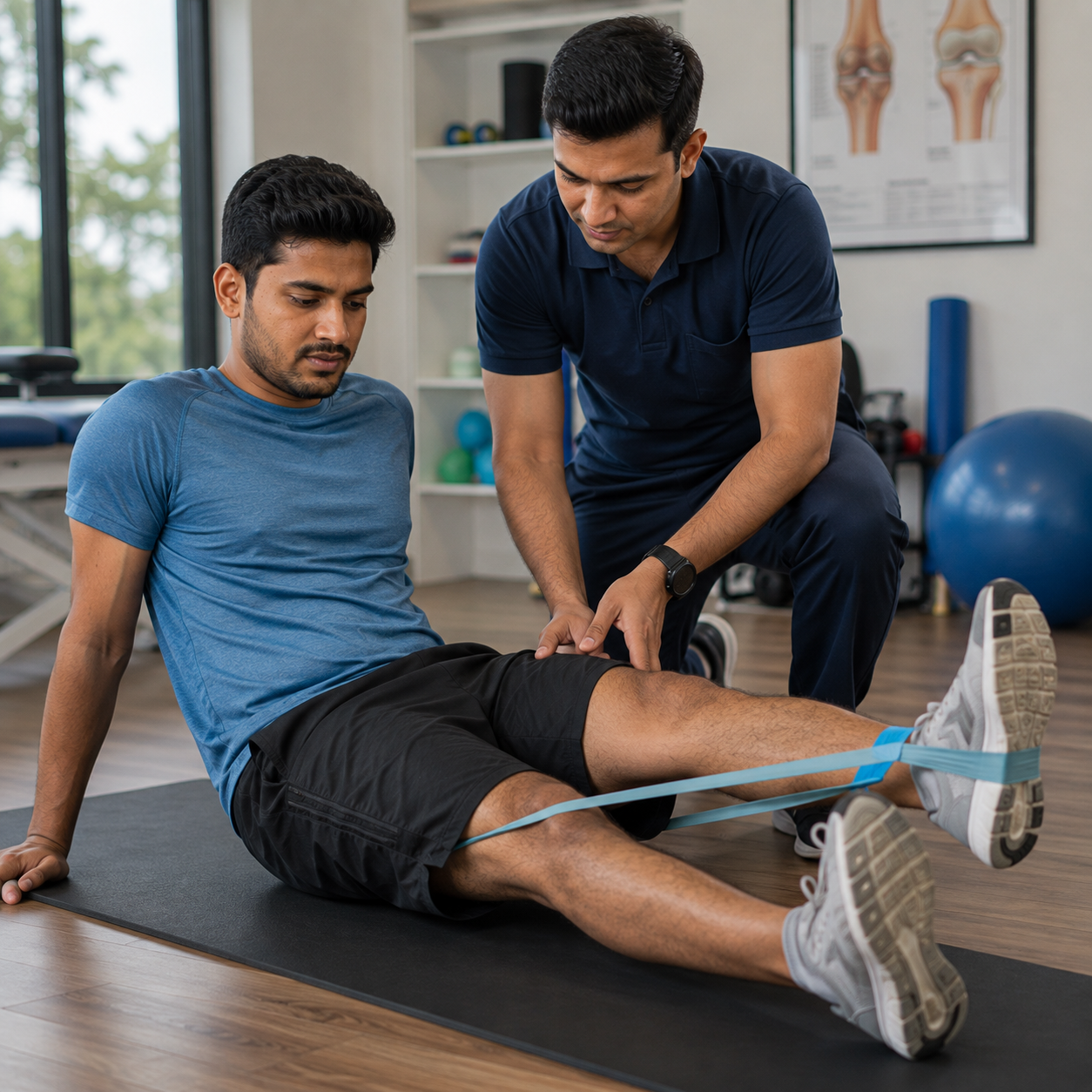
How is Knee Articular Cartilage Damage Treated Without Surgery?
Not all cartilage injuries require surgical intervention. However, there are cases where it is possible to manage the condition with physiotherapy, changes in activity level, taking special drugs, and other methods. Non-surgical treatment of knee cartilage focuses on the reduction of pain, enhancement of joint functionality, improvement of muscle strength, and joint health.
NON-SURGICAL CARE
How is Knee Articular Cartilage Damage Treated Without Surgery?
Not all cartilage injuries require surgical intervention. However, there are cases where it is possible to manage the condition with physiotherapy, changes in activity level, taking special drugs, and other methods. Non-surgical treatment of knee cartilage focuses on the reduction of pain, enhancement of joint functionality, improvement of muscle strength, and joint health.
Possible non-surgical methods for cartilage treatment include:
- Physiotherapy program for improving joint mobility and muscle strength
- Changes in activity to protect joint surface and reduce repetitive stress
- Taking anti-inflammatory and other drugs for cartilage healing
- Exercises program to strengthen joint and muscles around it
RISKS OF NO TREATMENT
When is Articular Cartilage Treatment Needed?
RISKS OF NO TREATMENT
When is Articular Cartilage Treatment Needed?
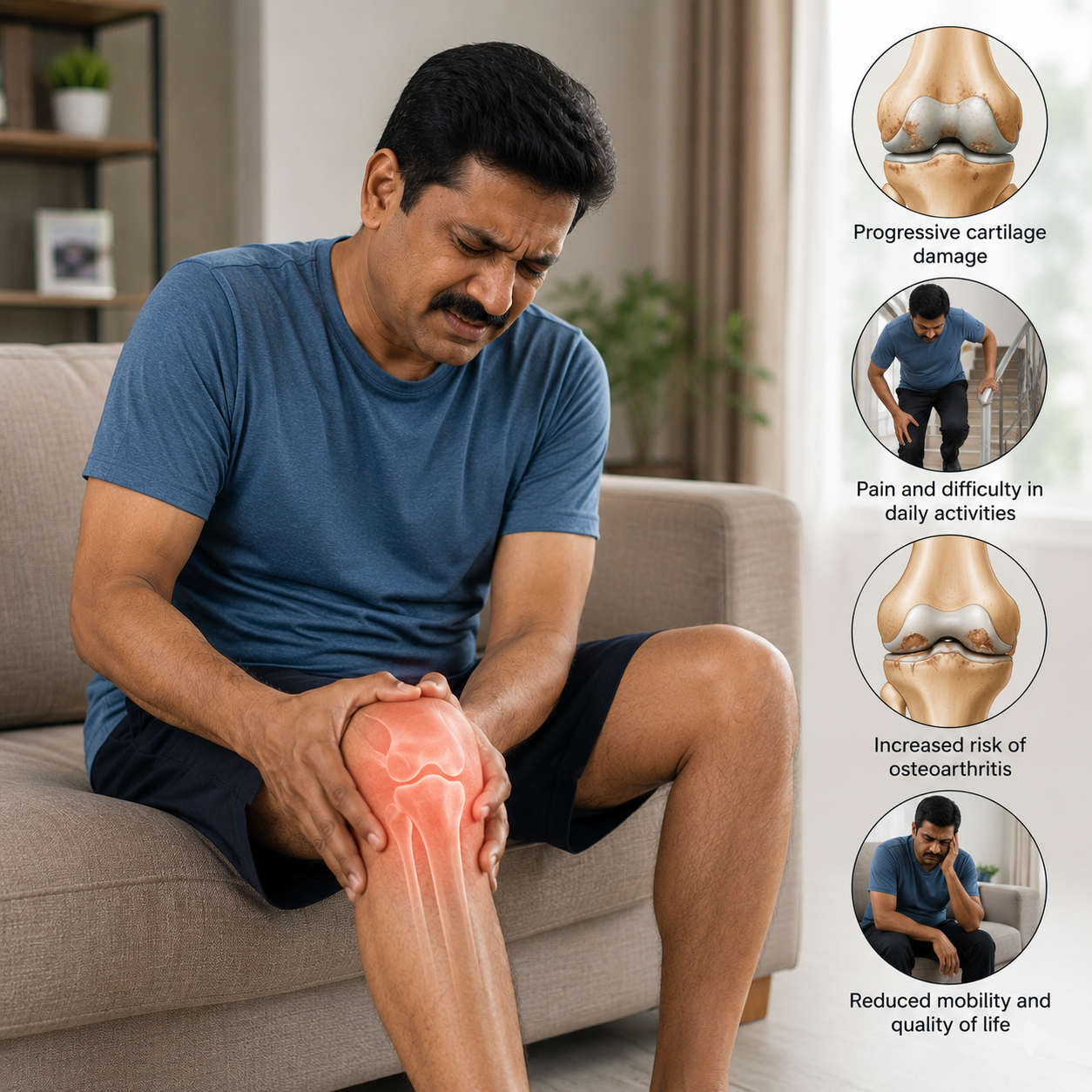
Joint damage needs immediate attention, which is vital in order to avoid further deterioration and complications. Despite being able to heal through conservative treatment, not all patients recover and require further cartilage interventions. Timely assessment will help you choose the most suitable type of treatment in advance.
Possible indications for articular cartilage treatment:
- Persistent knee pain interfering with joint functioning
- Progressively damaged cartilage affecting joint functionality
- Swelling of the joint leading to discomfort and decreased knee performance
- Untreated injuries leading to progressive joint damage
SURGERY
What Types of Articular Cartilage Treatments are Available?
Advanced articular cartilage treatment may be required when conservative methods do not show enough effectiveness in treating the joint damage. Depending on the severity of the problem, type of cartilage damage, and other factors, one treatment may be selected over another. All such treatments help to reduce symptoms and improve joint functionality and performance.
Possible cartilage treatments include:
- Chondroplasty – smoothing of joint surfaces
- Microfractures
- Cartilage restoration procedures
- Osteochondral grafting
- Cartilage cell-based therapies
Post-operative rehabilitation is an essential component for successful recovery and treatment.
SURGERY
What Types of Articular Cartilage Treatments are Available?
Advanced articular cartilage treatment may be required when conservative methods do not show enough effectiveness in treating the joint damage. Depending on the severity of the problem, type of cartilage damage, and other factors, one treatment may be selected over another. All such treatments help to reduce symptoms and improve joint functionality and performance.
Possible cartilage treatments include:
- Chondroplasty – smoothing of joint surfaces
- Microfractures
- Cartilage restoration procedures
- Osteochondral grafting
- Cartilage cell-based therapies
Post-operative rehabilitation is an essential component for successful recovery and treatment.
COMPLICATIONS
What are the Possible Complications of Knee Articular Cartilage Damage or Its Treatment?
Although not every case of articular cartilage damage or its treatment leads to certain complications, you can expect them in case of delayed diagnosis or improper treatment. Fortunately, any complication associated with knee cartilage damage can be managed easily, if they are detected and treated early.
Progressively Damaging the Cartilage
Progressive damage will make your knee perform worse and become painful.
Chronic Knee Pain
Persistent painful sensations will affect your mobility and daily activities.
Limited Joint Mobility
Gradual cartilage damage will decrease joint mobility.
Premature Joint Wear
Untreated damage can result in further wear of the joint structure.
Connect with our experts and get the right guidance for your condition.
RECOVERY & OUTCOMES
What is the Recovery Process after Articular Cartilage Treatment?
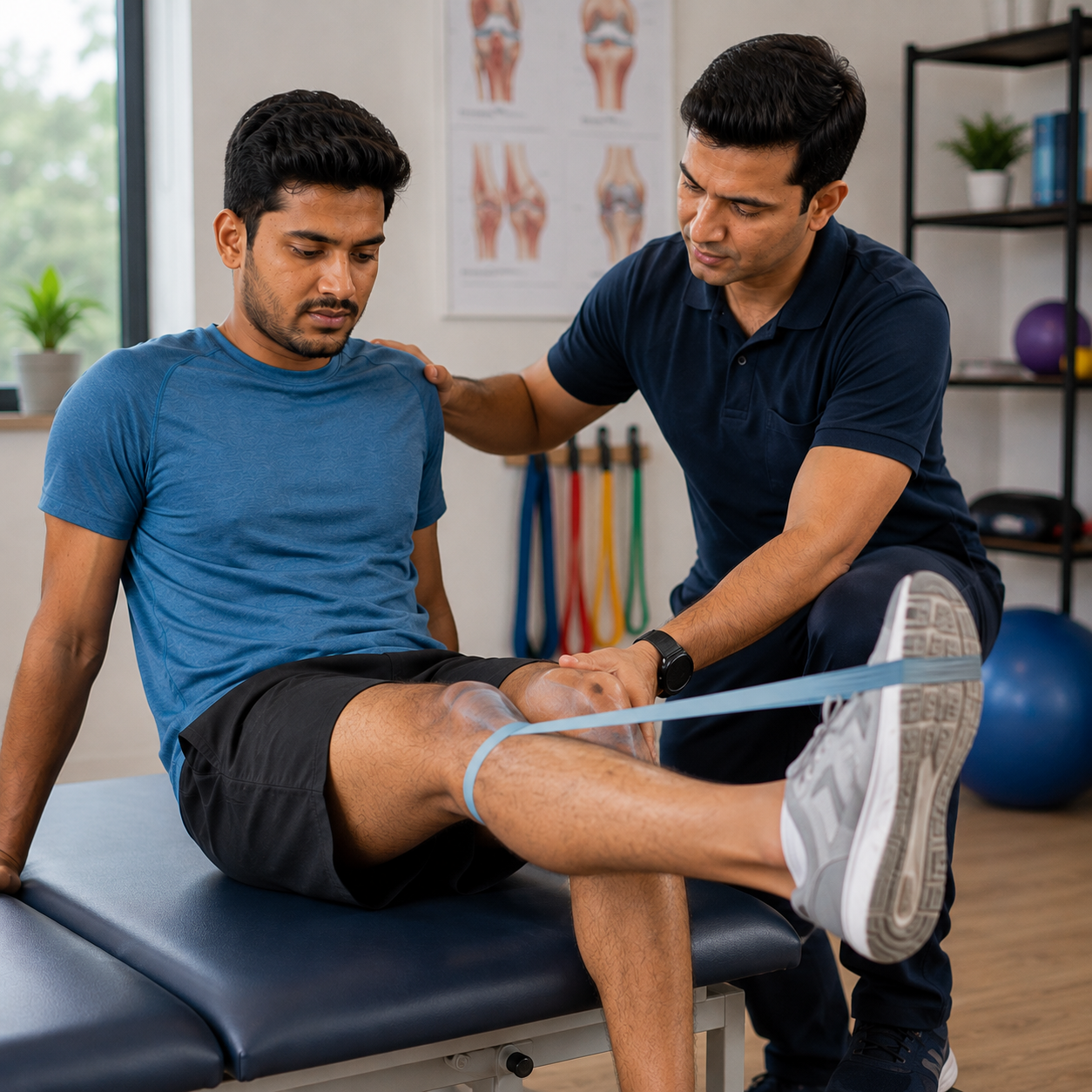
RECOVERY & OUTCOMES
What is the Recovery Process after Articular Cartilage Treatment?
Recovery process after articular cartilage treatment takes some time, during which knee must be protected to allow for full rehabilitation. Gradual recovery will help you recover joint performance and mobility. Rehabilitation process will consist of different stages aimed at the treatment and improvement of knee joint.
Common stages include:
- Protecting the knee joint
- Joint mobility training supervised by a specialist
- Muscle strength restoration
- Improving mobility and joint functionality
AFTERCARE
Recovery & Aftercare for Articular Cartilage Treatment
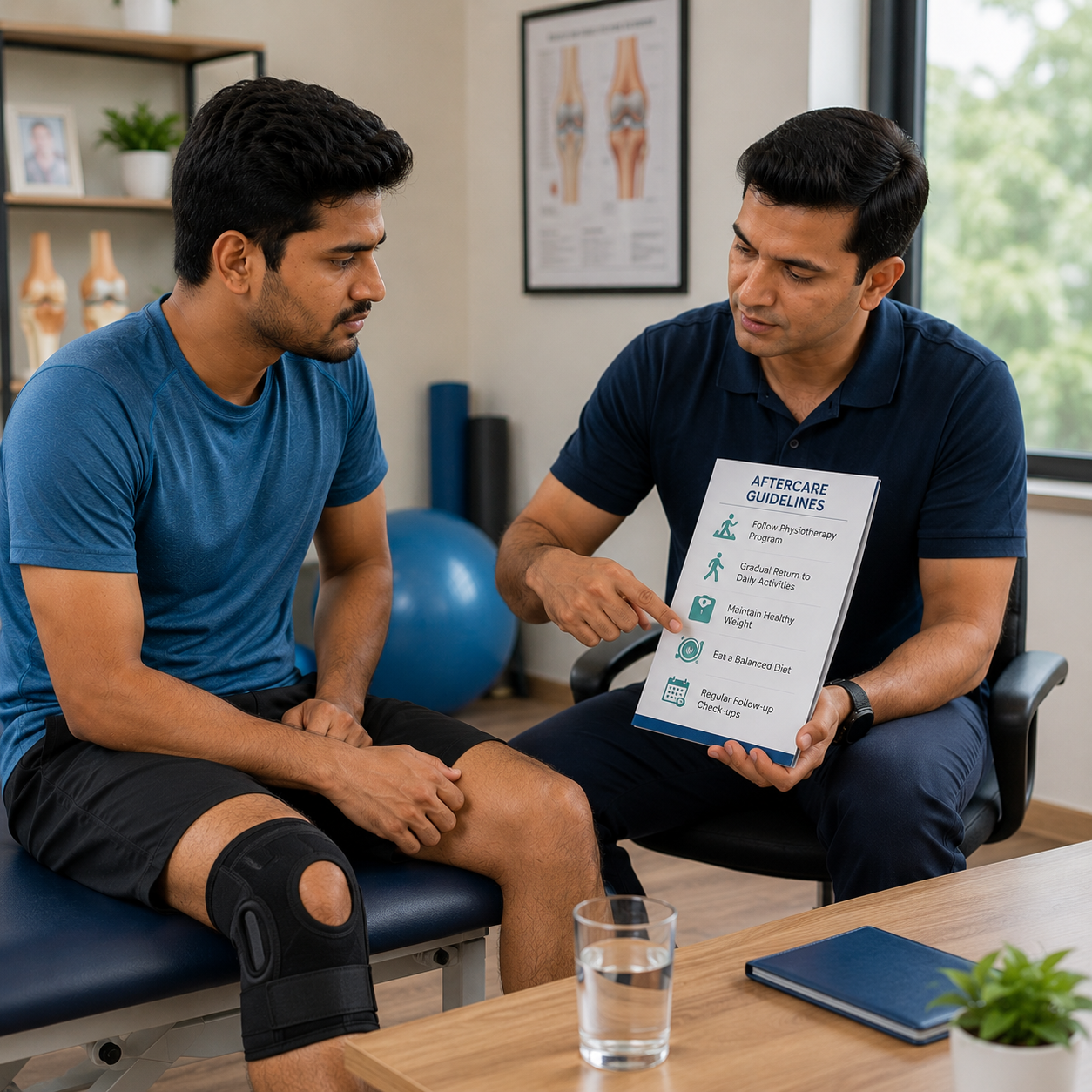
AFTERCARE
Recovery & Aftercare for Articular Cartilage Treatment
After articular cartilage treatment, a person needs to be very attentive to his or her knee recovery and aftercare in order to get the best results from the treatment. Compliance with aftercare recommendations can help to avoid complications, ensure joint functionality and facilitate the recovery process.
Suggested aftercare activities:
- Strict adherence to rehabilitation program prescribed by physicians
- Regular physiotherapy for joint recovery
- Avoiding physical activities that put extra strain on the joint
- Gradually increasing activity level
FAQ'S
Do You Have Any Question Please?
Yes, in case of mild cartilage injury, the problem can be resolved using physiotherapy or changes in activity level.
If cartilage damage affects joint functionality and performance, treatment will be required.
Time required for recovery varies depending on the treatment type, severity of knee damage, etc.
Yes, you can come back to playing sports after your joint heals.
By following all recommendations, you will prevent future joint problems.