
ARTHROSCOPY & SPORTS INJURY ASSOCIATES

OVERVIEW
What is Osteoarthritis Treatment?
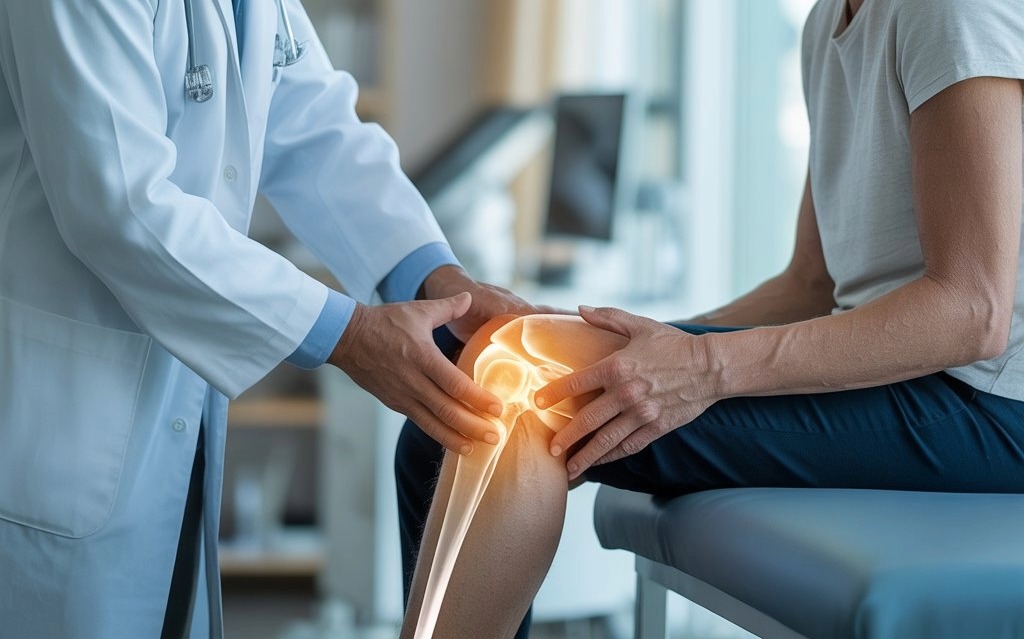
The aim of osteoarthritis treatment is to relieve discomfort, stiffness, and decrease range of motion that results from gradual destruction of the cartilage within joints. This condition usually targets the knees, hips, fingers, and spinal column, making common activities unpleasant after some time. The type of treatment can vary from drug therapy and physiotherapy to lifestyle adjustments, support and assistive care, or even surgery, depending on the severity of the condition. The ultimate purpose is to alleviate pain and increase joint flexibility and mobility.
The following are some facts about Osteoarthritis Therapy:
- Osteoarthritis is a condition that develops gradually due to the natural breakdown of joint cartilage.
- Treatment strategies include minimizing joint pain and facilitating smooth movement.
- Physiotherapy and modifications to daily activities frequently ease the symptoms and enhance joint stability.
- Early detection and treatment can avoid additional stiffness and movement issues.
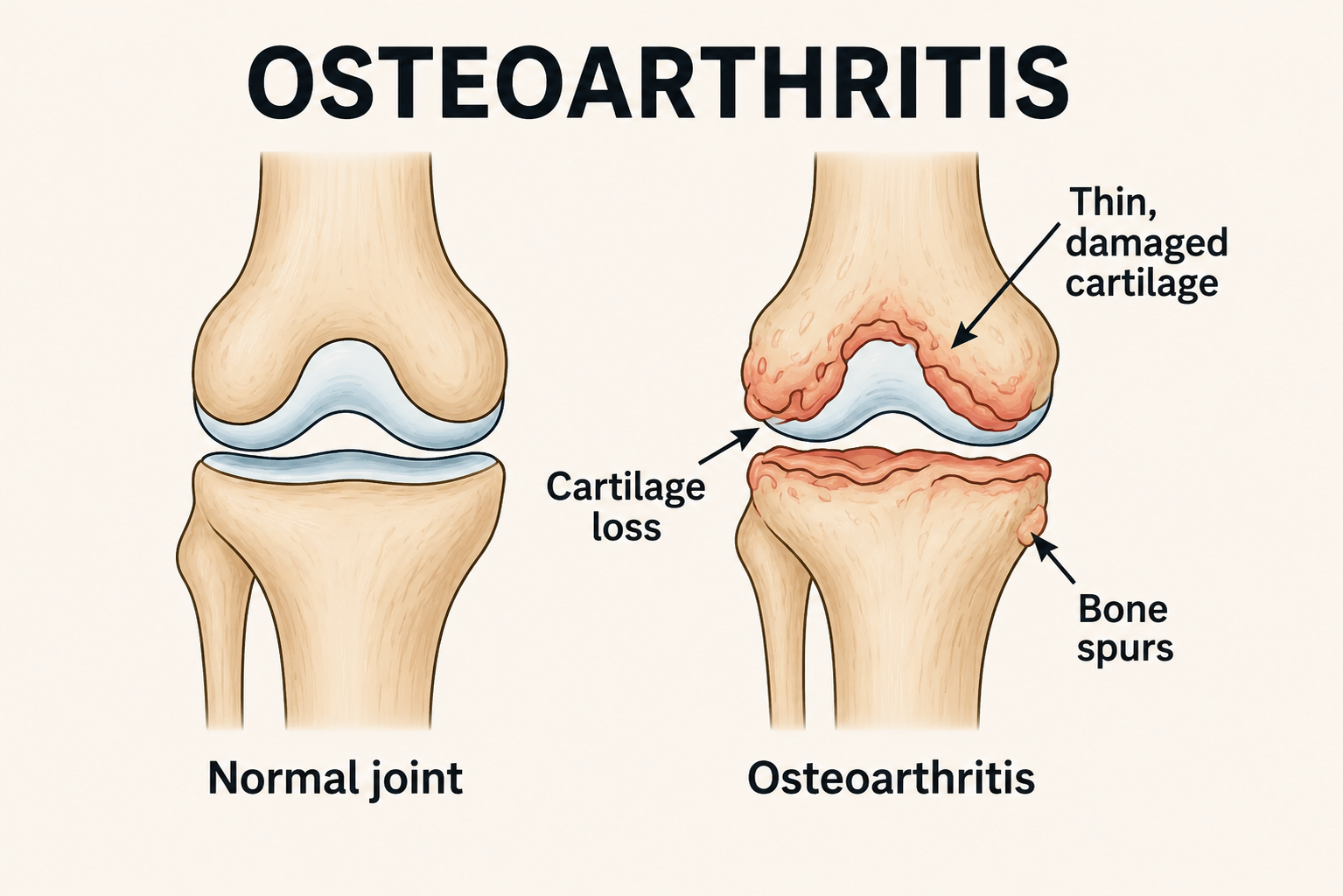
The aim of osteoarthritis treatment is to relieve discomfort, stiffness, and decrease range of motion that results from gradual destruction of the cartilage within joints. This condition usually targets the knees, hips, fingers, and spinal column, making common activities unpleasant after some time. The type of treatment can vary from drug therapy and physiotherapy to lifestyle adjustments, support and assistive care, or even surgery, depending on the severity of the condition. The ultimate purpose is to alleviate pain and increase joint flexibility and mobility.
The following are some facts about Osteoarthritis Therapy:
- Osteoarthritis is a condition that develops gradually due to the natural breakdown of joint cartilage.
- Treatment strategies include minimizing joint pain and facilitating smooth movement.
- Physiotherapy and modifications to daily activities frequently ease the symptoms and enhance joint stability.
- Early detection and treatment can avoid additional stiffness and movement issues.
Surgeons Available for Consultations

Dr. Dhaval Patel
M.S. Orthopaedics, FAAOS(USA), FAANA(USA), FAOSSM(USA)
Orthopaedics Sports Medicine Surgeon Arthroscopy Surgeon Orthopaedic Joint Preservation Surgeon

Dr. Karnav Panchal
M. S. (Ortho) (Gold Medalist) FAOS (South Korea)
Consultant Arthroscopist & Sports Injury Specialist Consultant Joint Replacement Surgeon

Dr. Aniket Gupta
M.B.B.S, M.S. (Orthopedics)
Training & Qualifications Fellowship in MRCS (UK) Arthroscopy & Arthroplasty (Milan, Italy)
Causes
What Causes Osteoarthritis?
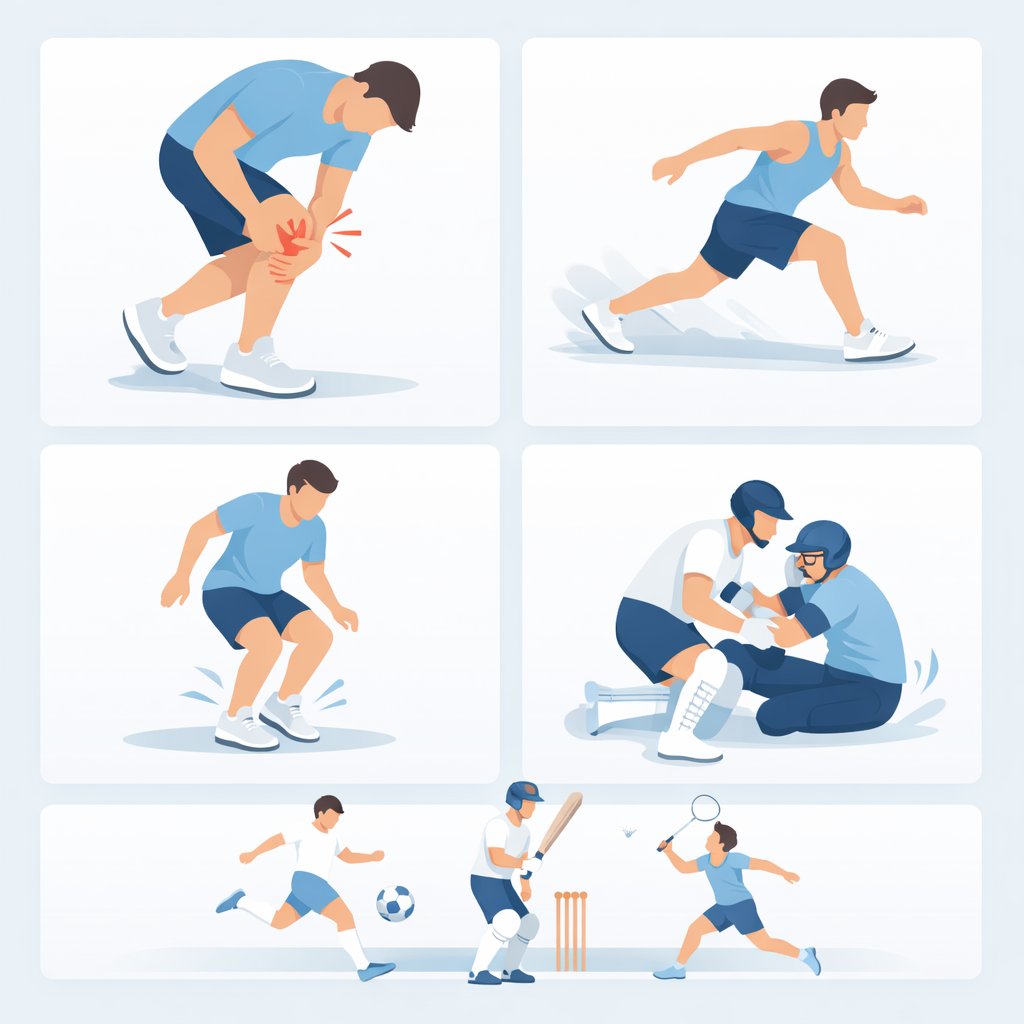
Osteoarthritis is usually a slowly developing disorder caused by a gradual degradation of cartilage that acts as a protective layer for joints. The risk factors include age-related joint weakening, excessive joint stress, previous injuries to the affected joint, obesity, and physically demanding work. Degeneration of joint cartilage leads to stiffness, swelling, pain, and restricted motion in the joint.
Causes
What Causes Osteoarthritis?
Osteoarthritis is usually a slowly developing disorder caused by a gradual degradation of cartilage that acts as a protective layer for joints. The risk factors include age-related joint weakening, excessive joint stress, previous injuries to the affected joint, obesity, and physically demanding work. Degeneration of joint cartilage leads to stiffness, swelling, pain, and restricted motion in the joint.
Possible causes of osteoarthritis include:
- Age-related joint cartilage degeneration
- Stress associated with physically demanding activity
- Excessive body weight causing joint stress
- Injuries leading to joint cartilage damage
- Lack of exercise resulting in muscle weakness
What Other Tissues Can be Affected Apart From Osteoarthritis?
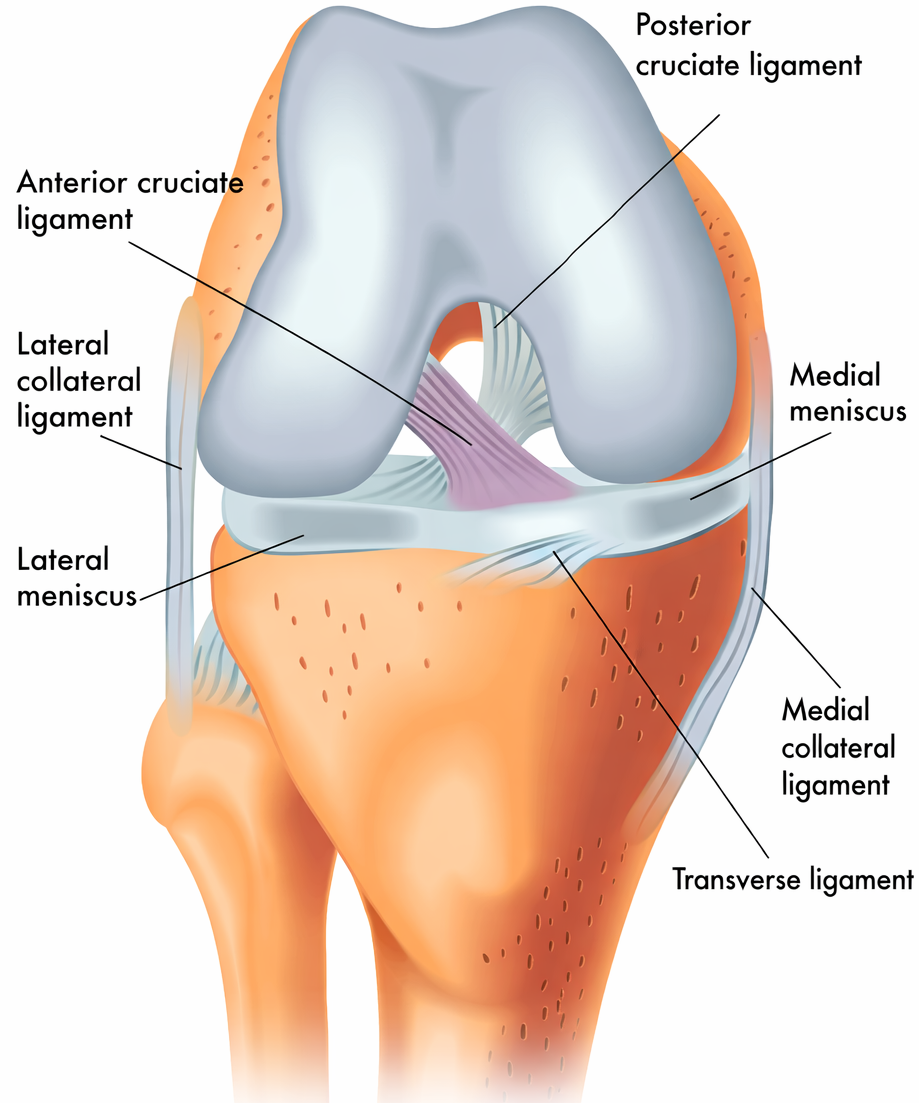
Apart from cartilage damage, osteoarthritis also involves a gradual deterioration of other tissues surrounding the joint such as ligaments, tendons, muscles, and joint surfaces. Continuous swelling, irritation, and stiffness reduce mobility and joint stability.
- Joint ligament irritation
- Joint swelling
- Muscle atrophy
- Tendon irritation
- Joint surface damage
- Cartilage damage
SYMPTOMS
What Are the Symptoms of a Osteoarthritis?
Initial symptoms of osteoarthritis include joint pain, stiffness, swelling, and limited mobility. These symptoms usually occur with joint use, long-term standing, exercise, and even rest for a prolonged period.

Persistent Joint Pain
In osteoarthritis, persistent joint pain can occur while walking, climbing stairs, bending, and even performing simple everyday tasks.
Joint Stiffness
Joint stiffness occurs when joint cartilage gets damaged. This usually happens after taking a rest, thus making the movement of the joint inflexible.
Restricted Joint Mobility
Joint mobility may be gradually restricted by the condition, leading to limited movement when bending, standing, walking, and even performing exercise.
Not paying attention to the symptoms of osteoarthritis might result in an increase in stiffness, further harm to the cartilage, loss of mobility, and difficulties moving around.
Connect with our experts and get the right guidance for your condition.
Joints that Are Swollen
The inflammation might lead to swollen and tender joints during motion.
Feeling a Grinding Motion
Some individuals experience a feeling of grinding within their joints while performing certain motions.
Weak Muscles
The pain can also gradually make your muscles weak.
Difficulties Moving Around
Stiffness might affect the ability to walk, exercise, or bend.
Connect with our experts and get the right guidance for your condition.
BOOK CONSULTATIONDIAGNOSIS
How Does the Doctor Diagnose an Osteoarthritis?
A discussion of your symptoms and medical background will precede an assessment of affected joints. Pain, inflammation, stiffness, range of motion, and mobility will all be noted by physicians to establish whether a patient suffers from osteoarthritis. In order to detect the condition and measure its severity, doctors can order tests or imaging scans. Early identification of osteoarthritis will ensure timely treatment and improved mobility as well as reduced risk of further joint deterioration and limitations in daily activities.
DIAGNOSIS
How Does the Doctor Diagnose an Osteoarthritis?
A discussion of your symptoms and medical background will precede an assessment of affected joints. Pain, inflammation, stiffness, range of motion, and mobility will all be noted by physicians to establish whether a patient suffers from osteoarthritis. In order to detect the condition and measure its severity, doctors can order tests or imaging scans. Early identification of osteoarthritis will ensure timely treatment and improved mobility as well as reduced risk of further joint deterioration and limitations in daily activities.
Diagnosis of osteoarthritis methods:
- Physical exam: assesses joint mobility, inflammation, stiffness, and general flexibility.
- Diagnostic imaging: detects cartilage damage and possible other joint abnormalities.
- MRI
- X-ray
TREATMENT
What is the Treatment for Osteoarthritis?
The management of osteoarthritis depends on the degree of joint damage, the severity of symptoms, the level of mobility, and general well-being. Mild osteoarthritis cases can be managed through therapy and alterations in lifestyle, while severe cases require medication, more care, or surgical interventions.
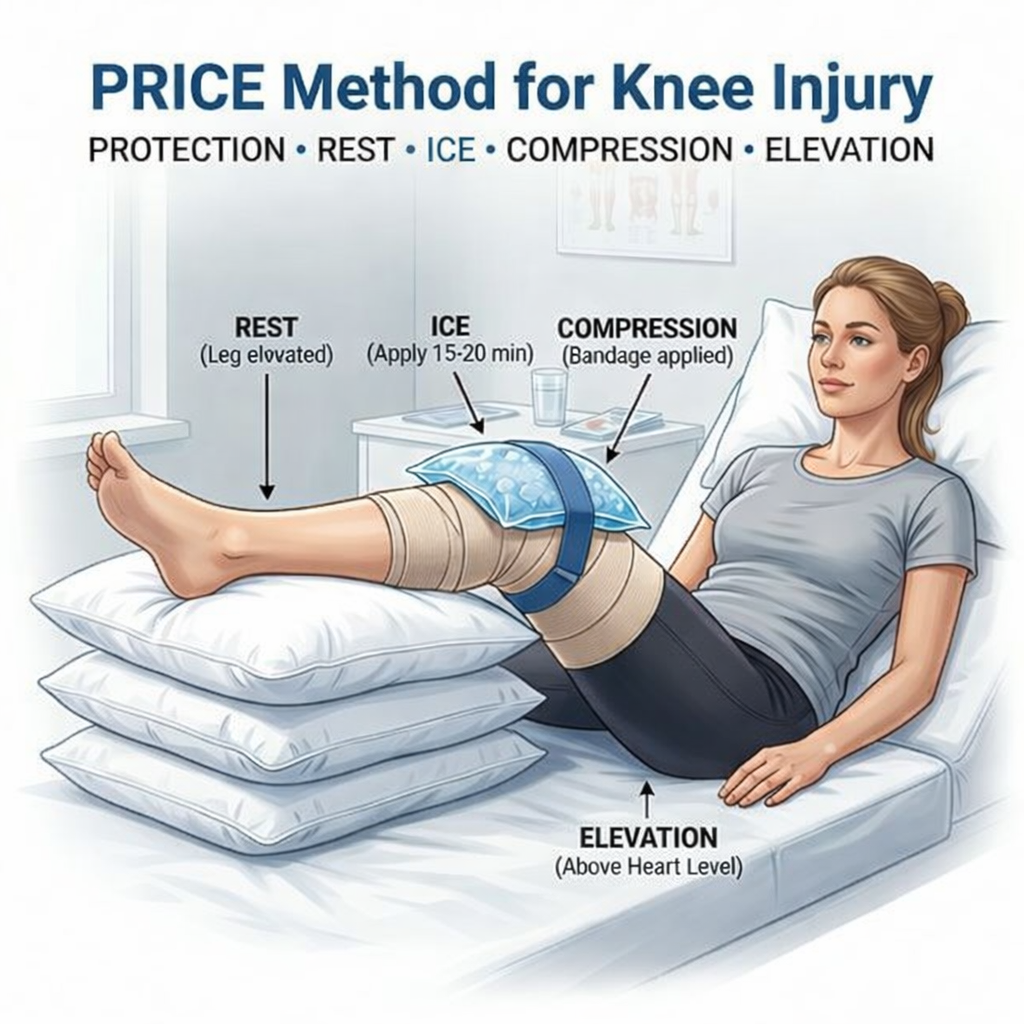
Timely intervention by a professional reduces risks and enhances joint functioning and ease of movement. Usually, the treatment process incorporates a systematic approach, such as the PRICE protocol:
P
Protection
Keeps unnecessary strain off the joint.
R
Rest
Facilitates recovery without any discomfort.
I
Ice Therapy
Alleviates any swelling or pain.
C
Compression
Regulates joint inflammation.
E
Elevation
Enhances circulation.
NON-SURGICAL CARE
How Does Non-Surgical Treatment for Osteoarthritis Work?
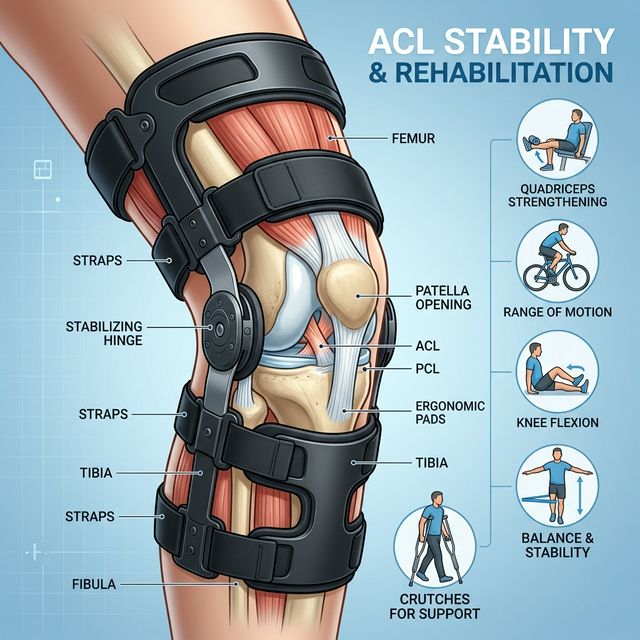
Some types of osteoarthritis do not require surgical treatment, including those detected at early and moderate stages. With good management through rest, physiotherapy, assistive equipment, pain medications, and lifestyle modifications, patients are able to control their symptoms effectively. The goal of non-surgical osteoarthritis treatments is to alleviate pain, enhance joint flexibility, facilitate pain-free joint movements, and maintain healthy joint functions without any surgery and hospitalization.
NON-SURGICAL CARE
How Does Non-Surgical Treatment for Osteoarthritis Work?
Some types of osteoarthritis do not require surgical treatment, including those detected at early and moderate stages. With good management through rest, physiotherapy, assistive equipment, pain medications, and lifestyle modifications, patients are able to control their symptoms effectively. The goal of non-surgical osteoarthritis treatments is to alleviate pain, enhance joint flexibility, facilitate pain-free joint movements, and maintain healthy joint functions without any surgery and hospitalization.
Non-surgical methods include:
- Physiotherapy techniques to increase muscle strength and joint flexibility, facilitating joint functions during normal activities.
- Lifestyle adjustments to decrease excessive load on the damaged joints and promote recovery processes.
- Braces or walkers to support joints and minimize stresses during active joint motions and exercise.
- Anti-inflammatory drugs to decrease joint inflammation, pain, and joint movement difficulties.
When Does Osteoarthritis Treatment Require Surgery?
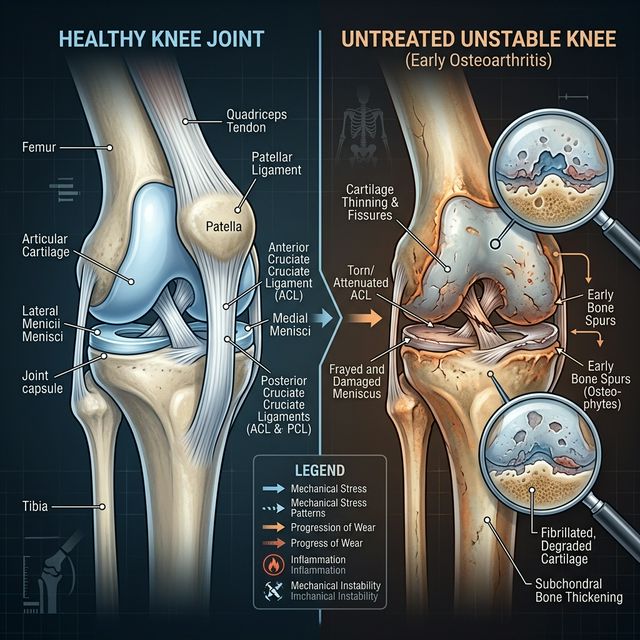
Not taking action against osteoarthritis will result in increased joint pain, stiffness, swelling, and difficulties when performing various activities. Not treating joint damage will cause it to negatively impact muscles and bones around the joint, worsening symptoms with time. Early diagnosis will assist in determining whether non-surgical treatment options will be sufficient for addressing the problem or whether surgery will be required in the future. Proper treatment in a timely manner will aid in preventing complications, enhancing joint function, and preserving joint health and well-being.
When Does Osteoarthritis Treatment Require Surgery?
Not taking action against osteoarthritis will result in increased joint pain, stiffness, swelling, and difficulties when performing various activities. Not treating joint damage will cause it to negatively impact muscles and bones around the joint, worsening symptoms with time. Early diagnosis will assist in determining whether non-surgical treatment options will be sufficient for addressing the problem or whether surgery will be required in the future. Proper treatment in a timely manner will aid in preventing complications, enhancing joint function, and preserving joint health and well-being.
- Not receiving osteoarthritis treatment will increase joint stiffness
- Delaying the procedure can increase the likelihood of cartilage deterioration
- Chronic pain can restrict your daily activities
- In certain scenarios, advanced joint damage will necessitate surgery
SURGERY
What is Osteoarthritis Treatment Surgery?
The surgical treatment of osteoarthritis helps to relieve the intense pain in the joints, improves mobility, and provides comfortable joint movements with medication therapy and other forms of treatment not being effective. In this case, the surgery helps to reduce joint stiffness and increase its stability as well as functional capacity. It depends on the degree of the joint damage and the general condition of a patient whether surgeons will need to reconstruct the damaged joint surfaces or implant a new one.
Steps in surgery treatment for Osteoarthritis surgery:
- Physicians analyze and evaluate the severity of the joint damage and choose the optimal surgical approach.
- A patient gets anesthesia, and then surgeons make proper incisions around the joint.
- Surgeries replace and reconstruct joint surfaces and cartilage.
- The artificial joint surfaces and supportive devices are implanted into the area.
- The proper positioning, stability, movement, and adjacent joints and tissues are checked by surgeons.
- Rehabilitation exercises and treatment begin to help patients recover and improve their abilities.
SURGERY
What is Osteoarthritis Treatment Surgery?
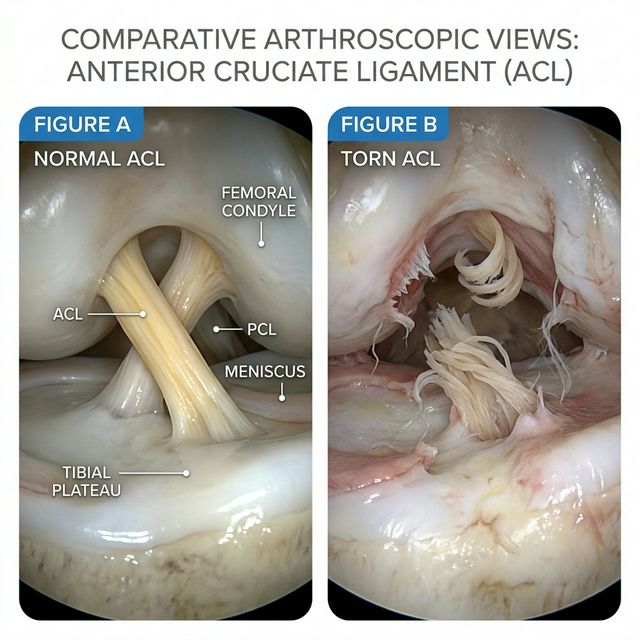
The surgical treatment of osteoarthritis helps to relieve the intense pain in the joints, improves mobility, and provides comfortable joint movements with medication therapy and other forms of treatment not being effective. In this case, the surgery helps to reduce joint stiffness and increase its stability as well as functional capacity. It depends on the degree of the joint damage and the general condition of a patient whether surgeons will need to reconstruct the damaged joint surfaces or implant a new one.
Steps in surgery treatment for Osteoarthritis surgery:
- Physicians analyze and evaluate the severity of the joint damage and choose the optimal surgical approach.
- A patient gets anesthesia, and then surgeons make proper incisions around the joint.
- Surgeries replace and reconstruct joint surfaces and cartilage.
- The artificial joint surfaces and supportive devices are implanted into the area.
- The proper positioning, stability, movement, and adjacent joints and tissues are checked by surgeons.
- Rehabilitation exercises and treatment begin to help patients recover and improve their abilities.
COMPLICATIONS
What are the Possible Complications of Osteoarthritis or Its Treatment?
Though osteoarthritis therapy is normally safe and efficient, there are possible complications during the healing period or in follow-up care. Almost all potential complications can be controlled and dealt with by adequate medical attention, frequent checkups, and physiotherapy. Awareness of these complications enables patients to recognize the symptoms promptly to ensure optimal outcomes in terms of rehabilitation, joint stability, and mobility post-treatment or surgery.
Painful Joints
Certain individuals may suffer from joint pain during motion, even after undergoing treatment and rehabilitation over a prolonged period.
Joint Stiffness
Patients' joints might become rigid, thus affecting their flexibility and movements in daily activities.
Swelling And Inflammation
There could be inflammation in the surrounding tissues causing swelling, sensitivity, and temporary difficulty moving for everyday tasks.
Loosening Of Implants
Parts of artificial joints might start to become loose, which requires medical evaluation and treatment.
Connect with our experts and get the right guidance for your condition.
RECOVERY & OUTCOMES
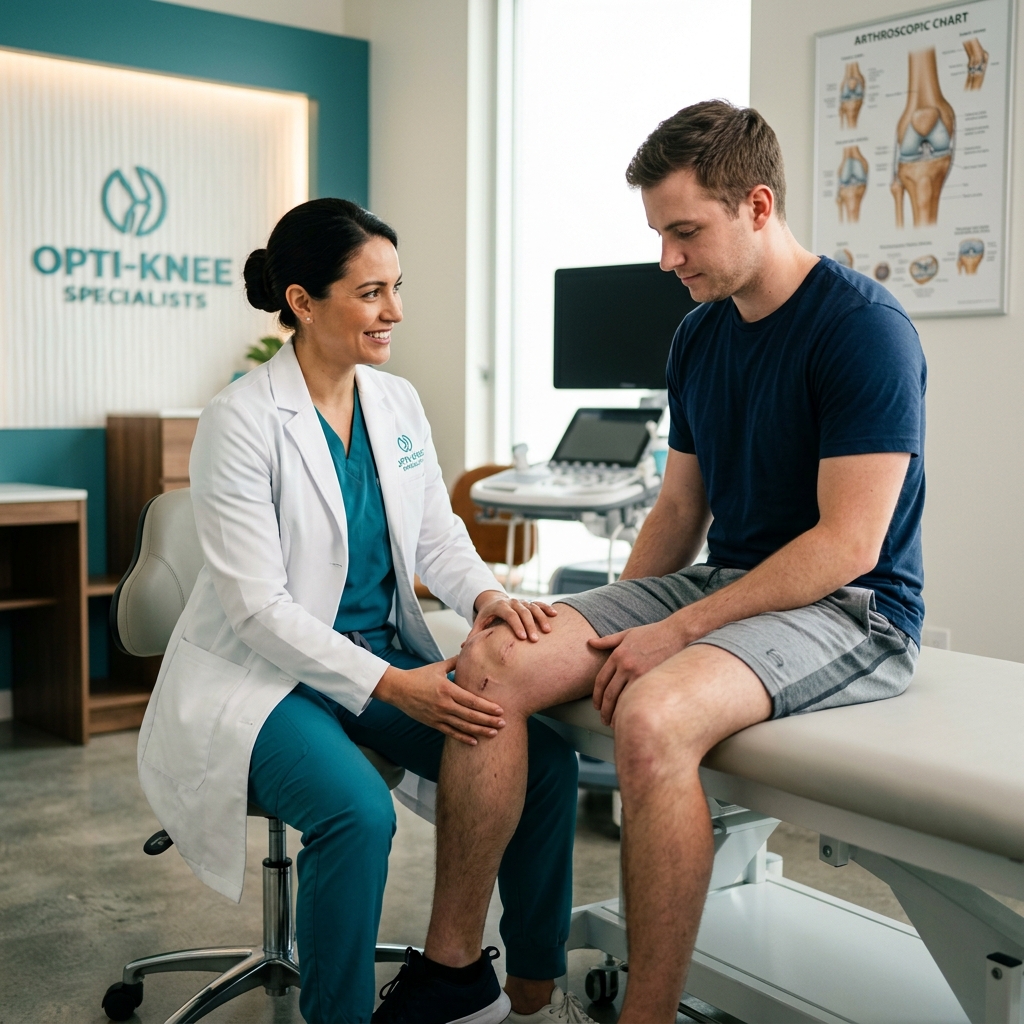
What is the Recovery Process after Osteoarthritis Treatment?
RECOVERY & OUTCOMES
What is the Recovery Process after Osteoarthritis Treatment?
Osteoarthritis Treatment recovery is always slow. The patient needs to ensure proper care and follow-up visits to the doctor and physical therapy for better results. Following rehabilitation procedures will enable patients to gain joint strength and flexibility gradually. The rate of healing may differ due to the level of joint damage and mode of treatment. Physical therapy will help prevent any complications and restore mobility and joint stability in the long run.
The following are the stages of recovery after Osteoarthritis Treatment:
- Initial rest
- Joint protection
- Increasing range of motion
- Strength building
- Progress monitoring
- Returning to normal activities
AFTERCARE
Recovery & Aftercare for Osteoarthritis Treatment
AFTERCARE
Recovery & Aftercare for Osteoarthritis Treatment
Effective aftercare following osteoarthritis treatment promotes proper healing, stabilization of joint function, and successful recovery. Adhering to recommendations in regards to rehabilitation is important to prevent complications and recover comfortable joint mobility slowly but steadily. Proper physiotherapy treatment, medical supervision, and physical activity promote proper muscle development and improve flexibility. Successful recovery, in its turn, decreases the risk of injury and allows individuals to move normally and engage in physical exercise with increased confidence.
Aftercare practices promoting recovery include:
- Adherence to post-rehabilitation recommendations
- Application of stabilizing braces
- Frequent physiotherapy rehabilitation sessions
- Gradual movement increase
- Regular medical supervision
FAQ'S
Do You Have Any Question Please?
The duration of recovery varies depending on the affected joint, mode of therapy, rehabilitation process, and response to medication.
Osteoarthritis treatment is quite safe under medical guidance, adequate rehabilitation measures, and regular follow-ups.
Surgery is necessary when chronic joint pain and stiffness affect your mobility despite medical management and rehabilitation.
Physiotherapy aids by developing surrounding muscle strength, improving flexibility, decreasing stiffness, and enabling healthy joint movements.
Early treatment can mitigate joint degeneration, optimize mobility, avoid potential complications, and ensure greater comfort.