
ARTHROSCOPY & SPORTS INJURY ASSOCIATES

OVERVIEW
What is Discoid Meniscus Treatment?
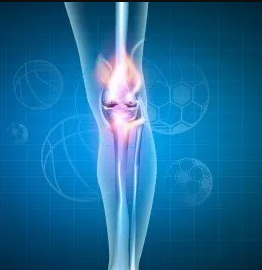
The treatment of discoid meniscus entails relief from pain, prevention of knee instability and correction of mobility problems due to the presence of a meniscus of unusual shape. The discoid meniscus is usually thicker and differently shaped from the usual meniscus in the knee joint and increases the risk of tearing, locking or pain in the knee during activity. Treatment options include physical therapy, medications, support or even surgery based on severity and symptoms. Effective treatment ensures that pain is minimized, stability restored, mobility gained and maintenance of knee mobility during activities.
Here are some key points to understand Discoid Meniscus Treatment better:
- The discoid meniscus is a type of cartilage located in the knee joint which has a unique appearance.
- It increases the risk of tears, locking and instability in the knee joint during motion.
- Its treatment is done in order to reduce pain, increase mobility and allow normal functioning of the knee joint.
- Its early diagnosis and proper treatment prevent its progression and limitation of movement.
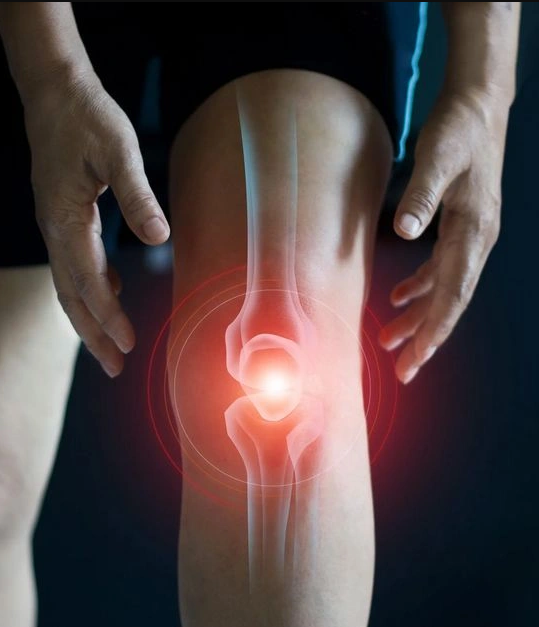
The treatment of discoid meniscus entails relief from pain, prevention of knee instability and correction of mobility problems due to the presence of a meniscus of unusual shape. The discoid meniscus is usually thicker and differently shaped from the usual meniscus in the knee joint and increases the risk of tearing, locking or pain in the knee during activity. Treatment options include physical therapy, medications, support or even surgery based on severity and symptoms. Effective treatment ensures that pain is minimized, stability restored, mobility gained and maintenance of knee mobility during activities.
Here are some key points to understand Discoid Meniscus Treatment better:
- The discoid meniscus is a type of cartilage located in the knee joint which has a unique appearance.
- It increases the risk of tears, locking and instability in the knee joint during motion.
- Its treatment is done in order to reduce pain, increase mobility and allow normal functioning of the knee joint.
- Its early diagnosis and proper treatment prevent its progression and limitation of movement.
Surgeons Available for Consultations

Dr. Karnav Panchal
M.B.B.S, M.S. (Orthopedics),
FAOS (South Korea)
Consultant Arthroscopist & Sports Injury Specialist Consultant Joint Replacement Surgeon

Dr. Aniket Gupta
M.B.B.S, M.S. (Orthopedics),
MRCS (Edinburgh)
Training & Qualifications Fellowship in MRCS (UK) Arthroscopy & Arthroplasty (Milan, Italy)
Consultant Physiotherapist

Dr. Aarsh Bhatt
B.P.T,M.P.T (Cardio-Respiratory Disorders) MIAP , HCPC (UK) , DHA (UAE)
Consultant Physiotherapist

Dr. Hetvi Dimothe
BPT , M.P.T (Rehabilitation) MIAP, HCPC (UK) , DHA (UAE)
Consultant Physiotherapist
Causes
What Causes Discoid Meniscus Treatment?
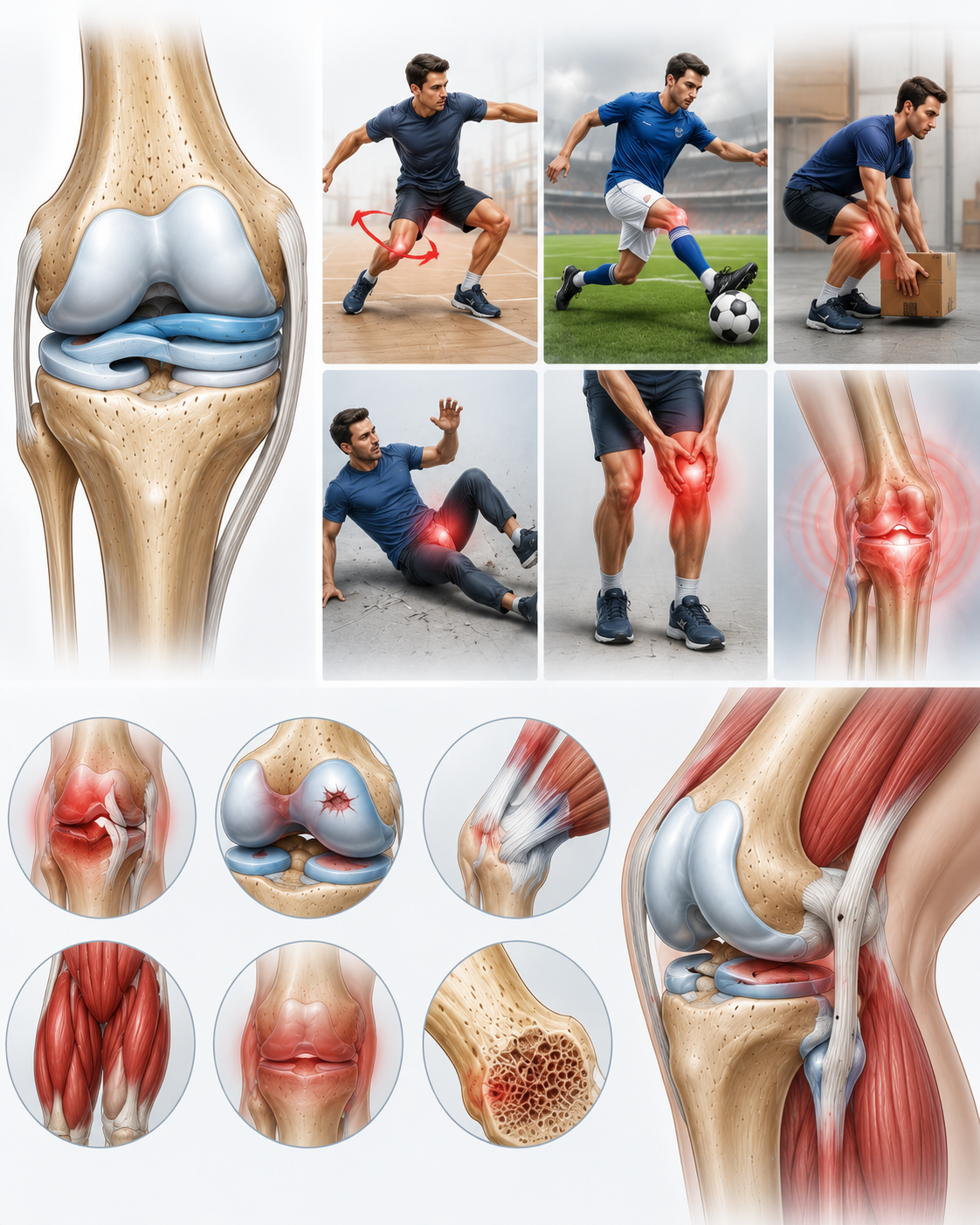
The problem of discoid meniscus normally results from stress that occurs on the knee cartilage due to its abnormal shape while moving. Twisting, sports injury, repetitive strain on the knee, falling, and overuse of the body are some of the factors that can lead to discoid meniscus tear and irritation.
Causes
What Causes Discoid Meniscus Treatment?
The problem of discoid meniscus normally results from stress that occurs on the knee cartilage due to its abnormal shape while moving. Twisting, sports injury, repetitive strain on the knee, falling, and overuse of the body are some of the factors that can lead to discoid meniscus tear and irritation.
Discoid Meniscus Injury can occur due to the following activities:
- Sudden twisting during physical activity
- Injury to knee cartilage through sports
- Knee strain through repetitive movement
- Stress on knee due to accidental fall
- Physical strain without any support
What Other Structures Can Be Affected Along with a Discoid Meniscus Injury?
Apart from meniscus injury, other structures within the knee joint can be affected due to joint instability or strain. Ligaments, cartilage, tendons, and muscles close to the knee joint can be strained, swollen, or irritated, making it difficult to move comfortably and safely.
- Strain on nearby ligaments
- Damage to cartilage surface
- Irritation of tendon tissue
- Weakness in nearby muscles
- Swelling of joint capsule
- Bone surface strain
SYMPTOMS
What are the Symptoms of Discoid Meniscus Injury?
Initial signs of discoid meniscus injury may involve the symptoms of knee pain, swelling, knee locking sensation, and movement difficulty, particularly when walking, bending, doing physical activities, or twisting suddenly.

Knee Locking Sensation
Injuries to discoid meniscus usually result in knee locking, which causes difficulties in bending, walking, or performing physical activities.
Ongoing Knee Pain
Torn meniscus tissues could result in constant knee pain when moving, bearing weight, or standing for an extended period of time.
Decreased Knee Movement
Swelling and irritation of the cartilage may lead to decreased movement range of the knee.
Failure to attend to discoid meniscus injury might lead to knee instability, cartilage damage, loss of mobility, and ultimately surgical correction.
Connect with our experts and get the right guidance for your condition.
Swelling of the Knee
The inflammation of the knee joints might result in swelling and tenderness in the knees during everyday activities.
Cracking Sounds
Some patients might have the problem of cracking sounds when they bend their knees during everyday activities.
Knee Instability
Discomfort in the joints may affect the stability of the knees during physical activities.
Difficulty Moving
Stiffness and pain might affect movement, including walking and bending.
Connect with our experts and get the right guidance for your condition.
BOOK CONSULTATIONDIAGNOSIS
How Does the Doctor Diagnose Discoid Meniscus Injury?
The process of diagnosing is usually done by taking into consideration symptomatology, injury history, and physical examinations of the injured knee joint. The doctor examines the presence of pain, swelling, locked joints, joint flexibility, and movements in the area. In order to diagnose a discoid meniscus injury and its degree, some imaging and other tests might be prescribed by doctors. Early detection of discoid meniscus injury allows for fast treatment and prevents further development of the condition and joint problems in physical activities in the future.
DIAGNOSIS
How Does the Doctor Diagnose Discoid Meniscus Injury?
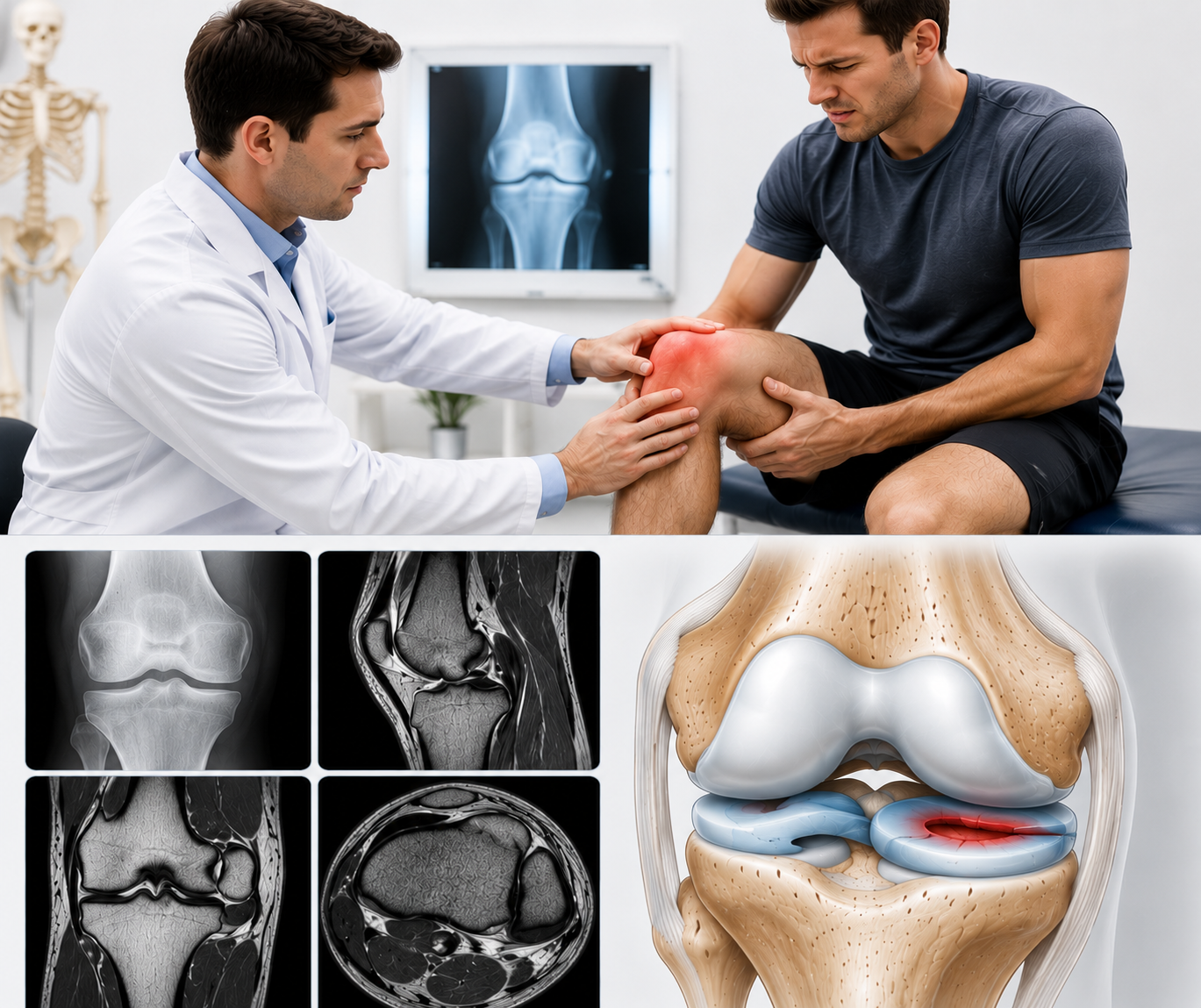
The process of diagnosing is usually done by taking into consideration symptomatology, injury history, and physical examinations of the injured knee joint. The doctor examines the presence of pain, swelling, locked joints, joint flexibility, and movements in the area. In order to diagnose a discoid meniscus injury and its degree, some imaging and other tests might be prescribed by doctors. Early detection of discoid meniscus injury allows for fast treatment and prevents further development of the condition and joint problems in physical activities in the future.
The following methods can be used for diagnosing Discoid Meniscus Injury:
- Physical examination detects joint movement, joint swelling, joint stability, and flexibility.
- Imaging tests detect cartilage injury and other tissue problems around it.
- MRI
- X-ray
TREATMENT
What is the Treatment for Discoid Meniscus?
The treatment of discoid meniscus will depend on the extent of damage of the cartilage, joint stability, mobility of the individual, and general joint health. Less severe cases will respond well to therapy and medications, but cases that are more serious require surgery and rehabilitation.
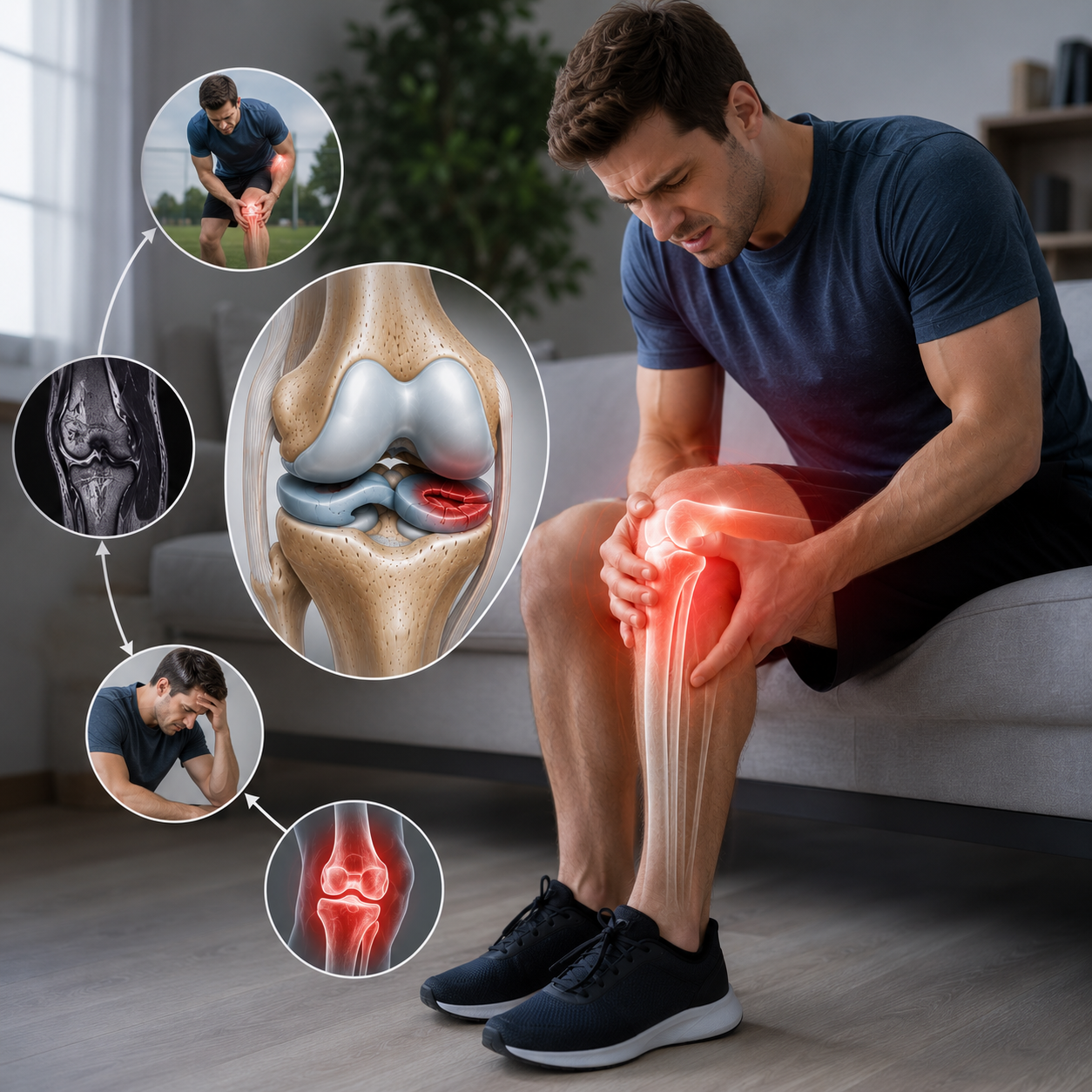
Seeking medical care early prevents complications, stabilizes the joint, and promotes easier movement. The process of treatment by doctors will generally follow a specific protocol including steps of recovery such as PRICE.
P
Protection
Prevents additional knee strain
R
Rest
Supports comfortable tissue healing
I
Ice Therapy
Reduces swelling and discomfort
C
Compression
Helps control joint inflammation
E
Elevation
Improves circulation during recovery
NON-SURGICAL CARE
How is Discoid Meniscus Treated Without Surgery?
NON-SURGICAL CARE
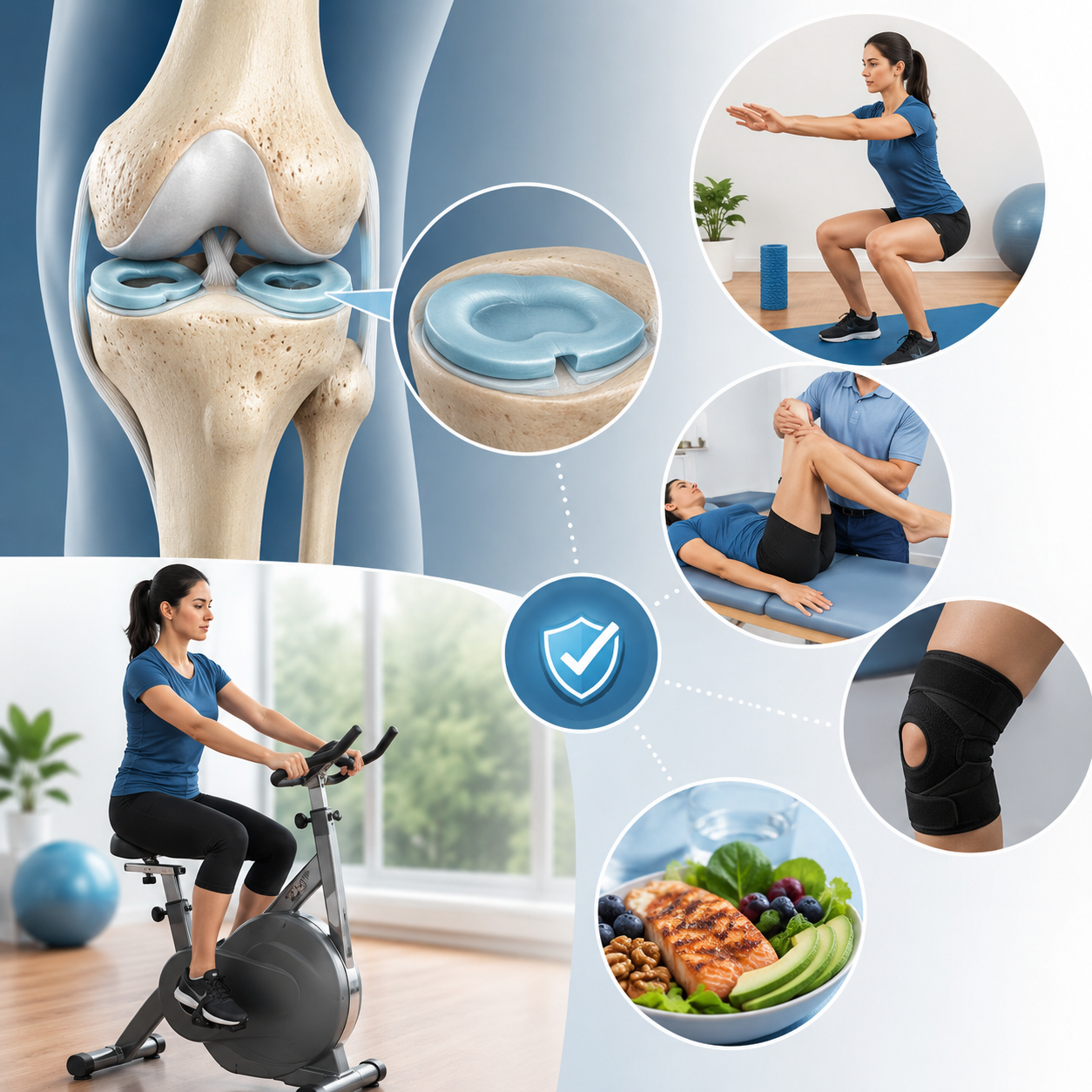
How is Discoid Meniscus Treated Without Surgery?
Not all cases of discoid meniscus require surgical intervention, particularly mild cases or those detected at an early stage. Many individuals recover through appropriate rest, physiotherapy, supportive knee braces, medications, and rehabilitation programs. The non-surgical approach seeks to minimize pain, increase stability in the knee, restore its mobility, and assist in its recovery without resorting to surgery or lengthy periods in the hospital.
The non-surgical approaches include:
- Physiotherapy that involves exercises to enhance strength and flexibility in the surrounding muscles and regain normal knee movement while recovering gradually.
- Rest and alteration of physical activities to minimize strain on the injured cartilage and allow it to heal naturally.
- Knee braces that assist in stabilizing the joint and minimizing further strain in the process of movement.
- Anti-inflammatory drugs to minimize inflammation and pain and increase mobility.
RISKS OF NO TREATMENT
When Does Discoid Meniscus Injury Require Surgery?

RISKS OF NO TREATMENT
When Does Discoid Meniscus Injury Require Surgery?
Not treating discoid meniscus injury may lead to aggravation of knee pain, locking, swelling, and limited mobility. Untreated cartilage damage will gradually damage other structures in your knee joint, thus worsening your condition and limiting your movements in the future. Early consultation will help determine whether home treatments or surgical interventions should be used in the future.
Early treatment will not only prevent further complications, but also help recover faster and keep your knee stable and mobile.
- Untreated knee instability may progress
- Delayed treatment increases the risk of cartilage injury
- Pain will eventually restrict your activities
- In case of severe meniscus tear, surgery is required
SURGERY
What is Discoid Meniscus Treatment Surgery?
Discoid meniscus surgery is performed for the purpose of relieving pain, increasing stability, and restoring function in the knee joint in case nonsurgical methods fail to do so. This surgical intervention will minimize the sensation of a locking knee, increase its mobility and contribute to long-term joint health while performing different activities. The surgery can involve modifying or repairing the affected meniscus depending on its severity and the condition of the knee joint in general. With appropriate rehabilitation and physiotherapy, patients can slowly restore their mobility, strength, and flexibility.
Treatment of discoid meniscus involves the following:
- First, the extent of damage to the cartilage is determined and the best type of surgery decided upon.
- Anesthesia is administered to patients, and surgeons make incisions on the knee.
- Surgeons can either repair or reshape the meniscus.
- Advanced medical equipment enables surgeons to examine the damaged cartilage using the small incisions.
- The damaged tissues of the meniscus are repaired or shaped in order to facilitate proper movement and stability of the knee.
- During the entire process, the surrounding ligaments, tendons, and cartilages are protected by surgeons.
- Once the surgery is over, rehabilitation programs are initiated.
SURGERY
What is Discoid Meniscus Treatment Surgery?
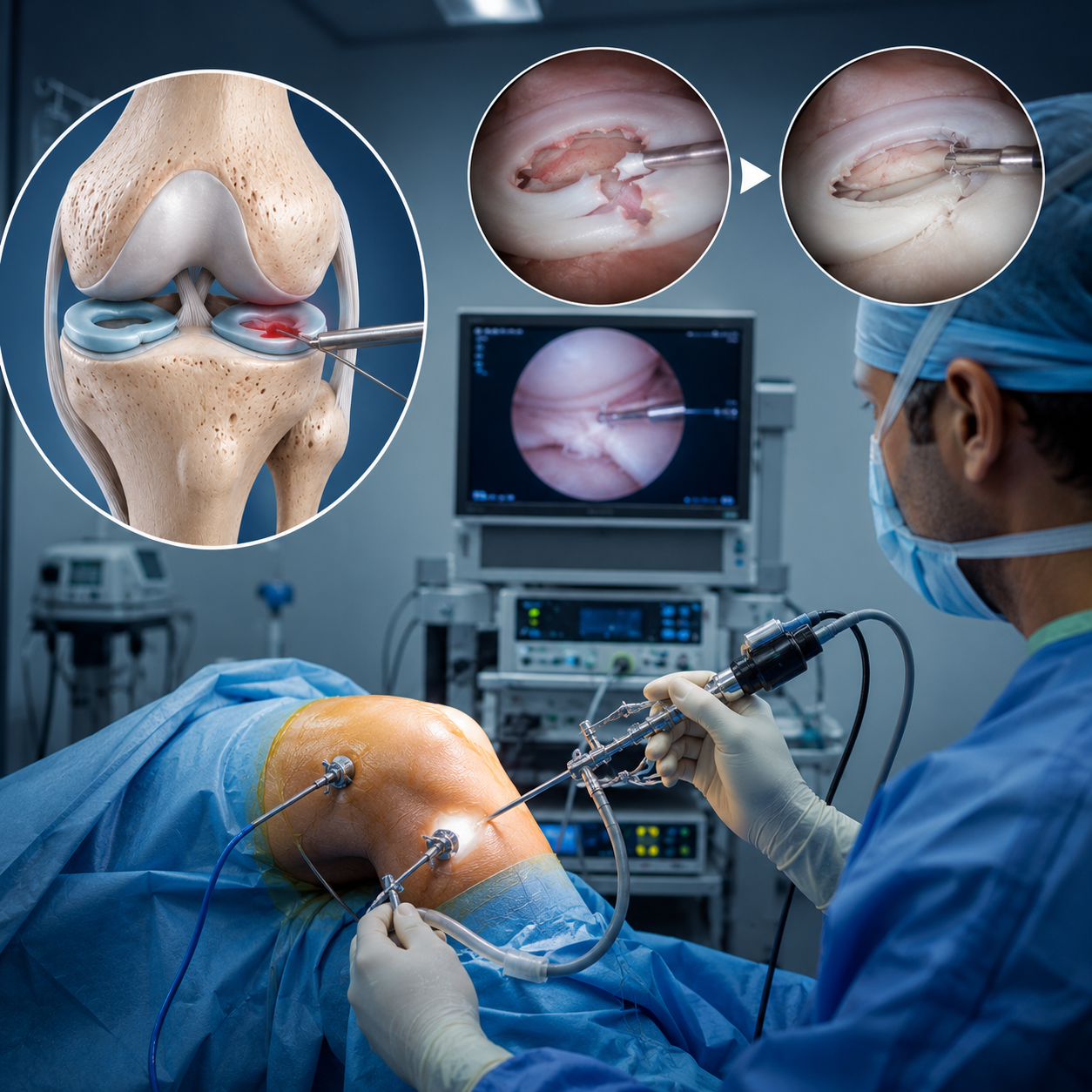
Discoid meniscus surgery is performed for the purpose of relieving pain, increasing stability, and restoring function in the knee joint in case nonsurgical methods fail to do so. This surgical intervention will minimize the sensation of a locking knee, increase its mobility and contribute to long-term joint health while performing different activities. The surgery can involve modifying or repairing the affected meniscus depending on its severity and the condition of the knee joint in general. With appropriate rehabilitation and physiotherapy, patients can slowly restore their mobility, strength, and flexibility.
Treatment of discoid meniscus involves the following:
- First, the extent of damage to the cartilage is determined and the best type of surgery decided upon.
- Anesthesia is administered to patients, and surgeons make incisions on the knee.
- Surgeons can either repair or reshape the meniscus.
- Advanced medical equipment enables surgeons to examine the damaged cartilage using the small incisions.
- The damaged tissues of the meniscus are repaired or shaped in order to facilitate proper movement and stability of the knee.
- During the entire process, the surrounding ligaments, tendons, and cartilages are protected by surgeons.
- Once the surgery is over, rehabilitation programs are initiated.
COMPLICATIONS
What are the Possible Complications of Discoid Meniscus or Its Treatment?
Discoid Meniscus procedures have been found to be effective in most cases. However, there are some complications that may arise during the process of recuperation and rehabilitation. These complications can be managed effectively by the right medical intervention, frequent visits to the doctor, and physiotherapy. Awareness of the potential complications will enable the patient to experience an easy recuperation process.
Persisting Knee Pain
There is still an occurrence of pain in the knees during movement even after undergoing treatment and rehabilitation for a long period of time.
Knee Joint Stiffness
Knee joint stiffness may make it difficult to perform movements easily and may also reduce speed in performing daily activities following treatment.
Inflammation And Swelling
Inflammation within the joints may cause swelling, sensitivity, and temporary difficulty in performing daily activities.
Reinjury Of The Meniscus
Physical stress may result in reinjuring the cartilage during treatment.
Connect with our experts and get the right guidance for your condition.
RECOVERY & OUTCOMES
What is the Recovery Process after Discoid Meniscus Treatment?
RECOVERY & OUTCOMES
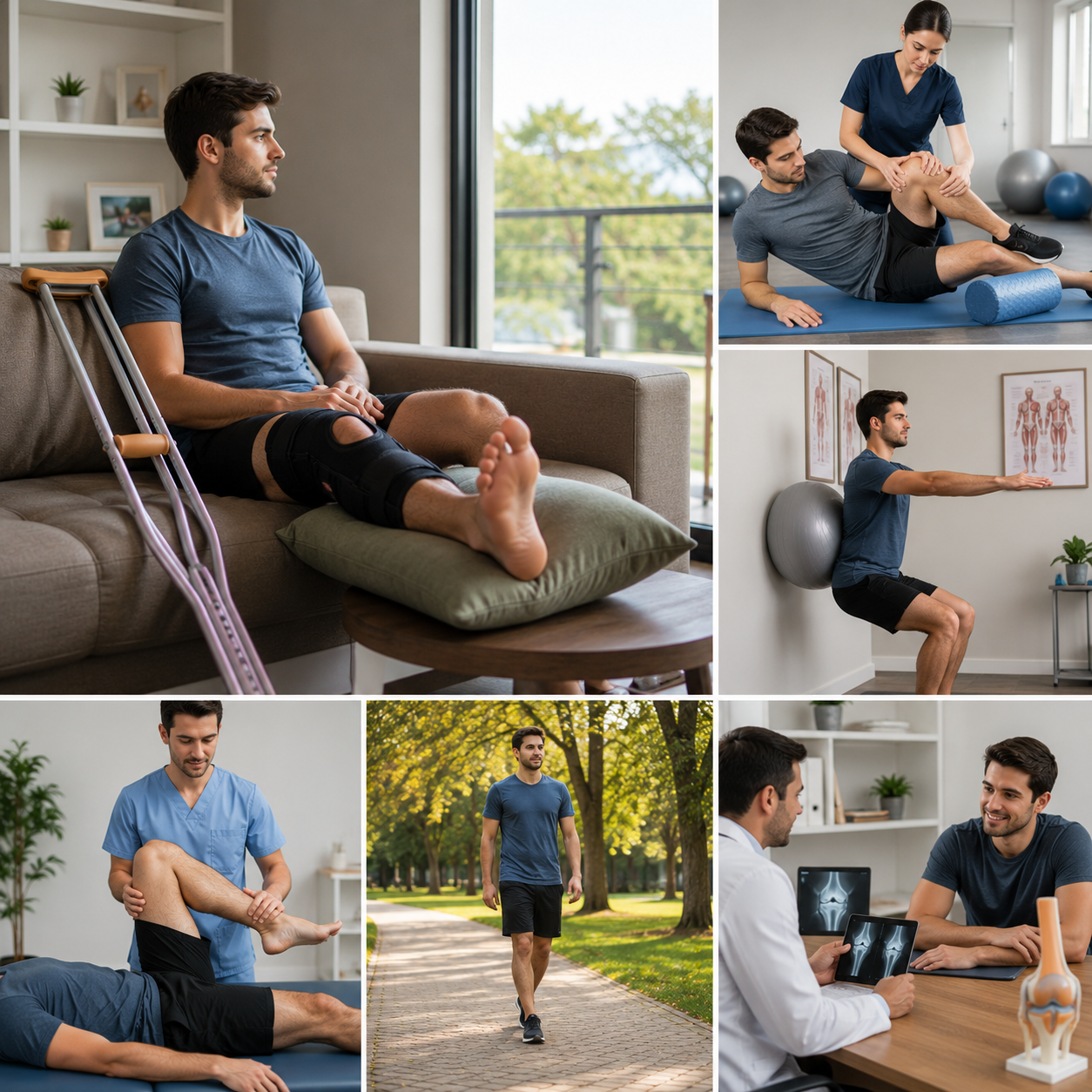
What is the Recovery Process after Discoid Meniscus Treatment?
The recovery following the procedures of the discoid meniscus will be gradual and requires careful planning and adherence to certain guidelines. Rehabilitation must be followed diligently in order to restore the knee joint’s strength, flexibility, and movement capacity. The healing rate will depend on the extent of the injury and the procedure carried out to treat it. Careful physical therapy, limited activity, and constant support will play an important role in ensuring that there are no complications.
The stages in the process of recovery from the condition include:
- Rest and protection of the knee joint initially
- Gradual improvement in range of motion through exercises
- Muscle strengthening through physical therapy
- Follow-up appointments to monitor the progress
- Return to normal activities gradually
AFTERCARE
Recovery & Aftercare for Discoid Meniscus Treatment

AFTERCARE
Recovery & Aftercare for Discoid Meniscus Treatment
The importance of proper aftercare following the procedure will enable you to recover quickly, get the stability required for your knee, and ensure that you have a good recovery in the long run. Follow the aftercare advice to avoid complications and make the process of recovery smooth, enabling you to comfortably move again. Physiotherapy, frequent medical examinations, and gradual activity will help in strengthening the muscles surrounding the knee joint.
Some of the tips for aftercare include:
- Following the doctors’ instructions regarding recovery
- Using a supportive brace
- Attending physiotherapy sessions
- Moving in a gradual manner and avoiding any force
- Keeping up with medical appointments
FAQ'S
Frequently Asked Questions?
It is determined by the degree of injury to the cartilage, response to rehabilitation, the chosen treatment method, and the body’s ability to heal after intervention.
The safety of treatment is provided by adequate medical supervision, rehabilitation, and constant monitoring of the patient’s condition.
If conservative therapy does not help to cope with severe tears of cartilage, resulting in locking and joint instability.
Physiotherapy is effective in strengthening muscles, improving mobility, decreasing pain, and ensuring comfortable joint movement.
Timely treatment allows avoiding the aggravation of cartilage, improving mobility, preventing complications, and maintaining stable knee joint function.