
ARTHROSCOPY & SPORTS INJURY ASSOCIATES

OVERVIEW
What is Distal Femoral Osteotomy?
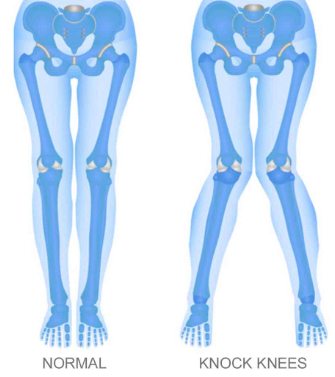
Distal femoral osteotomy is a type of surgery that involves fixing misalignment of the knee joint because of unequal pressures exerted on the joint. It is done through the process of reshaping or relocating the bottom part of the femur located close to the knee joint to ensure proper weight distribution during the body movements. The surgery is normally recommended for patients with joint pains, instability, cartilage damage, and misalignment of the knees.
Here are some key points to understand Distal Femoral Osteotomy better:
- Distal femoral osteotomy is effective in enhancing joint alignment and even joint stress distribution through movement.
- This intervention enables weight to be distributed evenly throughout injured joint surfaces in the knee during activities.
- The intervention has proven effective for treatment of patients suffering from arthritis, instability, or joint misalignment problems.
- Correct rehabilitation is key in improving mobility and joint stability following surgery.

Distal femoral osteotomy is a type of surgery that involves fixing misalignment of the knee joint because of unequal pressures exerted on the joint. It is done through the process of reshaping or relocating the bottom part of the femur located close to the knee joint to ensure proper weight distribution during the body movements. The surgery is normally recommended for patients with joint pains, instability, cartilage damage, and misalignment of the knees.
Here are some key points to understand Distal Femoral Osteotomy better:
- Distal femoral osteotomy is effective in enhancing joint alignment and even joint stress distribution through movement.
- This intervention enables weight to be distributed evenly throughout injured joint surfaces in the knee during activities.
- The intervention has proven effective for treatment of patients suffering from arthritis, instability, or joint misalignment problems.
- Correct rehabilitation is key in improving mobility and joint stability following surgery.
Surgeons Available for Consultations

Dr. Karnav Panchal
M.B.B.S, M.S. (Orthopedics),
FAOS (South Korea)
Consultant Arthroscopist & Sports Injury Specialist Consultant Joint Replacement Surgeon

Dr. Aniket Gupta
M.B.B.S, M.S. (Orthopedics),
MRCS (Edinburgh)
Training & Qualifications Fellowship in MRCS (UK) Arthroscopy & Arthroplasty (Milan, Italy)
Consultant Physiotherapist

Dr. Aarsh Bhatt
B.P.T,M.P.T (Cardio-Respiratory Disorders) MIAP , HCPC (UK) , DHA (UAE)
Consultant Physiotherapist

Dr. Hetvi Dimothe
BPT , M.P.T (Rehabilitation) MIAP, HCPC (UK) , DHA (UAE)
Consultant Physiotherapist
Causes
What Causes Distal Femoral Osteotomy?
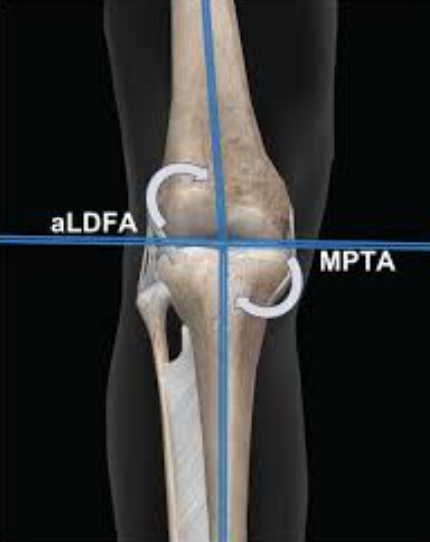
Distal Femoral Osteotomy is suggested when there is a misalignment in the knee joints due to extra stress on one side of the joint. Arthritis, old injuries, cartilage injuries, poor leg alignment, and excessive physical stress may all cause knee pain. Such cases may eventually lead to reduced joint mobility and discomfort while walking.
Causes
What Causes Distal Femoral Osteotomy?
Distal Femoral Osteotomy is suggested when there is a misalignment in the knee joints due to extra stress on one side of the joint. Arthritis, old injuries, cartilage injuries, poor leg alignment, and excessive physical stress may all cause knee pain. Such cases may eventually lead to reduced joint mobility and discomfort while walking.
Distal Femoral Osteotomy can occur due to the following activities:
- Misalignment in knee joints putting stress on joint
- Arthritis leading to damage in cartilage of knee
- Old injuries leading to joint instability
- Physical stress while moving body parts
- Cartilage wear leading to difficulty walking
What Other Structures Can Be Affected Along with Distal Femoral Osteotomy?
In addition to problems associated with the knees, there could be complications in other areas as well because of imbalance of pressure and instability in the knees. Other tissues such as cartilages, ligaments, tendons, muscles, and bones could suffer because of pressure imbalance and joint instability.
- Ligament strain
- Damage to the surface of cartilages
- Tendon irritation
- Weakness of muscles
- Joint capsule inflammation
- Bone stress
SYMPTOMS
What are the Symptoms of Distal Femoral Osteotomy?
Early symptoms of a distal femoral osteotomy are mostly related to knee pain, swelling, stiffness, difficulty moving the knee joint during walking, standing up, using stairs, exercise, and other weight-bearing activities.

Ongoing Knee Pain
Imbalance in pressure on the joint will lead to constant knee pain when walking, standing, climbing stairs, or engaging in physical activities.
Joint Stiffness
Damage to knee components will result in stiffness and discomfort during joint movement.
Decreased Joint Movement
Due to the joint being uncomfortable and unstable, its movement range may be limited.
Swelling of the Joint
The joint is swollen and tender in the affected areas during joint movement.
Not taking into account early symptoms of a distal femoral osteotomy leads to increased instability of the joint, wear of the articular cartilage, decreased movement of the joint and requires further treatment.
Connect with our experts and get the right guidance for your condition.
Weak Knee
Because of joint pain, discomfort, and joint problems, a person experiences joint weakness during activities.
Cracking in Joints
A cracking sensation when bending or moving the joints can occur in some patients.
Difficulty Moving
Pain and joint stiffness hinder walking, movement, and physical activity.
Connect with our experts and get the right guidance for your condition.
BOOK CONSULTATIONDIAGNOSIS
How Does the Doctor Diagnose Distal Femoral Osteotomy?
In order to diagnose the problem, physicians normally start by assessing the symptoms, taking into consideration the patient's past medical history, and conducting a detailed physical examination on the knee joint in question. The presence of pain, swelling, stiffness, improper alignment, and restriction of movement will be assessed through the physical examination procedure. In order to diagnose any joint damage and whether Distal Femoral Osteotomy is necessary, the physician may suggest various imaging tests. It is essential that the problem be identified early enough to allow effective treatment in time.
DIAGNOSIS
How Does the Doctor Diagnose Distal Femoral Osteotomy?
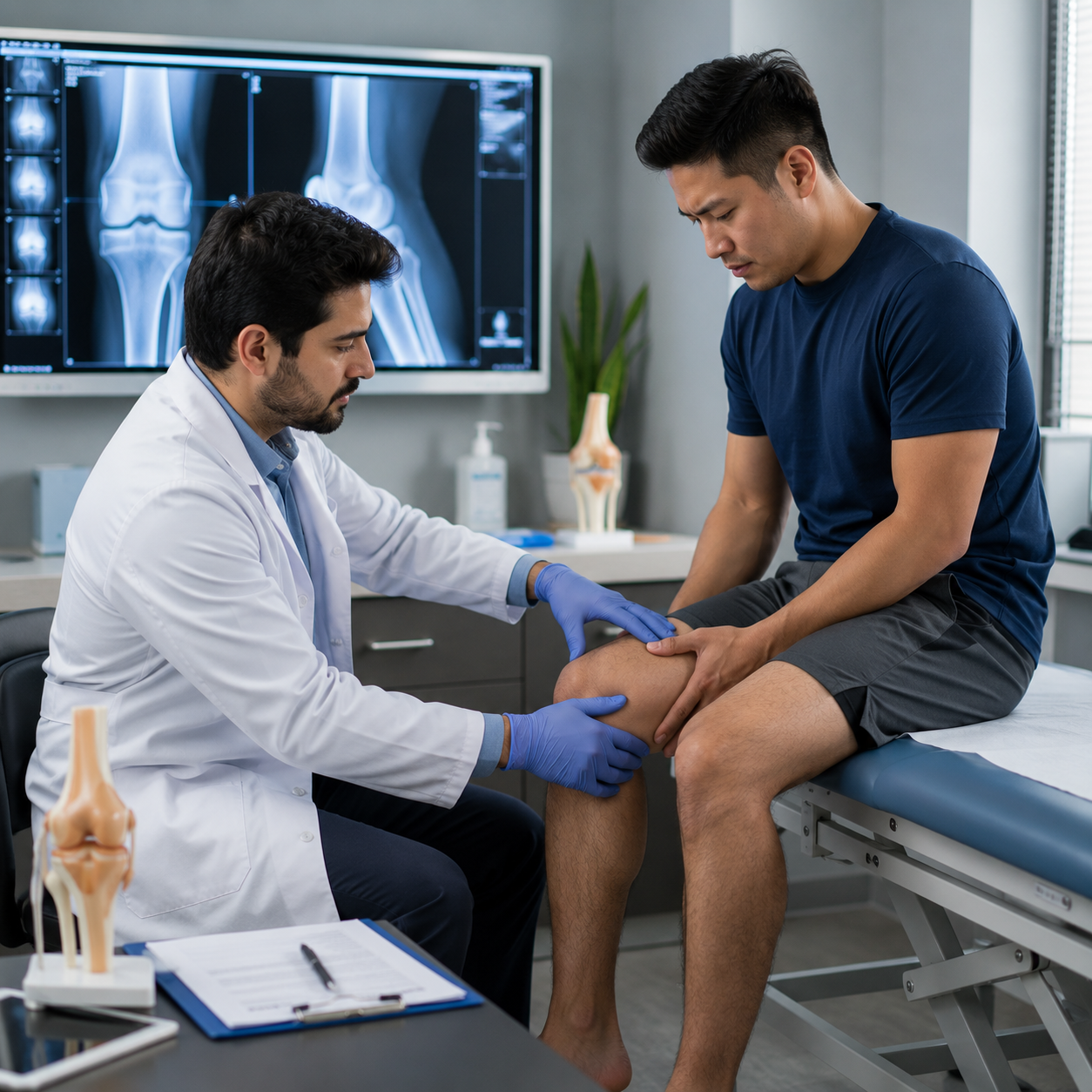
In order to diagnose the problem, physicians normally start by assessing the symptoms, taking into consideration the patient's past medical history, and conducting a detailed physical examination on the knee joint in question. The presence of pain, swelling, stiffness, improper alignment, and restriction of movement will be assessed through the physical examination procedure. In order to diagnose any joint damage and whether Distal Femoral Osteotomy is necessary, the physician may suggest various imaging tests. It is essential that the problem be identified early enough to allow effective treatment in time.
Distal Femoral Osteotomy can be diagnosed through the following procedures:
- Physical examination is conducted to evaluate joint alignment and movement restrictions.
- Imaging tests are used to assess joint damage and any problems in the surrounding tissues.
- MRI
- X-ray
TREATMENT
What is the Treatment for Distal Femoral Osteotomy?
The procedure to treat distal femoral osteotomy relies on many factors such as joint damage severity, alignment of the knees, movement capability, and general health. In mild cases, therapy and drug treatments may help, whereas in severe cases, surgery and rehabilitation will be needed.

Prompt medical attention helps decrease risks and enhance knee stability and motion. Medical practitioners tend to follow a particular pattern when dealing with injuries, such as the PRICE method for effective recovery.
P
Protection
Avoids stress to the knees
R
Rest
Promotes comfortable tissue recovery
I
Ice Therapy
Decreases swelling and pain
C
Compression
Aids in decreasing knee inflammation
E
Elevation
Enhances circulation
NON-SURGICAL CARE
How is Distal Femoral Osteotomy Treated Without Surgery?
Surgery is not always needed for distal femoral osteotomy procedures since some patients do not require any such invasive measures to address their medical problem. Some of them can easily treat their misalignment and joint-related disorders with adequate rest, physiotherapy sessions, use of supportive knee braces, pain medications, and rehabilitation therapy.
NON-SURGICAL CARE
How is Distal Femoral Osteotomy Treated Without Surgery?
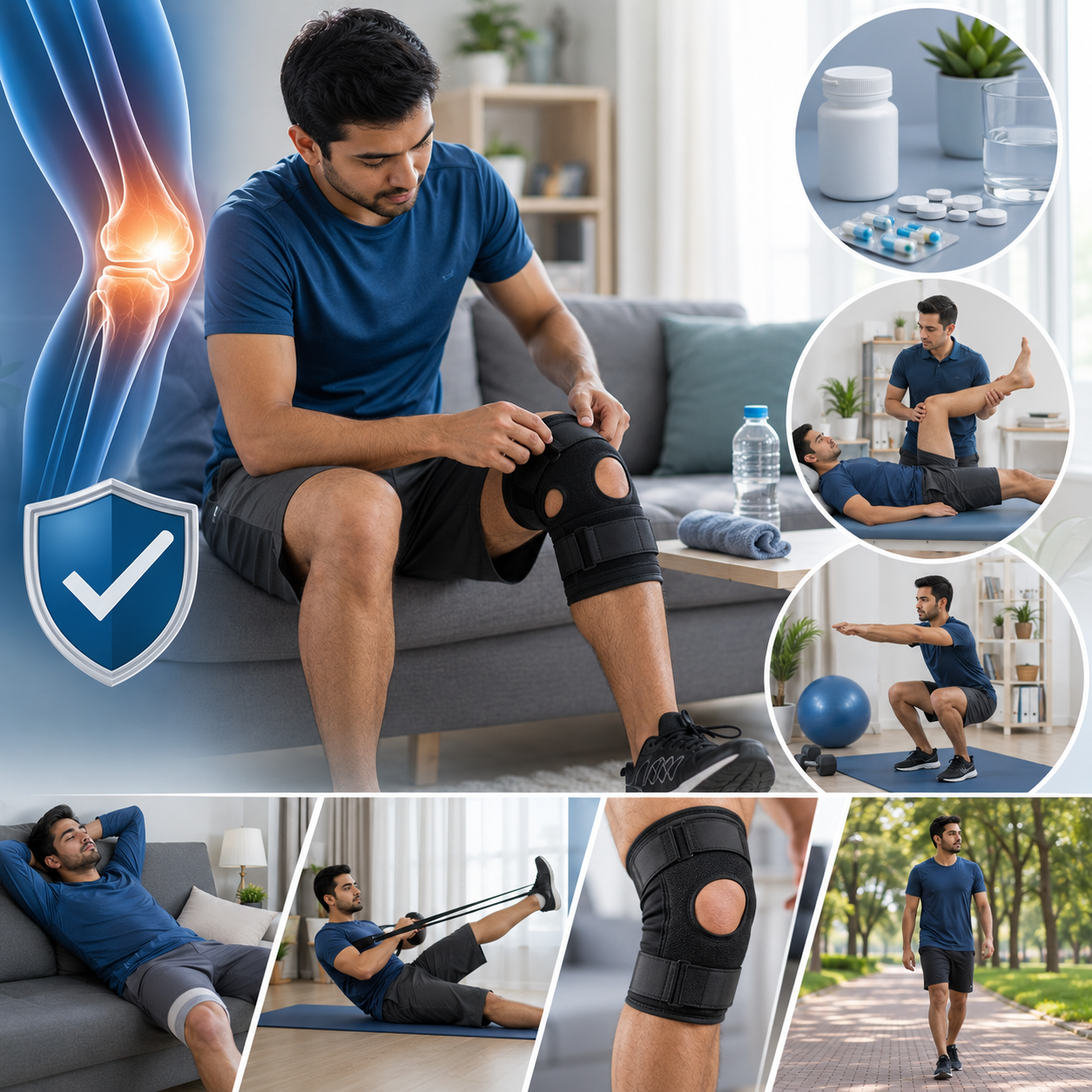
Surgery is not always needed for distal femoral osteotomy procedures since some patients do not require any such invasive measures to address their medical problem. Some of them can easily treat their misalignment and joint-related disorders with adequate rest, physiotherapy sessions, use of supportive knee braces, pain medications, and rehabilitation therapy.
Some non-surgical treatment options are:
- Physiotherapy sessions will assist in strengthening muscles around joints and make knee motion comfortable again during recovery.
- Rest and changes in physical activities reduce unnecessary strain in the joints and promote physical well-being.
- Knee braces help to maintain stability and avoid stress on the joints during movements and exercise sessions.
- Anti-inflammatory drugs reduce inflammation and pain and enhance physical abilities.
RISKS OF NO TREATMENT
When Does Distal Femoral Osteotomy Require Surgery?

RISKS OF NO TREATMENT
When Does Distal Femoral Osteotomy Require Surgery?
Failure to address issues with knee alignment can increase pain, stiffness, swelling, and physical limitations related to movement in daily activities. Failure to treat damage to the joints could potentially lead to damage to the cartilage as well as instability in the knees, causing further discomfort.
Early medical assessment will be important to see if non-surgical treatment is still possible, or if surgical treatment is required down the road.
- Failure to address damage could cause knee instability
- Failure to treat will make cartilage damage more likely
- Pain could limit physical activities
- Severe joint damage may require surgery
SURGERY
What is Distal Femoral Osteotomy Surgery?
Distal femoral osteotomy operation is conducted with the aim of improving the alignment of the knee joint, minimizing pressure in areas of the joint that have been damaged, and ensuring easy mobility in physical activity. This procedure facilitates alleviation of pain, enhances joint stability, and ensures long-term performance of the knee joint if there is uneven distribution of weight in one part of the knee. This surgical procedure involves reshaping or relocating the end portion of the thigh bone around the knee to ensure even weight distribution in the body.
Distal Femoral Osteotomy procedure is performed using the following steps and techniques:
- Doctors perform initial tests on knee alignment and ensure they have the right corrective procedure for the patients’ knees before performing the procedure.
- Anesthesia is administered to patients prior to the surgeons making cuts around the knee joint safely.
- There are two types of surgical procedures performed; the opening wedge and closing wedge techniques.
- Surgeons proceed to restructure and realign the thigh bones with proper positioning.
- Fixation devices assist in stabilizing the realigned bones until the process of healing is complete.
- Knee alignment and stability are checked by surgeons before the procedure is completed.
- The rehabilitation process starts immediately after the procedure to strengthen the patient’s knee.
SURGERY
What is Distal Femoral Osteotomy Surgery?
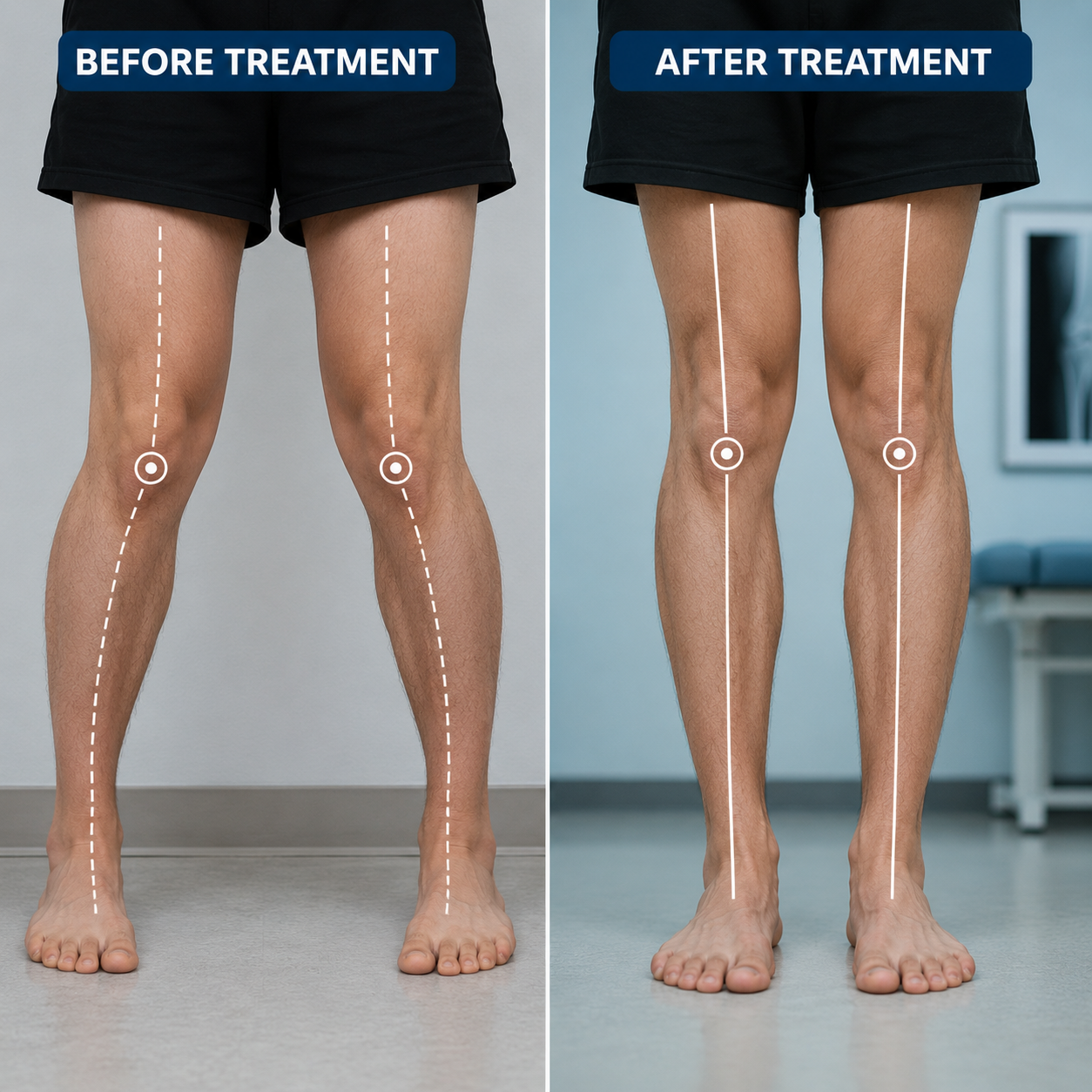
Distal femoral osteotomy operation is conducted with the aim of improving the alignment of the knee joint, minimizing pressure in areas of the joint that have been damaged, and ensuring easy mobility in physical activity. This procedure facilitates alleviation of pain, enhances joint stability, and ensures long-term performance of the knee joint if there is uneven distribution of weight in one part of the knee. This surgical procedure involves reshaping or relocating the end portion of the thigh bone around the knee to ensure even weight distribution in the body.
Distal Femoral Osteotomy procedure is performed using the following steps and techniques:
- Doctors perform initial tests on knee alignment and ensure they have the right corrective procedure for the patients’ knees before performing the procedure.
- Anesthesia is administered to patients prior to the surgeons making cuts around the knee joint safely.
- There are two types of surgical procedures performed; the opening wedge and closing wedge techniques.
- Surgeons proceed to restructure and realign the thigh bones with proper positioning.
- Fixation devices assist in stabilizing the realigned bones until the process of healing is complete.
- Knee alignment and stability are checked by surgeons before the procedure is completed.
- The rehabilitation process starts immediately after the procedure to strengthen the patient’s knee.
COMPLICATIONS
What are the Possible Complications of Distal Femoral Osteotomy or Its Treatment?
Although distal femoral osteotomy treatment is generally safe and effective, some complications may occasionally develop during recovery or rehabilitation stages. Most complications are manageable with proper medical supervision, regular follow-up care, and physiotherapy support. Understanding possible issues helps patients recognize symptoms early and maintain smoother recovery outcomes, improved knee stability, and comfortable physical movement after treatment or surgical procedures.
Knee Pain That Persists
Certain individuals can be having knee pain when moving despite rehabilitation therapy for a very long time.
Knee Stiffness
Stiff knees can start limiting comfortable movements and activities after treatments to aid recovery.
Swelling
Inflammation in certain areas may lead to swelling, sensitivity, and temporary difficulties when moving.
Bone Healing Difficulties
Problems with bone healing may at times affect stability and recovery after surgery.
Connect with our experts and get the right guidance for your condition.
RECOVERY & OUTCOMES
What is the Recovery Process after Distal Femoral Osteotomy Treatment?

RECOVERY & OUTCOMES
What is the Recovery Process after Distal Femoral Osteotomy Treatment?
After undergoing treatment for distal femoral osteotomy, recovery takes time and must be done with the right care, frequent medical checkups, and physiotherapy sessions. This is important to ensure safe and successful restoration of strength and flexibility in the knee through time. The speed at which recovery takes place depends on how severe the joint injury is and the type of treatment administered. Proper physiotherapy, physical activity, and recovery will enhance mobility and stability in the knee after treatment.
The recovery process after Distal Femoral Osteotomy generally includes the following steps:
- Rest and knee protection first
- Improving mobility via exercises gradually
- Strengthening muscles using physiotherapy assistance
- Consistent recovery monitoring follow-ups
- Slow reentry into routine activities
AFTERCARE
Recovery & Aftercare for Distal Femoral Osteotomy Treatment

AFTERCARE
Recovery & Aftercare for Distal Femoral Osteotomy Treatment
Effective post-treatment care is essential after distal femoral osteotomy procedure for proper healing, knee stability, and eventual recovery success. Post-recovery patients need to comply with the prescribed instructions to avoid any risk of injury and allow gradual recovery. Consistent physiotherapy and medical consultations will help develop muscle strength and improve body flexibility without putting the patient at any risk of injury. Proper rehabilitation also ensures that one recovers successfully to resume their normal daily activities, workouts, and mobility.
The following aftercare steps should be followed for better recovery:
- Comply with doctor’s recommendations throughout recovery
- Support knee stability with braces
- Attend rehabilitation physiotherapy sessions regularly
- Engage in activities gradually and comfortably
- Have consistent recovery checkups
FAQ'S
Do You Have Any Question About Knee Osteotomy Treatment??
It takes various lengths of time to recover from osteotomy depending on the severity of joint damage, rate of rehabilitation, and type of treatment.
Treatment for distal femoral osteotomy treatment is safe in cases of correct medical control and follow-up treatment.
Surgery becomes necessary when there is pain, instability, and difficulties in moving due to joint damage.
Physiotherapy is beneficial for strengthening muscles around the knee, increasing flexibility, and stabilizing joint movements.
Osteotomy should be performed early for reducing joint damage and preventing other serious conditions.